- 🎧 Enjoy This Article via Audio
- Introduction: What the Music of Yosui Inoue Truly Meant to Me
- What the Selection Data Proves: My Distance from Yosui
- Chronological Review: All 31 Tracks of “My Personal Top 30”
- 1973: The Season of Great Breakthrough That Swept the Era
- Conclusion: “The Yosui Inoue of That Era” Living On in My Memory
🎧 Enjoy This Article via Audio
You can quickly grasp the key points of this article through the narration.
Recommended for those who want to catch the musical atmosphere and the overall flow before reading the text.
🎶 English Narration
Introducing the content of this article in English audio.
⌛ Playtime: Approx. 5 mins
🎵 Japanese Narration
Introducing the content of this article in Japanese audio.
⌛ Playtime: Approx. 5 mins
* Listening to the audio before reading helps you gain a deeper understanding of the song’s world and the key points of the article.
Introduction: What the Music of Yosui Inoue Truly Meant to Me
This series, “My Personal Top 30: Yosui Inoue Edition,” which started on May 17th to explore the charm of one song a day, has been a deeply fulfilling journey spanning over a month.
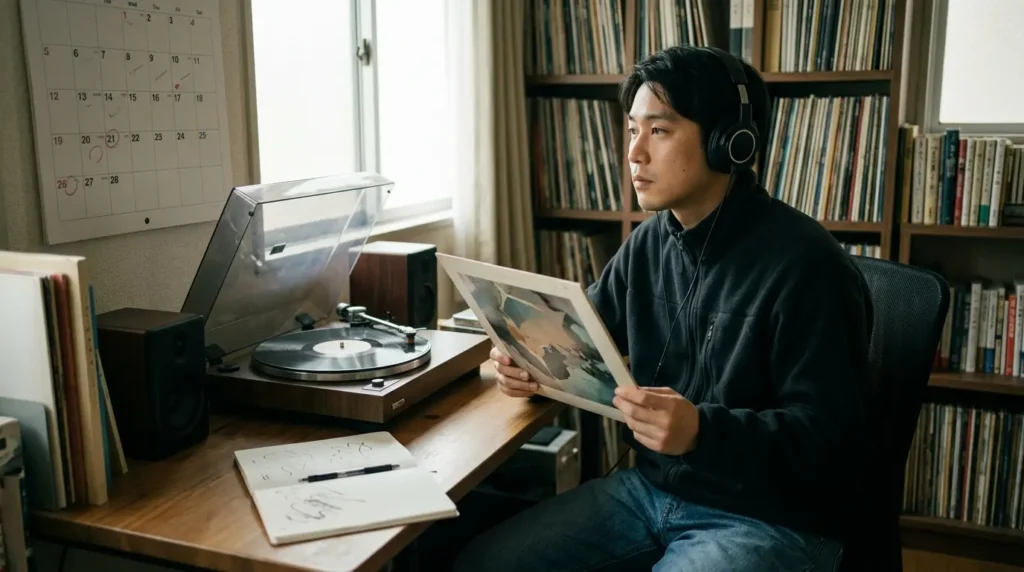
With two songs tying for 10th place, the list grew to a total of “31 tracks in reality,” but it has now successfully come to the final conclusion.
Together with two special edition tracks dedicated to fully covering the album Kōri no Sekai in addition to the main 31 songs, thank you so much for accompanying me for such a long time.
Today, looking back at the final selection of these 31 songs, I would like to once again unravel what “the music of Yosui Inoue” truly meant to me.
What the Selection Data Proves: My Distance from Yosui
The Highlighted Season of “1972–1974”
When looking at the final 31 songs as data, an incredibly clear bias becomes apparent.
Out of all 31 tracks, a staggering 26 songs were chosen from his very early career, spanning just three short years from his debut album Danzetsu (1972) to Nishoku no Koma (1974). This accounts for an overwhelming 83.9% of the entire list.
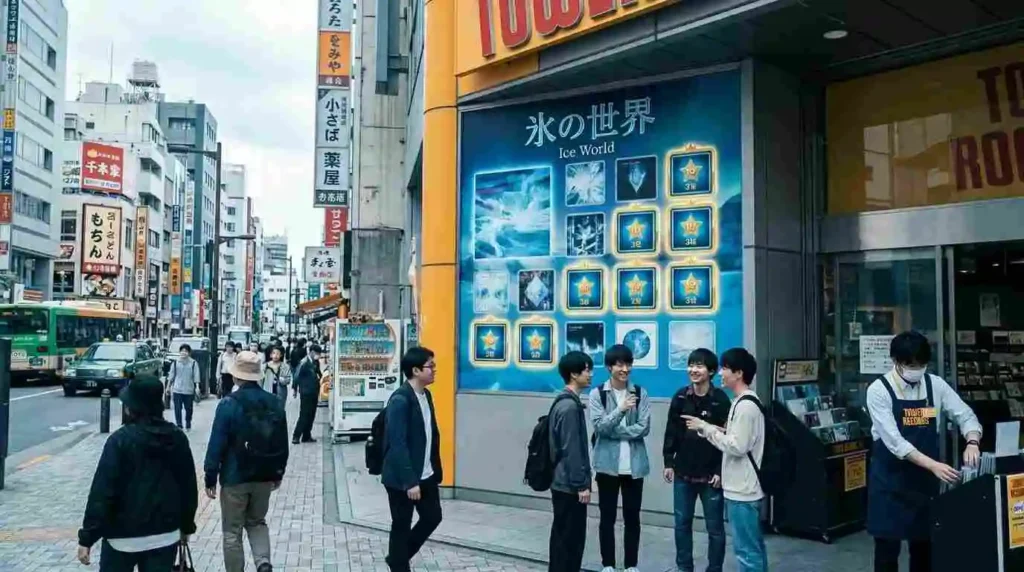
Furthermore, from his monumental masterpiece, Kōri no Sekai, 11 out of the album’s 13 tracks made it into the top 30.
Looking at Yosui’s long career spanning over 50 years, this ranking is undeniably centered almost entirely on his early period. Yet, for me, this result is not a calculated analysis; rather, it is the clearest proof of how faithfully true I have remained to my own musical experiences.
My Journey with Yosui: Reaching a Turning Point at Shōtaijō no nai Show
As an individual listener who has explored a wide variety of both Japanese and Western music, I have not necessarily covered every single song from every era of Yosui Inoue’s career. The period when I listened to his music most intensely, and was completely immersed in his world, was precisely during the years from 1972 to 1974.
To be perfectly honest, for me, Yosui Inoue as an artist reached a turning point around his 1976 album, Shōtaijō no nai Show (A Show Without Invitations).
In later years, as his vocal style and musicality evolved, I naturally stopped following his new albums. Of course, there are songs like “Shōnen Jidai” (Boyhood) which remain in my heart as universal masterpieces, leading me to select them for this best-of list. However, the sheer passion of listening to an entire album over and over until it was worn out was something reserved exclusively for his early body of work.
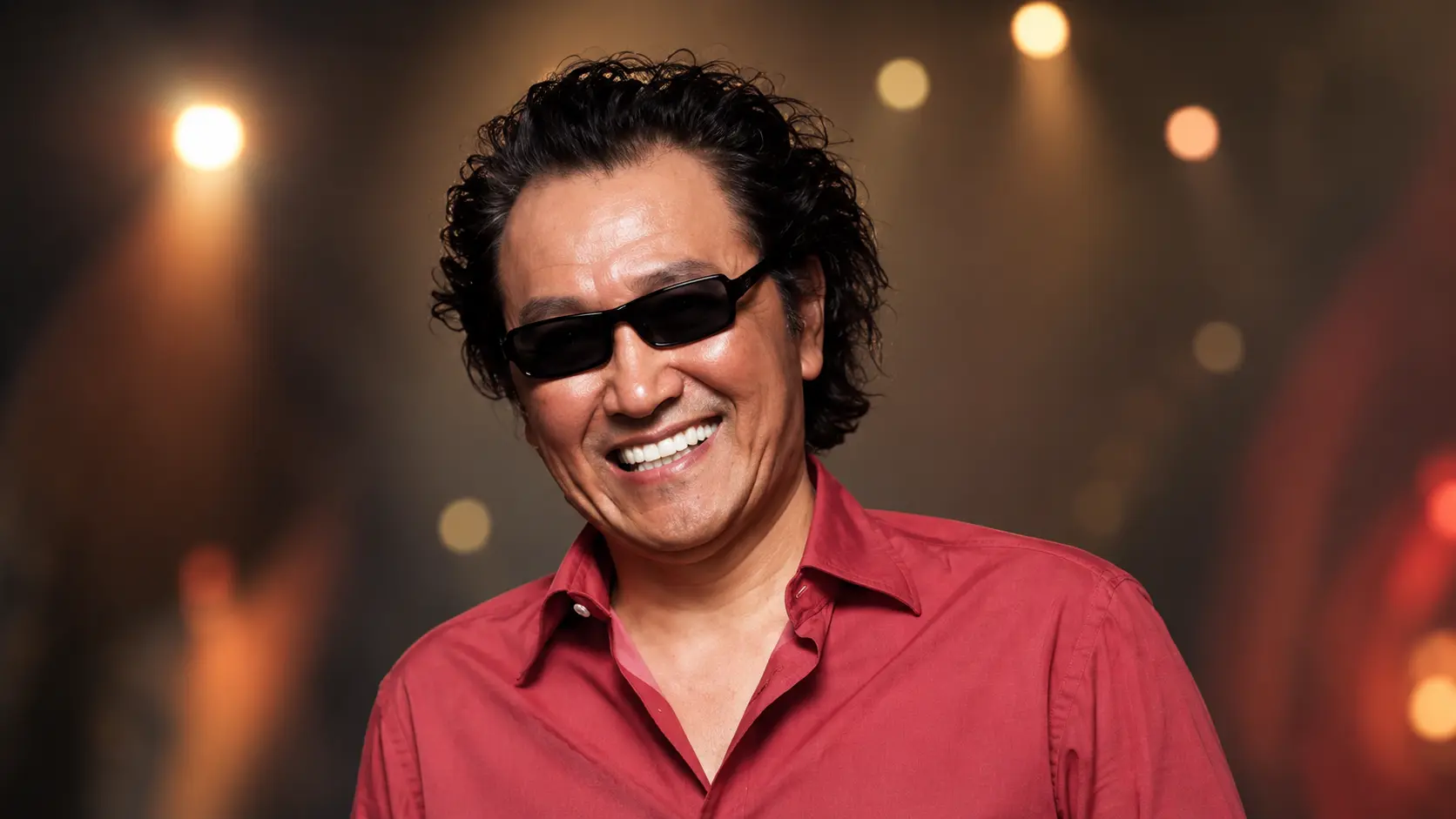
With his long hair swaying, casting a sharp, yet somehow objective and introspective gaze upon society from behind his sunglasses—that was the early Yosui, filled with vivid lyricism. That was the entirety of the “Yosui Inoue” I encountered, the one deeply engraved within me.

The resulting extreme concentration on his early works and the high selection rate from Kōri no Sekai represent the very gradation of memories from when I engaged with his music most sincerely.
Now, let’s look back at the beloved 31 songs filled with “absolute Yosui” album by album in chronological order of their release.
Chronological Review: All 31 Tracks of “My Personal Top 30”
1972: A Shocking Debut and Early Lyricism
From the Album Danzetsu
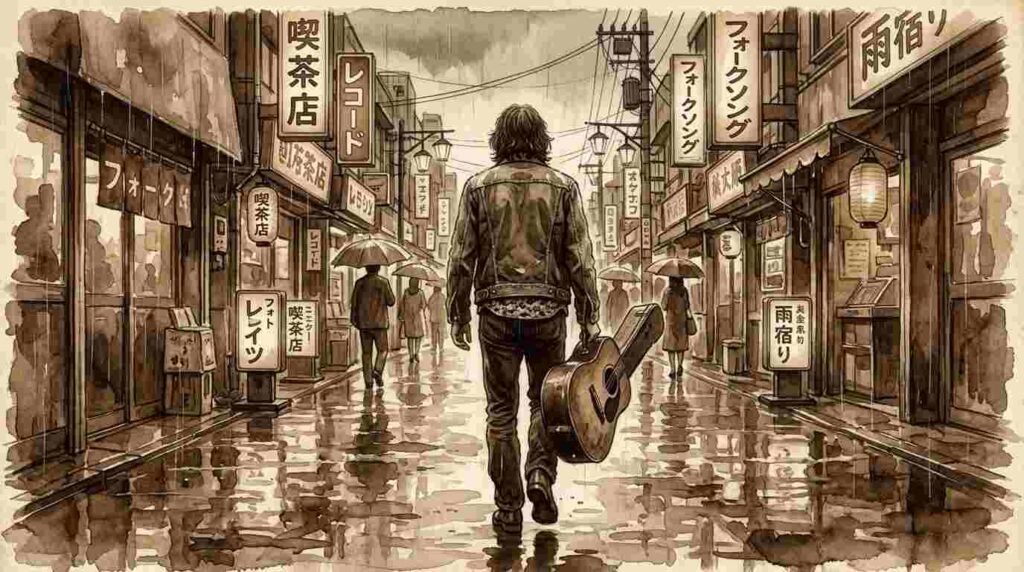
4th: Kasa ga nai (No Umbrella) — A monumental peak of early Yosui, vividly depicting the cold indifference of the city and an individual’s pure impulse resisting it. The heavy, rhythmic strumming of the acoustic guitar and the anxiety-inducing vocals instantly bring back the atmosphere of those days whenever I hear it.
10th: Ai wa Kimi (Love is You) — In his early days, which had a strong image of rough folk-rock, this hidden gem bloomed early, showcasing Yosui’s outstanding melodic sense and talent for fresh ballads. The painful yet beautiful melody leaves a deep impression on the heart.
11th: Jinsei ga Nido areba (If Life Could Be Lived Twice) — An early masterpiece where a cold, objective observation of aging parents coexists with a cruel lyricism unique to youth. This weight and deep melancholy strike the heart with an even more realistic resonance now that I have grown older.
20th: Shiroi Carnation (White Carnation) — A song where a quiet sense of loneliness and transience beautifully dissolves within the detached ring of the acoustic guitar. It encapsulates the word-weaving talent and introspective worldview unique to early Yosui.
From the Album Yosui II Sentimental
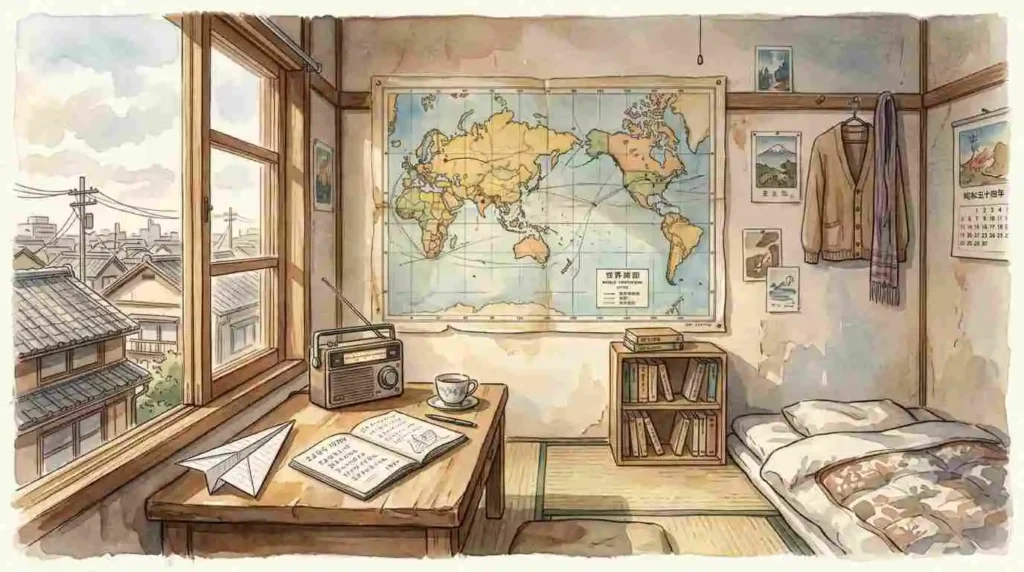
7th: Higashi e Nishi e (To the East, To the West) — The phrase “Ganbare” (Hang in there) carries a unique irony and a sense of speed rather than being a simple cheer song. It is a masterpiece that sublimates daily frustration with a unique pop sensibility, revealing early Yosui’s fathomless dynamism.
8th: Adokenai Kimi no Shigusa (Your Innocent Gestures) — A hidden fine work depicting a delicate love story characteristic of his early career over a simple, somewhat melancholy melody. The further you listen, the more the pure atmosphere held by the folk music of that time gently spreads out.
9th: Kami Hiko-ki (Paper Airplane) — His skill in hiding a somewhat lonely shadow inside a light melody that seems to dance in the sky is brilliant. A unique metaphor that only Yosui could write perfectly blends with a catchy folk sound.
14th: Nokonoshima no Kataomoi (Unrequited Love on Nokonoshima) — Set on an island in Hakata Bay, quite close to Oita, this song features an excellent depiction of beautiful yet painful scenery. The melody, where exoticism and local lyricism coexist, holds a special attachment for me since I lived in Fukuoka for four years.
16th: Tsumetai Heya no Sekai Chizu (World Map in a Cold Room) — A masterpiece that realistically depicts the loneliness and introspection unique to youth, gazing at the world from the narrow space of a room. Within the chilly atmosphere, the sharp sensitivity that Yosui must have possessed at the time shines brightly.
22nd: Kannazuki ni Kakomarete (Surrounded by October) — A track where Yosui’s magic, skillfully manipulating the deep seasonal feel of autumn and the ring of words, shines everywhere. While having a somewhat fabled worldview, it possesses a unique, charming melody that won’t leave your ears once heard.
28th: Natsu Matsuri (Summer Festival) — A hidden early masterpiece capturing a moment of silence or sadness lurking behind the lively festival scenery. It harbors an emotional texture like Japan’s original landscape, leaving a short but vivid impression.
1973: The Season of Great Breakthrough That Swept the Era
1973 Singles (A-side & B-side)
6th: Yume no Naka e (Into the Dream) — An immensely pop and light mega-hit single that made Yosui’s name known all over Japan. However, behind its cheerful steps, a unique, absurd perspective that seems to wrap the listener in smoke is hidden.
15th: Itsunomanika Shōjo wa (Before I Knew It, the Girl Was…) — Although it was the B-side of “Yume no Naka e,” it is a masterpiece overflowing with a fresh poetic sentiment that surpasses the A-side. It delicately depicts the transience of the moment a girl transitions into an adult like nothing else can.
From the Monumental Album Kōri no Sekai
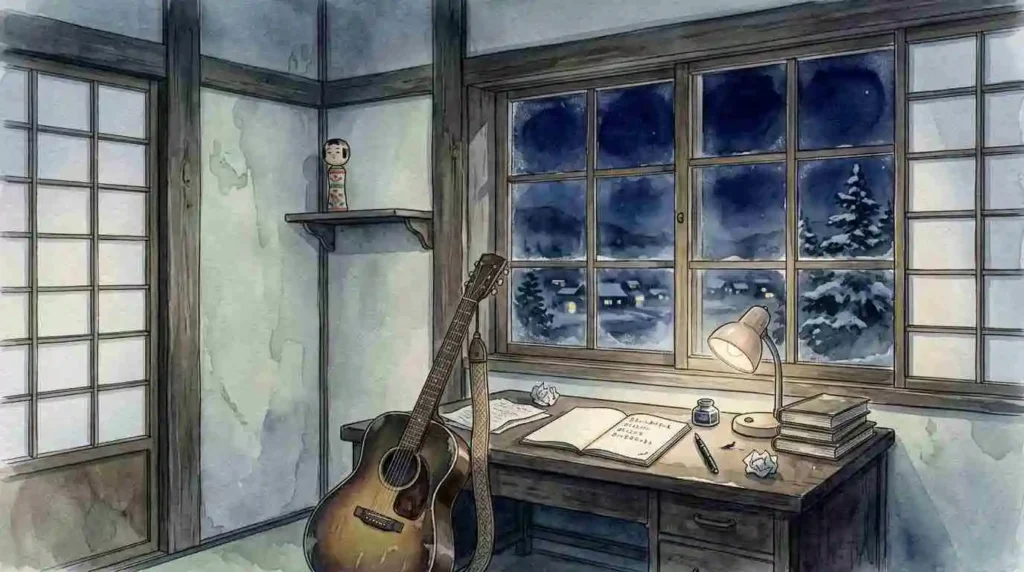
1st: Kaerenai Futari (The Two Who Cannot Go Back) — Born from a collaboration with Kiyoshiro Imawano, this is the ultimate ballad reigning at the peak of my ranking. The beautifully flowing melody and the distance between the two melting into the silence of the night evoke a deep emotion beyond words.
2nd: Shiroi Ichinichi (A White Day) — An absolute masterpiece written by Kei Ogura with music by Yosui, closely approaching the 1st place. Within a quiet world where all unnecessary sounds are stripped away, the overwhelming power and lyricism of Yosui’s vocals shake the listener’s heart.
3rd: Kokoro Moyou (State of Mind) — A great masterpiece that pulls you in instantly right from the opening line, “Sabishisa no tsurezure ni” (In the tedium of my loneliness), defining the public image of early Yosui. Here lies the melancholy melody that truly defines Yosui and the perfect shape of folk music.
10th: Fun — A hidden gem bringing a funky vitality to the album, delightful for its wordplay and rhythmic brilliance. Not only serious lyricism but also this sophisticated pop sense makes this album something special.
12th: Kōri no Sekai (Ice World) — The title track of the million-selling album, an advanced song spitting out the absurdities of society back then over a funky cutting guitar. The sharp blade of words hasn’t faded in the slightest, even when listening to it today.
13th: Jiko Ken’o (Self-Hatred) — A number singing about the muddy inner emotions everyone carries in a cold yet comical way. The gaze looking cynically at one’s own inner self is the true essence unique to Yosui in this era.
17th: Sakura Sangatsu Sanpomichi (Cherry Blossom March Promenade) — A song serving as an accent to the album, carrying a somewhat psychedelic and theatrical flavor. The madness behind the mildness of spring and Yosui’s complex worldview explode here.
18th: Chie-chan — A nostalgic sentimentalism calling out a specific name over a somewhat painful acoustic tone. It is a masterpiece that seems to recall fragments of fond past memories every time you listen to it.
19th: Koharu-oba-san — While cutting out a scene from daily life, the melody line showing a dramatic development is excellent. Within its approachability, Yosui’s unique, slightly twisted viewpoint serves as a pleasant spice.
23rd: Oyasumi (Good Night) — A lullaby-like ballad wrapping the end of the album gently but with a somewhat deep sense of loneliness. Leaving a beautiful lingering sound, Yosui’s sweet and painful vocals deeply soak into the heart.
25th: Akazu no Fumikiri (The Railroad Crossing That Never Opens) — An acoustic rock track full of speed and anxiety that decorates the opening of the album. The approaching rhythm and vocals raise the expectations for the great album about to begin to a climax.
1974–1976: A Transition Period and a Conclusion Within Me
From the Album Nishoku no Koma
26th: Yamiyo no Kuni kara (From the Land of the Dark Night) — A somewhat floating pop number conveying the air of his last album with Polydor. One can feel the breath of an era starting to steer away from early folk routes toward wider rock and pop music.
27th: Zenmai-jikahe no Kabutomushi (Clockwork Beetle) — Contrary to its mechanical title, this song strikes the heart with an introspective and somewhat sorrowful lyricism connected to his early days. Amidst changing times, there is a sense of relief like touching the unchanging core of Yosui.
From the Album Shōtaijō no nai Show
24th: Aozora, Hitorikiri (Lonely Blue Sky) — Selected from the work that became the virtual end point for me regarding “Yosui listened to as an entire album.” The somewhat cool loneliness drifting inside the light arrangement seems like the final brilliance that the Yosui of that era emitted.
Later Years and Provided Songs: Masterpieces Remaining Across Time
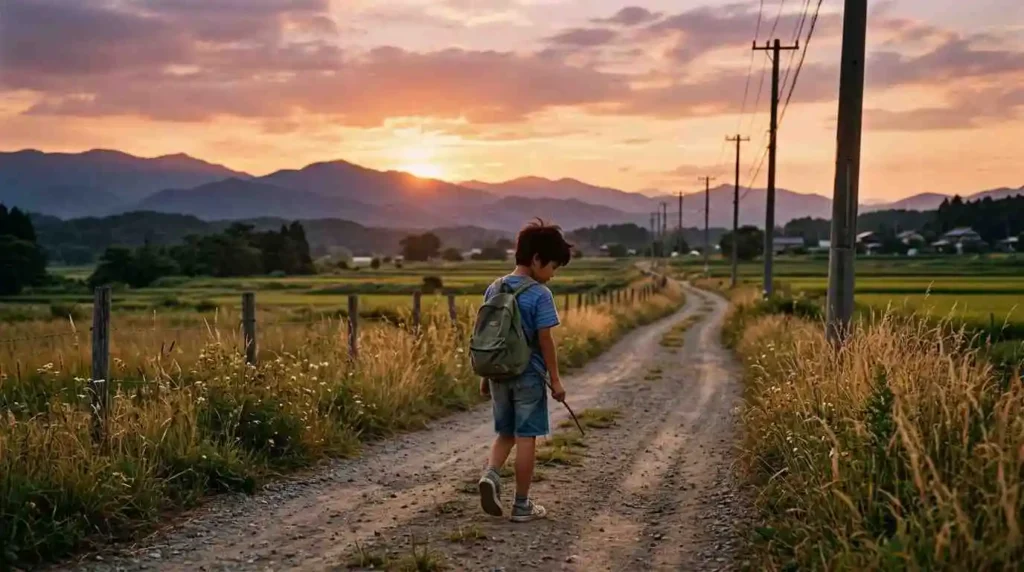
5th: Shōnen Jidai (Boyhood) — An immortal masterpiece engraved in my heart as an absolute exception among Yosui’s later works after I stopped following his albums. The melody evoking lost, beautiful memories of a Japanese summer possesses a beauty that should remain in music textbooks.
21st: Wine Red no Kokoro (Wine Red Heart) — A mega-hit song provided to Anzen Chitai, which defined Yosui’s aspect as a “wizard of kayō pop” through his self-cover. Although the change in singing style around this time triggered my distancing from him, the high level of completeness of the song itself must be recognized.
29th: Asia no Junshin (Pure Asia) — A pop number provided to PUFFY that became a social phenomenon. The nonsense lyrics liberated from meaning and the overwhelmingly catchy melody can be called the result of Yosui’s genius playfulness perfectly blooming with the era.
30th: Dance wa Umaku Odorenai (I Can’t Dance Well) — A fine ballad provided to Seri Ishikawa (Yosui’s wife), drifting with a simple yet voluptuous and lazy mood. It is a song demonstrating the underlying power of Yosui’s songwriting, coolly capturing a woman’s feelings.
Conclusion: “The Yosui Inoue of That Era” Living On in My Memory
Looking back at the 31 songs in chronological order of their release like this, the reasons why I was so intensely drawn to the early Yosui, and why I stopped following him around the time of Shōtaijō no nai Show, make perfect sense to me now.
The Yosui Inoue I loved was the one from those three years, who sang of loneliness more objectively and more beautifully than anyone else amidst the passionate fervor of the folk era.
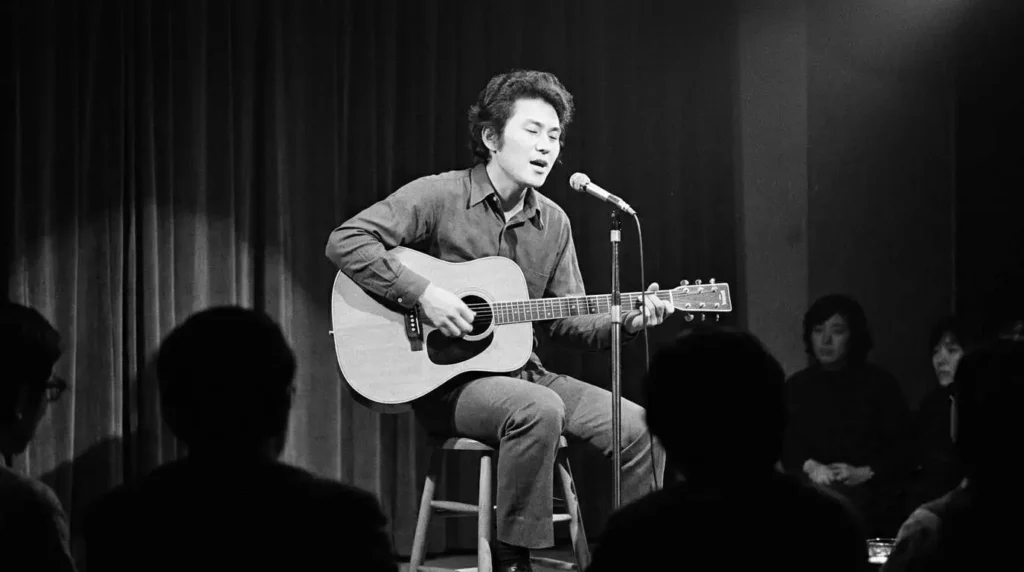
In later years, his evolution into an entertainer or a maestro of pop music took him to a place slightly different from the “vivid lyricism” I was seeking. That is precisely why I made the conscious choice not to listen to his newer self.
However, over the past month or so, as I faced his music and put his world into words day after day, there is something I have come to know with absolute certainty.
Even if our paths separated afterward, a true genius named Yosui Inoue existed during that era when I was most impressionable and absorbing music most greedily. And the masterpieces he created, starting with Kōri no Sekai, still resonate in my heart today without fading in the slightest.
That fact alone means my musical life has been sufficiently rich.
Yosui Inoue—beloved and absolute, who still reigns and shines with a dazzling brilliance in my memory. Deeply grateful for this dense time spent with him and the finest 31 songs, I would like to bring this summary to a close.


音楽ファン同士の交流・リクエストはこちら / Connect & Request Songs Here