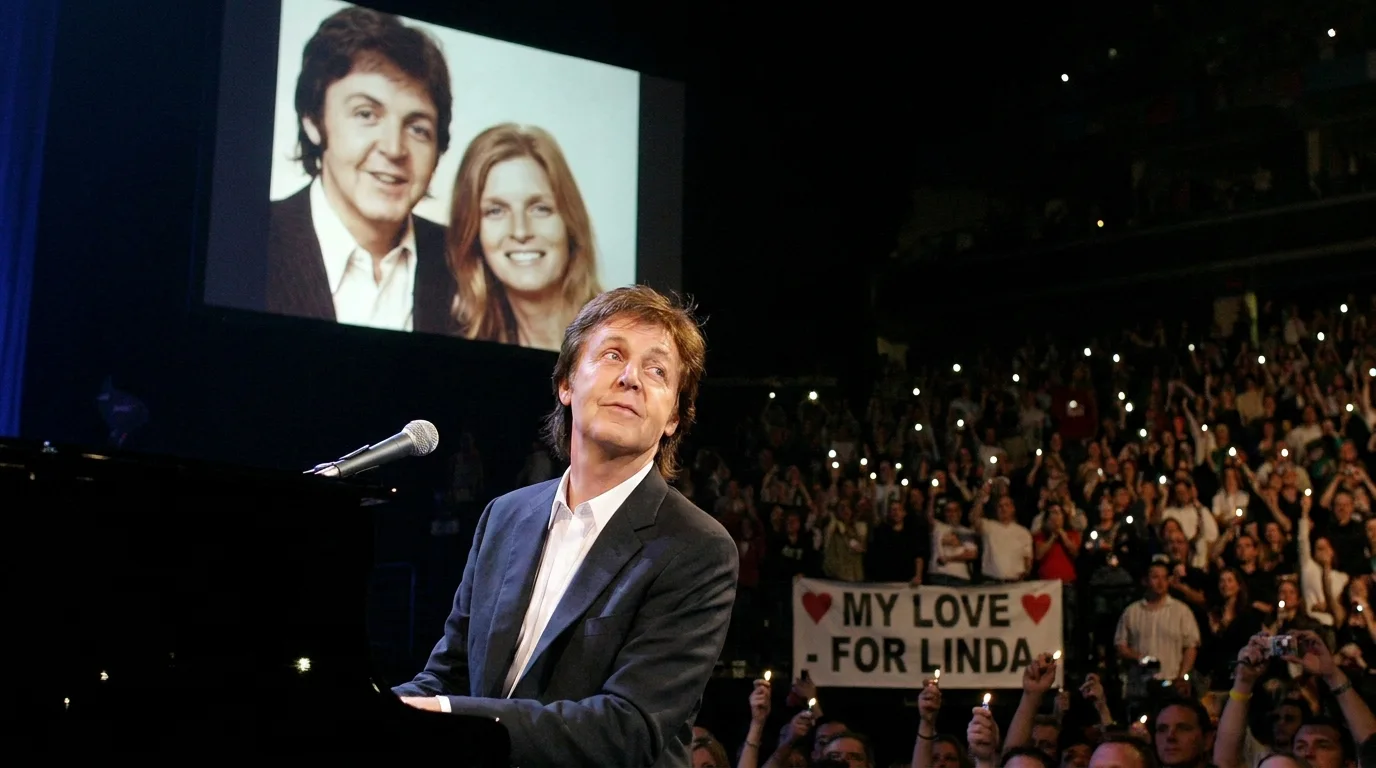
Explore Paul McCartney’s Journey Here!
🎧 Enjoy This Article in Audio
You can quickly get the key points of this article through narration.
Recommended if you would like to get a feel for “My Love” and understand the overall flow of the article before reading.
🎵 English Narration
An English narration introducing the content of this article.
🎶 Japanese Narration
A Japanese narration introducing the content of this article.
Listening first can help you grasp the appeal of “My Love” and the main points of the article more easily.
No. 1 is Paul McCartney & Wings’ “My Love.”
Released as a single on March 23, 1973, it was also included on the album Red Rose Speedway, released on April 30 of the same year.
In the United States, it spent four consecutive weeks at No. 1 on the Billboard Hot 100 and reached No. 9 in the UK. It became Wings’ first U.S. No. 1 single and remains one of the defining love songs of Paul’s post-Beatles career.
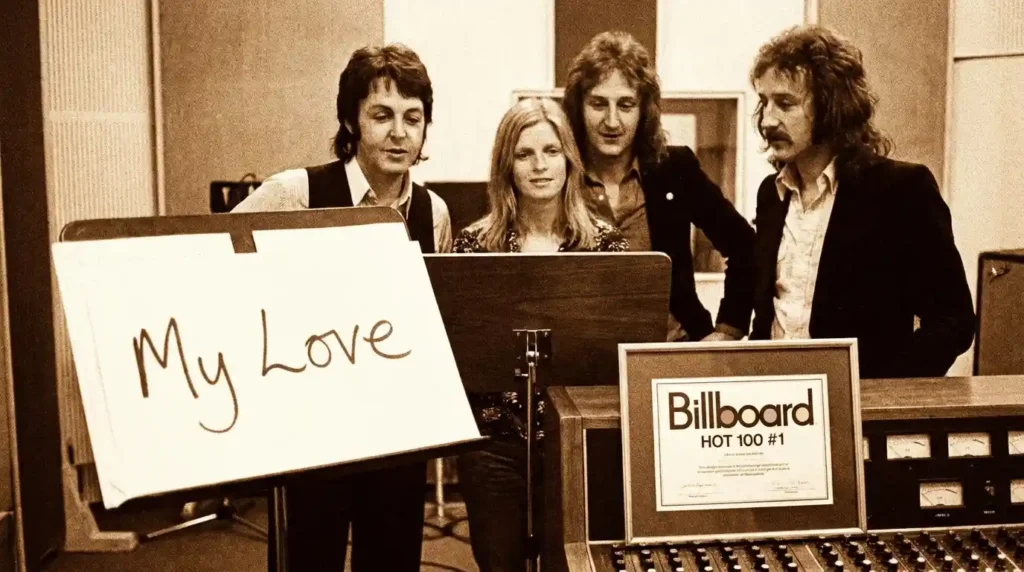
But chart success alone is not why I chose this song as my No. 1.
To tell the truth, if someone had asked me back in junior high which song I simply liked more, I probably would have answered “Junior’s Farm.” Yet when I finally lined up all fifteen songs, “My Love” was the one I wanted at the very top.
That choice comes not only from the quality of the song itself, but also from memories of my junior-high years that became inseparable from it, and from the long story Paul and Linda shared together.
My Interpretation
Even when I’m far away, my heart remains beside you.
Even when life seems empty, with you I can still find something precious.
There is no need for goodbye—what we share needs no explanation.
You alone hold the key that opens my heart.
And loving you is what makes my life feel right.
First, Listen to These Official YouTube Videos
Common Credits
Song: My Love
Artist: Paul McCartney & Wings
Written by: Paul McCartney, Linda McCartney
Album: Red Rose Speedway (1973)
Original recording: January 1973, Abbey Road Studios, Studio Two
YouTube: Official Paul McCartney channel
Video 1
“Paul McCartney & Wings – My Love (Official Music Video)”
Published: March 23, 2023
Video: Official music video / 4K remaster
Directed by: Mick Rock
Audio: Original 1973 studio recording
Two-Line Commentary
The official music video presents the 1973 recording of “My Love” alongside imagery created by Mick Rock.
Paul’s vocal and Henry McCullough’s unforgettable guitar can be heard with all the delicacy and detail of the original studio version.
Video 2: “My Love” from Rockshow
Published: June 10, 2013
Video: From the concert film Rockshow
Recorded during: 1976 Wings Over the World Tour
Venue: Kingdome, Seattle
Performers: Paul McCartney, Linda McCartney, Denny Laine, Jimmy McCulloch, Joe English
Two-Line Commentary
This live performance from Rockshow captures Wings in 1976, with Paul’s voice filling the enormous stadium. Unlike the studio recording, this version has the weight and scale of the touring band, including Jimmy McCulloch on guitar.
Two Kinds of Love That Meet in “My Love”
A Boy’s First Love and My Junior-High Years
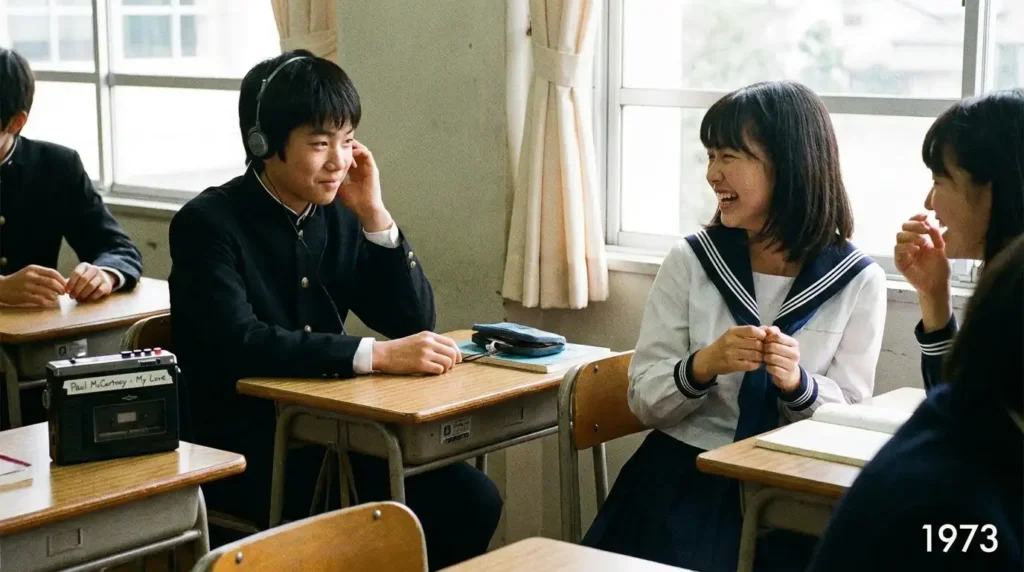
Whenever I hear this song, I remember my junior-high friend Sato, one of the friends with whom I shared my love of music. There was a girl in our class named Hiroe whom he cared about deeply.
His feelings were so sincere that even I could see how devoted he was to her. And one of the songs Sato loved most was “My Love.” Somewhere along the way, his feelings for Hiroe and this song became inseparable in my memory.
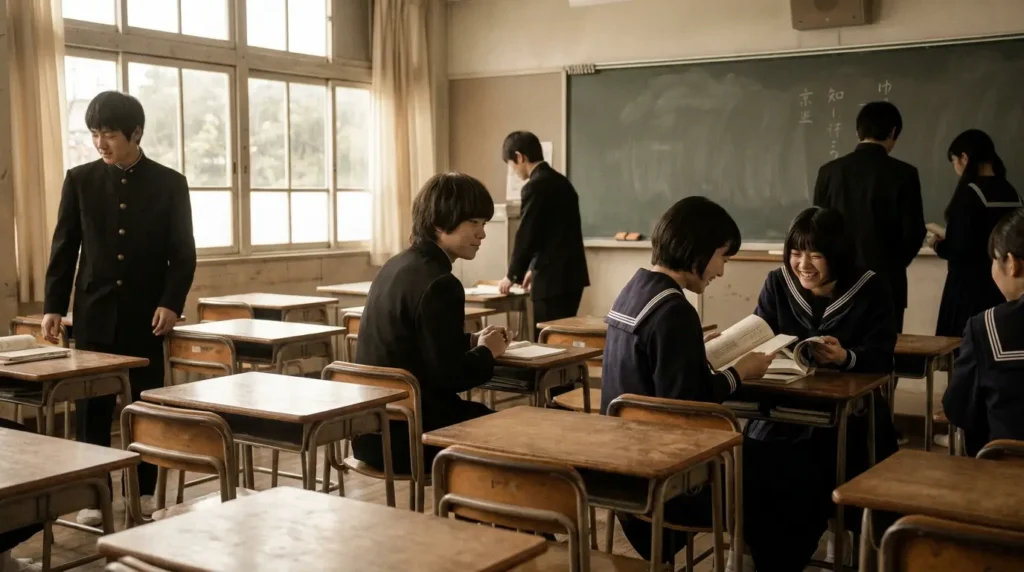
Nothing especially dramatic happened. Yet when the piano begins quietly and Paul starts to sing, the classroom and the faces of those old friends seem to return for a moment.
Music sometimes preserves people and places that had nothing directly to do with the song itself.
For me, “My Love” is not only a great song from 1973. It also brings back the atmosphere of those junior-high days.
Paul’s Unwavering Love for Linda
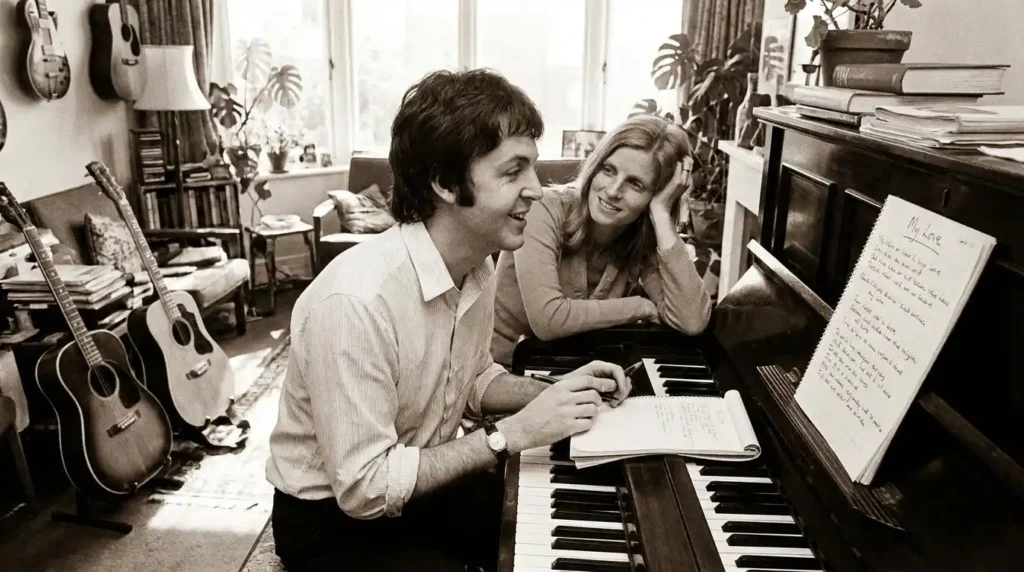
At the same time, the real starting point of “My Love” was, of course, Paul’s own love. He has recalled that he wrote it during the early years of his life with Linda, as a love song for her.
The emotion it expresses is not complicated. Even when the two are apart, his heart remains with her, and there is no doubt about what she means to him. It is a direct expression of the certainty that says, “This is the person I have in my life.”
Why Its Sweetness Never Becomes a Weakness
A song that speaks about love this directly could easily become too sentimental. But “My Love” never seems embarrassed by what it wants to say, nor does it try to qualify or excuse its emotions.
Rather than explaining love through argument or complexity, it simply expresses the certainty of believing in someone. That lack of hesitation is precisely what gives the song its strength.
The Performance That Made a Great Ballad Complete
Henry McCullough’s Guitar Solo
The element that keeps “My Love” from being merely a beautiful ballad is Henry McCullough’s guitar.
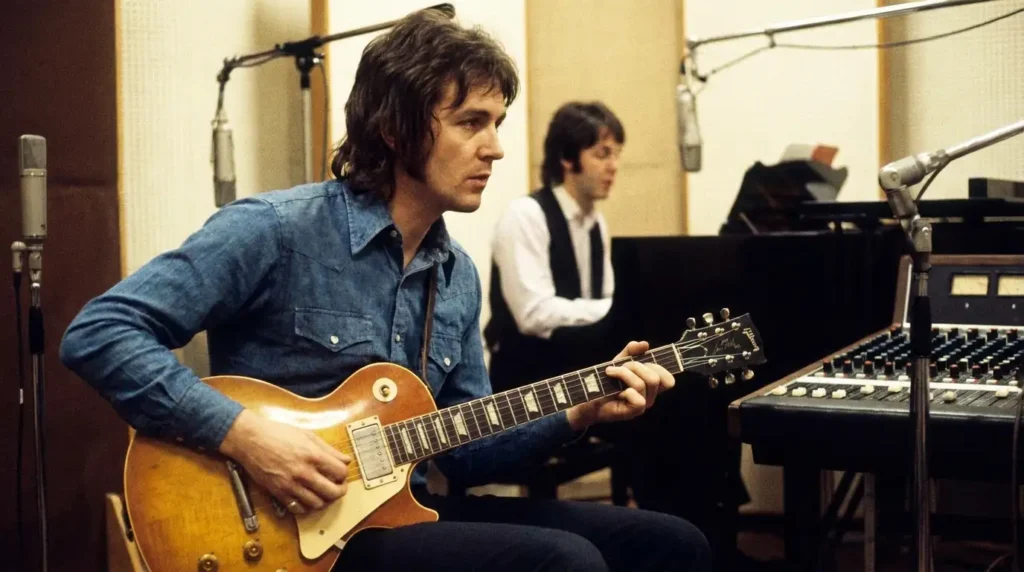
During the January 1973 session at Abbey Road Studios’ Studio Two, the band and orchestra performed together. Instead of recording the orchestral parts separately and adding them later, everyone played at the same time. A mistake could affect the entire performance, giving the session an unusual degree of tension.
Just before the take, McCullough approached Paul and asked if he could try a different guitar solo from the one he had prepared. Paul agreed.
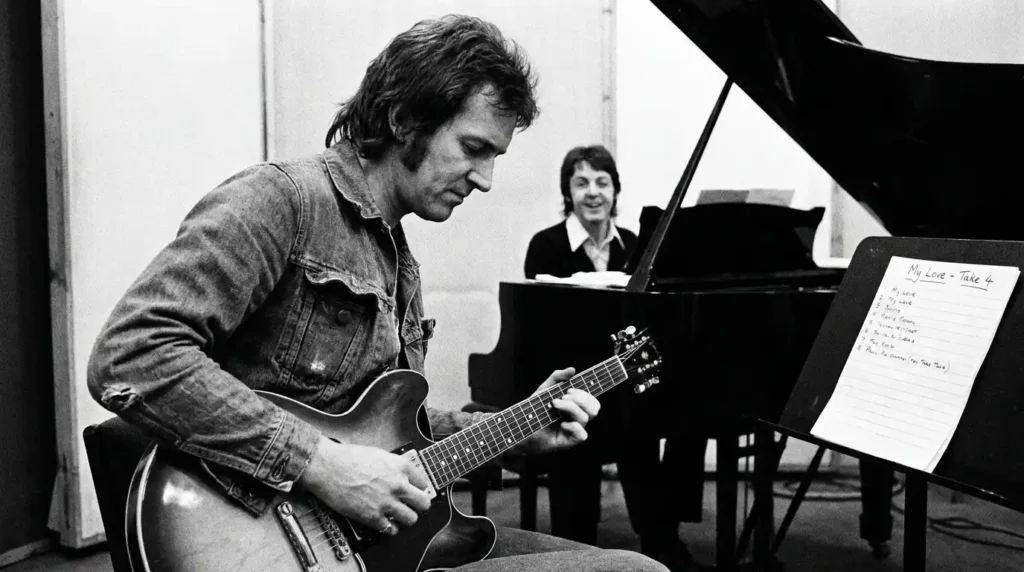
What McCullough played in that moment became the solo we know today.
Another Voice Enters the Ballad
The moment that guitar enters, the character of the song changes. It does not overwhelm the music with flashy technique. Instead, it stays close to Paul’s vocal while sounding almost like another voice beginning to speak.
The solo is brief, yet every note carries its own expression. It never disturbs the beauty of the song, but it still leaves an unmistakable presence. It is difficult to imagine “My Love” without it.
The Unplanned Idea Paul Chose to Trust
What fascinates me about this story is not simply that a famous solo was created spontaneously. The orchestra was waiting, the session was ready to begin, and yet Paul was willing to accept an unexpected suggestion at the last possible moment.
Paul’s melody was joined by a phrase McCullough conceived on the spot. The song was not completed by the composer’s design alone; a musician’s instinct supplied the final piece. That is part of what makes creating music as a band so compelling.
The 1973 Studio Recording and the 1976 Stage
Watching the two official videos included here back to back also shows how “My Love” changes between the studio and the concert stage.
- The 1973 original recording—the band and orchestra work as one, while Henry McCullough’s guitar gives the song its distinctive contour.
- The 1976 Rockshow performance—inside the enormous Kingdome, a battle-tested touring version of Wings gives the song a much larger scale.
In the 1976 performance, the guitarist is Jimmy McCulloch rather than Henry McCullough. Three years later, with a different lineup and far more experience as a live band, Wings does not simply reproduce the earlier recording. They play “My Love” as the band they had become by that point.
How “My Love” Changed Meaning with Time
The Song That Remained After Linda Was Gone
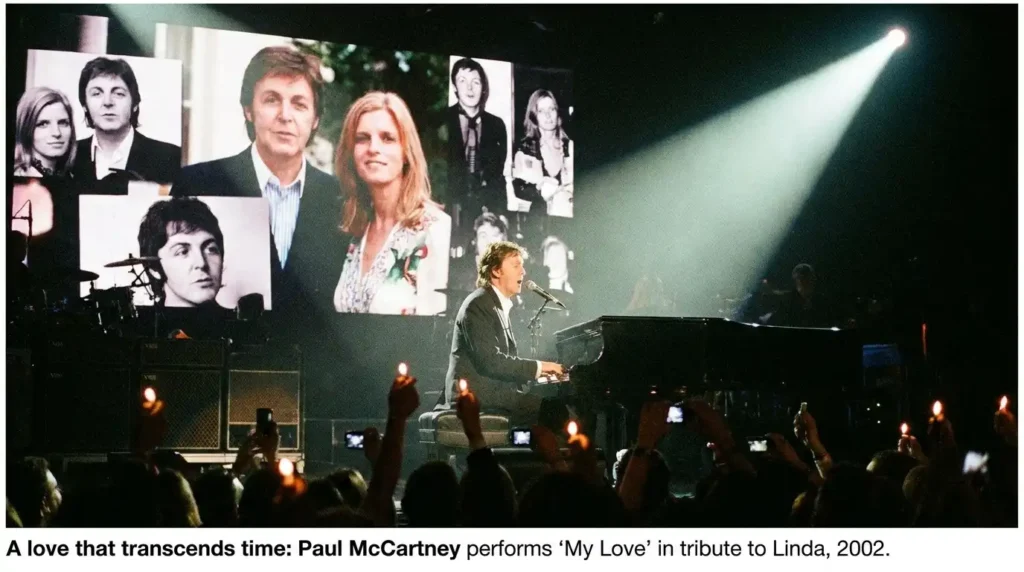
In 1973, “My Love” was a love song written by Paul to his wife Linda while their life together was still unfolding. But after Linda died in 1998, the song did not disappear from Paul’s music.
He continued performing it, including on his 2002 tour, and a live version appeared on Back in the U.S. The melody and words remained the same, but a performance heard in 1973 could no longer carry exactly the same meaning after Linda’s death.
The Song Stayed the Same, but Life Added New Meaning
What began as a young husband’s declaration of love gradually became a song that could also evoke all the years he had spent with the woman he loved.
The composition itself had not changed. Paul’s life had given it another layer of meaning.
That may be one reason “My Love” has never remained confined to 1973. It is still the beautiful love song it was when first released, but it has also come to carry the weight of the life Paul lived afterward.
And Yet I Still Loved “Junior’s Farm” More
None of this diminishes the appeal “Junior’s Farm” still has for me. The way the guitar, bass, and drums surge forward together remains one of the great rock sensations in Paul’s catalog as far as I am concerned.
So choosing No. 1 was not simply a matter of mechanically selecting the song I liked most in isolation.
There is the story of Paul and Linda. There is Henry McCullough’s remarkable performance. There is Wings’ first U.S. No. 1. And in my own life, there is the memory of Sato and Hiroe. When I considered everything that had become part of this one song, “My Love” was the one that remained at the top.
In Closing—Ending with This Grand Ballad
My Paul McCartney countdown began at No. 15. To close it, I chose not a hard-driving rock song, but this grand ballad.
The boy I was in junior high could never have imagined that more than fifty years later I would be choosing fifteen Paul McCartney songs and writing about the one I placed at No. 1. Yet a song I heard back then is still here, carrying the memory of an old friend with it.
For me, ranking music is not a matter of adding up technical skill, sales figures, or some other set of scores. It is also about when I heard a song, whose face became connected with it, and what remains inside me decades later. That is what makes this truly My Personal Best.
And if I am going to close the Paul McCartney series that began at No. 15, this is the song I want at the end. With respect for the love Paul expressed to Linda, and for the memories this song has carried through more than half a century of my own life, “My Love” is my No. 1.

音楽ファン同士の交流・リクエストはこちら / Connect & Request Songs Here