- 🎧 Listen to This Article
- Prologue: Another Musical History Beyond The Beatles
- Formative Years (1942–1960): A Musical Boyhood in Liverpool
- The Beatles Years (1960–1970): A Decade That Changed the World
- A New Beginning (1970–1971): McCartney and RAM
- The Formation of Wings (1971–1973): Beginning Again as a New Band
- Breakthrough (1973–1977): Wings Becomes a Global Band
- A Period of Transition (1978–1989): The End of Wings and a Return to Solo Work
- Reassessment and a Return to His Foundations (1989–2009)
- 2013: Fulfilling a 33-Year-Old Hope in Fukuoka
- Continuing to Create: From NEW to McCartney III
- Three Qualities That Define Paul McCartney’s Music
- Conclusion: A Musician Who Begins Again and Again
- Coming Next: My Personal Top 15 Paul McCartney Songs
🎧 Listen to This Article
You can quickly review the key points of this article through English and Japanese narration.
This is recommended for readers who want to understand Paul McCartney’s journey and the overall direction of the upcoming Top 15 before reading the full article.
🎶 English Narration
This audio introduces the article in English.
🎵 日本語ナレーション
この記事の内容を日本語で紹介する音声です。
Listening first will make it easier to understand the musical history Paul built after The Beatles and the main points of the upcoming Top 15.
Prologue: Another Musical History Beyond The Beatles
My Personal Top 15 series now turns to Paul McCartney.
When people hear the name Paul McCartney, many will immediately think of The Beatles. Paul wrote countless classics with John Lennon, sang, played bass, and also handled piano, guitar, and drums. He was one of the central figures who transformed twentieth-century popular music.
His musical life, however, did not end when The Beatles broke up.
From 1970 onward, Paul began recording largely on his own, formed Wings, and once again achieved worldwide success. He later extended his creative range into rock, ballads, electronic music, and classical composition.
“Maybe I’m Amazed,” “My Love,” “Live and Let Die,” “Band on the Run,” “Jet,” “Silly Love Songs,” “Coming Up,” “No More Lonely Nights”…
Even without including a single Beatles song, Paul has far more outstanding works than can fit into a Top 15.
This blog will eventually feature a separate Best series devoted to The Beatles. When that series begins, I will examine Paul’s Beatles years in greater detail, including his relationships with John, George, and Ringo. This article will concentrate on his solo recordings and his work with Wings as it follows his long musical journey.
Formative Years (1942–1960): A Musical Boyhood in Liverpool
A Musical Home and the Loss of His Mother
James Paul McCartney was born in Liverpool on June 18, 1942.
Alongside his regular work, his father Jim had played piano and trumpet in a jazz band when he was younger. The family had a piano at home, and music became a natural part of Paul’s daily life.
His mother, Mary, worked as a midwife, but she died of breast cancer in 1956, when Paul was fourteen. The well-known story is that words spoken by his mother in a later dream eventually helped inspire “Let It Be.”
Meeting John Lennon
In July 1957, Paul attended a church fête near Liverpool and watched the Quarrymen, led by John Lennon, perform. This happened one year before I was born.
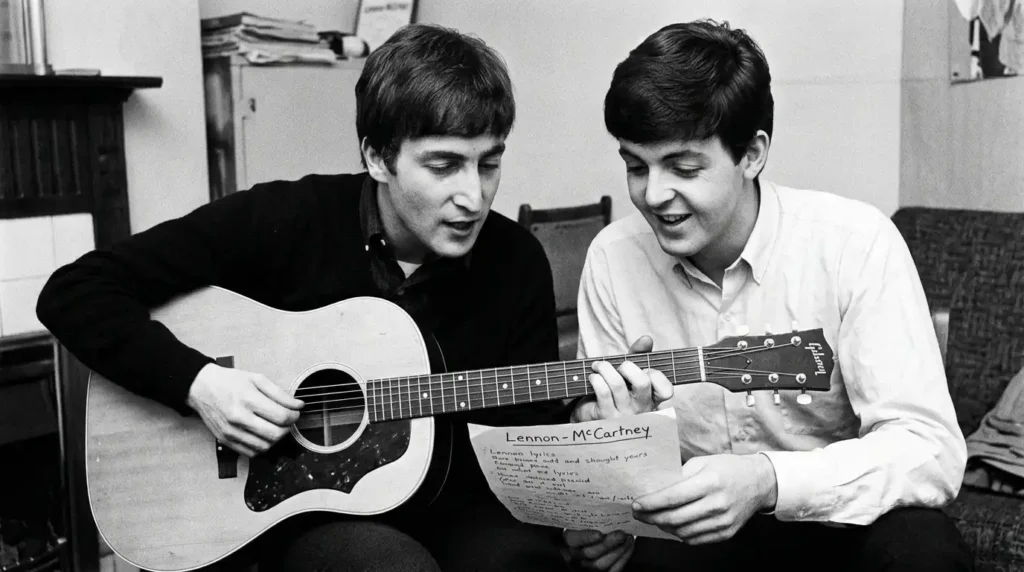
After the performance, a mutual friend introduced Paul to John. Paul picked up a guitar and played several popular songs of the time. John recognized his accurate playing and extensive musical knowledge, and Paul soon joined the Quarrymen.
This meeting marked the beginning of Lennon–McCartney, one of the most important songwriting partnerships in the history of popular music.
The Beatles Years (1960–1970): A Decade That Changed the World
Songwriter, Singer, and Bassist
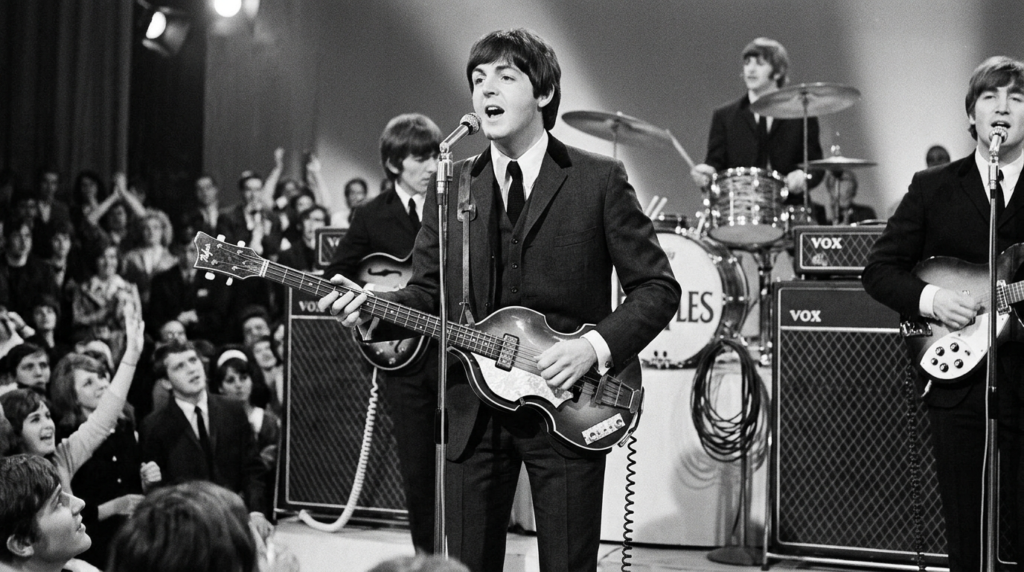
During the 1960s, Paul achieved worldwide success as a member of The Beatles alongside John, George, and Ringo.
He possessed an instinct for memorable melodies, a versatile singing voice, and a bass style that moved freely within each song. He could also play piano, guitar, and drums whenever a recording required them. During the group’s later years, he became increasingly involved in recording decisions and arrangements.
The relationships within The Beatles and the details of their individual works, however, will be examined in the future Beatles Best series.
The Loss That Followed the Breakup
By 1970, The Beatles had effectively broken up. That was also the year I entered junior high school.
Paul lost more than the biggest band in the world. He also lost the daily companionship of the musicians with whom he had written, performed, and competed since his youth. Personal conflict and legal disputes surrounding the breakup added to the strain.
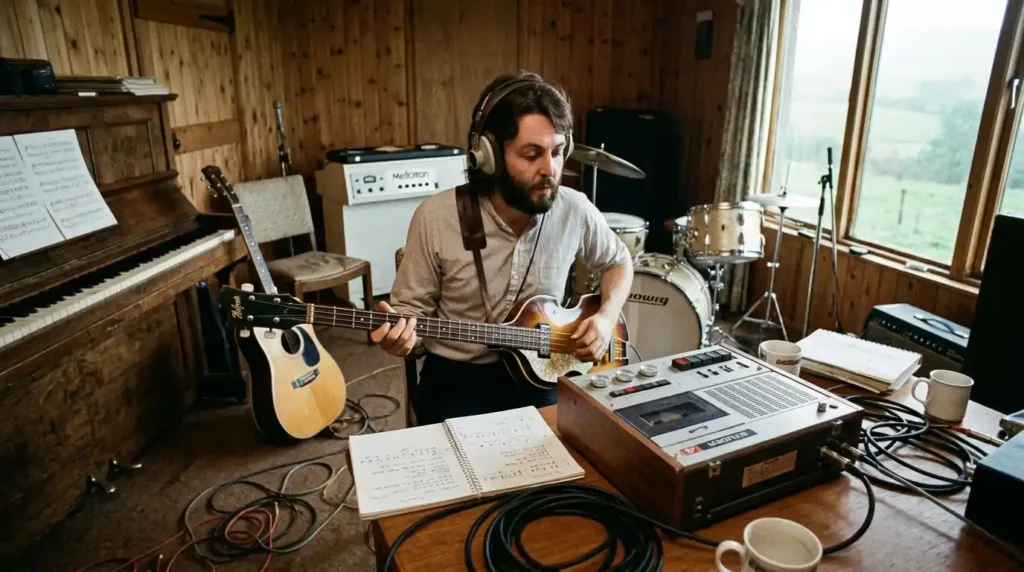
Even so, he did not abandon music. Working mainly at home, he began recording new material while playing several instruments himself.
What could he create after The Beatles?
Paul McCartney’s second chapter began with that question.
A New Beginning (1970–1971): McCartney and RAM
McCartney: A Solo Album Born from Home Recording
In 1970, Paul released his first solo album, McCartney.
He played many of the instruments himself and recorded much of the material in a domestic setting. Several tracks resemble brief musical sketches, and the album’s intimate, unpolished sound differed greatly from the carefully constructed records of The Beatles’ later years.
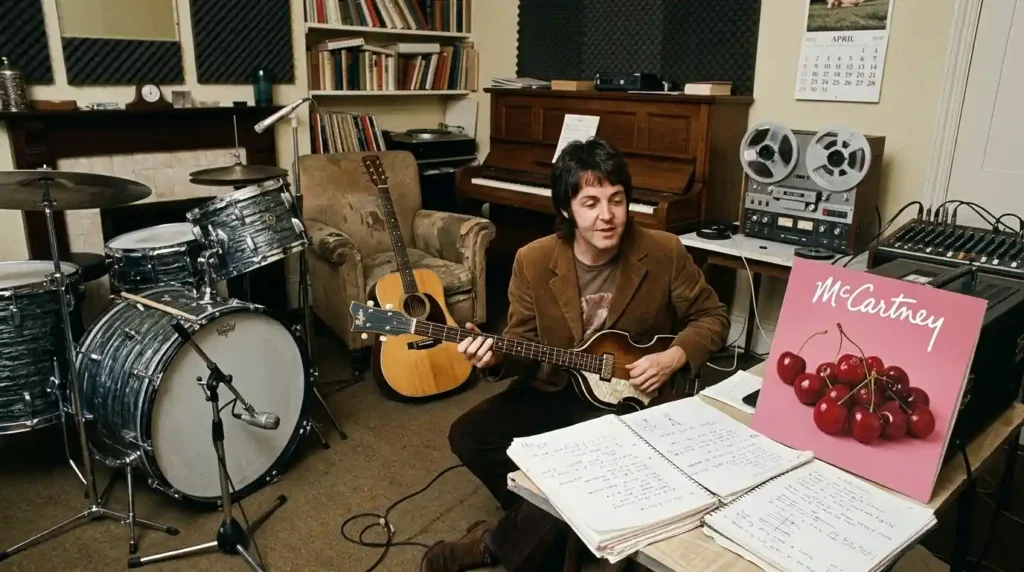
Critical reactions were harsh at the time, but “Maybe I’m Amazed” is now recognized as one of the defining songs of Paul’s solo career.
A Song for Linda
“Maybe I’m Amazed” expresses Paul’s gratitude to his wife Linda for supporting him during the difficult period surrounding the breakup of The Beatles. His powerful vocal, the piano, and the soaring guitar transform a deeply personal feeling into a universal love song.
RAM: An Album Whose Reputation Grew with Time
In 1971, Paul and Linda jointly released RAM.
Rock, folk, layered harmonies, and playful studio effects appear in rapid succession, and the musical setting can change dramatically within a single song. Reviews were divided when the album first appeared, but it is now widely reassessed as an important expression of Paul’s creative freedom.
The Formation of Wings (1971–1973): Beginning Again as a New Band
Building a New Group with His Companions
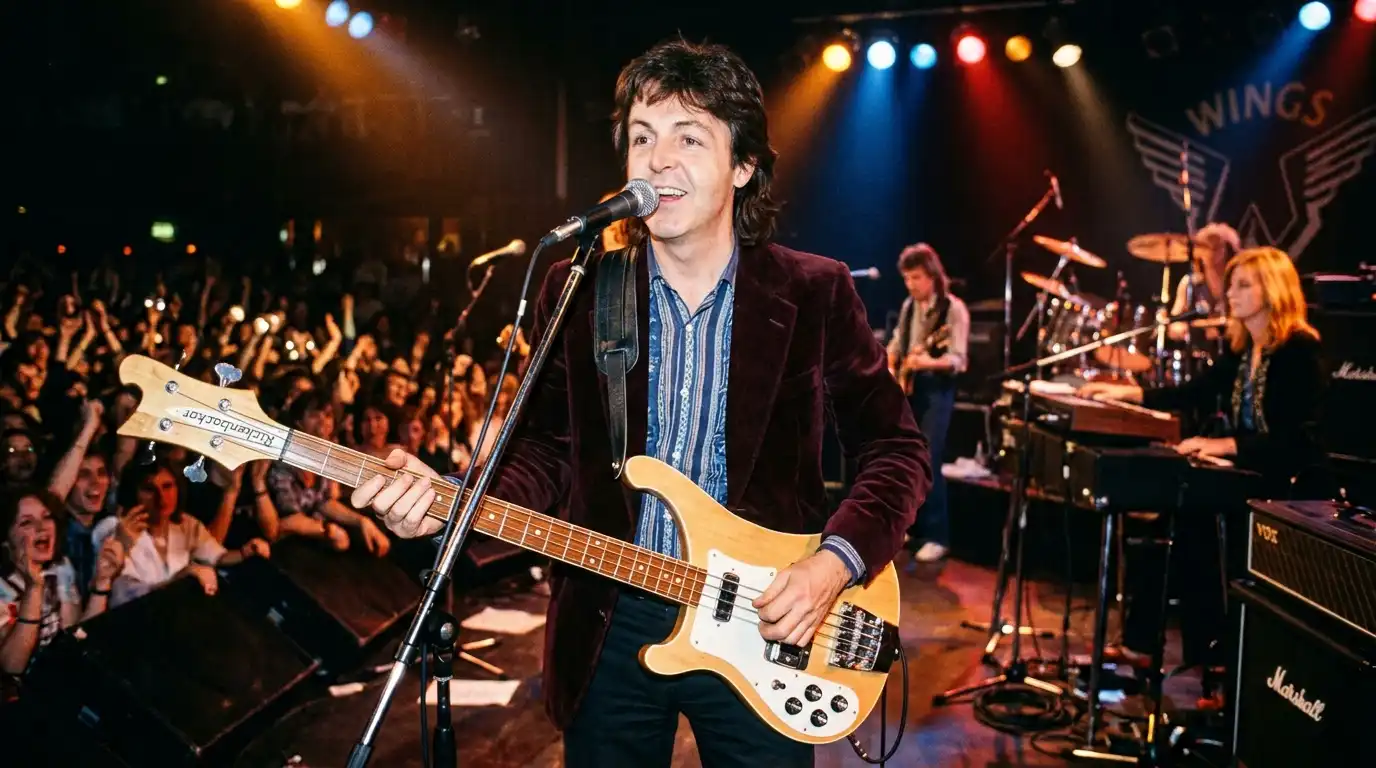
In 1971, Paul formed Wings with Linda, former Moody Blues member Denny Laine, and other musicians.
Linda had no extensive background as a professional band member, and her participation drew criticism. Paul nevertheless chose not to assemble an all-star group of famous musicians. He wanted a band whose members could develop together.
The First University Tour
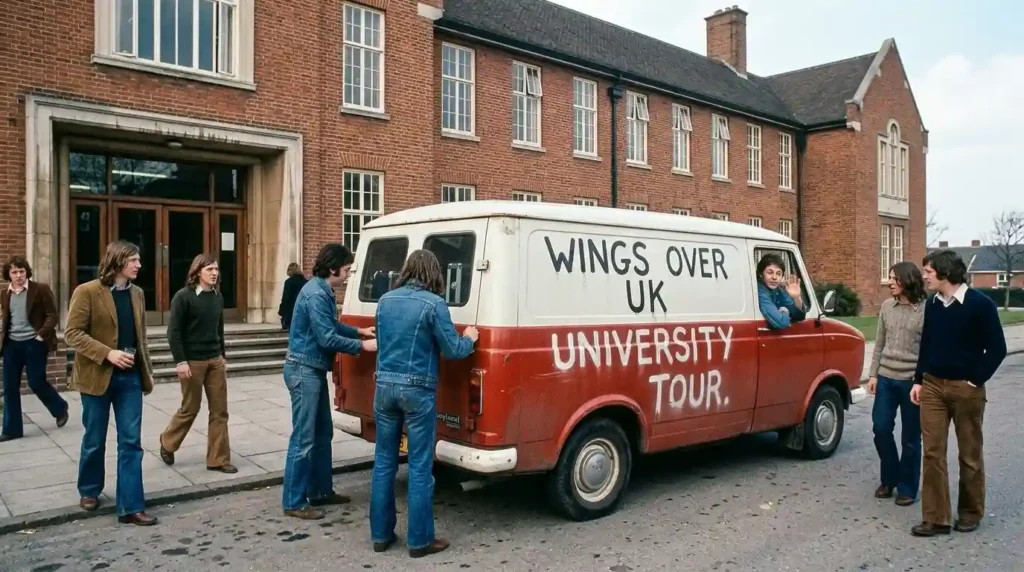
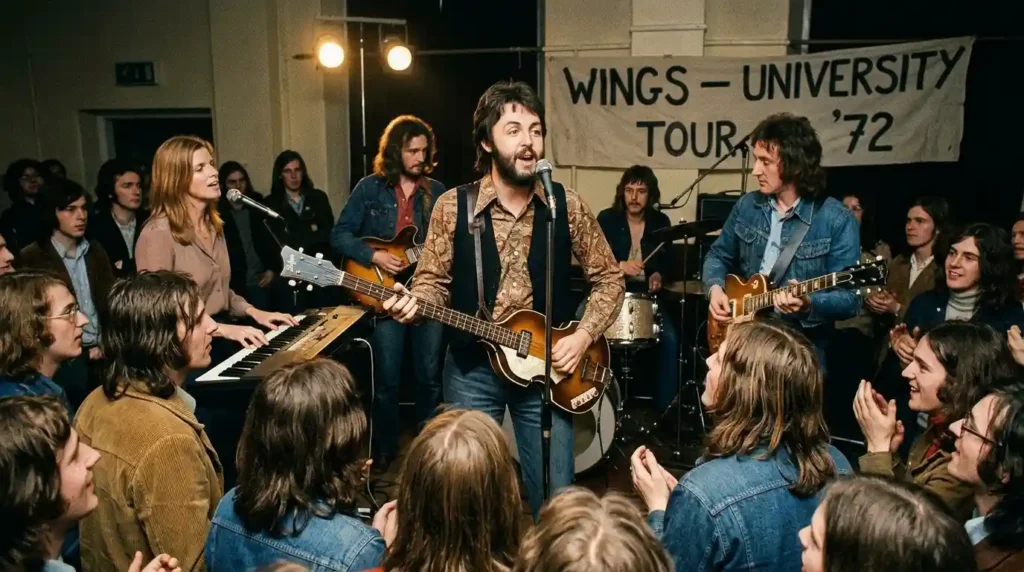
In 1972, Wings toured universities across Britain. Paul, who had once helped excite audiences around the world, was starting again in small venues with a newly formed band.
“My Love” and “Live and Let Die”
The early album Wild Life was criticized for its roughness, but “My Love,” from the 1973 album Red Rose Speedway, became a major hit and gave Wings its first number-one single in the United States.
That same year, Paul also released “Live and Let Die”, the title song for the James Bond film. Its movement from a quiet piano introduction to an explosive orchestral section demonstrates his gift for dramatic composition.
Breakthrough (1973–1977): Wings Becomes a Global Band
Band on the Run: Completed by Three Members
In 1973, shortly before recording was due to begin, guitarist Henry McCullough and drummer Denny Seiwell left Wings.
The remaining core consisted of Paul, Linda, and Denny Laine. Rather than abandon their plans, the three travelled to Lagos, Nigeria. The recording facilities, local security conditions, and Paul’s health all created difficulties, but Paul also took over the drums and completed the album.
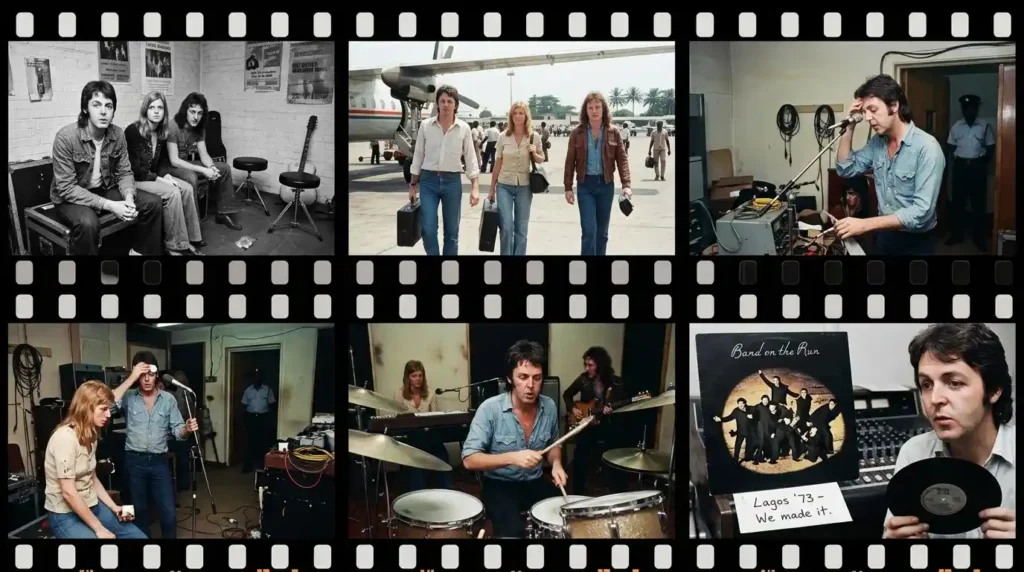
The resulting Band on the Run became one of the defining works of Paul’s post-Beatles career.
Music Moving from Confinement toward Freedom
The title track connects three contrasting musical sections and tells a story that moves from imprisonment toward freedom.
The force of “Jet,” the lightness of “Bluebird,” the heavy guitar of “Let Me Roll It,” and the rising intensity of the closing track “Nineteen Hundred and Eighty Five” make the album feel like a continuous adventure.
The Golden Years and “Mull of Kintyre”
The 1975 album Venus and Mars presented a colourful rock sound suited to large concert venues. The following year, Wings at the Speed of Sound produced major hits with “Let ’Em In” and “Silly Love Songs.”
“Silly Love Songs” answered criticism that Paul wrote too many love songs by offering a bright and meticulously constructed pop record. A successful world tour further established Wings as one of the defining groups of the 1970s.
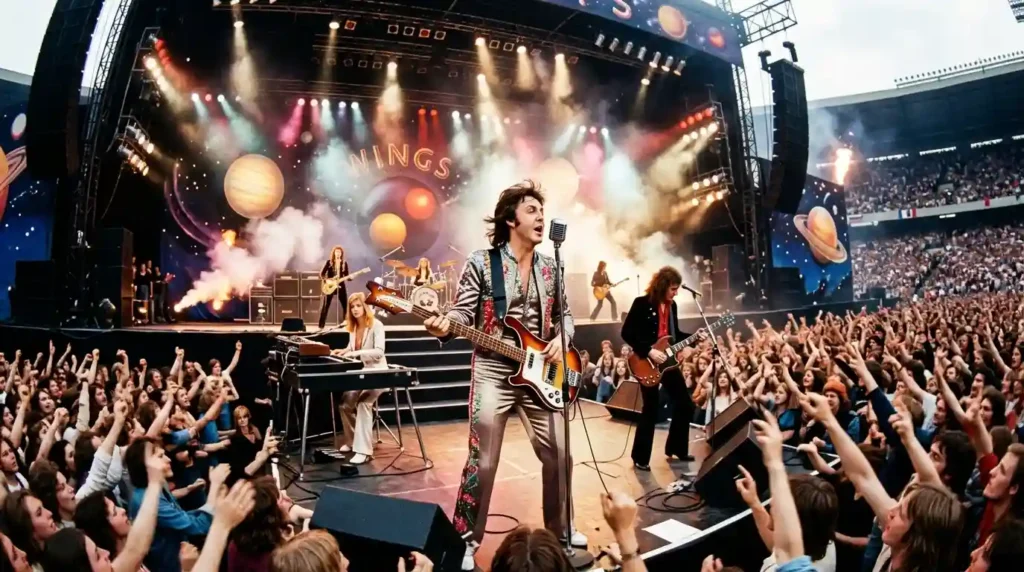
Released in 1977, “Mull of Kintyre” expressed affection for the Scottish landscape and its sense of place. Paul could create both large-scale rock and a song with the accessibility of traditional folk music. That contrast reveals the breadth of his musical character.
A Period of Transition (1978–1989): The End of Wings and a Return to Solo Work
The Final Albums and the Search for Change
The 1978 album London Town combined folk-influenced textures with synthesizers. On Back to the Egg in 1979, Wings moved toward harder rock and elements of new wave. Continued personnel changes, however, gradually weakened the group’s stability.
1980: The Budokan Concert I Never Saw
In January 1980, Paul arrived in Japan for a series of Wings concerts.
Customs officials at Narita Airport discovered cannabis in his luggage, and Paul was arrested. Every concert on the planned Japanese tour was cancelled.
I had purchased a ticket for one of the concerts at the Nippon Budokan in Tokyo while I was a university student. I had expected to see Paul with my own eyes for the first time, so the cancellation was a tremendous disappointment.
Wings subsequently ceased working as a band and disbanded in 1981. That was also the year I began my working life.
From McCartney II to Tug of War
In 1980, Paul released McCartney II, an album he made largely by himself. “Coming Up,” with its bold synthesizers and electronic rhythms, pointed in a direction far removed from a conventional band sound.
John Lennon was murdered in December of that year. Paul’s grief later found expression in “Here Today,” included on the 1982 album Tug of War.
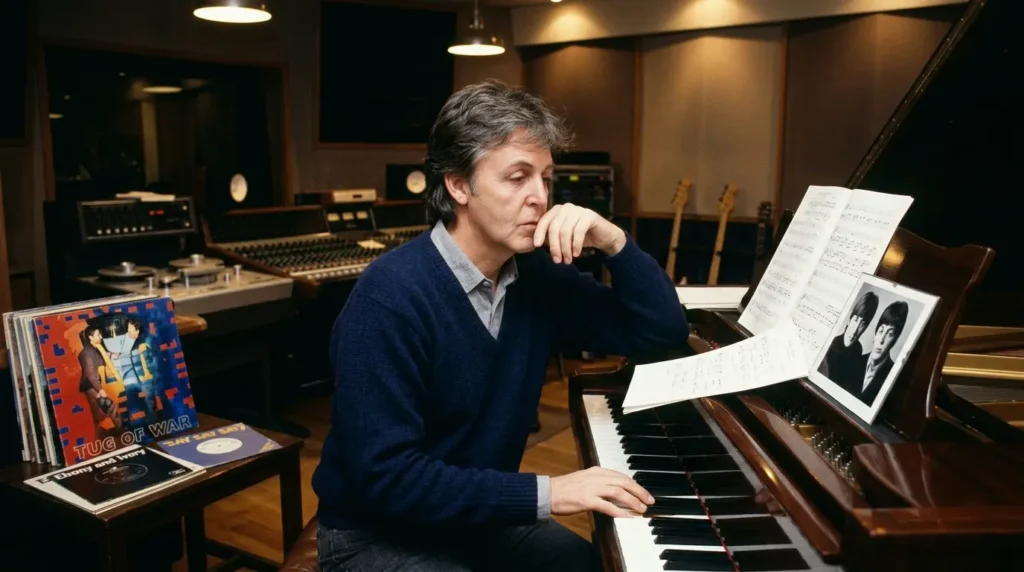
During the 1980s, Paul also collaborated across generations, recording “Ebony and Ivory” with Stevie Wonder and “Say Say Say” with Michael Jackson. “No More Lonely Nights” remains one of his defining ballads from this period.
Reassessment and a Return to His Foundations (1989–2009)
Accepting the Past as His Own History
On the 1989 album Flowers in the Dirt, Paul’s songwriting partnership with Elvis Costello produced songs including “My Brave Face.”
On the world tour that began that year, he once again performed a substantial selection of Beatles songs. Paul began presenting The Beatles, Wings, and his solo career together onstage as parts of one continuous musical history.
Flaming Pie and the Loss of Linda
The 1997 album Flaming Pie emphasized the core qualities of Paul’s songwriting and musicianship. The following year, Linda died of breast cancer.
Linda was not only Paul’s partner in life. She had supported him after the breakup of The Beatles and had helped him begin Wings as a fellow musician.
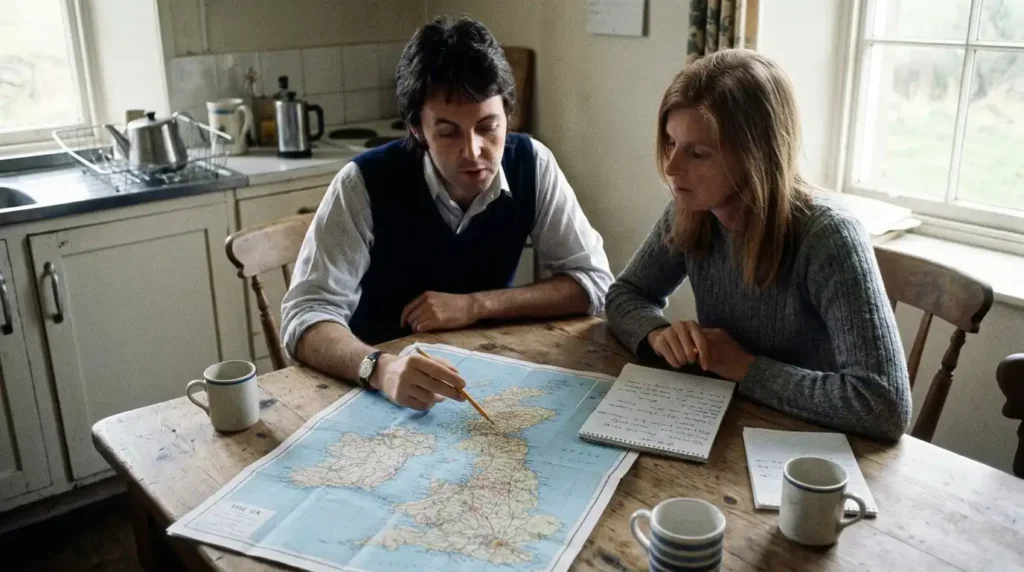
On the 2005 album Chaos and Creation in the Backyard, Paul once again played many of the instruments himself. He also explored electronic music as the Fireman and composed works in forms including oratorio and ballet.
2013: Fulfilling a 33-Year-Old Hope in Fukuoka
Paul on Stage at the Age of 71
On Friday, November 15, 2013, I attended Paul’s concert at Fukuoka Yafuoku! Dome, now known as Mizuho PayPay Dome Fukuoka.
Paul was 71 years old at the time, but his performance rarely made me conscious of his age. He sang songs from The Beatles, Wings, and his solo career while moving between bass, guitar, and piano throughout the concert.
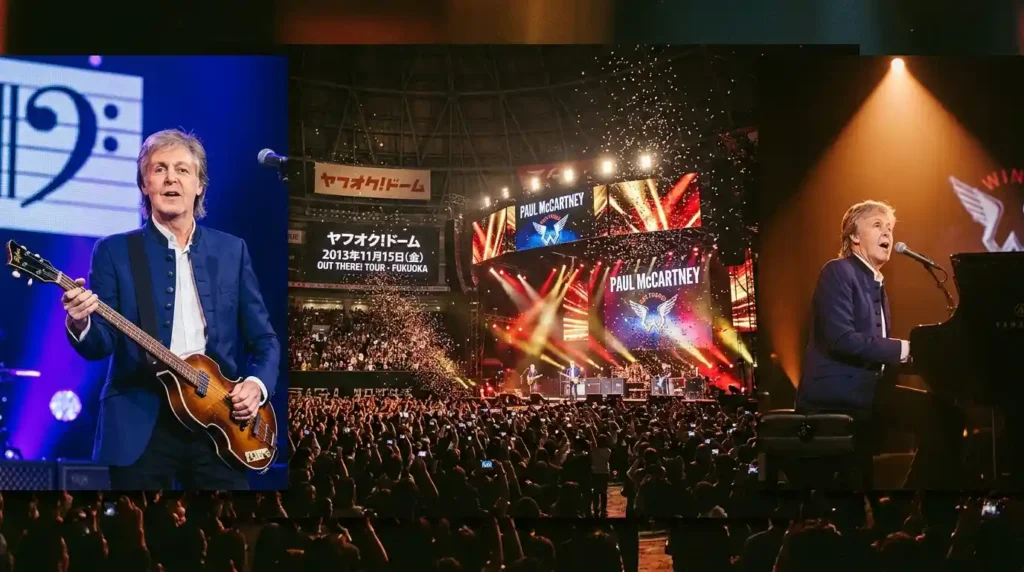
The songs I had listened to for so many years on records and CDs were now filling an enormous venue through Paul’s own performance. The sight and sound moved me deeply.
A Story That Had Continued since My University Years
In 1980, I had held a ticket for the Budokan concert but had been unable to see Paul. Thirty-three years later, he was finally standing on the stage in front of me.
More than thirty years after the disappointment of my university days, I had finally fulfilled that hope. To me, it felt like completing a long-awaited comeback.
I still remember the emotion of that night vividly.
Continuing to Create: From NEW to McCartney III
A New Sound Created with a Younger Generation
For the 2013 album NEW, Paul worked with several younger producers and incorporated contemporary production techniques.
In 2018, Egypt Station reached number one on the United States album chart. Nearly half a century after the breakup of The Beatles, Paul was still achieving major results with newly recorded music.
A Third Album Recorded Largely Alone
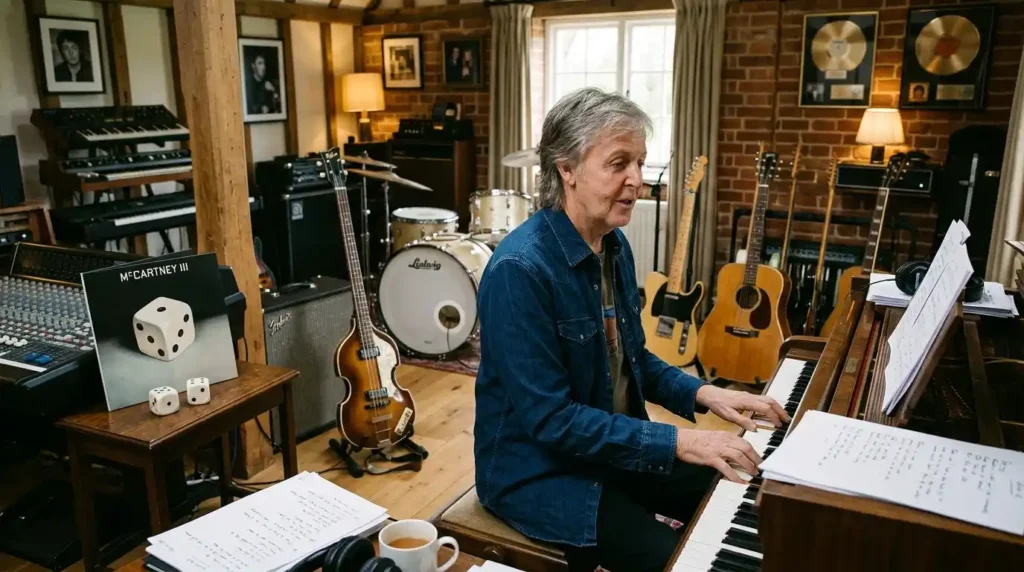
On McCartney III, created in 2020, Paul once again played many of the instruments himself, as he had done on McCartney in 1970 and McCartney II in 1980.
Rather than recreating his earlier sound, he combined raw rock, short musical pieces, and delicate ballads, demonstrating that his creative drive remained intact as he approached the age of eighty.
Three Qualities That Define Paul McCartney’s Music
Melodies That Remain in the Memory
Paul’s greatest strength is his ability to create melodies that listeners can remember after hearing them only once. Clear melodic ideas can be found not only in the main vocal line, but also in brief phrases, choruses, and bass movement.
A Bass That Moves Like a Singing Voice
Paul’s bass does more than support the rhythm. It often follows a melodic path separate from the vocal and moves the entire song forward.
Tender Ballads and Unrestrained Rock
His work extends far beyond beautiful ballads. His catalogue also includes forceful rock vocals, folk, funk, disco, and electronic music.
The craftsman who creates immediately accessible melodies and the experimenter who searches for unexpected sounds both exist within the same musician.
Conclusion: A Musician Who Begins Again and Again
Looking back across Paul McCartney’s history reveals a musician who has repeatedly found ways to begin again.
After The Beatles broke up, he created McCartney largely by himself and then formed Wings. When Wings ended, he returned to solo work, collaborated with musicians from other generations, and explored electronic and classical music.
Paul’s strength does not lie in achieving the same degree of success every time. It lies in his refusal to stop creating, even when an album divides opinion or an experiment leads him into unfamiliar territory.
Because his journey continued, I was able to move beyond the disappointment of 1980 and finally see Paul perform in Fukuoka in 2013.
Coming Next: My Personal Top 15 Paul McCartney Songs
This ranking will consider Paul’s solo recordings from 1970 onward together with songs released by Wings. Songs from his Beatles years will not be included.
The selection will cover his early solo recordings, the uncertain beginnings of Wings, the golden period that followed Band on the Run, his experiments during the 1980s, and the work of his later years.
Will “Maybe I’m Amazed” appear in the ranking, and if so, where will it place? How many songs from Band on the Run will be selected? Where will “My Love,” “Live and Let Die,” “Jet,” “Silly Love Songs,” and “No More Lonely Nights” appear?
Even without using a single Beatles song, fifteen places are not enough.
With the emotion of Paul’s 2013 Fukuoka concert still in my memory, I now begin My Personal Top 15 Paul McCartney Songs.
音楽ファン同士の交流・リクエストはこちら / Connect & Request Songs Here