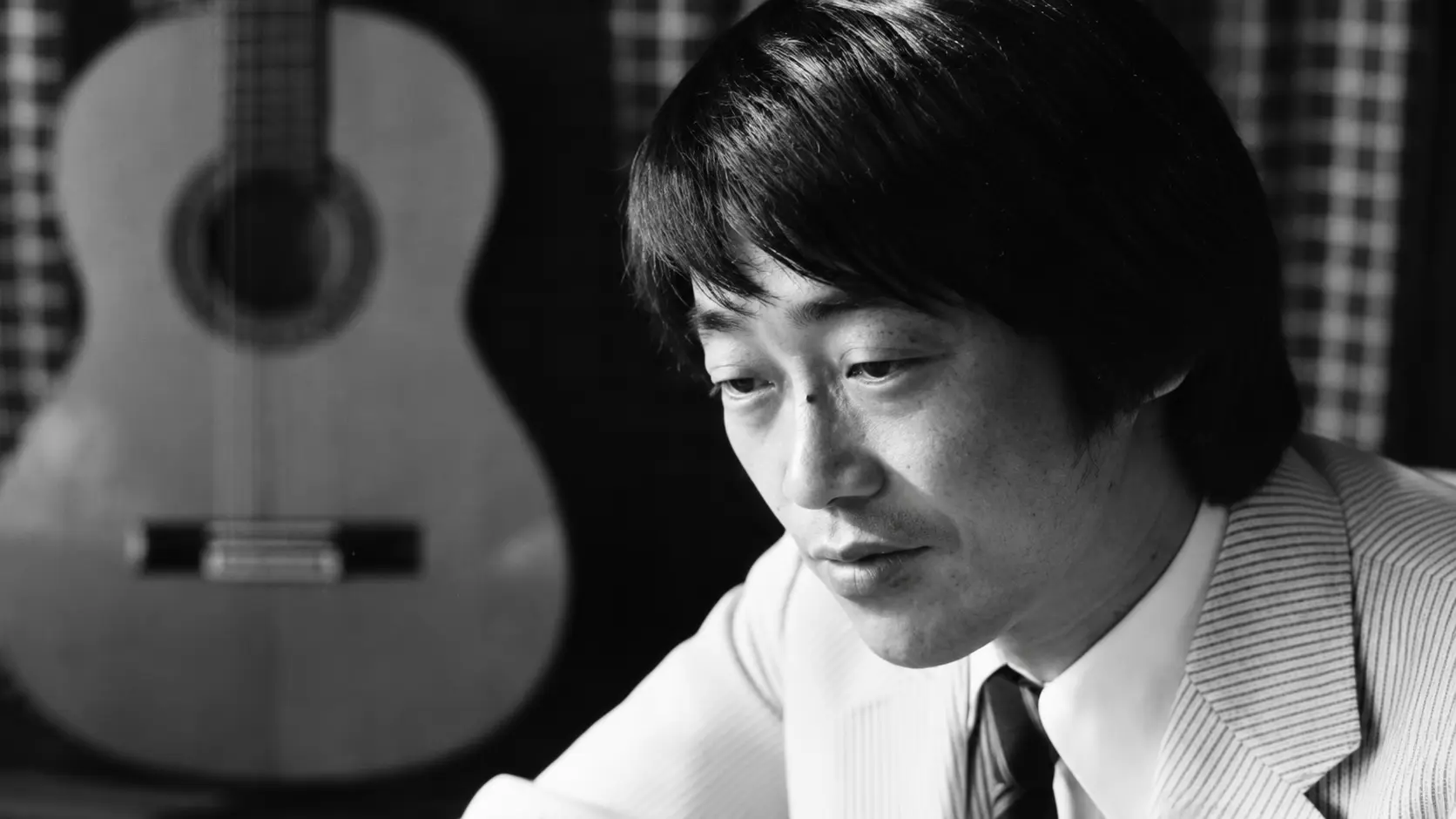
Read about the life and career of Koichi Morita here!
- 🎧 Listen to This Article
- No. 4 is “Ningen wa Hitori no Ho ga Ii” (People Are Better Off Alone).
- First, listen to Koichi Morita & Top Gallants perform “Ningen wa Hitori no Ho ga Ii.”
- Is “Better Off Alone” Really the Answer?
- A City Where There Is Not Even a Place to Grieve
- The Distance Created by Addressing Someone as “You”
- Koichi Morita’s Melody Keeps the Song from Becoming Too Tragic
- Another Side of the Group Before “Seishun Jidai”
- In Closing
🎧 Listen to This Article
Get a quick overview of the article through narration.
Listen before reading to get a feel for “Ningen wa Hitori no Ho ga Ii” and the main ideas explored in this article.
🎶 English Narration
Listen to an English narration introducing the main points of this article.
🎵 Japanese Narration
Listen to a Japanese narration introducing the main points of this article.
Listening first will help you get a better sense of the world of “Ningen wa Hitori no Ho ga Ii” and the key ideas explored in the article.
No. 4 is “Ningen wa Hitori no Ho ga Ii” (People Are Better Off Alone).
“Ningen wa Hitori no Ho ga Ii” was written by Aku Yu, composed by Koichi Morita, and released by Koichi Morita & Top Gallants on March 21, 1976.
The previous year had brought “Geshukuya” (The Boarding House), and in August 1976 came “Seishun Jidai” (The Days of Youth), which would become one of the group’s signature songs. “Ningen wa Hitori no Ho ga Ii” appeared between those two works.
What strikes me first is the title itself: “People Are Better Off Alone.” It is an unusually strong statement, almost as if it rejects human relationships altogether.
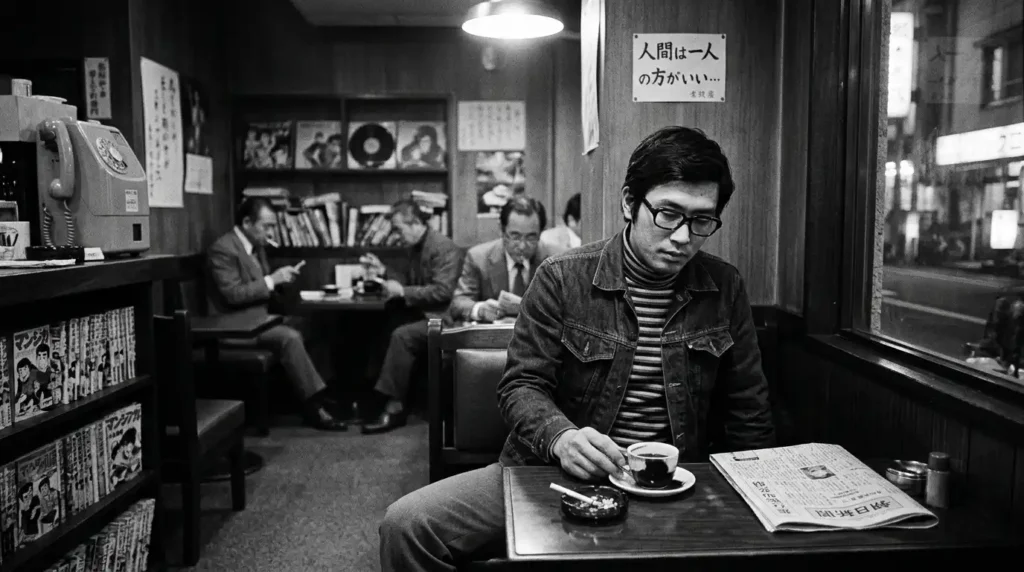
But once you actually listen to the song, that impression begins to change.
The person at the heart of the song is not someone who enjoys being alone. This is someone who has loved another person, lost them, and is now left with a grief that has nowhere to go. The certainty of the title—“People Are Better Off Alone”—does not quite match the emotions portrayed in the song. That contradiction is the first thing that draws me to it.
My Free Interpretation
If you love someone, you will come to know the sorrow of losing them.
If you become deeply involved with another person, you may end up hurting them too.
If that is the pain that comes with love, perhaps it is better to be alone from the start.
For now, I simply want to remain inside this sadness, undisturbed by anyone.
💡 You might also like: View the original Japanese lyrics (External site)
If the lyrics are available only in Japanese, you can use your browser’s translation feature or an AI translation tool to understand their general meaning.
First, listen to Koichi Morita & Top Gallants perform “Ningen wa Hitori no Ho ga Ii.”
(This is not an official video. Click the image below to listen.)
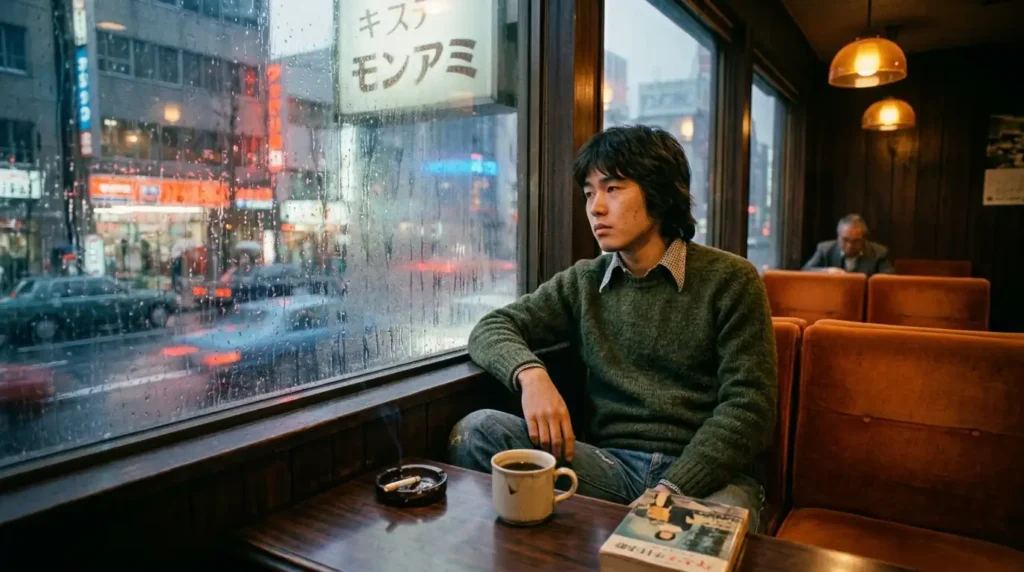
Credits
Koichi Morita & Top Gallants — “Ningen wa Hitori no Ho ga Ii”
Lyrics: Aku Yu / Music: Koichi Morita / 1976
In Two Lines
A song about the pain of loss that comes with love, and the pain of hurting someone else.
Behind the forceful words “People Are Better Off Alone” lie emotions that refuse to fit into any simple conclusion.
Is “Better Off Alone” Really the Answer?
Judging by the title alone, the song might seem to advocate cutting oneself off from others and choosing a life of solitude.
But the person in the song has not lived without human connection. This is someone who has loved, suffered after that love, and been left with loneliness after losing the person they cared about.
In other words, this person did not actively choose solitude. They came to know loneliness because someone was no longer there.
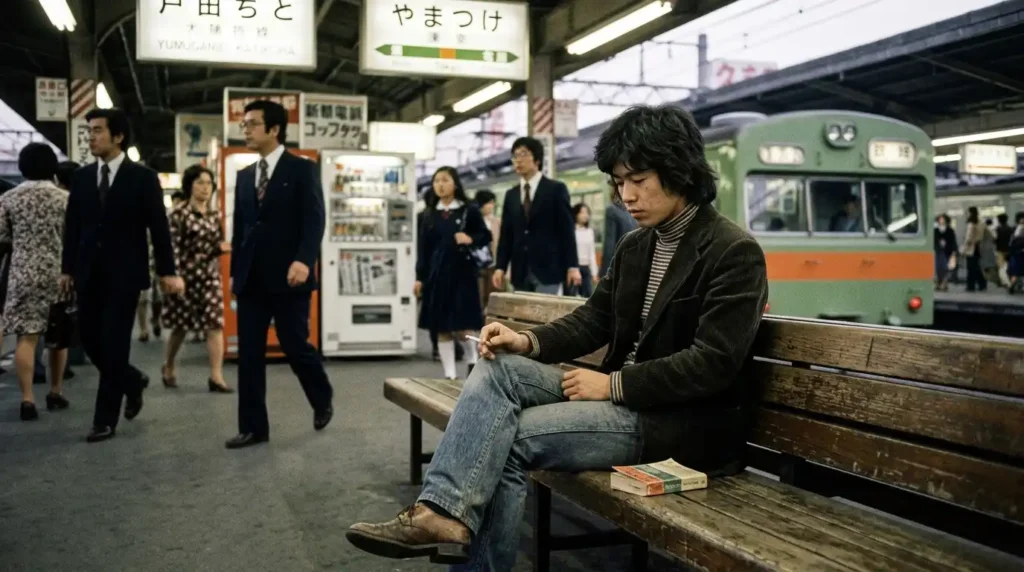
If You Never Love, You Never Get Hurt
The logic of the song is clear. If you never love someone, you never have to know the sorrow of losing them. If you never become deeply involved, you never have to suffer the pain of separation.
But if life could really be settled so neatly, there would be no need to repeat “better off alone” with such urgency. To me, these words do not sound like the conclusion of someone who has calmly figured out life. They sound more like the bravado of someone trying to convince themselves after being hurt.
Then I simply won’t love again. I will be alone from the beginning. If you can believe that, perhaps you can avoid experiencing the same pain again. But telling yourself so does not make your feelings for the person you lost disappear.
It Is Not Only About Being Betrayed
There is another perspective in this song that should not be overlooked: the possibility that you yourself may become the one who hurts someone else.
Many songs about heartbreak focus on the person who was abandoned or wounded. But when two people become deeply involved, you may also be the one who betrays the other person and causes them pain.
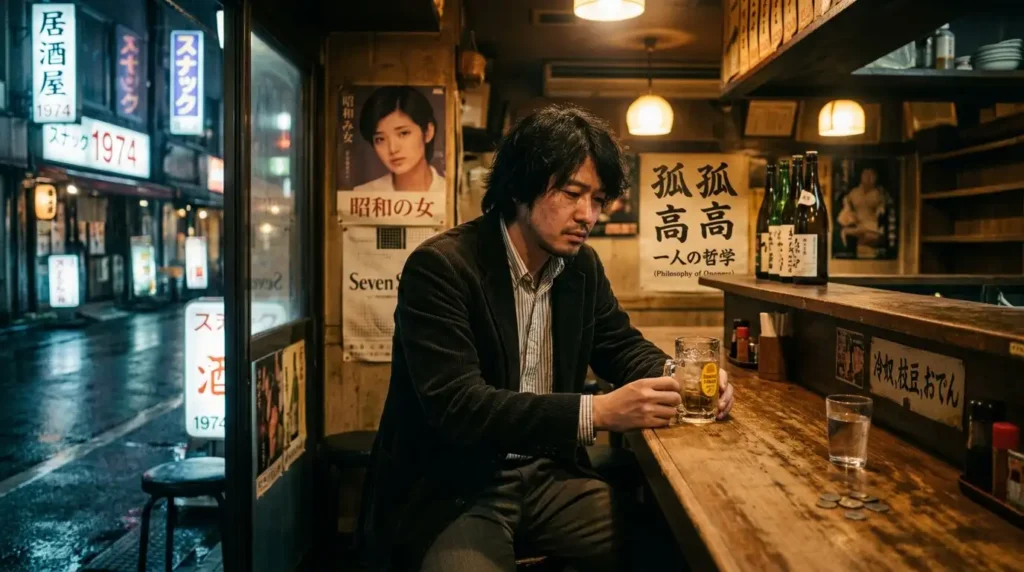
Love is not a relationship in which you simply receive happiness. Another person’s feelings are involved, and the choices you make can sometimes cause that person pain.
Losing someone hurts. Hurting someone hurts too. If that is the case, perhaps it would be better never to love at all. Both kinds of pain flow into the title’s extreme conclusion.
A City Where There Is Not Even a Place to Grieve
The song gives an important role not only to the person’s emotions, but also to the city surrounding them.
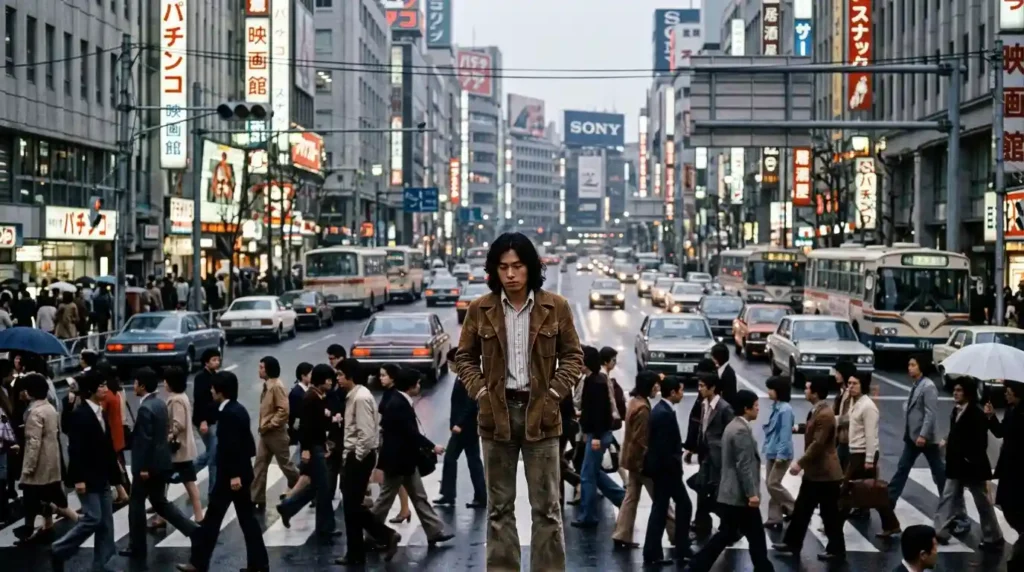
The city is too vast to find a place to hide and too noisy to sink quietly into thought. No matter how deeply the person is suffering, the city keeps moving at its usual pace.
Being surrounded by people does not necessarily make loneliness disappear. On the contrary, watching everyone else go about their ordinary lives can make you feel as though you alone have been left behind.
The city is not rejecting the person. It simply does nothing for them. Something enormous may have happened in your own life, yet the world continues as though nothing has changed. That reality makes the loneliness even sharper.
Even the River Will Not Turn Toward You
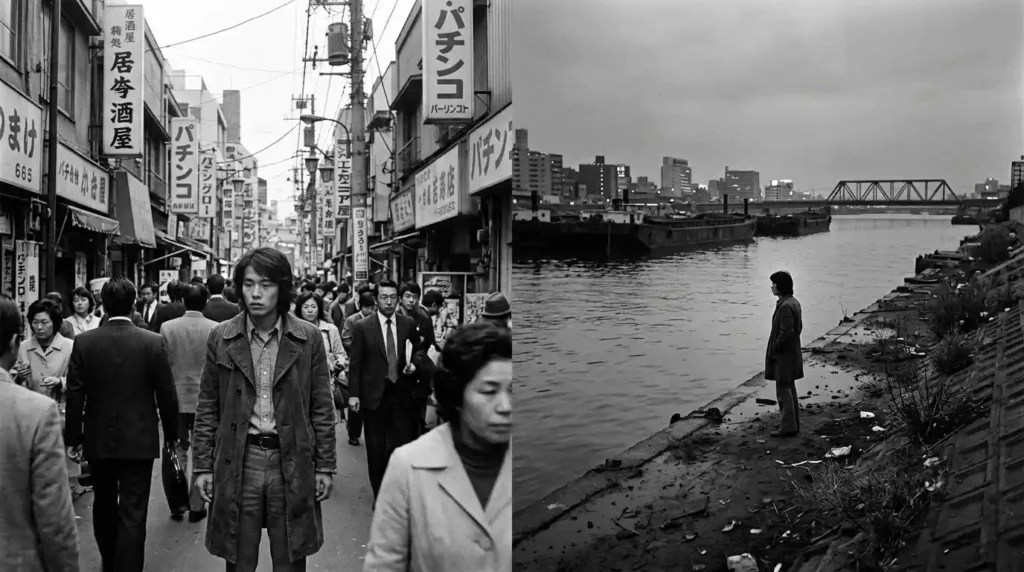
Later, the scenery shifts from the city to a river. But the river offers no comfort either. This is not a sentimental scene in which tears are reflected on a beautiful surface. It is a river that seems incapable of receiving the feelings of someone who has been hurt.
The city is too vast, and the river too polluted. These are not merely background settings. They exist as an outside world that remains indifferent to human sorrow.
The city and the river also play slightly different roles. The city is full of people, yet there is nowhere to hide. The river may offer quiet, but it offers no consolation. Being among people does not help, and being alone does not save you either. Together, these two landscapes reveal just how completely the person has lost any sense of where to go.
The Distance Created by Addressing Someone as “You”
Another fascinating aspect of the song is the way it tells its story. The central figure does not confess their heartbreak in the first person. Instead, the narrator looks at a suffering “you.”
As a result, the listener is not thrown directly into the middle of the emotion. We stand with the narrator at a slight distance, watching another human being endure their sorrow.
The Kindness of Not Trying to Cheer Someone Up
When we see someone suffering, it is natural to want to say, “Cheer up” or “Someday you’ll forget.” But this song offers no easy answer.
It does not try to force the grieving person back onto their feet. Instead, it simply looks at them as they are—unable, for now, to move beyond their sorrow.
There are times when even encouragement can feel like a burden. I sense a certain maturity in the lyrics precisely because they do not try to push this person toward a brighter state of mind.
Wanting to be alone is not the same as wanting to live alone. Perhaps what this person wants is not solitude itself, but simply the time to face their grief without anyone disturbing them.
Koichi Morita’s Melody Keeps the Song from Becoming Too Tragic
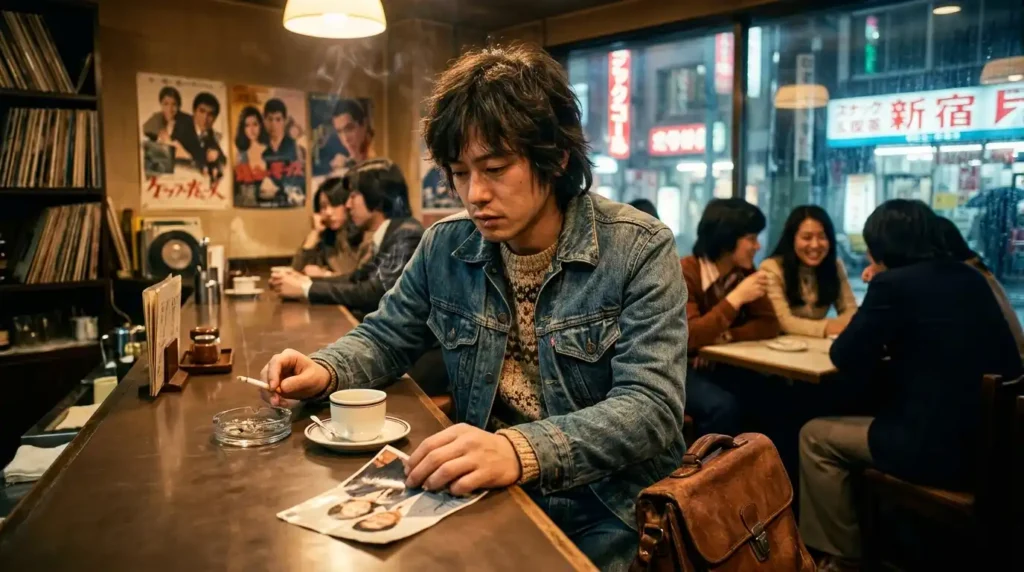
If you follow the lyrics alone, the subject matter is quite heavy. Someone has lost the person they loved, can find comfort neither in the city nor by the river, and has reached the point of thinking it would be better never to love again.
Yet the song as a whole never sinks into excessive darkness. I think much of that comes from Koichi Morita’s melody. Rather than magnifying the emotion, the music carries the words forward in a steady flow. The result never feels as though tragedy is being forced upon the listener.
If the melody itself had wept dramatically, the song might have become a much more direct heartbreak ballad. Instead, Morita does not pile excessive emotion onto Aku Yu’s already powerful words.
While the lyrics move toward the extreme conclusion that it is better not to love, the music itself continues in a relatively restrained manner. To me, that difference in emotional temperature is extremely effective.
The More It Is Repeated, the Less Certain It Sounds
The words of the title return again and again throughout the song. Heard only once, they might sound like a firm decision made immediately after being hurt. But with each repetition, that certainty begins to sound slightly different.
Does this person truly believe it? Or do they need to believe it simply to hold themselves together? The words are forceful, yet the more often they are repeated, the less certain they begin to sound.
Morita’s melody and vocal delivery never destroy that delicate uncertainty. Because the song does not dictate a single emotional answer, it gives the listener room to think.

Another Side of the Group Before “Seishun Jidai”
The timing of this song within 1976 is also interesting. “Seishun Jidai” was released on August 21 of that year, and in 1977 it became a major hit, spending four consecutive weeks at No. 1 on the Oricon weekly singles chart.
“Seishun Jidai” has an approachable quality as it looks back on the uncertainties and passing days of youth. “Ningen wa Hitori no Ho ga Ii,” by contrast, explores the pain that can come from loving someone from a much more inward perspective.
Even with the same combination of Aku Yu and Koichi Morita, the two songs have very different characters. This song reveals another side of Koichi Morita & Top Gallants that can easily be overlooked if we know them only through their signature hits.
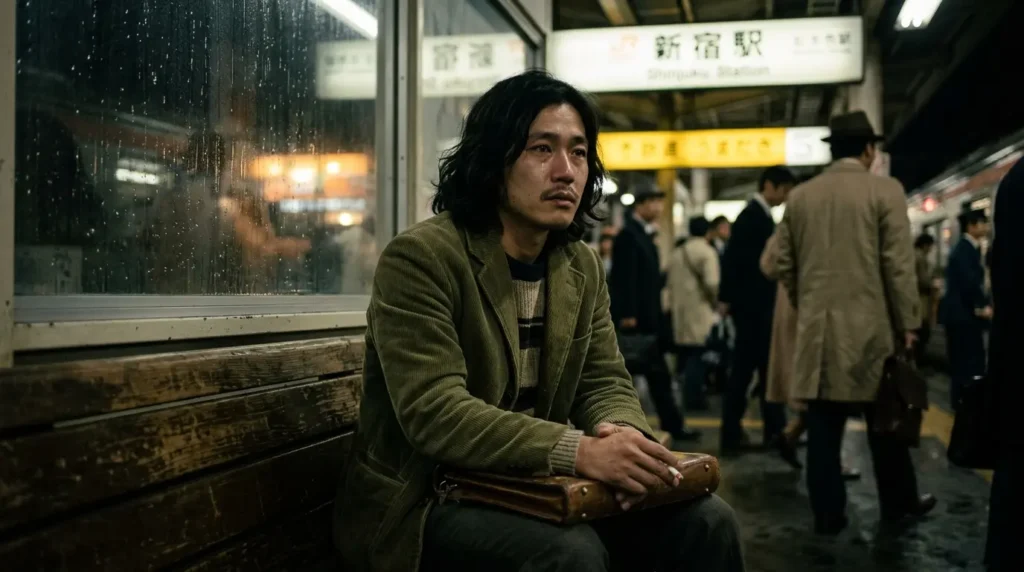
The More You Listen, the More the Title Changes
This is not a song that wins you over with immediate brilliance. Instead, the more you listen, the more the title “People Are Better Off Alone” begins to sound different from the way it did at first.
At first, it sounds like a forceful rejection of human relationships. But after hearing the city and the river, the narrator’s address to “you,” and Morita’s restrained music, you begin to sense the vulnerability hidden behind that certainty.
The title is remarkably simple, but the human being revealed behind it is anything but simple. The second or third listen reveals more than the first. That, to me, is one of the great attractions of “Ningen wa Hitori no Ho ga Ii.”
In Closing
I do not think Aku Yu was writing only about the sadness of someone whose love has ended. When we become deeply involved with another person, we may lose them, and we may also become the one who causes them pain. “People Are Better Off Alone” can be heard as the conclusion someone reaches when trying to escape that difficult reality.
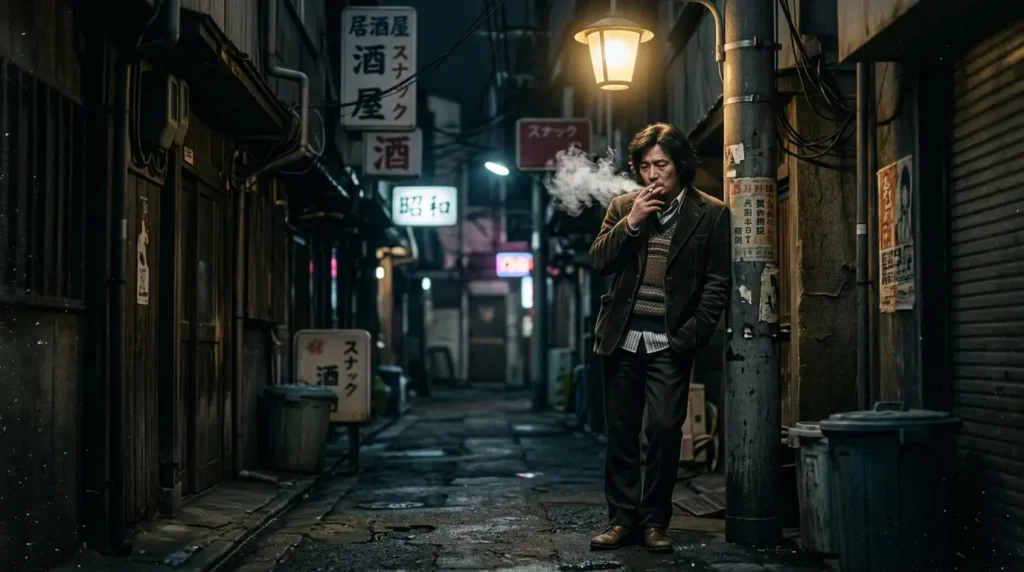
Morita, meanwhile, does not turn those heavy words into an exaggerated tragedy. He carries them with a restrained melody and vocal performance.
That is why I do not hear this song as an argument that people should live alone. Rather, because human connections are not so easily abandoned, pain can sometimes make us say the exact opposite of what lies deepest within us.
The song says, “People are better off alone,” yet behind those words we can still sense the presence of someone who mattered. To me, that very contradiction is what makes the song so deeply human.

音楽ファン同士の交流・リクエストはこちら / Connect & Request Songs Here