
The history of Kobukuro is…Click here!
🎧 Listen to This Article
You can quickly review the main points of this article through narration.
Recommended for readers who want to understand the theme of “YELL” and the overall flow of the article before reading.
🎵 English Narration
An English narration introducing the content of this article.
🎶 Japanese Narration
A Japanese narration introducing the content of this article.
Listening first will help you understand the song’s message of departure and encouragement, as well as the key points of the article.
No. 7: “YELL”
I have chosen KOBUKURO’s major-label debut song, “YELL,” released on March 22, 2001, as No. 7 in My Personal Top 10.
This song is connected to two unforgettable moments in my life.
I first became aware of it more than twenty years ago at a gathering of relatives centered around my maternal grandmother. Her children and grandchildren, together with their spouses and children, came together in one place. There were forty-nine of us in total.
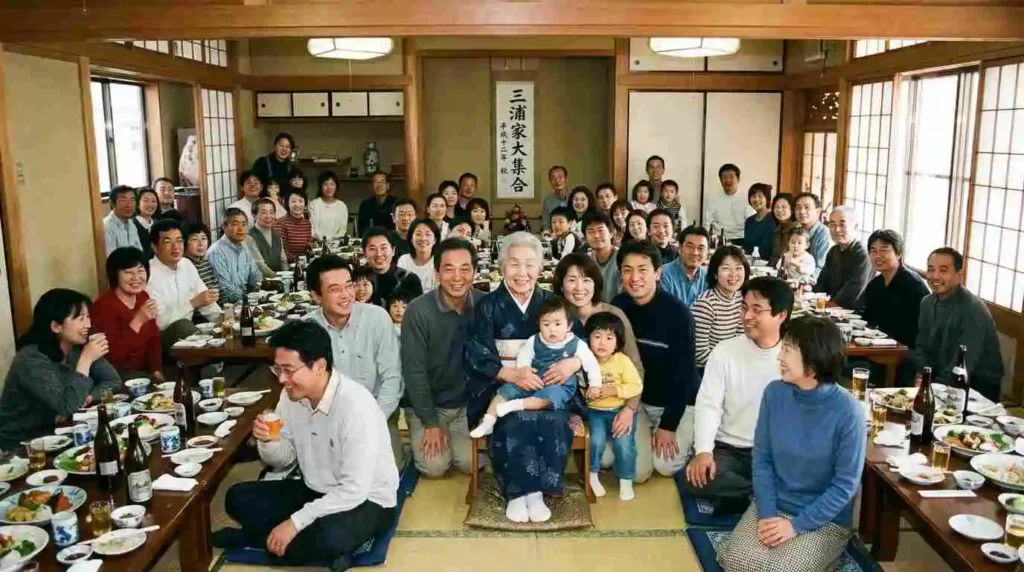
At that gathering, two brothers who were among the younger members of my generation of cousins sang “YELL.”
I remember hearing the song unexpectedly and thinking, “This is a good song,” although my interest in it was still only beginning.
Several years ago, however, the eldest of those brothers died after an illness.
All of my mother’s siblings have also passed away except for her youngest brother.
Relationships among relatives gradually become more distant as generations change. Looking back now, I believe there was great significance in the fact that all forty-nine of us were able to gather in the same place that day.
Time can truly be cruel.
Even so, whenever I hear “YELL,” the voices of those two brothers and the sight of our relatives laughing around them return vividly to my mind.
My other memory is of the morning when I left the bank where I had worked for many years and headed for a hospital in Fukuoka on secondment.
I left Oita alone, entered the expressway, and the first song I played was “YELL.” I was excited about the new challenge, but I also felt uneasy about entering a completely unfamiliar world.

That morning, for the first time, the song no longer sounded like a song about someone else’s departure. It sounded as though its words were being directed at me.
For me, “YELL” is neither merely a graduation song nor an encouragement song intended only for young people. It still connects the voices I heard at that family gathering with the morning when I travelled alone toward a new place.
Free Interpretation
You are standing now at the entrance to a new life.
Beyond it, new encounters and dreams of your own are waiting.
You may carry your doubts and fears with you. Hold your head high and begin walking.
Someday, when you look back, you will realize that today’s first step opened the way to your future.
💡 You might also like: View the original Japanese lyrics (External site)
If the lyrics are available only in Japanese, you can use your browser’s translation feature or an AI translation tool to understand their general meaning.
First, Listen on YouTube
Common Credits
Song: YELL
Artist: KOBUKURO
Lyrics and Music: Kentaro Kobuchi
Arrangement: Masanori Sasaji
Label: Warner Music Japan

“YELL / Bell,” released on March 22, 2001, was KOBUKURO’s major-label debut single.
Individual Credits
Video Type: Official Music Video
Single: “YELL / Bell”
Media Tie-in: Ending theme for the Fuji Television program “Uchi Kuru!?”

Two-Line Commentary
KOBUKURO’s major-label debut song compares the potential of someone stepping onto a new path with a small bud surviving the winter and opening into bloom.
Shunsuke Kuroda’s powerful lead vocal and Kentaro Kobuchi’s soaring harmony transform the sadness of separation into the strength to move toward tomorrow.
Individual Credits
Recording Type: Official Live Audio
Concert: KOBUKURO LIVE TOUR ’06 “Way Back to Tomorrow” FINAL
Recording Date: December 3, 2006
Venue: Nagoya Rainbow Hall
Video Release Date: June 13, 2007
Release: “LIVE TOUR ’06 ‘Way Back to Tomorrow’ FINAL”

Two-Line Commentary
KOBUKURO performed their major-label debut song as the closing number of the final concert of a tour that covered twenty-three performances in fourteen cities across Japan.
The audience’s voices join the duo’s commanding performance, vividly conveying the journey they had built from their street-performance years onward.
The Spring That Becomes Visible Only After Winter
Looking at a Bud That Has Not Yet Bloomed
The spring depicted in “YELL” is not merely a change of season.
It is a symbol of a new beginning that can be reached only after enduring a long winter. The song suggests that the days spent enduring the cold and the uncertain steps taken along the way were necessary before the flower could bloom.

The song does not look at a flower that has already bloomed beautifully. It looks at a bud that is only beginning to open.
While it is still a bud, no one knows what kind of flower it will become. There is no guarantee that it will withstand the cold wind. Even so, the strength needed to reach the next season is already gathering within it.
Even when no result has appeared, the time you have accumulated until today has not been lost.
Even when the present is a difficult season, the strength to move toward tomorrow remains within you.
Rather than praising only those who have already succeeded, the song recognizes those who choose to take a step while the result is still uncertain. That is where the sincerity of “YELL” can be found.
Sending Someone Forward Without Erasing Their Fear
An Encouragement Song That Does Not Promise Everything Will Be Fine
When we encourage someone, we often find ourselves saying, “You will be fine,” or, “Everything will work out.” Yet no one knows what awaits a person entering a new environment.
Further education, employment, relocation, or a career change can all bring hope. At the same time, they also carry the sadness of leaving a familiar place and the fear that events may not unfold as expected.
“YELL” does not try to erase those feelings. It tells us that even while carrying hesitation, we can continue toward the person we hope to become.
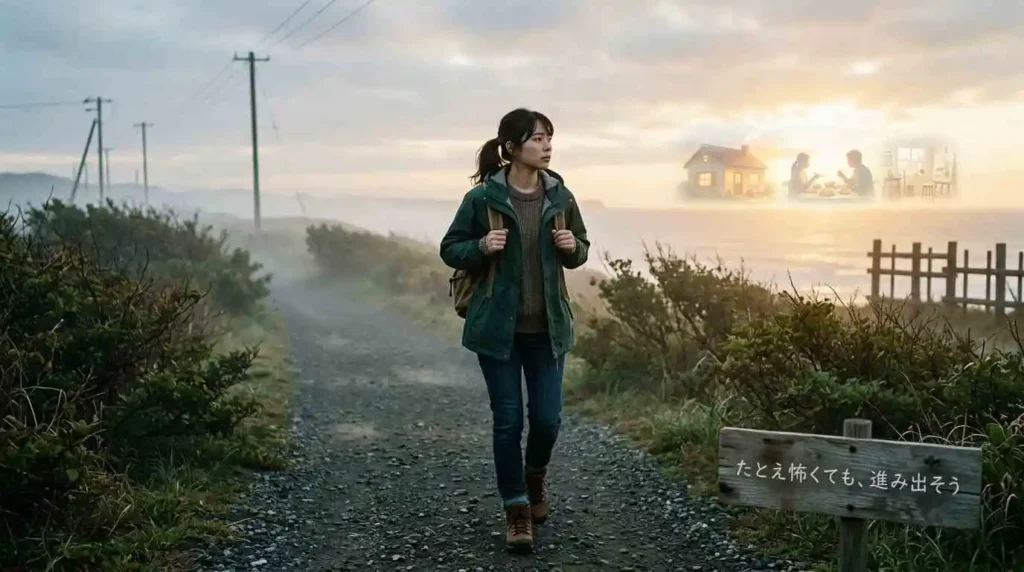
What this song recognizes is not a guarantee of success, but the decision to step beyond the gate. It sends the same message not only to those who are confident, but also to those who begin their journey with uncertainty in their hearts.
A Hero Is Not Someone Who Never Hesitates
In the song, the person taking a new step is portrayed as a hero.
The word “hero” may make us imagine someone who advances boldly and without hesitation. Yet the person depicted in this song is not someone who feels no fear.
It is someone who understands the sadness of leaving an important place and still crosses the boundary on their own feet.
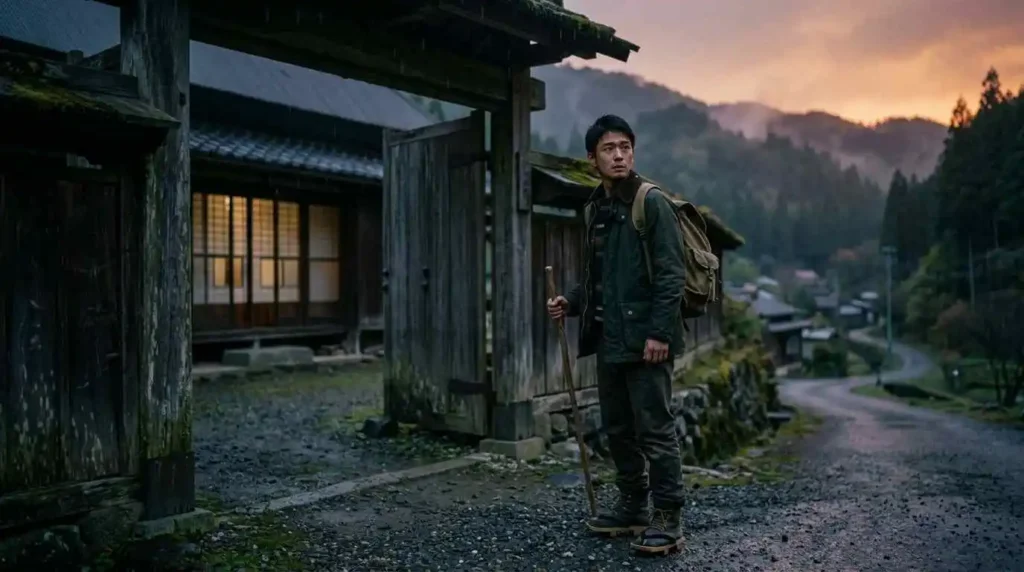
Courage may not mean being free from fear. It may mean refusing to surrender one’s choice to that fear. “YELL” praises this small but unmistakable decision through the word “hero.”
A Song Encouraging One Person Expands Through Two Voices
“YELL” is a song that sends its words toward one central figure. When KOBUKURO performs it, however, the message no longer seems to arrive from only one direction.
When Shunsuke Kuroda carries the main melody and Kentaro Kobuchi’s voice joins him, it sounds as though several people are standing behind the person who is leaving. Family members, friends, and people who once shared the same place all seem to be watching the same departure from different locations.
The important point here is not merely the difference between the qualities of their voices.
It is the way encouragement directed at one person is transformed by two voices into a message entrusted by many people.

That may be why this song has often been sung at graduation ceremonies and farewell gatherings. Listeners can become not only the person described in the song, but also someone sending another person on their way.
“YELL” is not a song only for the person who is leaving. It places both the person departing and the people remaining behind within the same melody.
Two Recordings Reveal KOBUKURO’s Journey
A Music Video Capturing Their Starting Point
The original music video carries the directness and tension of KOBUKURO at the time of their major-label debut.
Unlike the commanding presence they would later display in large concert venues, the video places their belief in their own song and their determination to deliver it to the people before them at the center. It records a period when neither of them yet knew what kind of road lay ahead.

These are not established stars encouraging younger people from a position of completed success. KOBUKURO themselves were standing before a new gate and sending their voices toward others who were also preparing to take a step forward.
A Live Performance Marked by Accumulated Time
In the 2006 live recording, the same song carries a different weight.
Approximately five years had passed since their major-label debut. Standing before a large audience, the duo performed the song from their beginning as the closing number of their tour finale. The words they had once raised from a place where the future was uncertain were now being sung by two people who had truly travelled beyond that point.
The voices returning from the audience are also an essential part of the performance. KOBUKURO encourages the audience, while the audience also celebrates the duo’s journey. The encouragement that once travelled only from performer to listener now moves back and forth across the entire venue.
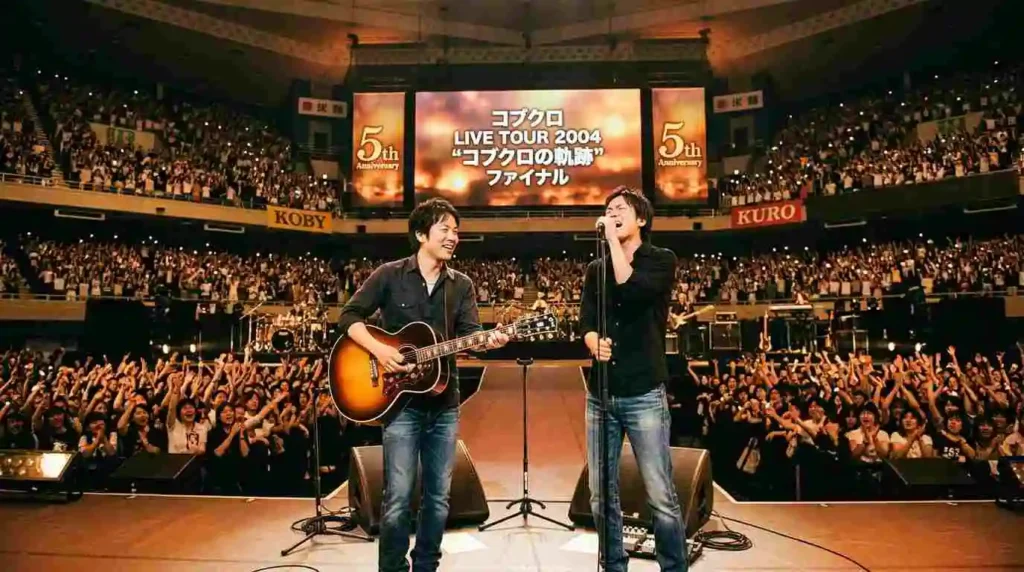
If the music video captures their determination at the point of departure, the live version offers an answer formed through the years they had accumulated. Listening to the two recordings in succession allows us to sense even KOBUKURO’s transformation within a single song.
Why I Ranked It No. 7
“YELL” is indispensable when discussing KOBUKURO’s beginnings.
Its importance as their major-label debut song, the individuality of their two voices, and the directness with which it reaches people beginning a new chapter all make it one of their representative works.
Even so, I placed it at No. 7 rather than No. 1. In this personal Top 10, I determine the rankings not only by fame or sales, but also by what I have received from each song, the role it plays in KOBUKURO’s journey, and the depth that becomes visible each time I listen again.
“YELL” marks the point where their music first stepped into the wider world. In the years that followed, KOBUKURO created works that explored separation from a loved one, loss, family, and memory with even greater depth.

Ranking the song at No. 7 does not mean that I value it lightly. It means that beyond the road beginning here, there are other songs that have moved my heart even more deeply.
Conclusion
“YELL” changes its meaning according to the circumstances of the person listening.

For me, the day when my relatives gathered together and the morning when I headed alone toward a new place are connected within this song. A lively memory and a solitary departure are both engraved in the same melody.
Time does not preserve the scenes of the past exactly as they were. Music, however, can bring the voices and expressions of those moments back into the person we are today.
“YELL” is not merely a song that encourages people moving toward a new path.
It is also a song that allows those who remain to face forward again while carrying the days that have passed and the people from whom they have parted within their hearts. It lights the next spring within those who have known the cold of winter.

音楽ファン同士の交流・リクエストはこちら / Connect & Request Songs Here