🌐 English|🌐 日本語
Explore Mariko Takahashi’s Musical Journey Here!
- 🎧 Listen to This Article
- My Personal Best 10: Mariko Takahashi – No. 2 “Goban-gai no Marie e” (To Marie on Fifth Avenue)
- 🎥 Listen to the Official Recording of “Goban-gai no Marie e”
- Reading the Lyrics — The Story Behind What Remains Unspoken
- Listening to the Music — Shunichi Tokura’s Melody and Arrangement
- Mariko Takahashi’s Vocal Performance — Giving Voice to the Narrator’s Feelings
- Japan in 1973 — A Society Beginning to Change
- Final Thoughts — Continuing to Care Without Meeting Again
🎧 Listen to This Article
Discover the beauty of Mariko Takahashi’s “Goban-gai no Marie e” through our audio narration.
Before reading, explore the song’s bittersweet story and the emotions conveyed through Takahashi’s remarkable voice.
🎵 English Narration
An English introduction to the story and musical beauty of “Goban-gai no Marie e.”
🎶 Japanese Narration
A Japanese introduction to the same song and its emotional depth.
The narration explores what the lyrics leave unsaid, along with the lingering emotions created by the melody and Takahashi’s expressive vocals.
My Personal Best 10: Mariko Takahashi – No. 2 “Goban-gai no Marie e” (To Marie on Fifth Avenue)
Where is the person I once loved? How is she living now?
There is a longing to see her again, yet something prevents the narrator from going to her himself. “Goban-gai no Marie e” (To Marie on Fifth Avenue) tells the story of these conflicting emotions through the words of a single narrator.
Originally released by Pedro & Capricious in 1973, this song takes the No. 2 position in My Personal Best 10: Mariko Takahashi.
Yu Aku’s lyrics, Shunichi Tokura’s melody, and Mariko Takahashi’s voice. Together, they give a song lasting approximately four minutes the emotional depth of a short story.
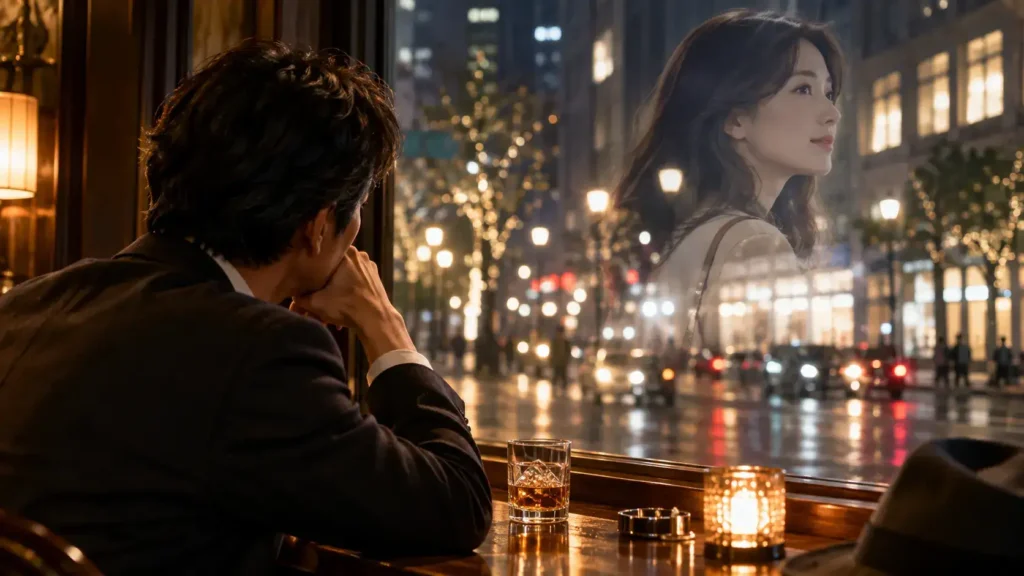
A Free Interpretation — To Someone Who Has Grown Distant
If you ever visit that neighborhood, please find out how she is doing.
We once shared a home, and I was the one who caused her pain.
If she has found happiness, I would never want to disturb her life.
Please understand why I cannot bring myself to see her.
This song expresses more than a simple desire for reunion. The narrator wants to know how she is living, yet hesitates to revisit their shared past. The tension between those feelings lies at the heart of the story.
💡 You might also like: View the original Japanese lyrics (External site)
If the lyrics are available only in Japanese, you can use your browser’s translation feature or an AI translation tool to understand their general meaning.
🎥 Listen to the Official Recording of “Goban-gai no Marie e”
The Official Recording Featuring Mariko Takahashi
Credits
Song: Goban-gai no Marie e (To Marie on Fifth Avenue)
Vocals: Mariko Takahashi
Lyrics: Yu Aku
Music: Shunichi Tokura
Album: the best ~new edition~
Audio provided by: Victor Entertainment
YouTube publication date: July 10, 2018
Two-Line Commentary
“Goban-gai no Marie e” portrays a man who longs to know how a woman he once loved is doing, yet cannot bring himself to visit her.
This official recording combines Yu Aku's evocative storytelling and Shunichi Tokura's beautiful melody with Mariko Takahashi's emotionally expressive vocals.
Experience “Goban-gai no Marie e” Live
Credits
Song: Goban-gai no Marie e (To Marie on Fifth Avenue)
Vocals: Mariko Takahashi
Lyrics: Yu Aku
Music: Shunichi Tokura
Video release: CARNEGIE HALL N.Y. COMPLETE LIVE
Performance: Carnegie Hall, New York, 1993
Published by: Mariko Takahashi Official YouTube Channel
YouTube publication date: January 25, 2022
Two-Line Commentary
This official live video captures Mariko Takahashi performing “Goban-gai no Marie e” at Carnegie Hall in New York in 1993.
Her rich, expressive voice and understated emotional delivery reveal another dimension of this enduring classic.
Reading the Lyrics — The Story Behind What Remains Unspoken
Who Was Marie?
Yu Aku’s lyrics offer several clues about Marie.
She is a woman who once lived with the narrator. She had long hair at the time, and something painful happened between them that still troubles him.
Yet the precise circumstances of their separation, and what became of Marie afterward, are never revealed.
We learn enough to understand their relationship, but the most important details remain untold. This deliberate restraint invites listeners to imagine the history the two characters shared.

Fifth Avenue — A Place That Creates Emotional Distance
The mention of Fifth Avenue in the title may immediately bring New York City’s famous thoroughfare to mind.
However, New York is never explicitly named in the lyrics. It would therefore be inaccurate to identify the song’s setting definitively with any particular real-world street.
What is more intriguing is the way Fifth Avenue becomes a place that the narrator finds difficult to visit, even though it seems within reach.
Physical distance and emotional distance are not necessarily the same. Sometimes the places we once knew most intimately become the hardest to return to.
Fifth Avenue can also be understood as a boundary separating the narrator’s past from his present. Viewed this way, the name of the street takes on a deeper significance.

Why Can’t the Narrator Visit Marie Himself?
The narrator appears to be a man who once shared an intimate relationship with Marie. Because they lived together and he acknowledges having caused her pain, it is natural to interpret him as a former lover.
Nevertheless, he does not attempt to visit her himself. Instead, he asks someone traveling to Fifth Avenue to find out how Marie is living.
His hesitation suggests something more complicated than a wish for reunion. He carries the burden of having hurt her, along with a desire not to disrupt the life she has built since their separation.
He wants to know, but he cannot bring himself to meet her. This contradiction gives the narrator his distinctly human complexity.
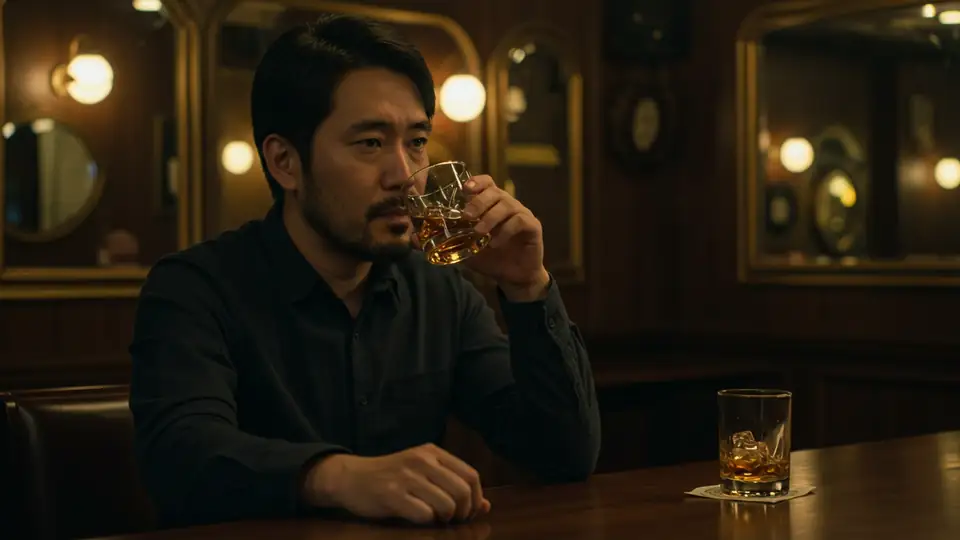
Putting Her Happiness Before His Own Wishes
One particularly revealing moment comes when the narrator asks the visitor to leave without approaching Marie if she is married and living happily.
At that point, he places the stability of her present life above his own desire to learn more about her.
Still, his decision need not be interpreted as entirely selfless love. Compassion for Marie may coexist with his fear of confronting the past.
Yu Aku does not force us to choose between these interpretations. That ambiguity is what makes the narrator’s feelings so convincing.
Words Entrusted to Someone Else — A Story Told Almost Like a Letter
The song unfolds as the narrator addresses someone who may be going to Fifth Avenue.
Rather than speaking directly to Marie, he attempts to learn about her through another person. This indirect approach emphasizes the separation that now exists between them.
The narrative resembles a letter in which someone entrusts feelings for a distant person to a messenger, although the lyrics are not literally written in the form of a letter.
He hopes that Marie is well without knowing whether any answer will ever reach him. That uncertainty gives the song its quiet emotional tension.
Listening to the Music — Shunichi Tokura’s Melody and Arrangement
A Melody That Grows from a Restrained Beginning
Shunichi Tokura composed and arranged “Goban-gai no Marie e.”
Rather than beginning with a dramatic emotional statement, the melody opens almost conversationally.
As the song progresses, the expanding vocal range and increasingly expressive phrases gradually reveal the feelings behind the narrator’s words.
What deserves particular attention is the natural relationship between the lyrics and the melodic development. Words that might otherwise sound like ordinary conversation become an unforgettable confession when carried by Tokura’s music.

An Arrangement That Evokes an Urban Landscape
Tokura’s arrangement places the vocal performance at the center while allowing the instruments to suggest the atmosphere surrounding the story. Particularly effective is the contrast between passages with fuller accompaniment and moments when the melody is left relatively exposed.
Because the arrangement never tries to explain every emotion, listeners are free to concentrate on the narrator’s words.
The instrumental phrases between the vocal lines also seem to carry feelings that the narrator cannot fully express.
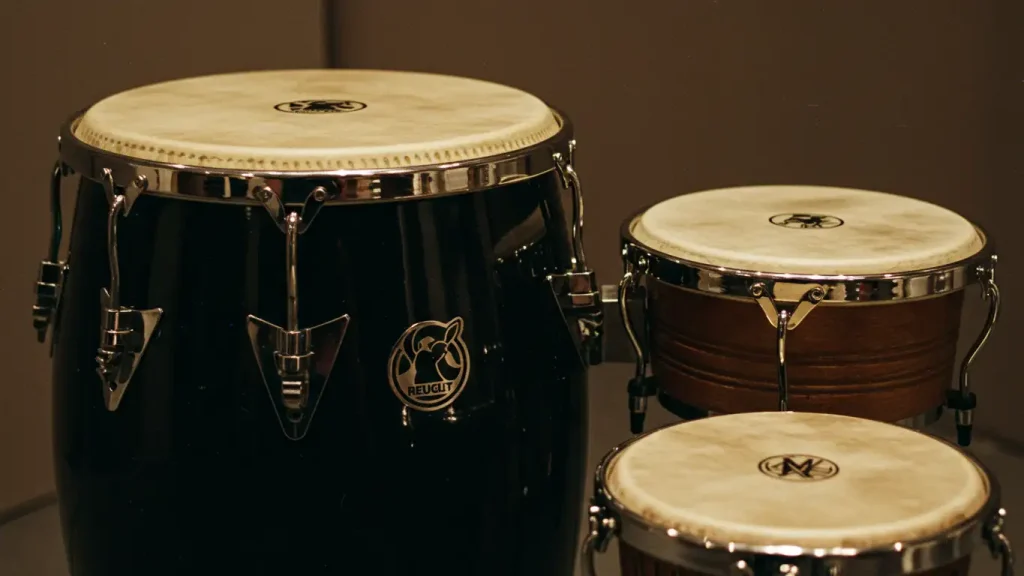
The Western Musical Influences of Pedro & Capricious
Pedro & Capricious were known for incorporating elements of Latin music and other international styles into their performances.
Although “Goban-gai no Marie e” reflects that musical background, it also retains the accessibility of Japanese kayokyoku, the popular song tradition of the period.
The rhythmic flow and texture of the accompaniment suggest the Western influences that Japanese popular music was absorbing at the time.
Identifying individual percussion instruments, however, would require confirmation from the specific recording. Rather than making unsupported claims about the instrumentation, it is more rewarding to appreciate the relaxed groove created by the ensemble as a whole.
Mariko Takahashi’s Vocal Performance — Giving Voice to the Narrator’s Feelings
Allowing the Emotions to Unfold, One Phrase at a Time
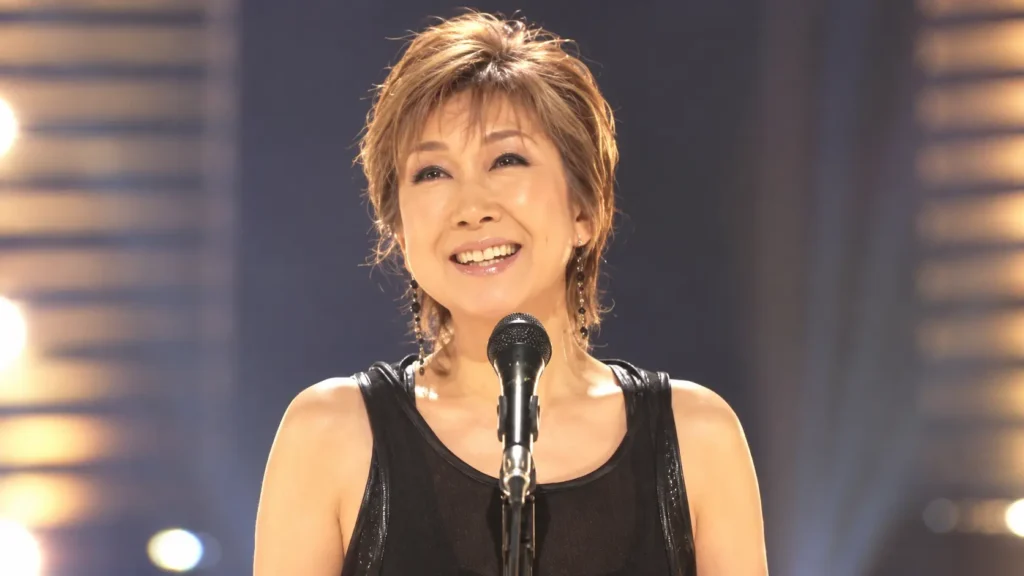
One of the most compelling aspects of Mariko Takahashi’s performance is the way she delivers the lyrics.
She shapes each phrase carefully without placing unnecessary emphasis on the ends of her lines. Her restraint conveys the narrator’s hesitation and lingering sense of guilt.
Her artistry lies not merely in the beauty of her voice, but in her ability to make us sense the person living within the song.
The Strength That Emerges as the Melody Opens Up
As the song develops and Takahashi’s voice rises into longer, more powerful notes, the contrast with the restrained opening becomes especially moving. Yet she never relies on vocal power alone to overwhelm the listener.
Even after a sustained phrase, she leaves room for its emotional resonance, allowing each listener to interpret the narrator’s feelings in a personal way.
Rather than simply describing sadness, she gives us the voice of someone who carries it. That quality is central to the song’s storytelling power.
Japan in 1973 — A Society Beginning to Change
A Turning Point in Japan’s Era of Rapid Economic Growth
“Goban-gai no Marie e” was released in 1973, a year that also marked a turning point in Japan’s period of rapid economic growth.
The first oil crisis began in October of that year, bringing rising prices and growing concerns about the supply of essential resources.
There is, however, no established evidence that these events directly determined the song’s creative intentions or popularity.
Nevertheless, an intriguing contrast emerges between a society transformed by decades of economic expansion and a song that quietly reflects on lost time and relationships from the past.
The Allure of Foreign Places and the City Within Our Memories
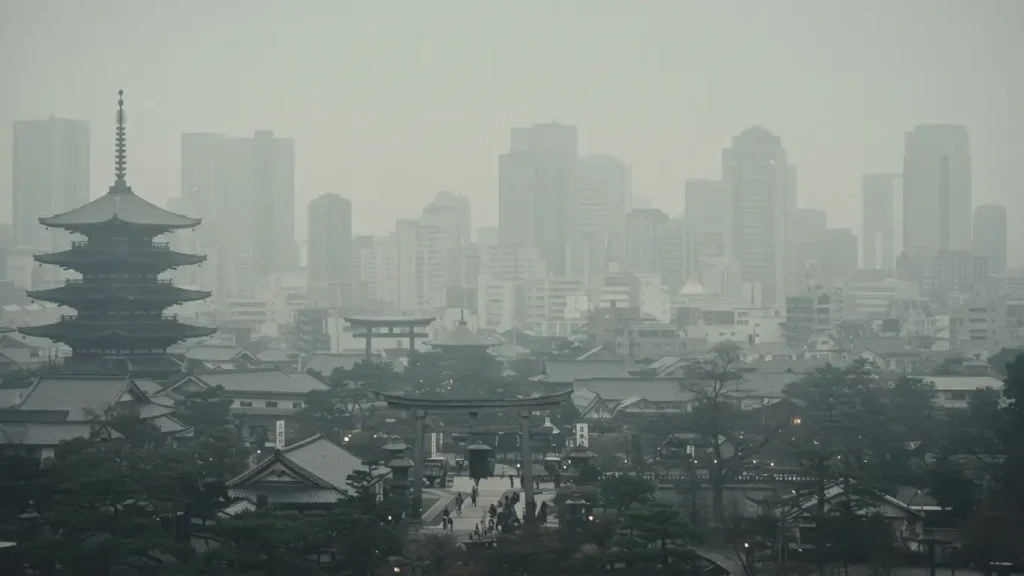
American music, cinema, and fashion exerted considerable influence on postwar Japanese culture. For some listeners in the 1970s, the name Fifth Avenue may have evoked images of a distant, glamorous city.
Yet the song’s significance extends beyond the question of which country or city provides its actual setting.
Most of us know a place that remains close in memory but has become difficult, perhaps impossible, to return to.
When Fifth Avenue is understood in this way, the song’s emotional landscape reaches beyond any particular country or historical period.

An Era When Kayokyoku and Folk Music Flourished Side by Side
In Japan during the early 1970s, kayokyoku remained a familiar presence on television, while folk-oriented musicians such as Takuro Yoshida and Yosui Inoue were gaining increasing prominence.
Lyrics that portrayed recognizable individuals and everyday experiences, allowing listeners to follow a story through a song, became an important feature of the musical landscape.
Within that environment, “Goban-gai no Marie e” can be appreciated as a work that combines the approachable melodies of kayokyoku with lyrics that unfold like a short story.
Rather than forcing the song into a narrow genre, it is worth appreciating how naturally its words and music come together.

Final Thoughts — Continuing to Care Without Meeting Again
When “Goban-gai no Marie e” ends, what lingers is not the question of whether the narrator will ever see Marie again.
He hopes that someone who once meant so much to him has found happiness. Yet he can do little more than care about her from a distance.
Yu Aku leaves the circumstances surrounding their separation partly unexplained. Shunichi Tokura gives the words a melody that allows them to flow naturally. And Mariko Takahashi transforms them into the emotional experience of a living, breathing person.
Perhaps choosing not to meet someone again can also be a way of caring for them.
But whether that choice comes from kindness or from an unwillingness to confront regret is not easily decided. The song’s depth lies partly in its refusal to offer a single answer.
The narrator’s words may sound very different when we hear them in our youth and when we return to them after years of life experience.
“Goban-gai no Marie e” remains an unforgettable song, quietly awakening memories that belong to each of us.


音楽ファン同士の交流・リクエストはこちら / Connect & Request Songs Here