🌐 English|🌐 日本語
Explore the Musical Life of Ryūun Nagai Here!
- 🎧 Listen to This Article
- No. 4: “Orokana Hōrō” (Foolish Wandering) by Ryūun Nagai
- First, Listen to the Song on YouTube
- A Man Who Never Questioned His Path
- What Was Worth Sacrificing Friendship and Love?
- A Desert Stretching Behind Him
- Loneliness Became His Only Companion
- The Meaning of a Conveyor Belt Moving Backward
- Now He Is the One Left Behind
- A Portrait of Regret Written by a 21-Year-Old Ryūun Nagai
- In Closing — A Life Spent Wandering Without Knowing It
🎧 Listen to This Article
Explore the key ideas of this article through English and Japanese narration.
Before reading, listen to an introduction to Ryūun Nagai’s “Orokana Hōrō” (Foolish Wandering), a song about life’s choices, lost relationships, and regret.
🎵 English Narration
An English narration exploring the song’s meaning and the main themes discussed in this article.
🎶 Japanese Narration
A Japanese narration presenting the same themes from the original article.
Listening before reading will help you follow the song’s story and understand the central ideas explored in the article.
No. 4: “Orokana Hōrō” (Foolish Wandering) by Ryūun Nagai
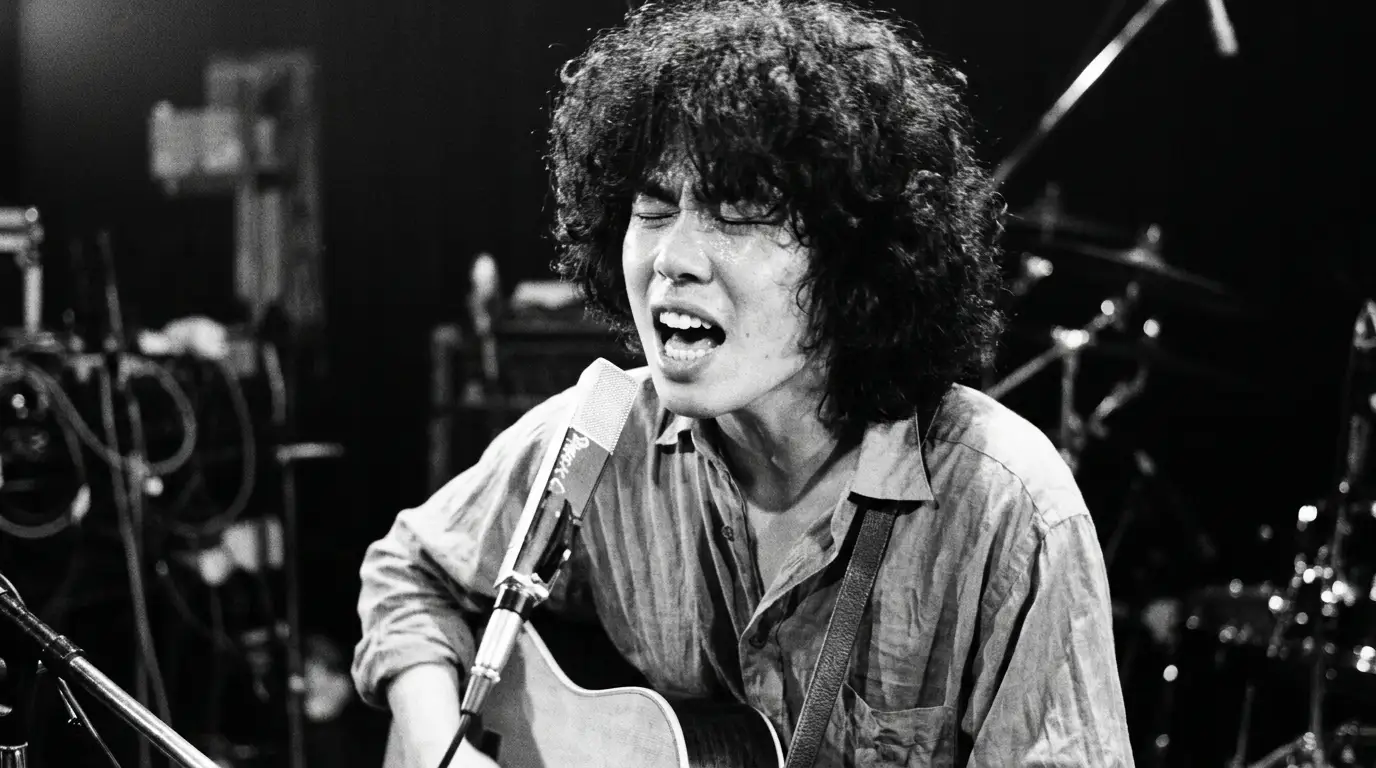
“Orokana Hōrō” appears on Ryūun Nagai’s second album, Hatsunetsu (Fever), released on February 21, 1979. Opening the eleven-track album, the song tells the story of a man looking back on a lifetime of choices and regrets. Nagai was only 21 when the album was released.
Hatsunetsu arrived approximately eleven months after Nagai’s debut in March 1978. His signature song “Michishirube Nai Tabi” (A Journey Without Signposts) followed in August 1979. Although detailed contemporary sales figures and chart records for “Orokana Hōrō” remain unverified, the song was performed at Nagai’s 45th-anniversary concert in 2022.
The protagonist has spent years following a path he believed was right. Along the way, he betrayed a friend, turned away from his lover’s affection, and placed his own ambitions above everything else. Yet when he finally looks back, the sense of accomplishment he expected is nowhere to be found.
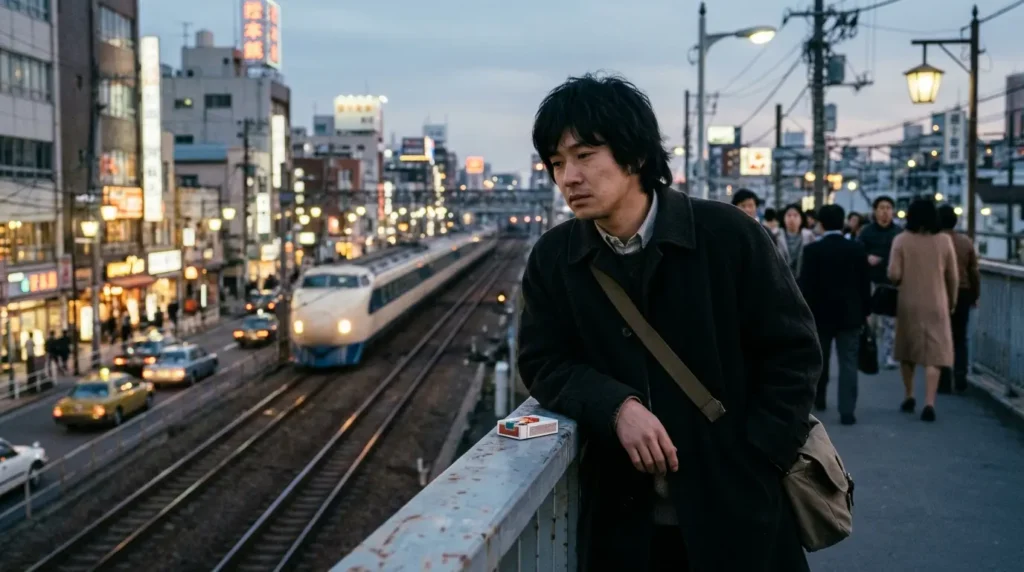
What if the life he believed in was never leading him in the right direction? “Orokana Hōrō” explores this unsettling question through the familiar image of a man walking along a road.
A Poetic Interpretation
I traveled a long road, never stopping, never looking anywhere but ahead.
I betrayed a friend, turned away from love, and lost what mattered most.
When I finally looked back, I could find no lasting meaning in the distance I had traveled.
Loneliness was all that remained. Had I been walking in place all along?
Now, lost and unable to move, I have become the very person I once passed by without a glance.
First, Listen to the Song on YouTube
Ryūun Nagai – “Orokana Hōrō” (Foolish Wandering)
Album: Hatsunetsu (Fever), 1979
Track: 1
About the Song
A man who devoted his life to a path he believed in confronts the relationships he sacrificed and the choices he made. Through images of a desert and a conveyor belt moving in reverse, the song questions whether a lifetime of determination necessarily leads anywhere meaningful.
A Man Who Never Questioned His Path
The protagonist was not someone who wandered because he lacked direction. On the contrary, he believed he knew exactly where he was going. Whatever happened along the way, he refused to stop. His determination seems admirable at first.
But determination alone cannot guarantee that a person is heading in the right direction. He repeatedly rejected opportunities to reconsider his decisions. The stop sign mentioned in the lyrics becomes a symbol of that refusal.
The Psychology of Ignoring a Stop Sign
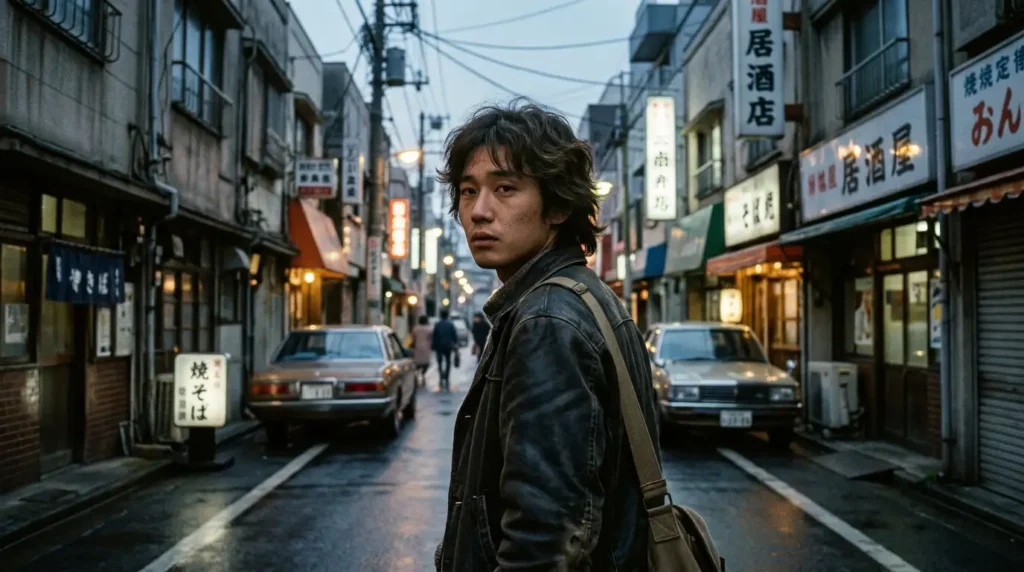
A stop sign exists to prevent danger and allow travelers to assess their surroundings. The protagonist notices the warning but deliberately behaves as though it were not there.
He did not simply overlook it. He chose to ignore it. He had opportunities to reconsider his actions, yet he could not bring himself to interrupt his journey.
Knowing When to Stop Is Part of Moving Forward
In life, a stop sign might take the form of advice from someone close to us or a quiet doubt arising within ourselves. The lyrics never identify the specific warnings the man ignored. Nevertheless, his inability to pause and reconsider may have contributed to the regrets that eventually overwhelmed him.
What Was Worth Sacrificing Friendship and Love?
The protagonist betrayed a friend and failed to respond to his lover’s affection. These are different kinds of behavior, but both reveal his willingness to place his chosen path above personal relationships.
What was he pursuing so relentlessly? The lyrics never provide a definite answer. Was it professional success, a personal dream, or something else entirely? The listener is left to wonder.
Trust Cannot Always Be Recovered
Friendship and love cannot survive through one person’s determination alone. Other people have their own feelings, priorities, and lives. When someone continually places personal ambitions first, even the closest relationships may eventually change.
Lost possessions or money can sometimes be replaced. Damaged trust is different. An apology may lead to reconciliation, but some relationships can never return to what they once were.
The man sacrificed human connections in pursuit of something he believed mattered more. Yet he cannot find evidence that those sacrifices brought him what he wanted. What was the point of giving up so much? That question lies at the heart of his regret.
A Desert Stretching Behind Him
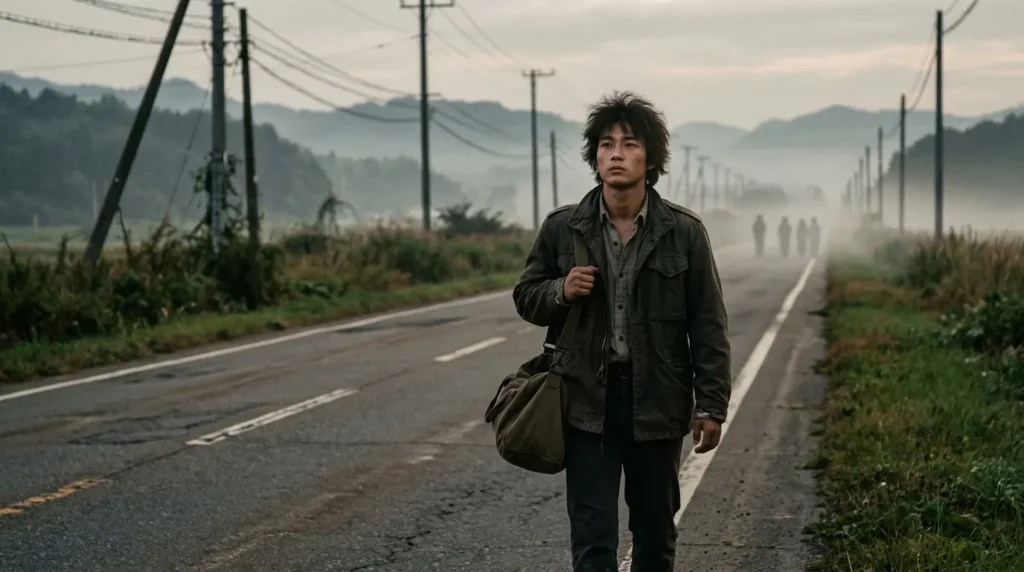
The story takes a decisive turn when the protagonist looks back. After traveling such a long distance, he expects to find traces of the journey behind him. Instead, the past resembles a desert swept by the wind.
Footprints in sand can gradually lose their shape until they become impossible to distinguish. The image reflects his inability to discover any lasting significance in the years he has spent moving forward.
When Years of Effort Begin to Feel Meaningless
It would be wrong to conclude that the protagonist accomplished nothing. He may have gained valuable experiences or achieved things that others would consider worthwhile. But when reality falls far short of what someone hoped for, even years of effort can begin to feel wasted.
What the song portrays is more than disappointment over failure. It is the anguish of losing faith in the very way one has chosen to live.
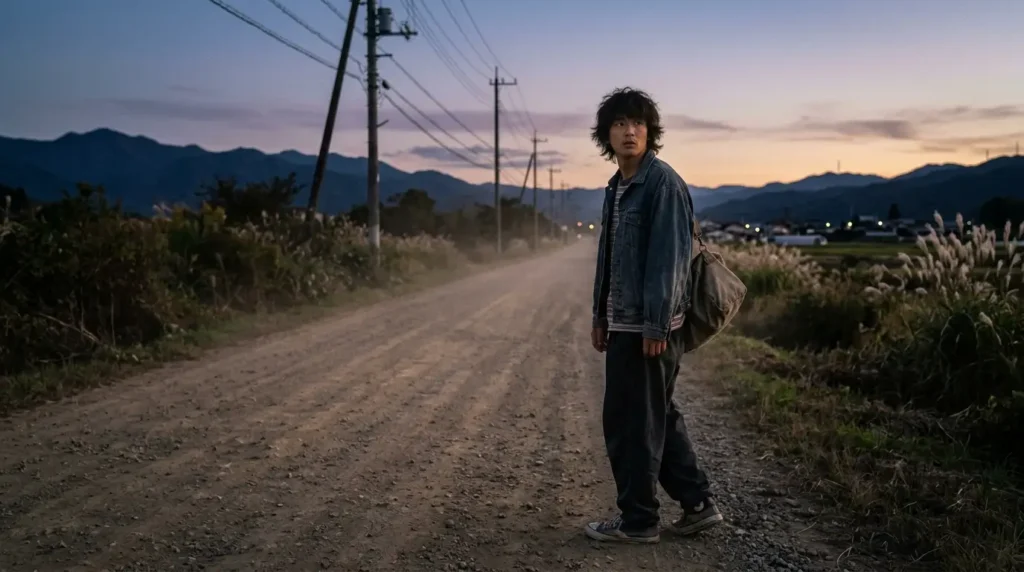
What He Lost in the Grass Along the Road
The lyrics also describe precious things lost in the grass beside the road. While the desert suggests an inability to trace the meaning of his past, the roadside grass evokes the valuable things he failed to notice along the way.
Recovering something becomes difficult when we no longer remember what we lost or where we left it. His remorse carries the additional pain of knowing that lost time cannot be reclaimed.
Loneliness Became His Only Companion
At the end of his long wandering, the protagonist finds himself accompanied only by loneliness. He has lost the pleasure of sharing happiness with others and has even forgotten how to smile. The lyrics convey his emotional decline with striking simplicity.
Solitude is not necessarily a bad thing. Many people find comfort in spending time alone. But the loneliness described here does not appear to be the peaceful independence he consciously chose.
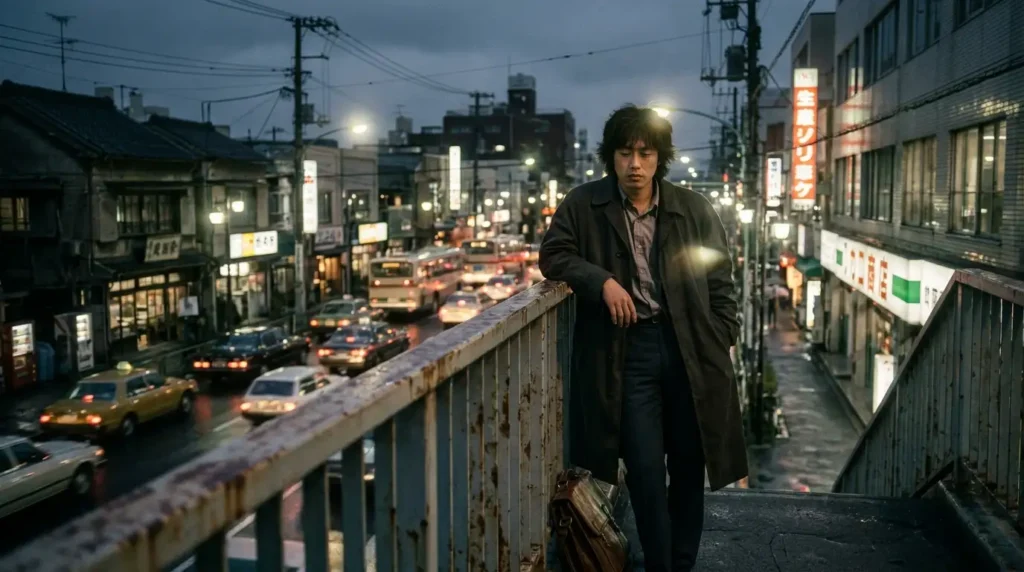
Forgetting How to Smile
A smile can emerge when we connect with someone or simply experience a moment of happiness. The protagonist’s admission that he has forgotten how to smile suggests that he has also lost the ability to enjoy the ordinary events of everyday life.
The Meaning of a Conveyor Belt Moving Backward
One of the song’s most memorable images is the possibility that the protagonist has been walking on a conveyor belt moving in the opposite direction. Looking back on his years of activity, he begins to question whether he was ever truly moving forward.
On a belt moving backward, even determined steps may produce little progress. A person feels the physical effort of walking and experiences genuine fatigue, yet the surrounding scenery may remain almost unchanged.
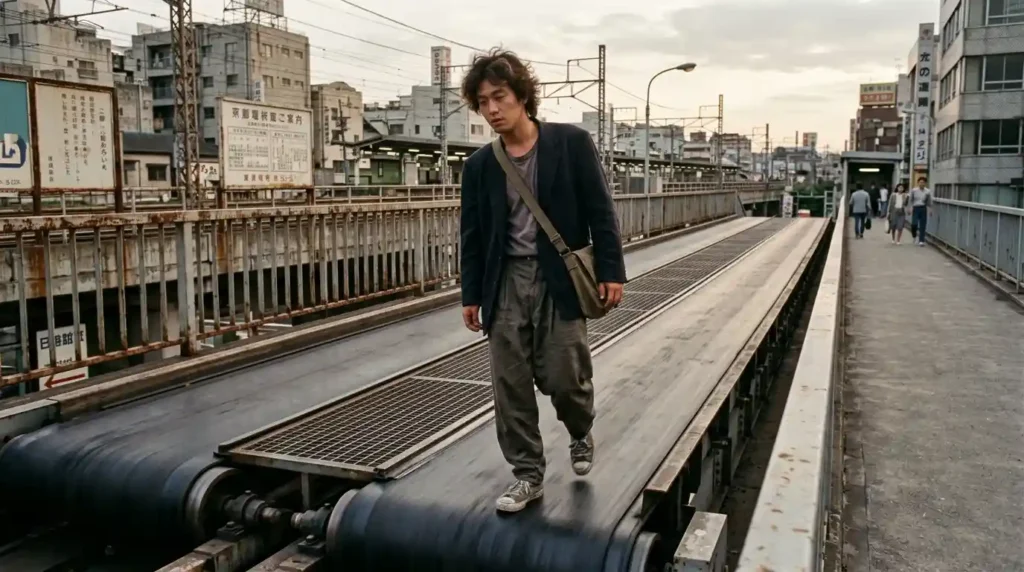
Effort Does Not Always Produce Progress
The protagonist was not lazy. He invested time and energy in what he believed was necessary. Nevertheless, his efforts may have failed to bring him closer to the outcome he desired.
Working hard is not, by itself, proof of progress. Are we using the right methods? Are we heading in the right direction? Sometimes examining those questions matters more than simply continuing to work.
Why Is the Song Called “Foolish Wandering”?
The word “wandering” usually suggests traveling without a fixed destination. Yet this protagonist believed he knew exactly where he was going.
Despite that certainty, his journey ultimately became a form of wandering. He thought he had a clear purpose, but when he considers his life as a whole, he can no longer explain where he was heading.
His mistake was not that he had no destination. It was that he believed he knew the destination all along. That misunderstanding gives the title its particular severity.
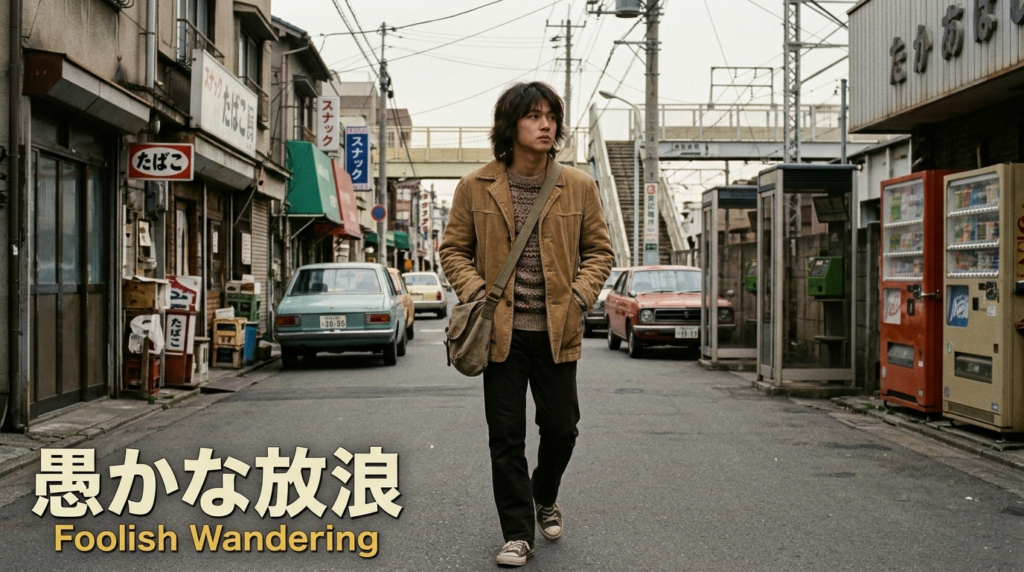
Now He Is the One Left Behind
Near the end of the song, the protagonist loses his sense of direction and finds himself unable to move. The man who once refused to stop can no longer continue through determination alone.
Other people pass him by. No matter how confused or helpless he feels, the world around him continues moving.
Understanding Others Through a Reversal of Roles
He remembers that he once behaved in much the same way, passing people who had stopped without giving them a second thought. His present circumstances now reflect his former actions.
We cannot know whether the passersby are deliberately ignoring him. What matters is that, rather than simply blaming them, he recognizes something troubling about his own past.
Only after experiencing helplessness himself does he begin to understand the people he once overlooked. This reversal prevents his regret from becoming mere self-pity.
What Comes After Regret?
The protagonist begins to acknowledge the mistakes in his way of life. But recognition cannot change the past, nor can it guarantee reconciliation with those he has hurt.
The lyrics do not reveal what happens next. Will he discover a new purpose, or remain unable to move forward? The listener must imagine the answer.
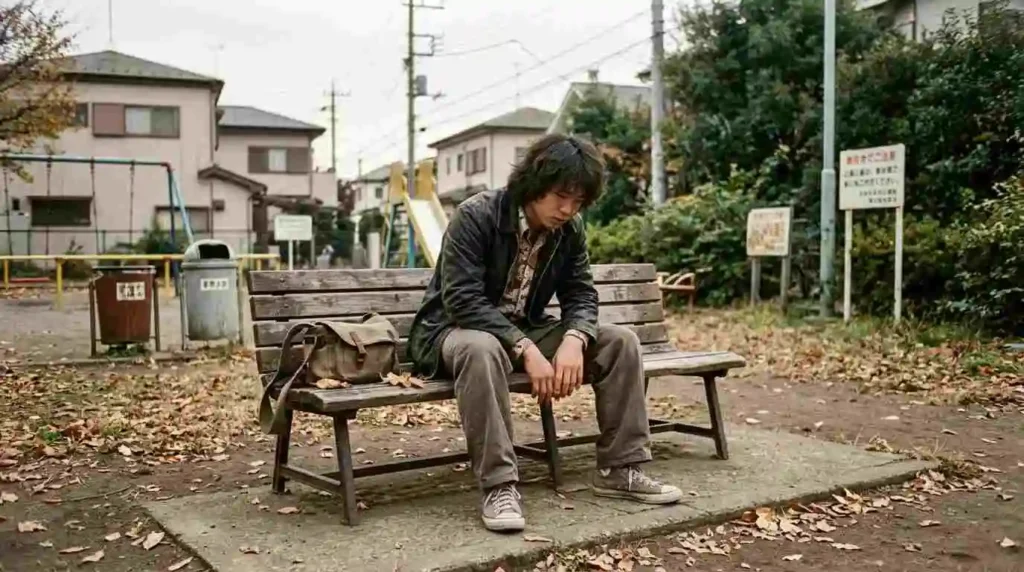
A Portrait of Regret Written by a 21-Year-Old Ryūun Nagai
When “Orokana Hōrō” was released in February 1979, Ryūun Nagai was just 21 years old. It is remarkable that an artist so young could portray a character looking back over an entire lifetime and questioning the choices he had made.
However, the protagonist should not automatically be identified with Nagai himself. There is no verified account establishing whether the song grew out of personal experience or was created as an imagined story.
A Different Perspective from “Omoi”
The previous entry, “Omoi”, explored the emotions of a young man trying to express his love. Through familiar images such as knitting, the wind, and a letter, the song portrayed feelings that could not easily be put into words.
“Orokana Hōrō,” by contrast, portrays a man confronting his own past. From the delicate emotions of romance to difficult questions about the meaning of life, these two songs reveal the breadth of themes Nagai was already exploring early in his career.
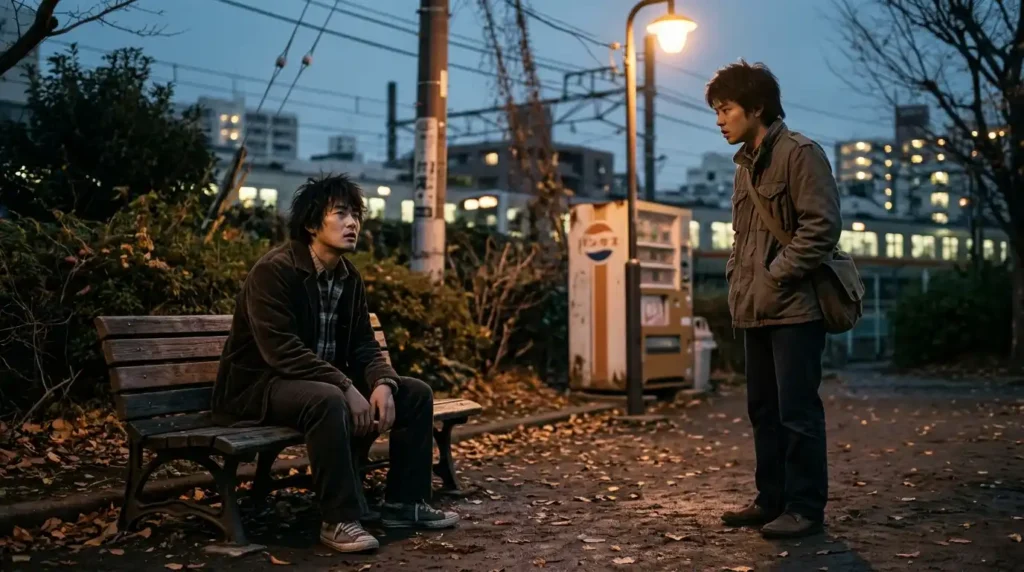
The Opening Track of Hatsunetsu
Hatsunetsu contains eleven songs, including “Kyodō Fushin,” “Tsumasaki-zaka,” “Shinshō Fūkei,” “Hoshizukiyo,” and “Ohenro.” “Orokana Hōrō” opens the album.
Beginning an album with a song that questions the direction of an entire life makes a striking impression. Although the artistic intention behind the track order has not been verified, the opening immediately introduces the listener to the psychological complexity of Nagai’s early songwriting.
In Closing — A Life Spent Wandering Without Knowing It
“Orokana Hōrō” offers its protagonist no convenient redemption. What he has lost does not suddenly return, and no new road appears to guide him toward a happier future.
The song’s severity lies in his failure to question his own way of life. He followed what he believed was the right path, sacrificing human connections along the way. Only when he confronted the consequences did he begin to understand the weight of his decisions.
Nagai provides no easy answer. He does not even tell us whether hope awaits the protagonist beyond his regret.
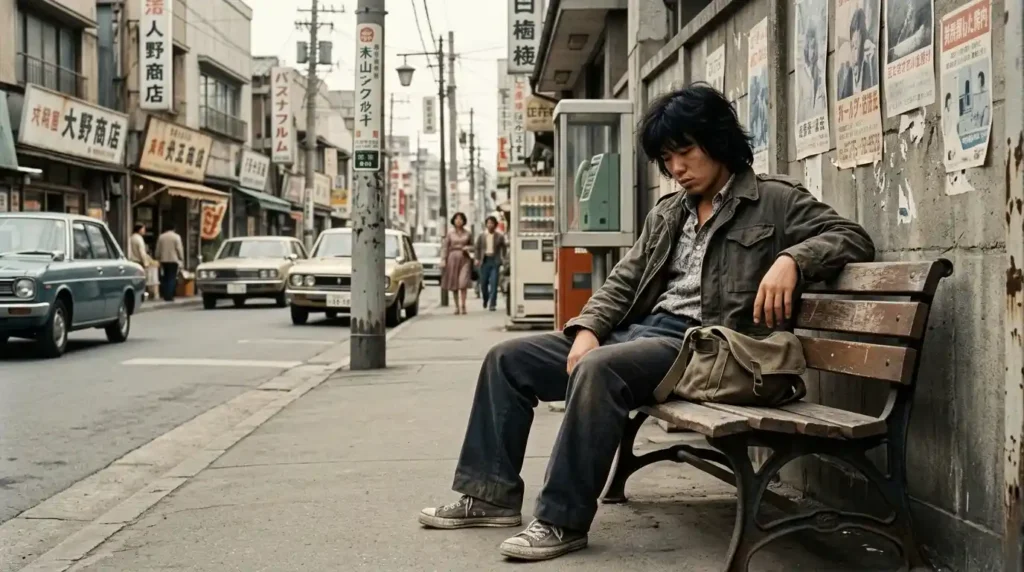
Perhaps the deepest pain in “Orokana Hōrō” comes not from losing his way, but from spending so much of his life without realizing he was lost.

音楽ファン同士の交流・リクエストはこちら / Connect & Request Songs Here