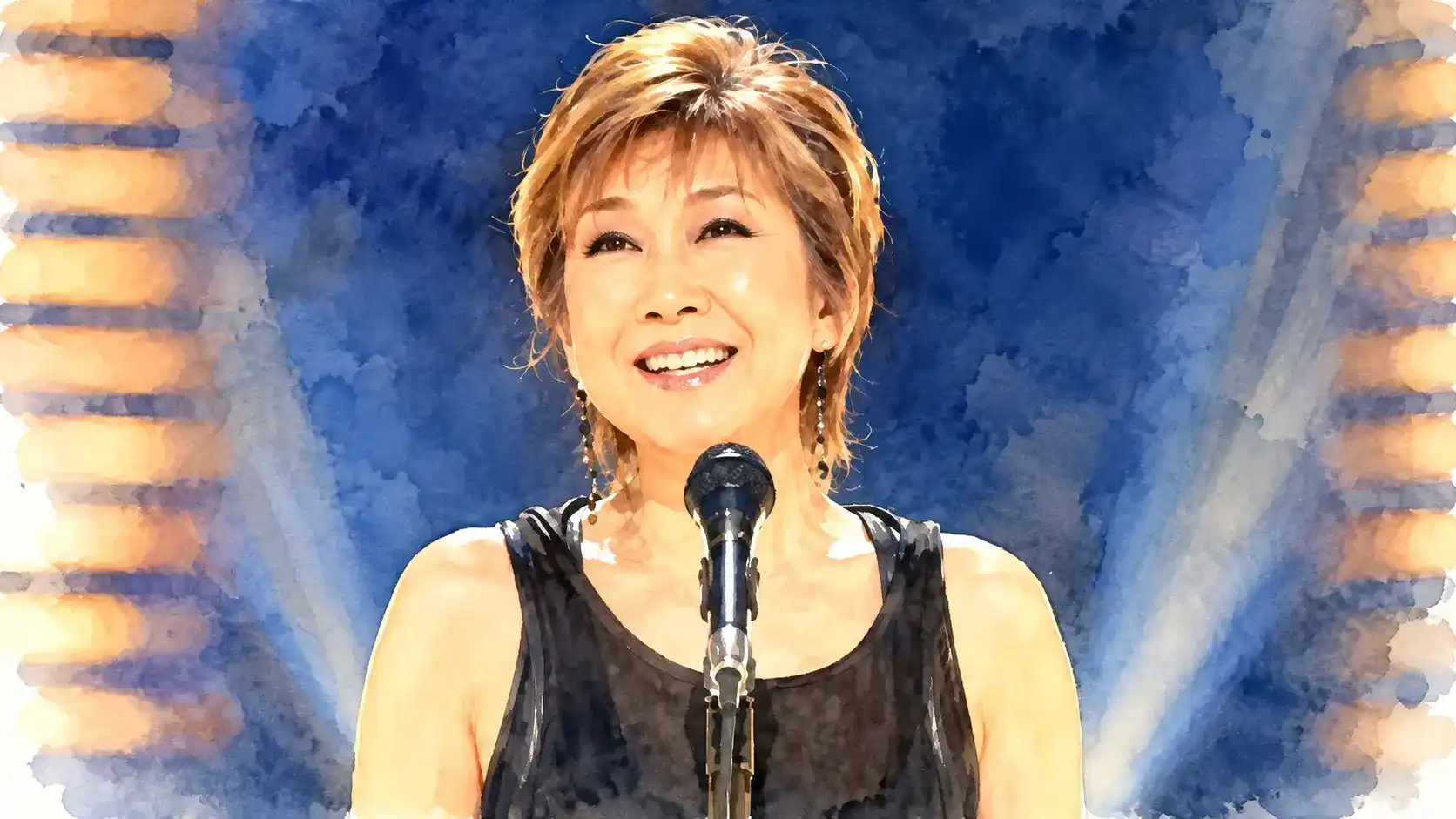
Explore Mariko Takahashi’s Musical Journey Here!
- 🎧 Listen to This Article
- 🎼 My Personal Best 10: Mariko Takahashi — No. 10, “Grandpa”: What an Unexpected Encounter Can Teach Us
- 🎥 Let’s Listen to “Grandpa”
- Chapter 1: A Small Story That Begins on America’s West Coast
- Chapter 2: The Affection Behind the Name “Grandpa”
- Chapter 3: Another Dimension of the Song — Mariko Takahashi’s Voice
- Chapter 4: Somewhere Along the Way, I Became a Grandpa Too
- Chapter 5: The Answer the Young Woman Finds at the End of Her Journey
- 🎧 Closing Thoughts — The Lingering Charm of “Grandpa”
🎧 Listen to This Article
Enjoy a quick audio overview of the key points covered in this article.
Before reading, listen to get a feel for the story behind “Grandpa” and what this article explores.
🎵 Japanese Narration
An audio introduction to this article in Japanese.
🎶 English Narration
An audio introduction to this article in English.
Listening first can help you appreciate the atmosphere of “Grandpa” and follow the main ideas of the article.
🎼 My Personal Best 10: Mariko Takahashi — No. 10, “Grandpa”: What an Unexpected Encounter Can Teach Us
At No. 10 in my personal ranking of Mariko Takahashi’s songs is “Grandpa,” a track from her 1988 album ETERNALLY.
When people think of Mariko Takahashi, they often remember her beautiful ballads that capture the delicate emotions of love and relationships. But this song offers something a little different. Its central character is a young woman who leaves on a journey after an argument with her boyfriend. Along the way, she meets an elderly man, and their brief encounter unfolds into a charming little story.
Nothing particularly dramatic happens. Yet by the time the song ends, you can almost picture the characters’ faces and the scenery surrounding them. That ability to bring a story to life is part of the song’s unusual appeal.
I now have three grandchildren of my own, which makes me a grandpa too. Perhaps that is why this song has come to feel increasingly familiar to me over the years. What I once enjoyed simply as a story now seems a little closer to home.
“Grandpa” is not a song about memories shared by a grandfather and his grandchild. It tells the story of two strangers who meet by chance and develop an unexpected connection during a brief encounter.
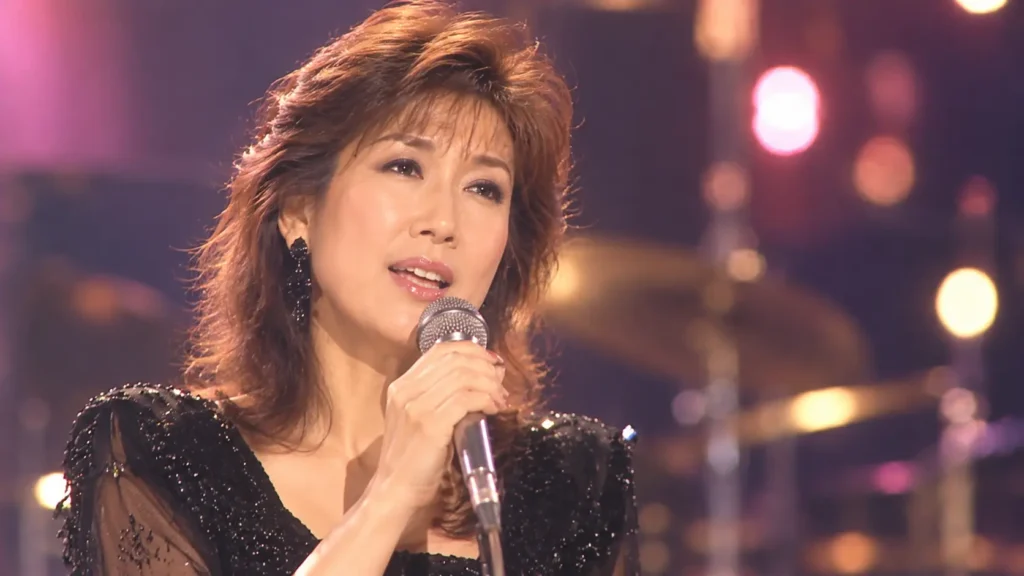
English Version | My Personal Interpretation
We met by chance on a lonely road, and behind your tough exterior, I sensed a quiet sadness.
In your silver hair and the stories of your younger days, I glimpsed the life you've lived.
Beneath the distant stars, our brief time together brought an unexpected warmth to my heart.
But when this journey ends, I'll return to the man waiting for me.
I'll carry your kindness with me, even as tomorrow brings our goodbye.
💡 You might also like: View the original Japanese lyrics (External site)
If the lyrics are available only in Japanese, you can use your browser’s translation feature or an AI translation tool to understand their general meaning.
🎥 Let’s Listen to “Grandpa”
“Grandpa” — Song Introduction
🎥 Song Credits
Title: Grandpa
Artist: Mariko Takahashi
Lyrics: Mariko Takahashi
Music: Yuji Otaguro
Arrangement: Masaki Iwamoto
Album: ETERNALLY
Album Release Date: October 5, 1988
Record Label: Victor
📝 In Two Lines
A story about a young woman who travels after an argument with her boyfriend and meets an elderly man along the way.
The lyrics, written by Mariko Takahashi herself, are brought to life by her light, expressive singing.
Official Live Performance — From the 2013 Concert
This live performance was released on Mariko Takahashi’s official YouTube channel in January 2022. It comes from LIVE Premium 40, which features a concert recorded in 2013.
A song can create quite a different impression when performed live rather than heard on a studio recording. Here, we have an opportunity to experience how Takahashi interprets a song she has performed for many years. I encourage you to listen to both versions and compare them.
Chapter 1: A Small Story That Begins on America’s West Coast
An Argument with Her Boyfriend, Followed by a Journey Alone
The story begins with an argument between the young woman and her boyfriend.
Perhaps it was nothing more than an ordinary disagreement, the kind almost anyone might experience. Sometimes, when emotions run high, the temptation to get away from someone and escape familiar surroundings can be overwhelming. It is a feeling that may be especially easy to understand when we are young.
The young woman travels to the West Coast of the United States. By placing the story in a location far from Japan, the song creates a distinctive sense of openness and freedom.
Leaving familiar streets behind can lead to encounters with people we would never normally meet. Even when language and customs are different, an unexpected connection can sometimes develop.
For the young woman, the journey was presumably a way to put some distance between herself and her boyfriend. Yet the person she meets along the way ultimately helps her reconsider the life she left behind.

A White-Bearded Man Who Seems a Little Stubborn
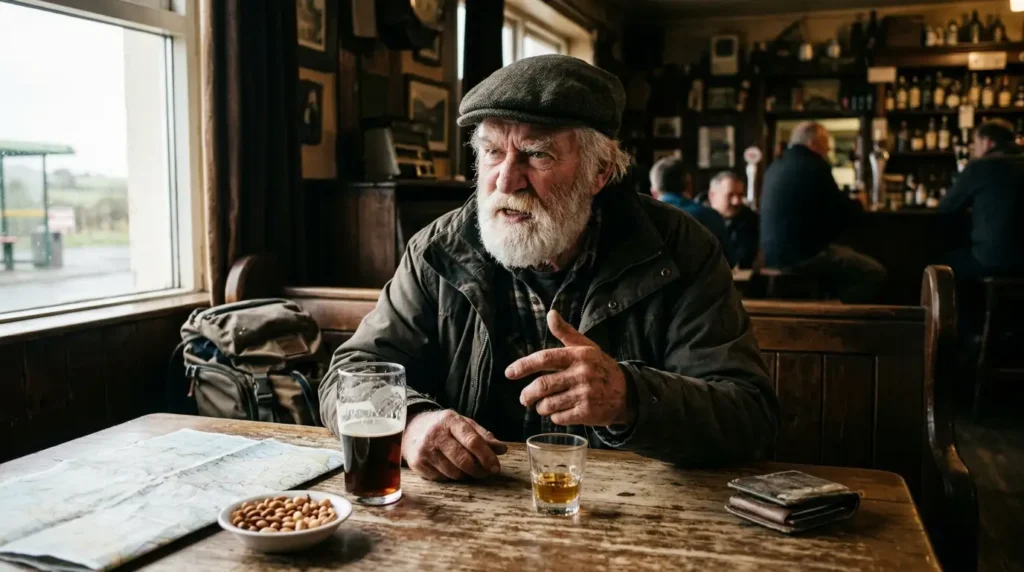
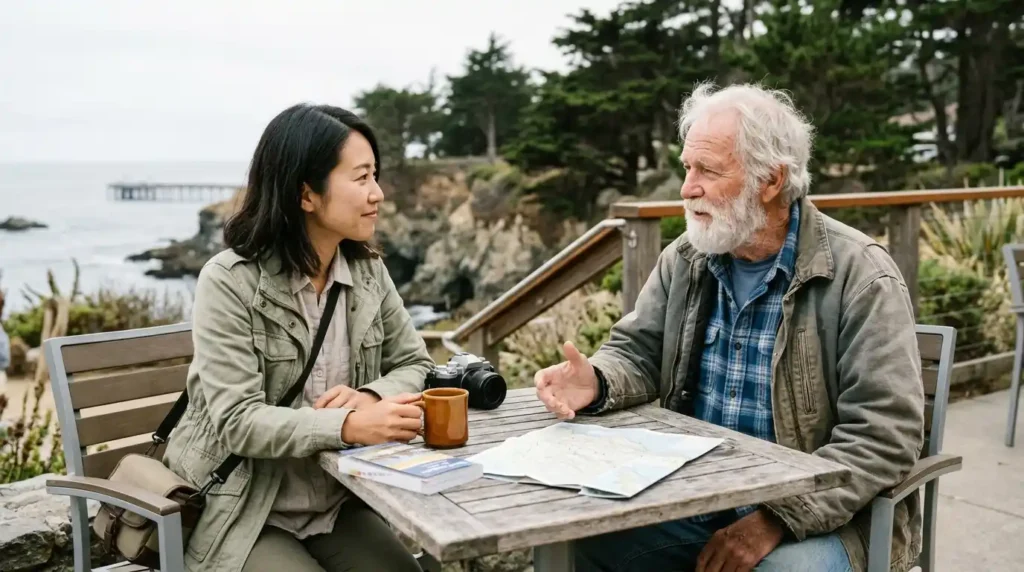
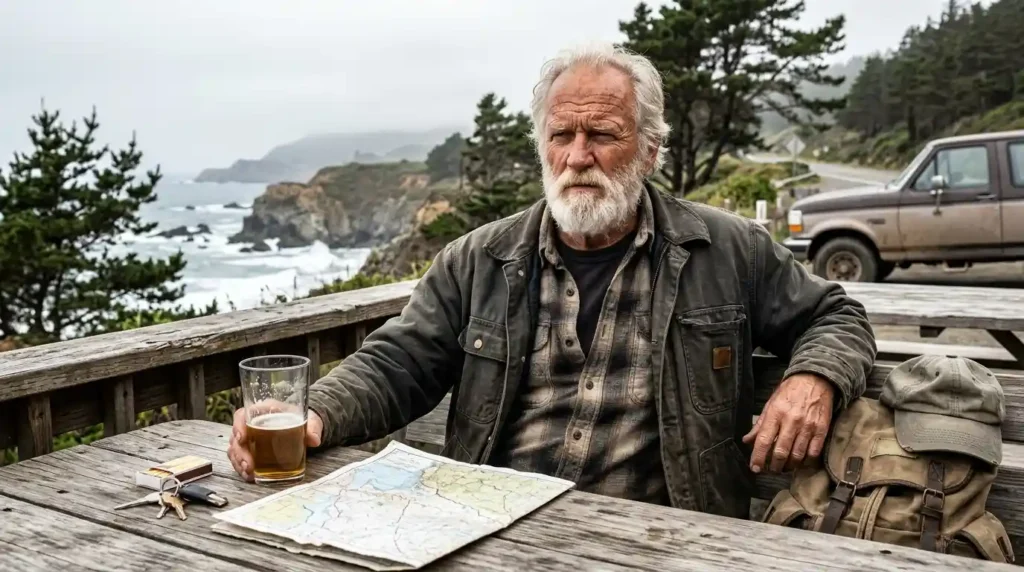
During her travels, the young woman meets an elderly man with a white beard.
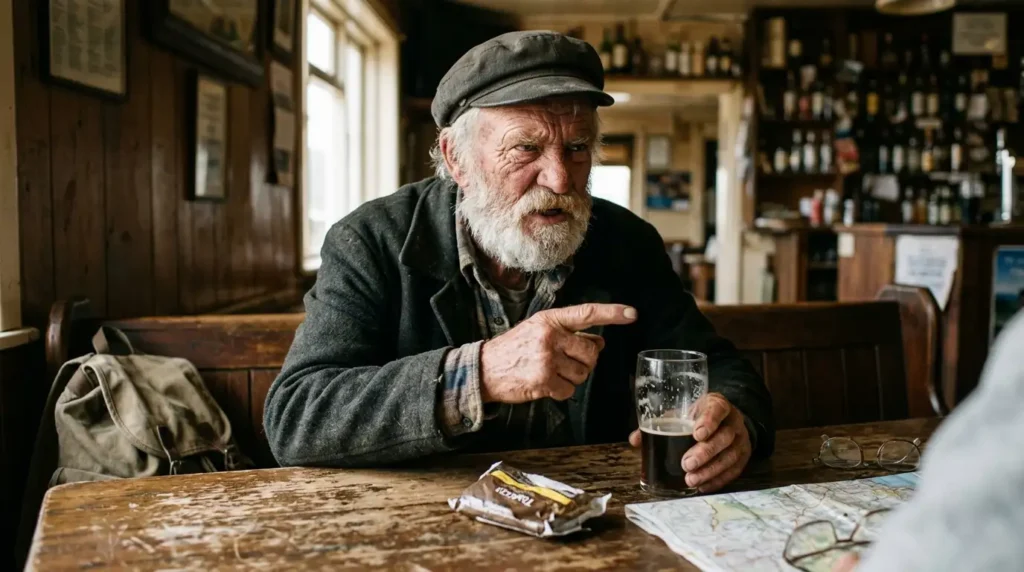
He is not portrayed as the ideal grandfather, endlessly gentle and loved by everyone. Instead, he seems somewhat stubborn, enjoys drinking, and has his own firmly held opinions. He is a man with a distinct personality.
This is one of the most interesting aspects of the song. Takahashi does not attempt to idealize the elderly man. By describing his appearance and behavior in concrete terms, she makes him feel like a real person.
After living for many years, everyone develops certain habits, preferences, and convictions. These qualities, even the less flattering ones, are part of what makes each individual unique.
Chapter 2: The Affection Behind the Name “Grandpa”
A Name That Suggests Closeness Rather Than Family Ties
In English, “Grandpa” is an affectionate word for a grandfather. However, the elderly man in this song is not the young woman’s actual grandfather.
They are strangers who happen to meet during her travels. Nevertheless, she calls him “Grandpa.”
Imagine how different the song might feel if it were titled “The Old Man” or “A Man I Met on My Travels.” The word “Grandpa” acknowledges the difference in their ages while also suggesting warmth, familiarity, and affection.
He tells the young woman that she reminds him of his own daughter. This helps explain the way he treats her.
Perhaps she brings back memories of his child, and he sees something familiar in this young traveler. There is a natural warmth in the way he welcomes someone he has never met before.
Life Experience Is Not the Same as Giving a Lecture
When older people try to offer advice to younger generations, their words can sometimes sound like a lecture. It is easy to assume that our own experiences provide the correct answers to someone else’s problems.
But the Grandpa in this song does not strike me as particularly overbearing. He talks about his own life and occasionally offers a gentle reprimand, yet he seems to leave the young woman room to think for herself.
Changing someone’s perspective does not always require profound advice. Sometimes, simply listening and sharing a little of our own experience can be enough.
That is the kind of mature, thoughtful behavior I find reflected in this song.
Chapter 3: Another Dimension of the Song — Mariko Takahashi’s Voice
Expressing Emotion Without Overexplaining It
The appeal of “Grandpa” lies not only in the story told through its lyrics. Takahashi’s vocal interpretation is equally worth listening to.
Many of her best-known songs explore the pain of love or overwhelming romantic passion. In contrast, her singing here often feels as though she is simply telling us about something the young woman experienced on her journey.
Her voice is light when describing the characters and subtly changes as the young woman’s feelings develop. She reminds us that emotional expression does not always require powerful, dramatic singing.
One thing I particularly enjoy is the way she phrases the lyrics. Even short lines contain natural pauses, giving listeners time to imagine the scene for themselves.
A Melody and Rhythm That Keep the Story Moving
The music was composed by Yuji Otaguro and arranged by Masaki Iwamoto.
Rather than presenting a heavy ballad dominated by sadness, the song has a flowing quality, almost as if the scenery of the journey were changing before our eyes.
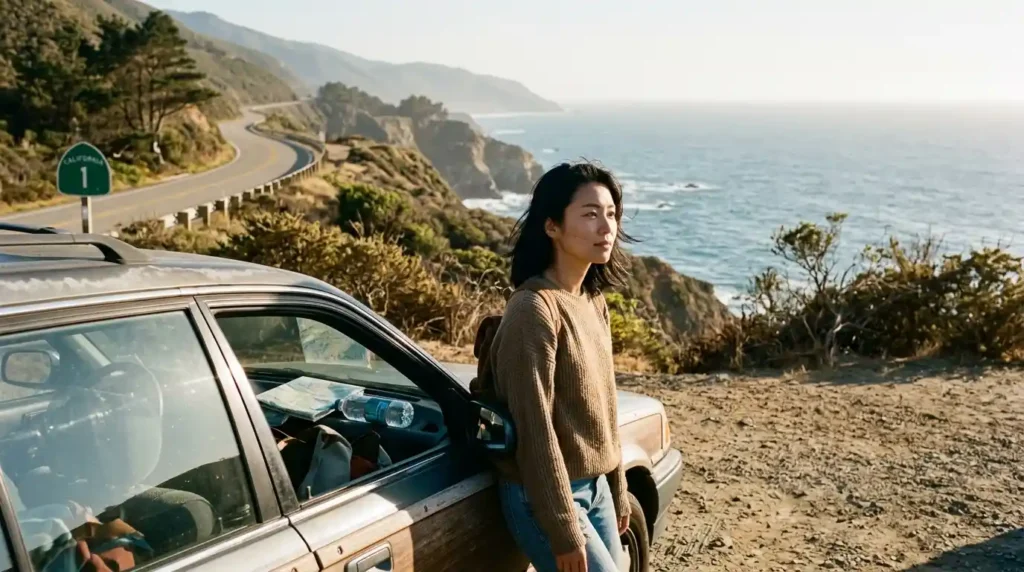
To my ears, the melody seems to move alongside the young woman as she travels. The words flow naturally, and before I know it, I find myself drawn into the world of the song.
Instead of relying entirely on a dramatic climax, the music remains engaging from beginning to end. That overall sense of balance is one reason the song is so enjoyable to revisit.
The Confidence of an Experienced Singer on Stage
The 2013 live performance introduced earlier is also well worth watching.
Performed a quarter of a century after the album’s original release in 1988, “Grandpa” offers a chance to see how a singer approaches her own work after so many years.
I believe that artists who have spent decades performing develop qualities that are different from those of their younger years. Beyond technical ability, they often gain the confidence and patience to let every word find its place.
With Takahashi, there is no need to exaggerate that maturity. Her posture, facial expressions, and even the moments before she begins singing convey how completely she has made the song her own.
Chapter 4: Somewhere Along the Way, I Became a Grandpa Too
Five Pairs of Shoes by the Front Door
Let me share a little of my own life here.
I have three grandchildren. The photograph below was taken at the entrance to my home in March 2025.

The two pairs on the right belong to me. The three pairs on the left belong to my grandchildren. At the time, they were in sixth grade, second grade, and about eighteen months old.
It was not taken on a special occasion. It is simply a photograph of shoes lined up by the front door.
Yet I am very fond of this picture. Looking at those small shoes brings back memories of the children running around the house and the ordinary conversations we shared.
Children grow up remarkably quickly. It seems like only yesterday that I was carrying them in my arms, and already their shoes are getting bigger. The everyday scenes we take for granted now will probably become treasured memories a few years from today.
How Growing Older Has Changed the Way I Listen
When I was younger, I think I tended to identify with characters in songs who were around my own age.
These days, however, when an older character appears in a story, I sometimes find myself looking at things from that person’s perspective. “Grandpa” is one of the songs that makes me aware of this change.
Of course, the man in the song and I have lived very different lives, in different countries and circumstances. Even so, perhaps there is something we share in the way we think about younger people.
Rather than insisting that my own opinions are correct, I would prefer to understand what someone else is thinking first. The older I get, the more important that attitude seems to me.
What Can I Leave Behind for My Grandchildren?
What can I leave behind for my grandchildren?
Money and possessions can certainly be useful. But I feel there must be something more. The time we spend together, casual conversations, and memories of places we have visited may someday become a source of comfort or encouragement.
That said, I have no intention of putting pressure on myself to be an exemplary grandfather. In fact, my grandchildren are often the ones who make me laugh, give me energy, and teach me something new.
I simply hope to be someone they feel comfortable talking to whenever they are uncertain about something. For now, that is my modest wish.

Chapter 5: The Answer the Young Woman Finds at the End of Her Journey
Making Her Own Decision
Toward the end of the song, the young woman decides to return to her boyfriend.
Before leaving, she may have been overwhelmed by frustration with him. But after talking with someone who has lived a very different life in an unfamiliar place, perhaps she begins to see things from another angle.
What matters here is that Grandpa does not make her decision for her.
We can listen to other people’s experiences, but ultimately we must decide what to do for ourselves. During her journey, the young woman seems to have found the space to sort through her feelings.
I find something refreshing about that ending. We do not know what eventually happens to her relationship. Nevertheless, her willingness to face it again gives the story a hopeful quality.
Brief Encounters Can Leave Lasting Memories
Over the years, I have met countless people through work and travel.
Some became lifelong acquaintances, while others were people I met only once and never saw again. What I find fascinating is that I can still remember something said by a person I spoke with for only a few minutes, even decades later.
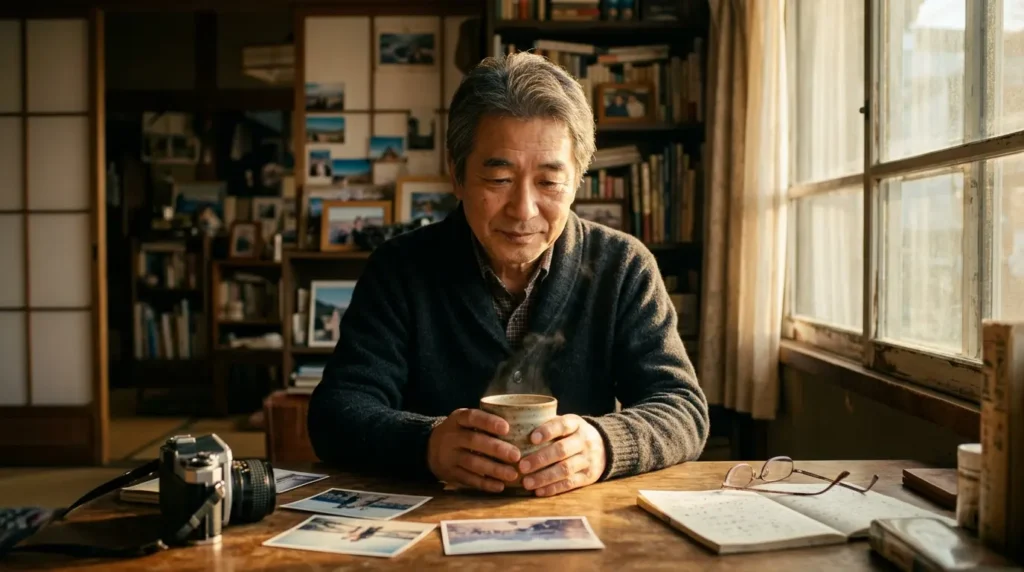
Sometimes, a remark that seemed unimportant at the time takes on an entirely different meaning years later. Life certainly has its share of moments like that.
When I listen to “Grandpa,” I find myself remembering not only the two characters in the song, but also some of the people I have encountered throughout my own life.
🎧 Closing Thoughts — The Lingering Charm of “Grandpa”
Among Mariko Takahashi’s many songs, “Grandpa” has a character all its own.
As its friendly melody carries the story forward, the events of an unexpected journey unfold naturally. By the end, it leaves a pleasant afterglow, rather like watching a short film.
My Personal Best 10: Mariko Takahashi — No. 10, “Grandpa.”
I hope you will take a moment to enjoy this memorable song and the warmth of Mariko Takahashi’s voice.

音楽ファン同士の交流・リクエストはこちら / Connect & Request Songs Here