- 🎧 Enjoy this article in audio
- #2 is “Dancing in the Dark”
- First, Please Listen to the Official YouTube Audio
- The “Cry” Concealed by the Glittering 80s Sound
- What it Means to Scatter “Sparks” in the Dark
- The Evolution of “How to Dance in the Dark” Seen in Live Performances
- As a Soundtrack of Life, Shared with Family
🎧 Enjoy this article in audio
Get a quick overview of the main points through this audio.
Recommended if you want a quick summary before reading the text.
🎵 English Narration
An English explanation of this article.
⏳ Playtime: approx. 3 minutes
🎶 Japanese Narration
The same content is available in Japanese.
⏳ Playtime: approx. 3 minutes
※ Listening to the audio before reading helps you grasp the song’s atmosphere and the article’s main points more vividly.
#2 is “Dancing in the Dark”
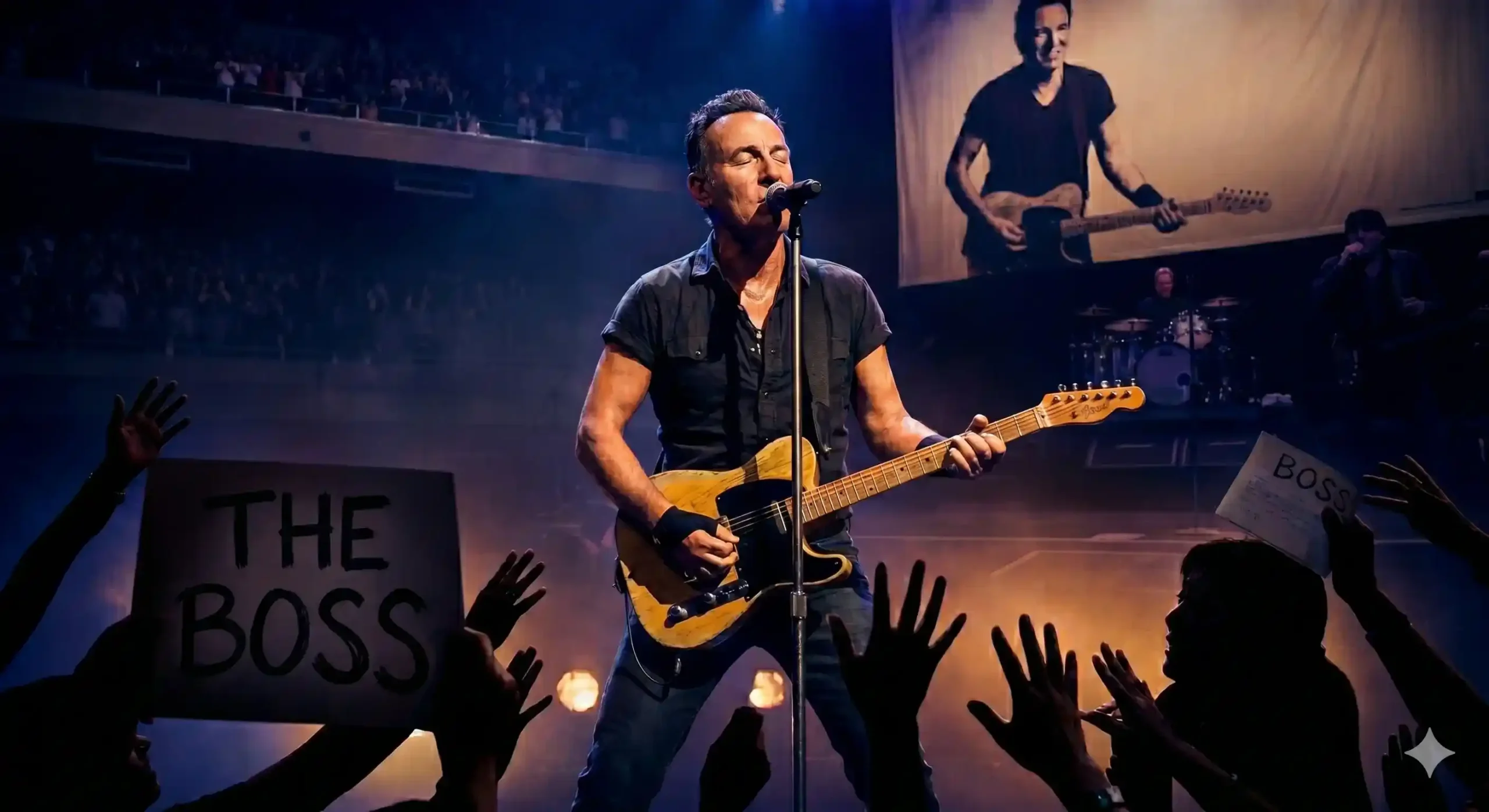
When discussing the career of an artist like Bruce Springsteen, there is perhaps no song as glamorous, yet simultaneously as “painful,” as this one.
Sweeping the world in 1984 as the lead single from the monster album Born in the U.S.A., I would like to unravel this song this time from the specific perspective of “recollection.”
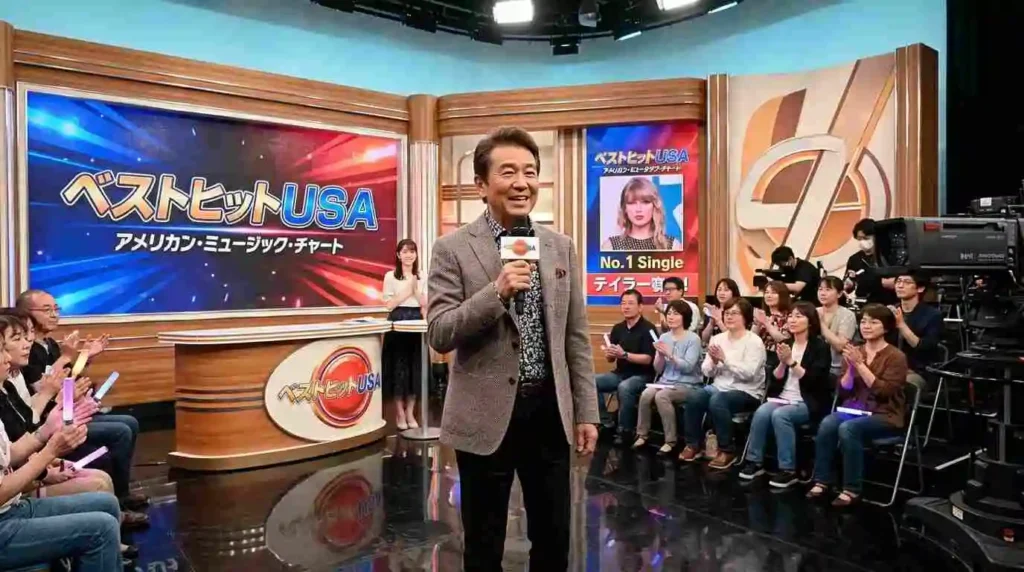
Back then, while glued to music programs like Best Hit USA, we absorbed the glittering synthesizer sounds through our CRT TVs, along with the desperate cry hidden behind them. 40 years have passed since then, and I have listened to this song countless times at various milestones in my life. The sound that reaches my ears today carries a completely different depth and color than it did back then.
Lyrical Interpretation
Whether it's night or morning, my heart is empty, and I'm just tired.
I refuse to just grow old and fade away like this; I need a spark to start something new.
A fire can't be started alone; what I need is a little spark and someone's gaze.
Even if I'm hurt, even if I can't see the future, if I start dancing in the dark, things can still change.
First, Please Listen to the Official YouTube Audio
Song Credits
Bruce Springsteen "Dancing In the Dark"
Original Title: Dancing In the Dark
Written and Composed by: Bruce Springsteen
Featured Album: Born in the U.S.A.
2-Line Commentary
The signature song of Bruce Springsteen that symbolizes his 1984 smash hit album Born in the U.S.A. It is an 80s rock masterpiece about stepping out to dance in the dark in search of a spark, despite carrying frustration and loneliness.
Song Credits
Original Title: Dancing in the Dark (Live In Barcelona)
Written and Composed by: Bruce Springsteen
Featured Video: Live In Barcelona
Recorded: October 16, 2002, Palau Sant Jordi, Barcelona, Spain
2-Line Commentary
A passionately heated live version featuring the E Street Band from the 2002 "The Rising Tour" show in Barcelona. It's a performance that immensely inflates the original song's impatience and pop elation through a deep sense of unity with the audience.
Song Credits
Original Title: Dancing In the Dark
Video: From Born In The U.S.A. Live: London 2013
Written and Composed by: Bruce Springsteen
Performed by: Bruce Springsteen & The E Street Band
Recorded: 2013, London / Hard Rock Calling
2-Line Commentary
A stadium-scale live version of the 1984 classic, performed at the 2013 London concert.
It's a legendary performance where the massive chorus of the crowd and the band's thick sound transform the original's frustration into celebratory euphoria.
The “Cry” Concealed by the Glittering 80s Sound
In 1984, the world was right in the middle of the MTV era.
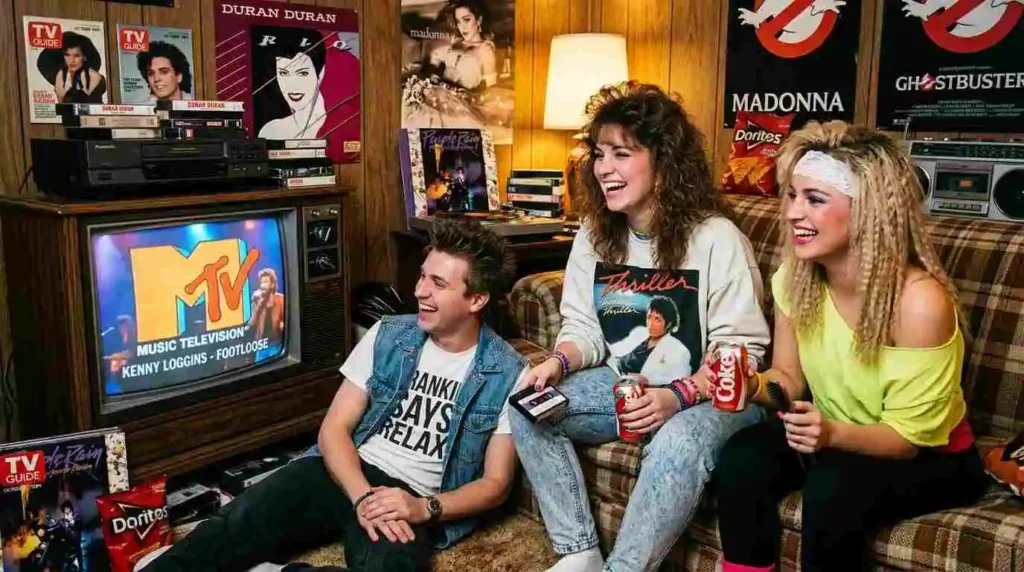
Flashy lighting, light steps, and a synthesizer riff that was groundbreaking for its time. When I first encountered this song, it jumped into my ears as an “endlessly bright and upbeat pop song.”
The music video (the very first video above), where Courteney Cox (*1) is pulled onto the stage to dance with him, left such a strong impression that I simply assumed it was just a fun song. Anyway, the Boss’s dance moves are incredibly sharp!!
However, listening to it closely now in a quiet room, I realize that the heart of this song is surprisingly freezing cold, blowing a desolate, dry wind.
Springsteen wrote this song at the very tail-end of the album’s production. There is a famous anecdote that his producer, Jon Landau, heavily pressured him, saying, “The album needs a guaranteed hit song,” leading Springsteen to write it in his hotel room, driven half by anger and exhaustion. Knowing this background and listening again, it becomes painfully clear that the opening spit-out phrases—”I get up in the evening, and I ain’t got nothing to say,” “I’m just tired and bored with myself”—were not just a narrative introduction, but the actual, real-life exhaustion and frustration he was feeling at the time.
(*1)
Courteney Cox is a famous American actress. Today, she is widely known for roles such as Monica in the global hit drama Friends and Gale in the Scream movie series.
At the time the music video for “Dancing in the Dark” was produced in 1984, she was still an unknown rookie actress. Handpicked by the video’s legendary director Brian De Palma to play an “enthusiastic fan” in an audition, she acted out the scene of being pulled up onto the stage from the front row by Bruce Springsteen to dance together.
As this music video was broadcast repeatedly worldwide on MTV and other channels, her face became widely recognized, serving as a crucial catalyst for her subsequent major breakthrough in Hollywood.
What it Means to Scatter “Sparks” in the Dark
The striking line that appears at the core of the lyrics: “You can’t start a fire without a spark.” This is by no means just a beautiful metaphor; it resonates as an urgent prayer, akin to his own survival instinct.

We often make excuses to stand still, waiting until all preparations are made or until our circumstances improve before making a move. However, what Bruce sings so powerfully in this song is an extremely stoic and harsh message: it is exactly in the worst conditions—in the “Dark” where you can’t see a thing—that you must throw yourself into danger like a “Gun for hire,” force friction, and scatter sparks.
The desperation of singing, “Wanna change my clothes, my hair, my face,” is not a privileged worry unique to the youth. It is the very “fear of stagnation” that visits us at unexpected moments, no matter what stage of life we are in.
That is the reason why I have chosen “Dancing in the Dark” as my #2 pick this time. I find myself overwhelmed once again by the singularity of a song that completely portrays such raw, personal frustration and rebirth behind a glamorous pop sound.
The Distance to the Song, Changing After 40 Years
Back in the 80s, we used to blast this song at full volume on our car stereos, simply surrendering ourselves to the rhythm. I don’t think the “me” back then could understand the taste of blood Bruce was shedding deep within the lyrics. All I could see was the figure of a shining star climbing the hit charts.
However, after many long years, this song shows a completely different face. Dancing in the dark is by no means because it’s fun. We step frantically because we know that if we don’t keep dancing, something inside us will completely die.
The Evolution of “How to Dance in the Dark” Seen in Live Performances
Now, touching upon the live videos introduced above, I would like to look at how this song has evolved in the live space and how it has aged alongside us fans. The perfected pop sound is wonderful, of course, but Springsteen’s true essence undeniably lies in the moments he directly scatters “sparks” with the audience on stage.
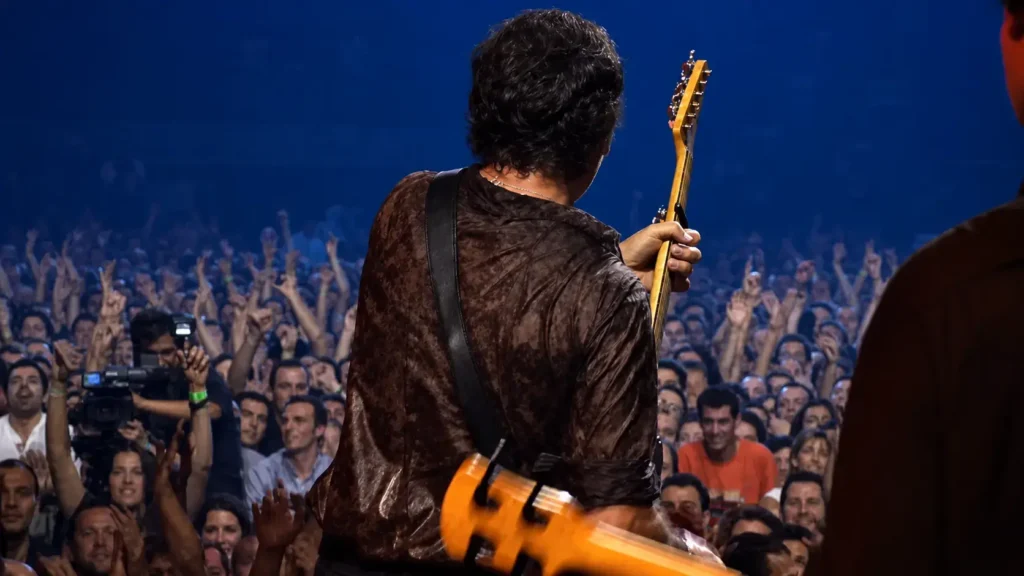
The second video you saw earlier, the live footage from Barcelona, Spain in 2002. There is not a single trace here of the slightly bashful young man seen in the 80s music video. Bruce, having entered his 50s, with his chest bared, literally scraping away his heart and soul while strumming his guitar, is incredibly raw and overflowing with overwhelming vitality and intensity.
It is in this era’s performances that the lyric “You sit around gettin’ older” echoes with a much heavier, more real meaning than when it was first released.
He himself, and we who have followed him for many years, have certainly aged. The indulgence of “youth” and the excuse of immaturity no longer apply. That is precisely why the energy he unleashes on stage strikes our hearts as an urgent declaration of resolve: “Even so, we are going to live.”
As a Soundtrack of Life, Shared with Family
And one more thing that is absolutely indispensable when recounting my memories is the third video I introduced, the footage from the 2013 London concert.
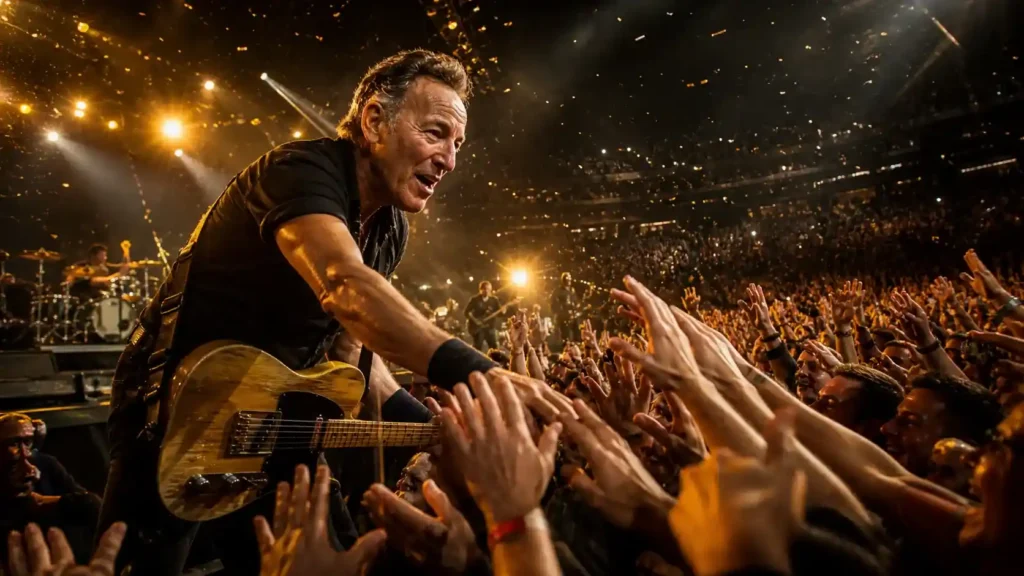
I still clearly remember the shock I felt when I first saw this video, and the warm emotion that gently spread afterward. He recreated that iconic scene from the 1984 music video—where he pulled a young Courteney Cox up from the audience to dance with him—with his very own mother.
Bruce dancing with a huge smile alongside his mother, Adele, who was already nearing 90 at the time. The frustrated youth who once sang of being “bored with myself” and “searching for a spark in the dark” is, at the end of a long, long journey, laughing together with his family on stage like this. The former sharpness that bared its fangs, claiming “Stay on the streets of this town and they’ll be carvin’ you up alright,” has subsided, and what remains there is a deep affection that seems to embrace everything.
The “isolation” and “feeling of being trapped” that this song inherently possessed have, over the course of more than 30 years, beautifully transformed into “forgiveness” and “acceptance,” much like a matured wine. We listeners are the same. Having passed through the stinging frustrations of our youth and carrying various burdens on our backs, we are now entering the autumn of our respective lives. Rather than denying the anxieties of those days, we just need to embrace it all and take our own steps forward now. I can’t help but feel that the footage of this London concert gently affirms our very journey in this way.
I am sure I’m not the only one who gets teary-eyed watching this video of the Boss dancing so joyfully with his mother.
An Endlessly Continuing Dance
“Messages keeps gettin’ clearer.”
As sung in the middle of the lyrics, now, more than 40 years after its release, the contours of the song “Dancing in the Dark” have become clearer than ever before. It is not merely a glorious 80s nostalgia. It is an extremely present-progressive anthem for surviving today and heading towards tomorrow.
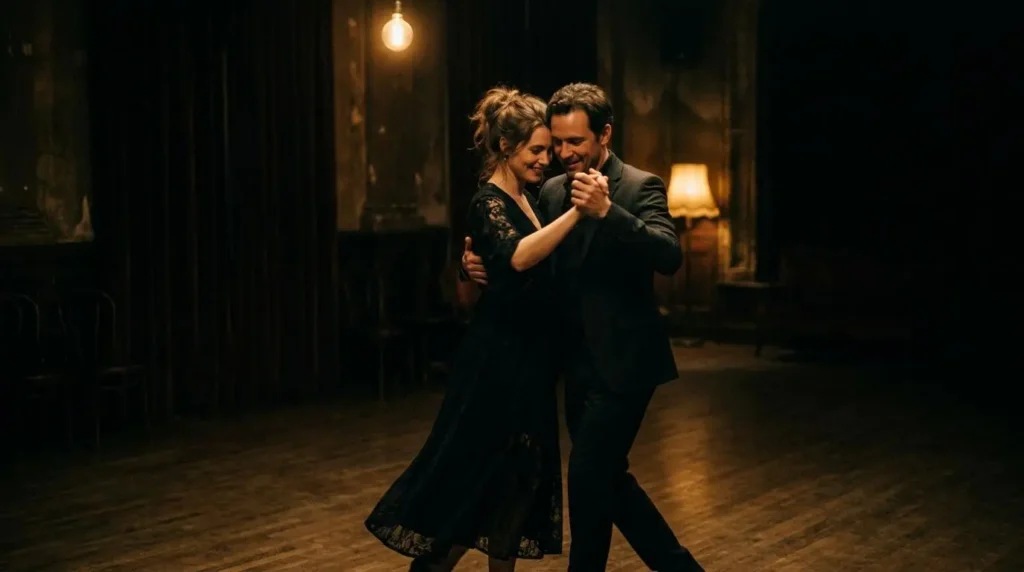
There is no need to fear the dark. This song teaches us that standing still, lamenting our fate, and doing nothing is what’s truly terrifying. If we are going to be in the sightless dark anyway, we might as well forcefully swing our arms, move our legs, and try dancing. If we do that, some small friction will surely occur somewhere, and sparks will fly. Those very sparks will become the modest light that illuminates the rest of our lives.
Well then, my Personal Best 15 will finally reach its conclusion next time. For you readers who have walked a long time alongside Springsteen, you might already have realized what song is left for the #1 throne. Please look forward to the next update.
音楽ファン同士の交流・リクエストはこちら / Connect & Request Songs Here