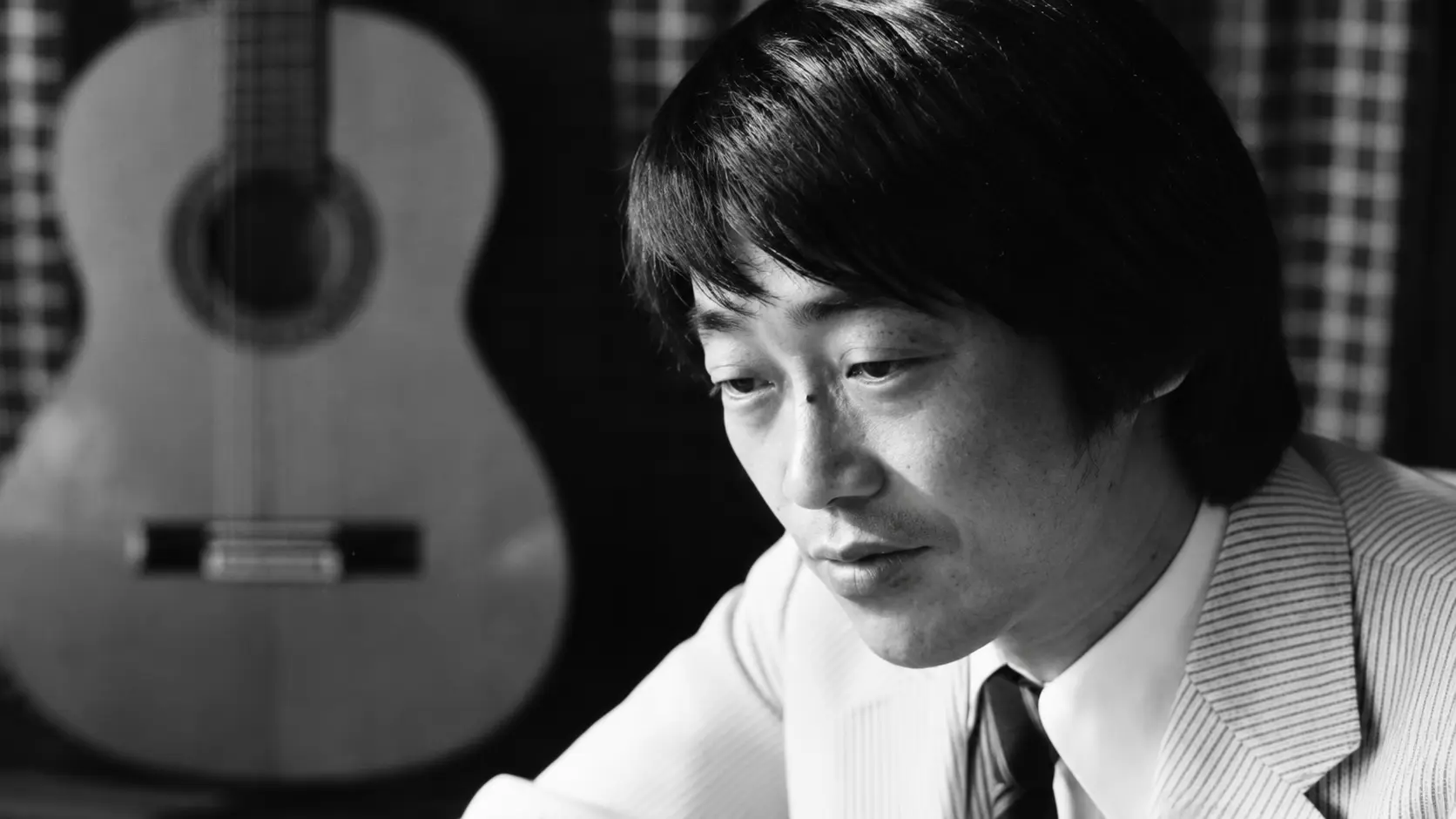
Discover the Story of Koichi Morita!
- 🎧 Enjoy This Article in Audio
- No. 5 is “Kanashimi o Koraete.”
- First, listen to Koichi Morita sing “Kanashimi o Koraete.”
- The Meaning of “Koraete” — Holding It Back
- The Melancholy Created by the Melody
- A Voice That Feels Real
- Where Yu Aku’s Words and the Music Come Together
- Released in the Wake of the Success of “Seishun Jidai”
- Why I Chose It as No. 5
- In Closing
🎧 Enjoy This Article in Audio
Listen to a concise narration covering the key points of this article.
Recommended if you want to get a feel for the melancholy world of “Kanashimi o Koraete” and the overall flow of the article before reading.
🎶 English Narration
An English narration introducing the content of this article.
🎵 Japanese Narration
A Japanese narration introducing the content of this article.
Listening first will help you get a better sense of the mood of “Kanashimi o Koraete” and the key points of the article.
No. 5 is “Kanashimi o Koraete.”
“Kanashimi o Koraete” (Holding Back the Sadness) is a song by Koichi Morita & Top Gallants, with lyrics by Yu Aku and music and arrangement by Koichi Morita.
Originally released as the B-side of the single “Omoide no Piano,” it was also included on the album Omoide no Piano, released on March 21, 1977.
The song appeared during the period when “Seishun Jidai” had become a major hit. Overshadowed by that celebrated signature song, “Kanashimi o Koraete” never became nearly as widely known.
When I first heard this song, what struck me most was its indescribable sense of melancholy. It does not hit you with overwhelming force, yet the sadness seems to deepen gradually as the song unfolds. Even after it ends, the feeling does not immediately disappear.
As the title “Kanashimi o Koraete” suggests, the person at the center of this song does not openly reveal what he feels. Instead, he tries to carry what lies within him entirely on his own.
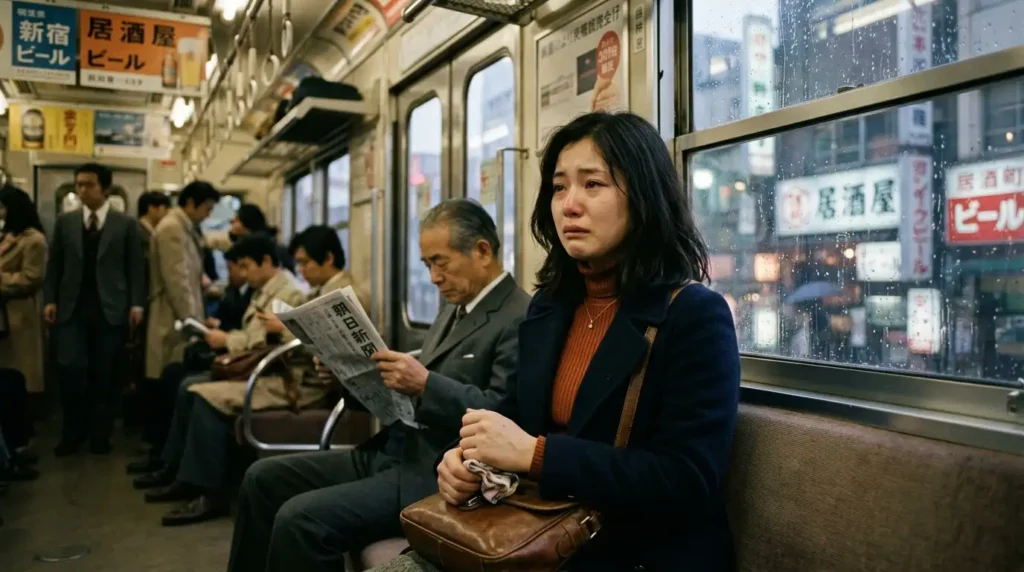
My Interpretation
Sadness is not something to show to others.
Holding back the tears that threaten to fall, I keep it locked away inside.
There are feelings that refuse to disappear, no matter how hard I try to forget.
And still, I go on as though nothing has happened.
First, listen to Koichi Morita sing “Kanashimi o Koraete.”
(This is not an official video, so I have linked it through the image below. Click the image to listen.)
Credits
Koichi Morita & Top Gallants — “Kanashimi o Koraete”
Lyrics: Yu Aku
Music & Arrangement: Koichi Morita
Originally released as the B-side of the single “Omoide no Piano”
In Two Lines
A B-side to “Omoide no Piano,” pairing Yu Aku’s poignant lyrics with Koichi Morita’s melancholy melody.
The restrained vocal performance deepens the quiet sadness that permeates the entire song.
The Meaning of “Koraete” — Holding It Back
Whenever I think about this song, I find myself returning to its title.
Yu Aku did not choose a title that simply refers to “sadness.” He called it “Kanashimi o Koraete” — “Holding Back the Sadness.” That single expression, “koraete,” reveals not only the emotion itself, but also the person struggling to contain it.
What Becomes Visible by Remaining Unspoken
There is no attempt to tell someone how painful it is, nor to put everything into words. Instead, the feeling is held within. I think this restraint is what gives the entire song its melancholy character.
When emotions are expressed intensely, the pain of that moment is easy to understand. But the act of holding something back contains a stretch of time that others cannot see. Outwardly, life may appear unchanged, while inwardly the heart has still not found a way to settle.
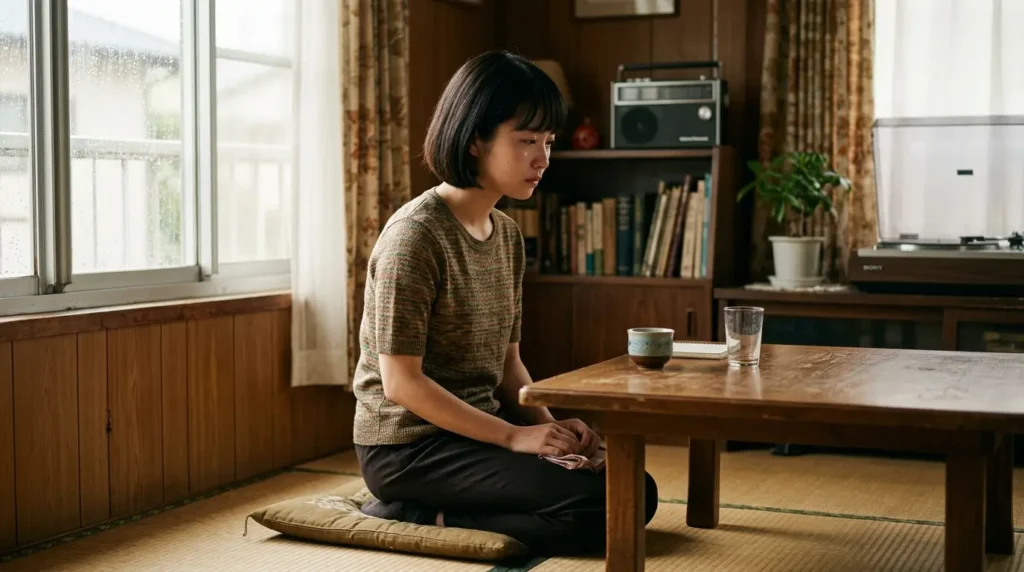
A Feeling with Nowhere to Go
What I hear in this song is not a heart beginning to move toward some resolution. It feels more like time continuing to pass while something unresolved remains inside.
The human heart does not necessarily reach an ending simply because an event itself is over. We may understand intellectually that something belongs to the past, while our feelings remain stranded somewhere behind.
To me, “Kanashimi o Koraete” carries just such a heart with nowhere to go. That is why the song does not leave me with a sense of resolution when it ends. That very inability to neatly resolve the feeling is part of its appeal.
The Melancholy Created by the Melody
A major reason this song feels so deeply melancholy to me lies in the melody itself.
It does not pull the listener forward through dramatic peaks. Instead, it seems to move along somewhere low and subdued. Almost from the moment it begins, I find myself surrounded by the song’s distinctive atmosphere.
A Feeling That Never Quite Clears
Even as the song moves forward, the landscape never seems to brighten. There is a quiet sense of vulnerability in that.

What strikes me especially is how naturally the movement of the music fits the word “koraete” in the title. The song never creates a point where everything suddenly bursts out. Instead, it moves forward while holding on to a quiet inner tension.
Because of that, the listener is never allowed to completely relax either.
Its Restraint Is What Makes It Reach So Deeply
There is no elaborate device designed to emphasize the sadness. Yet to me, the song sounds profoundly melancholy. Perhaps because the music does not dictate how we should feel, we are free to bring our own memories and experiences into it.
Rather than explaining sadness, the song quietly leads us into it.
That feeling is one of the things I find so compelling about it.
A Voice That Feels Real
Just as memorable as the melody is Koichi Morita’s own singing.
He delivers the words calmly, without displaying vocal power or technique for their own sake. That understated presence suits “Kanashimi o Koraete” remarkably well.
The Singer Never Pushes Himself to the Foreground
I never get the sense that this voice is trying to impress me with how well the song is being sung. He seems simply to step inside the music he created and deliver only the words that need to be heard.

Because his presence remains so restrained, my attention shifts away from the singer himself and toward the person who seems to inhabit the song.
As If Quietly Speaking from the Heart
Rather than acting out a character, he sounds to me like a man quietly speaking about something buried inside him. He never raises his voice or dresses the song in more emotion than it needs. And yet the person behind the words somehow feels remarkably close.
It is the voice of someone carrying something he cannot put into words.
For this song, that kind of unadorned sound feels exactly right.
Where Yu Aku’s Words and the Music Come Together
While working through this miniBest7, I found myself thinking again and again about the combination of Yu Aku and Koichi Morita. The lyrics do not explain everything. Instead, they make me want to imagine what lies beyond the words.
The Words Do Not Tell the Whole Story
If every detail of the human heart were written out, the story would certainly be easier to understand. But this song leaves some things unsaid. The melody and the voice take over where the words stop.
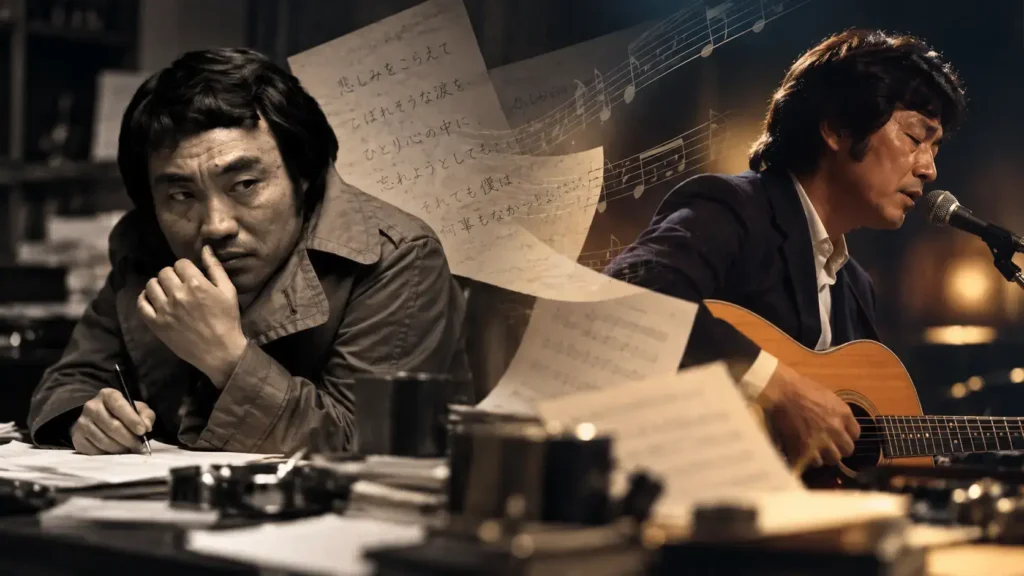
Yu Aku’s words become music, and the composer himself sings them. None of these elements competes for attention; instead, they settle naturally into a single world.
What Emerges When All Three Come Together
There are things the lyrics alone cannot fully convey, just as there are places the melody alone cannot reach. Add that unadorned voice, and the song takes on its own distinctive emotional temperature.
It is not the lyrics, the music, or the singing alone that stands out. Only when all three come together does the true character of the song emerge.
That may also explain why I keep wanting to hear it again.
Released in the Wake of the Success of “Seishun Jidai”
“Kanashimi o Koraete” appeared during the period when Koichi Morita & Top Gallants had become widely known through the success of “Seishun Jidai.”
Released on August 21, 1976, “Seishun Jidai” went on to rank No. 2 on Oricon’s annual chart for 1977 and became one of the group’s defining songs.
Revisiting a Song That Was on the B-Side
In the period following that major hit, “Omoide no Piano” was released, with “Kanashimi o Koraete” on the B-side.
When one signature song becomes enormously famous, it is easy to let that single track define our image of an artist. But when we explore the rest of the catalog, we sometimes encounter songs that do not fit neatly within that familiar image.
Listening Beyond the Old A-Side and B-Side Hierarchy
In the age of vinyl records, the A-side and B-side had clearly different positions. Nearly half a century later, however, we can leave that hierarchy behind and play each song on equal terms.
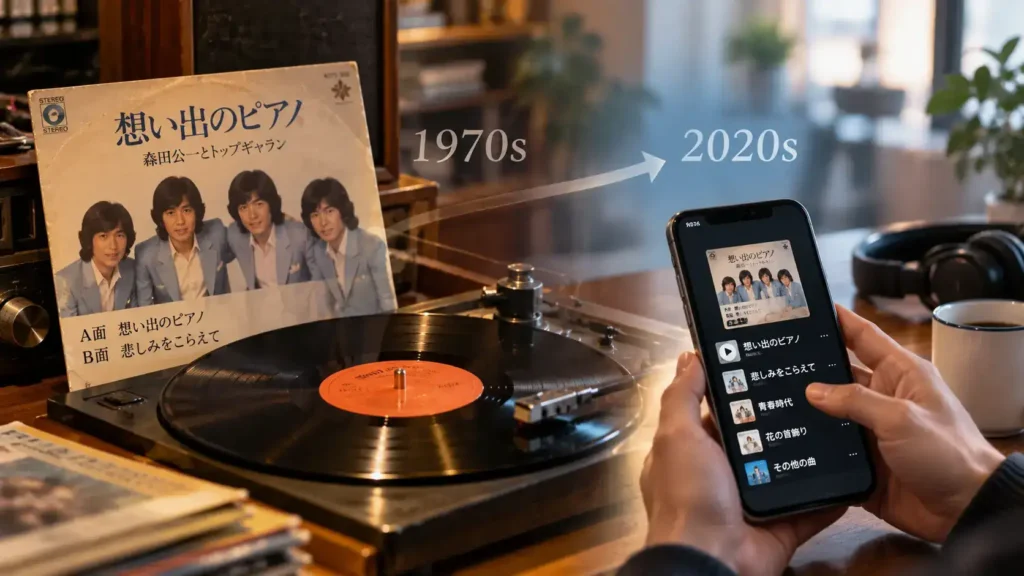
We can set aside how famous a song was or how well it sold when it first appeared, and simply listen again with our own ears. That is one of the pleasures of returning to music from the past.
Why I Chose It as No. 5
I did not decide from the outset that this song would rank near the top. But after listening to it several times, I found it coming back to me unexpectedly, and I would play it again.
Unassuming, Yet Hard to Forget
Unassuming, yet hard to forget.
For me, that is an important quality in music that stays with us over the years. More than the force of a first impression, there are songs that gradually become more significant because we find ourselves wanting to hear them again after some time has passed.
“Kanashimi o Koraete” is exactly that kind of song for me.
After returning to it again and again, I eventually placed it at No. 5 in this miniBest7.
In Closing
What first caught my ear was the melancholy that seems to cover the entire song.
As I listened more closely, I gradually began to understand where that feeling came from: the word “koraete,” the sinking melody, and the unadorned voice. They fit together without strain.
There are things kept deep inside us that can sometimes be felt more strongly precisely because they are never spoken aloud.
“Kanashimi o Koraete” has been one of my favorite songs for a long time, a song that has always stayed with me. Looking at it closely again for this article has helped me understand a little better why I have been drawn to it for so long.
Quiet, melancholy, and somehow impossible to shake from the heart.
Even after the music ends, something of its feeling remains for a while. That, for me, is “Kanashimi o Koraete.”

音楽ファン同士の交流・リクエストはこちら / Connect & Request Songs Here