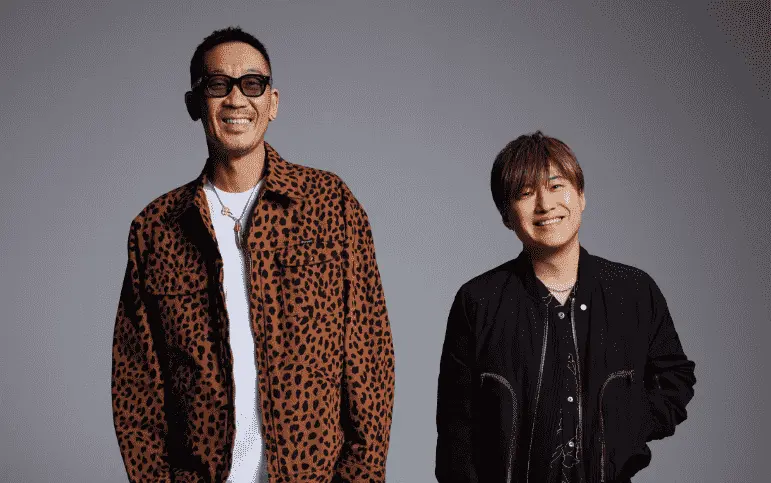
The history of Kobukuro is…Click here!
🎧 Listen to This Article
You can quickly explore the key points of this article through narration.
This audio is recommended for readers who want to understand the world of Kobukuro’s “Sakura” and why I chose it as number one before reading the full article.
🎵 English Narration
This audio introduces the content of the article in English.
🎶 Japanese Narration
This audio introduces the content of the article in Japanese.
Listening before reading will help you understand the song’s themes of memory and renewal, as well as why “Sakura” holds the number-one position in this ranking.
Number One Is “Sakura”
After counting down my ten favorite Kobukuro songs one by one, I have finally reached the top of the ranking. My number-one choice is “Sakura,” released on November 2, 2005.
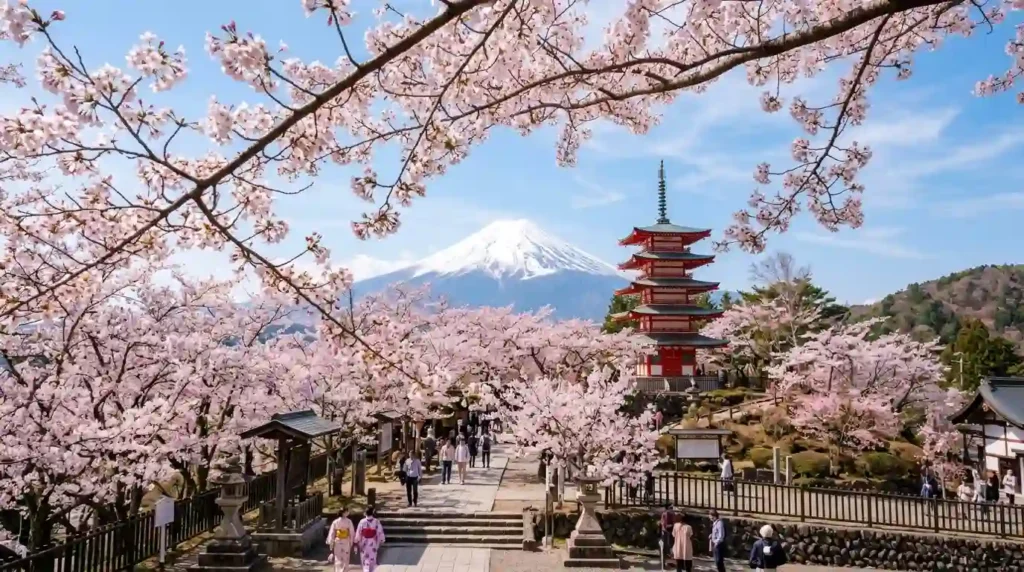
Kobukuro has many songs that could justifiably have taken the top position, including “Tsubomi,” “Koko ni Shika Sakanai Hana,” and “Ryusei.” Even among those remarkable songs, however, “Sakura” occupies a place of its own for me.
“Sakura” contains more than the sound of two voices. It carries the place where Kobukuro’s journey began, as well as the compassionate gaze they have continued to direct toward human life. This song possesses a significance that cannot be measured simply by comparing artistic perfection or record sales.
My Interpretive Translation
Even a nameless feeling, frozen through the winter, discovers spring again when someone calls to it.
The tears shed through days of separation slowly become a quiet strength within the heart.
No matter how many seasons pass, the flower blooming inside you will never wither.
Whenever the petals loosen into the wind, the cherry blossoms of that day bloom once more in your heart and mine.
💡 You might also like: View the original Japanese lyrics (External site)
If the lyrics are available only in Japanese, you can use your browser’s translation feature or an AI translation tool to understand their general meaning.
First, Listen to the Song on YouTube
Shared Credits
Song: Sakura
Performed by: Kobukuro
Lyrics by: Kentaro Kobuchi and Shunsuke Kuroda
Music by: Kentaro Kobuchi and Shunsuke Kuroda
Label: Warner Music Japan

“Sakura” was released on November 2, 2005, as Kobukuro’s twelfth single. Because it competed with “YELL” and “Bell” to become their major-label debut song, Kobukuro’s official website describes it as their “lost debut song.”
1. Kobukuro — “Sakura”
Video type: Official music video
Published by: Kobukuro Official Channel
Original release date: November 2, 2005
Release: 12th single, “Sakura”
Video release: “Sakura” video clip included with the limited first-reservation edition DVD
Two-Line Commentary
This music video connects a nameless flower with an unforgettable memory and a life attempting to rise once again.
Its winter-tinged scenery reveals a world that cannot be expressed through the beauty of cherry blossoms alone.
2. Kobukuro — “Sakura” from KOBUKURO LIVE TOUR ’08 “5296”
Video type: Official live performance
Concert: KOBUKURO LIVE TOUR ’08 “5296” FINAL
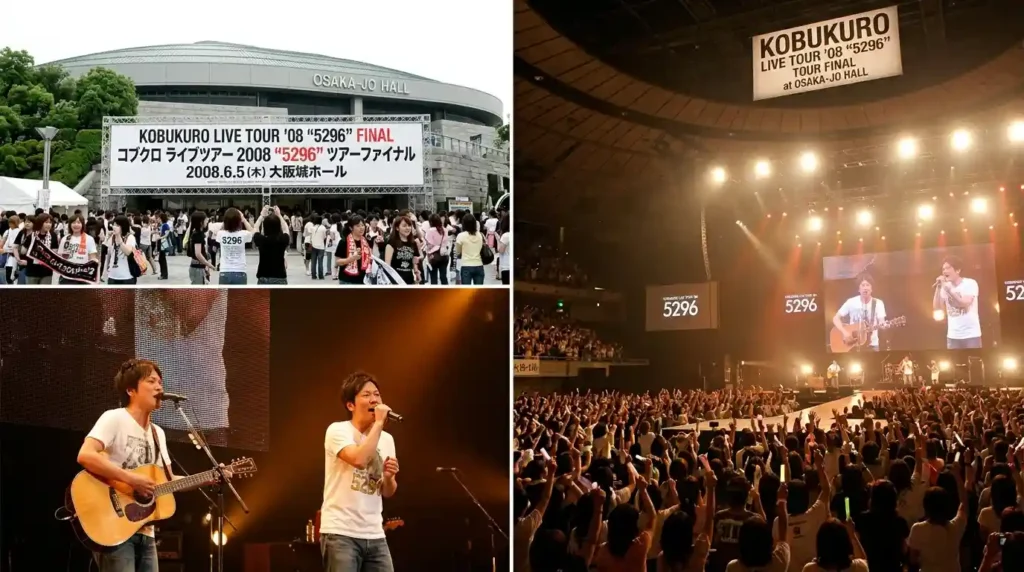
Recorded: June 5, 2008
Venue: Osaka-jo Hall
Performance format: Kentaro Kobuchi’s acoustic guitar and the voices of both members
Video release: “KOBUKURO LIVE TOUR ’08 ‘5296’ FINAL”
Release date: October 8, 2008
Two-Line Commentary
Although performed at the final concert of a major tour, “Sakura” is delivered primarily through an acoustic guitar and the voices of the two members.
Rather than decorating a celebrated hit, the performance reveals the song as it existed before Kobukuro’s major-label debut.
A Song About More Than Cherry Blossoms in Full Bloom
Despite its title, “Sakura” does not look only at the radiant beauty of spring in full bloom.
It contains life sleeping through the cold, a flower that may never bear fruit, two people who long to meet but cannot, and a pain that cannot be put into words. The song embraces not only visible beauty but also the long period of endurance before a flower can bloom.
Cherry blossoms return every year. Yet we can never see them again with the same person, in the same place, and with exactly the same feelings. Although the seasons come around, human time never moves backward.
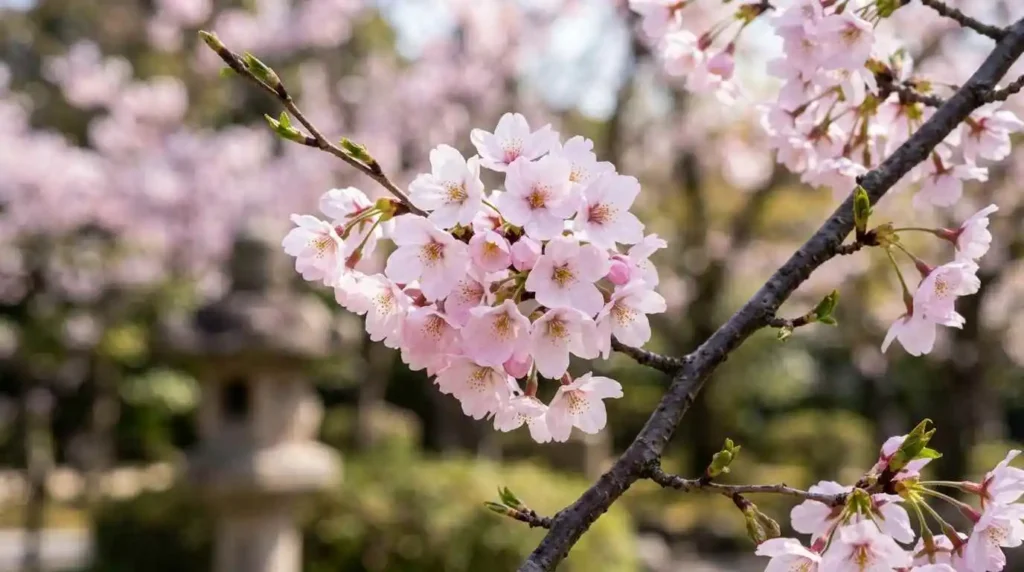
“Sakura” does not merely lament that irreversibility. It portrays how something lost can remain within the heart and gradually become part of the strength that allows a person to keep living.
Another Spring Beyond Farewell
The song carries a sense of parting associated with graduation and departure. However, viewing “Sakura” only as a graduation song means overlooking what lies at its heart.
The song does not teach us how to bring a farewell to a graceful conclusion. Nor does it explain how to erase our feelings for someone we can no longer meet.
It portrays a person who carries something unforgettable and begins walking again without abandoning that memory. For me, that figure represents the true spring depicted in “Sakura.”
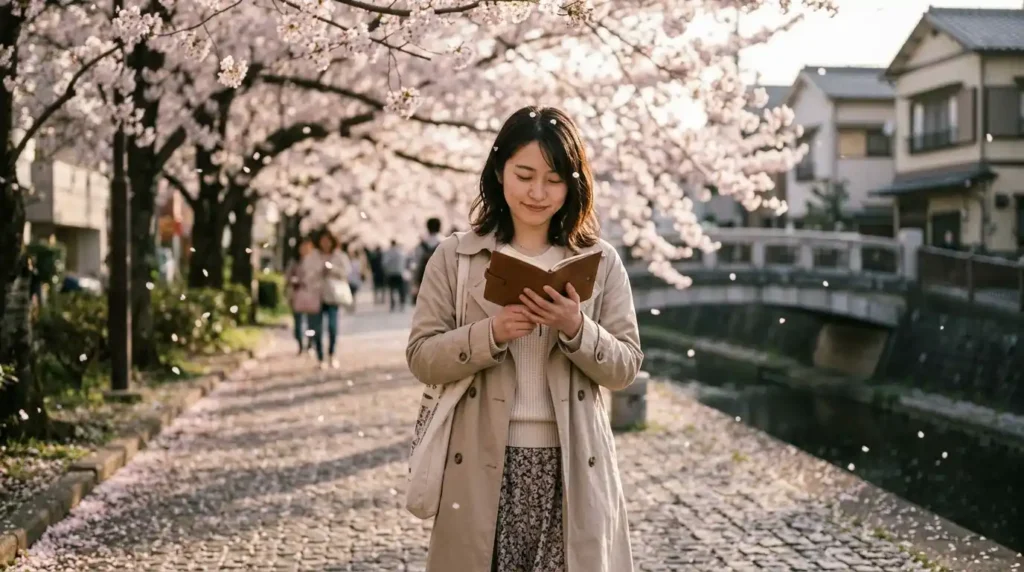
Two Videos, Two Visions of “Sakura”
The two videos featured in this article present the same song while serving distinctly different purposes.
The music video transforms the images suggested by the lyrics into scenes involving people and landscapes. The 2008 concert footage, by contrast, documents the inherent strength that “Sakura” possessed before it became widely known.
The Music Video — Giving a Name to a Nameless Flower
The flower that appears at the beginning of “Sakura” is not a magnificent cherry tree in full bloom that makes everyone stop and look. It is a single flower that does not yet have a name.
Giving something a name means recognizing the life before us and preserving its existence in our memory. Its value does not arise only after it blooms beautifully. The song turns its attention to the simple fact that the flower continues to live while enduring the cold.
The music video does not confine the lyrics to a single definitive story. Expressions and seasonal landscapes appear as fragments, awakening different memories according to each viewer’s experience.
Even a Flower That Bears No Fruit Has Lived Through Its Season
The song also portrays a flower that never bears fruit. Such a flower might ordinarily be regarded as a life that failed to produce a result, but “Sakura” does not determine its value by the outcome alone.
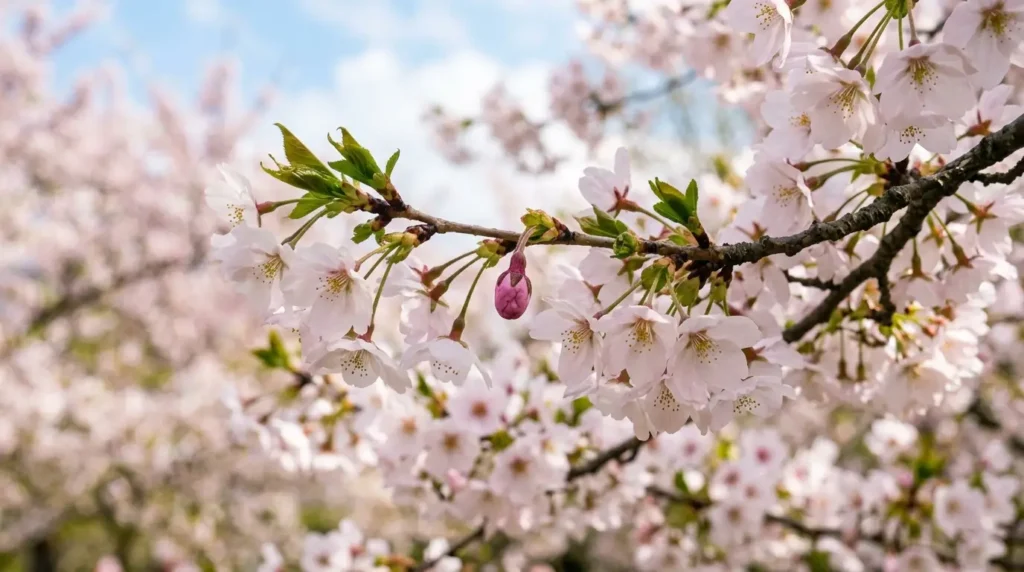
Even a period of life unknown to anyone else contains proof that someone truly lived.
The idea of naming a nameless flower expresses a determination not to erase a life or feeling simply because others might overlook it.
The Live Performance — Returning to the Song Before It Became a Major Hit
The concert held at Osaka-jo Hall on June 5, 2008, was the final performance of KOBUKURO LIVE TOUR ’08 “5296.”
Although the concert took place in a large venue, this performance of “Sakura” centers on Kentaro Kobuchi’s acoustic guitar and the voices of the two members. Rather than layering the arrangement with ever more sound, it allows the melody and words to reach the audience directly.
A Song That Existed Before Their Major-Label Debut
According to Kobukuro’s official website, “Sakura” competed with “YELL” and “Bell” to become their major-label debut song, prompting intense discussion.
In the end, “Sakura” was not chosen as their debut song. It was released in 2005 as their twelfth single. However, it was not a monumental work created after they had achieved success. The song had already been part of Kobukuro’s journey before the wider public knew the two men.
That history gives the Osaka-jo Hall performance its special meaning. The size of the stage and the number of listeners may have changed, but the song is still sustained by the same clear foundation: an acoustic guitar and two voices.
The larger the venue in which “Sakura” is performed, the more clearly we recognize that the song stood at the beginning of their journey.
The live footage does not show the two musicians displaying their success. It shows them, after traveling a great distance, using their present voices to revisit a song they possessed from the beginning.
Why “Sakura” Does Not Erase Sorrow
In “Sakura,” neither tears nor smiles are treated as the only correct response. Sorrow is not replaced by joy, and farewell is not rearranged into nothing more than a beautiful memory.
After losing someone important, a person cannot return to exactly who they once were. Yet being unable to return does not mean being unable to live.
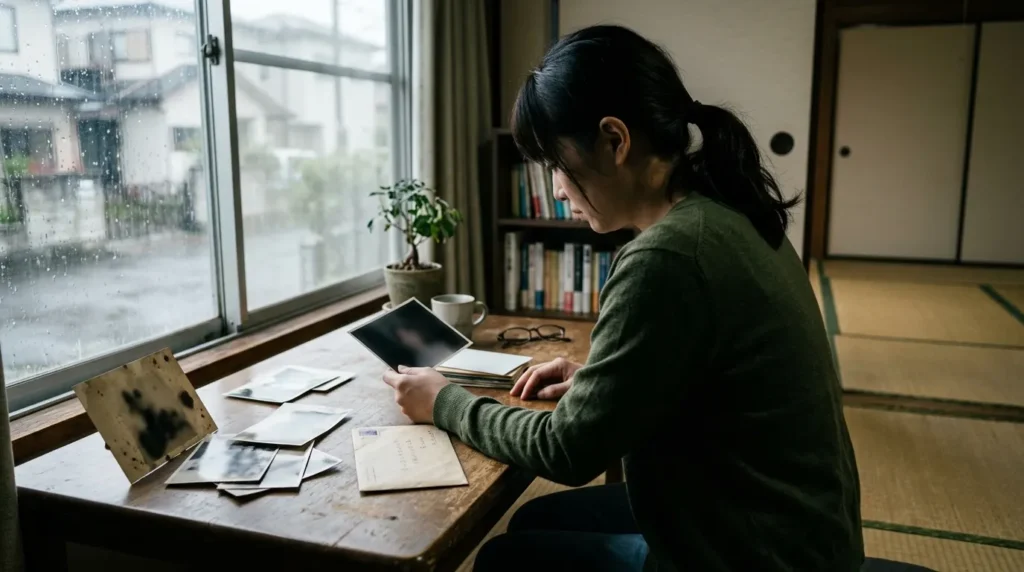
Tears and Smiles Remain Within the Same Person
The memory of tears and the time once spent laughing with someone both remain in the heart. Rather than erasing one of them to organize the past, the song portrays facing another day while carrying opposing emotions as a form of growth.
When I was younger, I believed that sorrow was something people had to overcome. Now, however, I feel that not every sorrow reaches a definite ending.
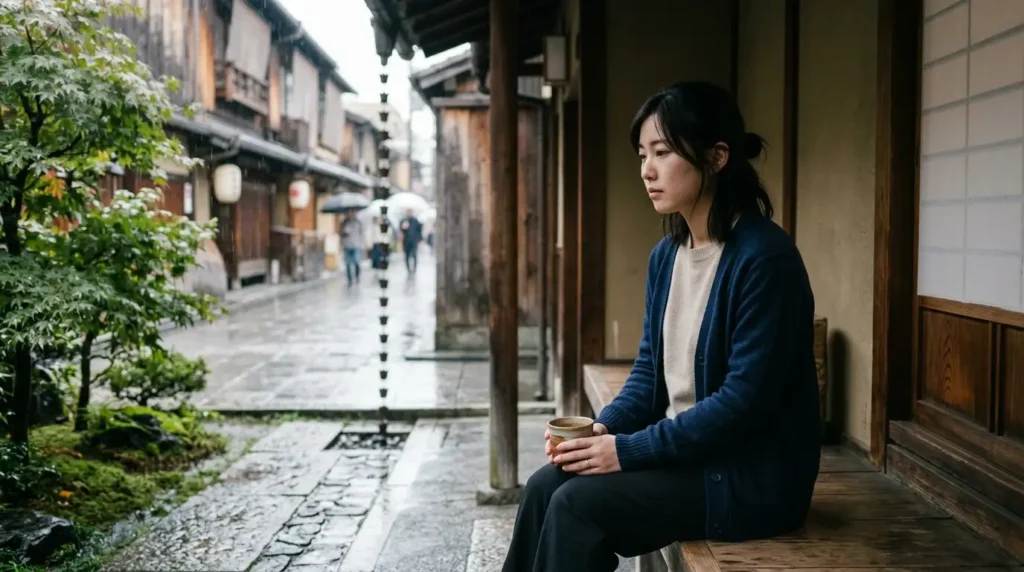
Even with memories that never disappear, people can still live through a new season. “Sakura” does not reduce that reality to easy encouragement. Instead, it entrusts the thought to the image of flowers blooming once again.
Why I Chose “Sakura” as Number One
In creating this Top 10, I considered more than fame and record sales. I also asked whether a song truly needed to be sung by these two men and whether its meaning continued to expand rather than narrow with the passing years.
“Sakura” displays those two qualities more clearly than any other song in the ranking.
The “Lost Debut Song” That Became Their Signature Song
Although “Sakura” was not selected as Kobukuro’s major-label debut song, it was released as a single several years later and became one of the defining songs of their career.
Knowing the eventual outcome can make this history seem like a beautifully completed story. What attracts me most strongly, however, is not the success that came later.
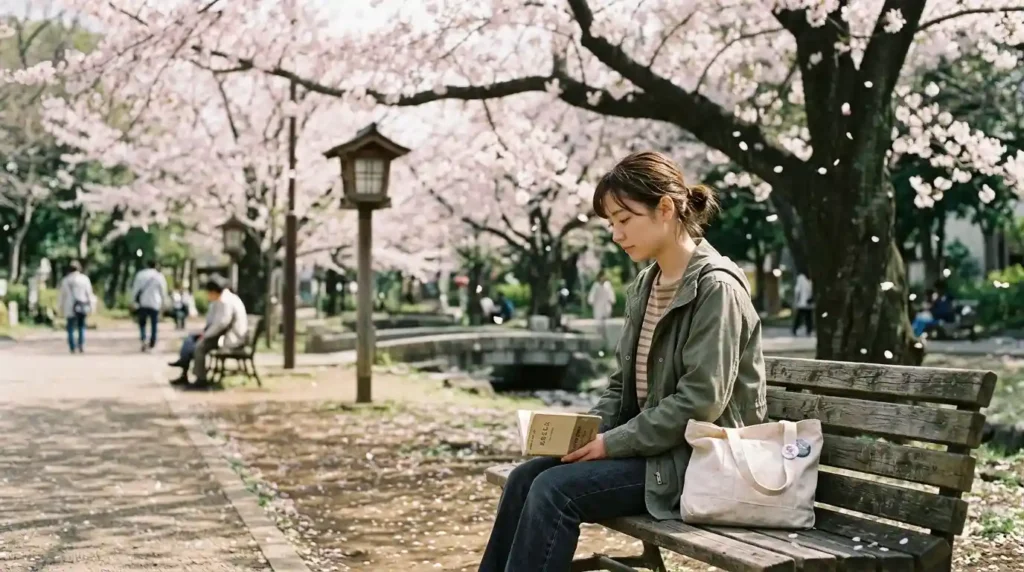
Before the two musicians had received widespread recognition, this song already contained a compassionate gaze directed toward a nameless life. The themes Kobukuro would continue to sing about were not added after their success. They had already begun to grow within “Sakura.”
A Personal Song, Even After Becoming Widely Known
“Sakura” has been performed at graduation ceremonies, on television music programs, and in many other places where large groups of people gather. Yet it has never lost the intimacy it possesses when heard alone.
The person within the song is not loudly proclaiming hope to an anonymous crowd. The person is thinking of one individual they cannot meet and trying never to forget the flower that continues to bloom within that person.
Although countless people know the song, it brings a different person to mind within the heart of every listener. That rare combination of universality and intimacy is the decisive reason I chose “Sakura” as number one.
In Closing
This song does not merely celebrate the season of full bloom. It embraces both the cold endured before the flowers open and the loneliness that follows after they fall as part of the time lived by a single life.
There are places in life to which we can never return, no matter how deeply we wish to do so. There are people we can no longer meet, words we failed to express, and days we cannot relive.
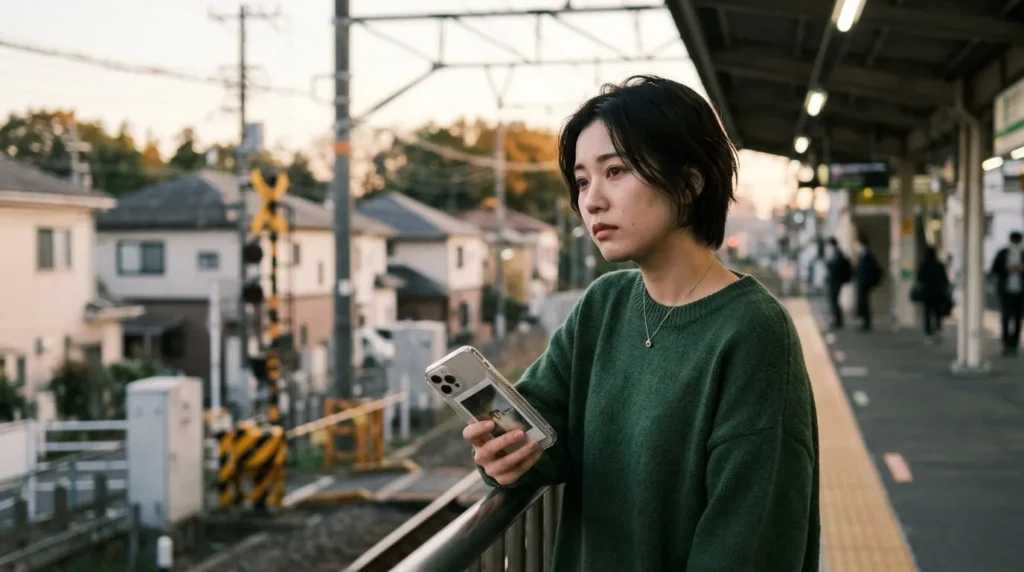
Even so, an irretrievable period of time does not become meaningless. A memory that remains in the heart does not retain exactly the same form forever. It gradually becomes part of the person we are today.
Kobukuro’s “Sakura” is not merely a song that continues mourning flowers after they have fallen.
It is a song that looks closely at what remains in the heart and gives that presence a name once more.


音楽ファン同士の交流・リクエストはこちら / Connect & Request Songs Here