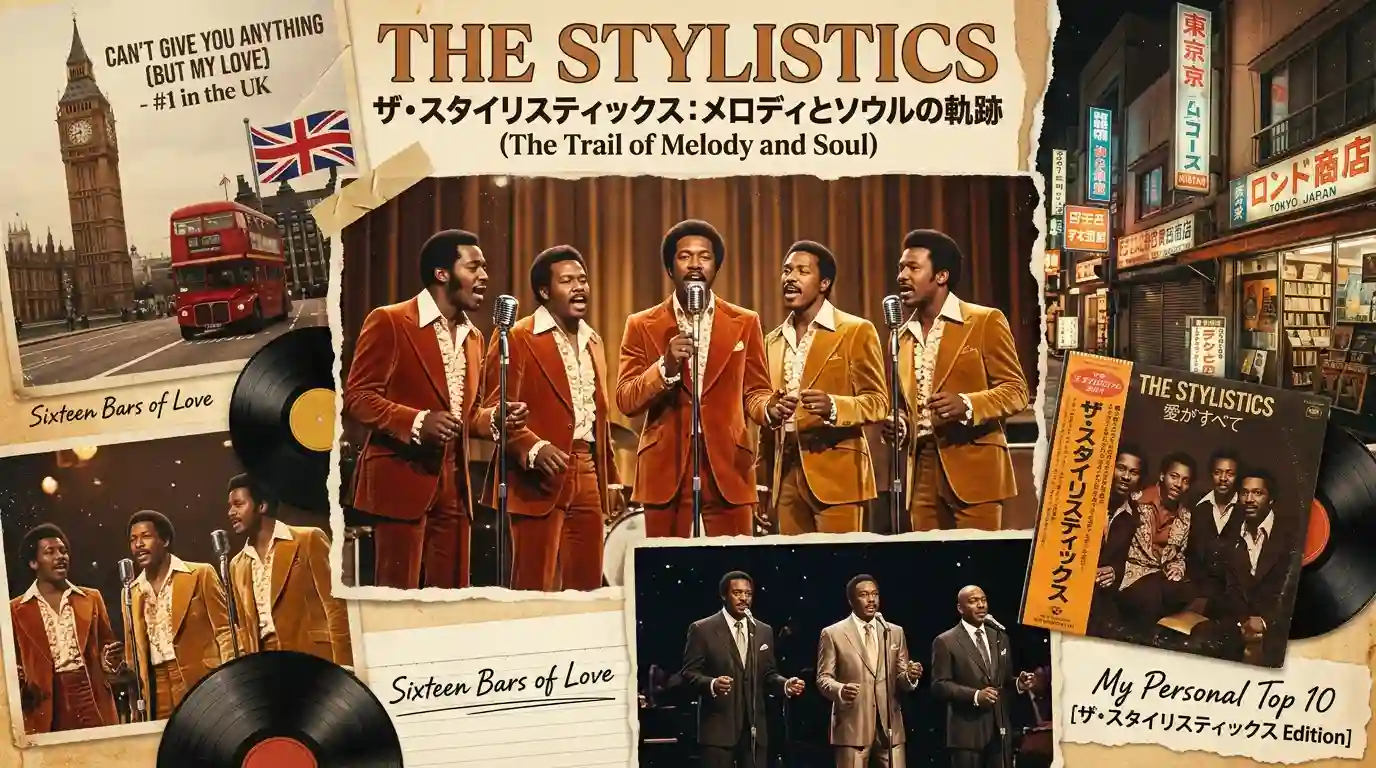
🌐 English|🌐 日本語
The Stylistics: Their Story and Musical Journey
- 🎧 Listen to This Article
- No. 7: “Because I Love You, Girl”
- First, Listen to the Official YouTube Video
- Roses Blooming in Harlem: The World Portrayed in the Lyrics
- A Love Song That Brings Tears to His Eyes
- If She Asked for the Moon: An Extraordinary Expression of Love
- Russell Thompkins Jr.’s Remarkable Falsetto
- A Changing Production Team and Van McCoy’s Arrangement
- The Song’s Place on the Album Fabulous
- Final Thoughts
🎧 Listen to This Article
Get a quick introduction to the article through audio narration.
Before reading, listen to discover the appeal of “Because I Love You, Girl” and get an overview of the article.
🎵 English Narration
An English audio introduction to the article.
🎶 Japanese Narration
A Japanese audio introduction to the article.
Listening first will help you appreciate the atmosphere of “Because I Love You, Girl” and follow the key points discussed in the article.
No. 7: “Because I Love You, Girl”
No. 7 in My Personal Best 10: The Stylistics is “Because I Love You, Girl,” known in Japan as “Harlem no Bara” (The Rose of Harlem). The song opens the group’s 1976 album Fabulous and was released as a single in the United States that August.
It reached No. 43 on Billboard’s R&B chart. Although it did not achieve the commercial success of the group’s earlier hits, it remains a memorable ballad, distinguished by Russell Thompkins Jr.’s delicate singing and a melody that flows with effortless grace.
The lyrics bring together roses blooming in Harlem, tears shed while listening to a love song, and a man’s wish to bring the moon to the woman he loves. Moving from an everyday scene to an impossible promise, the song expresses his devotion through a series of vivid images.
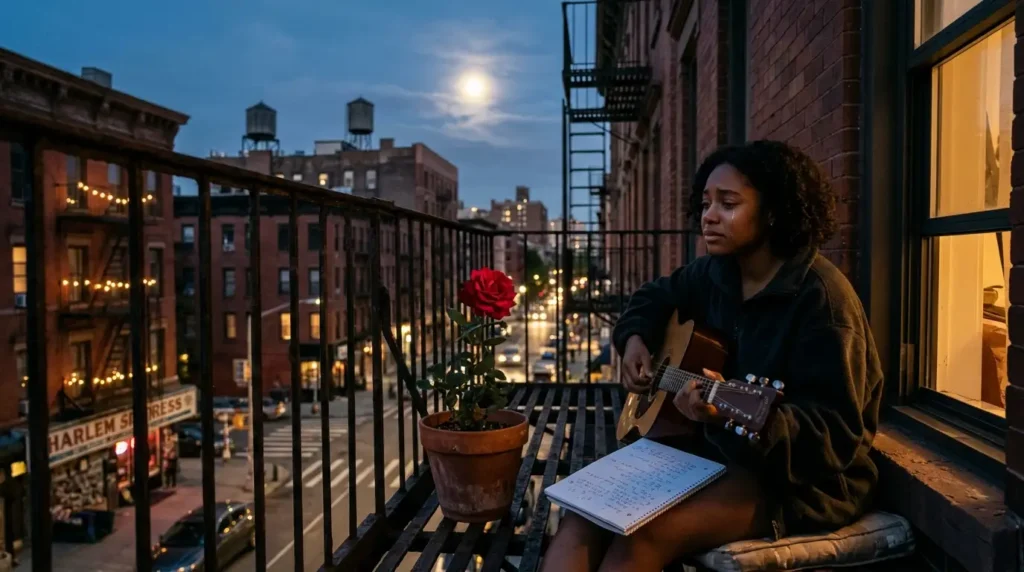
What particularly interests me is the way the lyrics convey romantic feelings through imagery, while Russell’s voice brings those words to life with remarkable ease. Beyond its beautiful melody, the recording also offers a glimpse into the musical character of The Stylistics in the mid-1970s.
A Free Interpretation of the Lyrics
Roses begin to bloom in Harlem, and the world seems brighter than before.
Whenever I hear a love song, tears unexpectedly fill my eyes.
I know exactly why: it is because I love you with all my heart.
If you asked me for the moon, I would do everything I could to bring it to you.
Whatever you wished for, I would want to make it happen. That is how much you mean to me.
First, Listen to the Official YouTube Video
🎵 Official Video Credits
Song: “Because I Love You, Girl” (Japanese title: “Harlem no Bara”)
Artist: The Stylistics
Year: 1976
Album: Fabulous
Channel: The Stylistics (Official Artist Channel)
Official Video: Watch on YouTube
🎼 Song Overview (Two Lines)
A romantic ballad expressing profound devotion through images of roses blooming in Harlem and a lover's wish to bring the moon to the woman he adores.
Sweet, soaring falsetto vocals blend with an elegant melody, capturing the distinctive appeal of The Stylistics.
Roses Blooming in Harlem: The World Portrayed in the Lyrics
“Because I Love You, Girl” begins not with a direct declaration to a lover, but with an image of roses beginning to bloom in the city. Before revealing the narrator’s feelings, the lyrics establish a particular place and scene.
The Significance of Harlem
Harlem is a neighborhood in northern Manhattan, New York City. During the twentieth century, it became a major center of African American literature, visual arts, and music, and remains one of the places most closely associated with Black American cultural history.
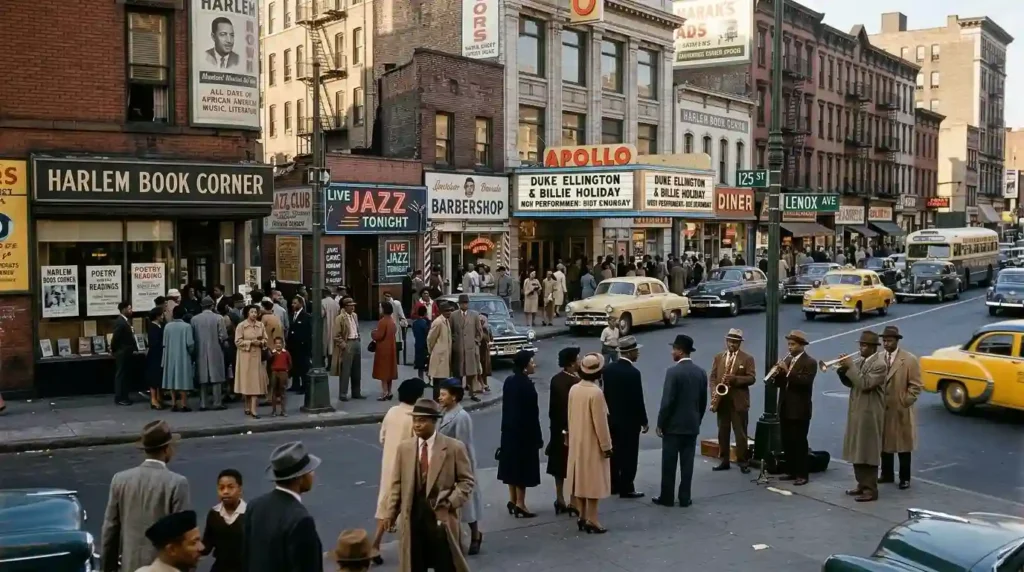
The Stylistics came from Philadelphia, yet the song refers to a neighborhood in New York. There is no sufficiently reliable documentation establishing precisely why the songwriters chose Harlem, so it would be misleading to describe the song as a direct commentary on the neighborhood’s history.
What matters within the lyrics is the image of roses blooming in an urban setting. Flowers opening among the buildings and streets can be understood as a reflection of the narrator’s feelings as he experiences love.
A World Compared to a Toy Balloon
The lyrics go on to compare the world to a toy balloon. It is an unusual image, using something small and familiar to describe the world as a whole.
A balloon suggests lightness and the sensation of floating through the air. The comparison invites us to imagine a man whose spirits are lifted, making even familiar surroundings appear different.
It Is His Perspective, Not the City, That Has Changed
Falling in love does not physically alter the buildings or streets around us. Yet our state of mind can change what catches our attention and how we respond to familiar places.
The roses and the balloon can be understood as visual expressions of the narrator’s emotional excitement. Before he openly declares his love, the song shows how that feeling has transformed his perception of the world.
A Love Song That Brings Tears to His Eyes
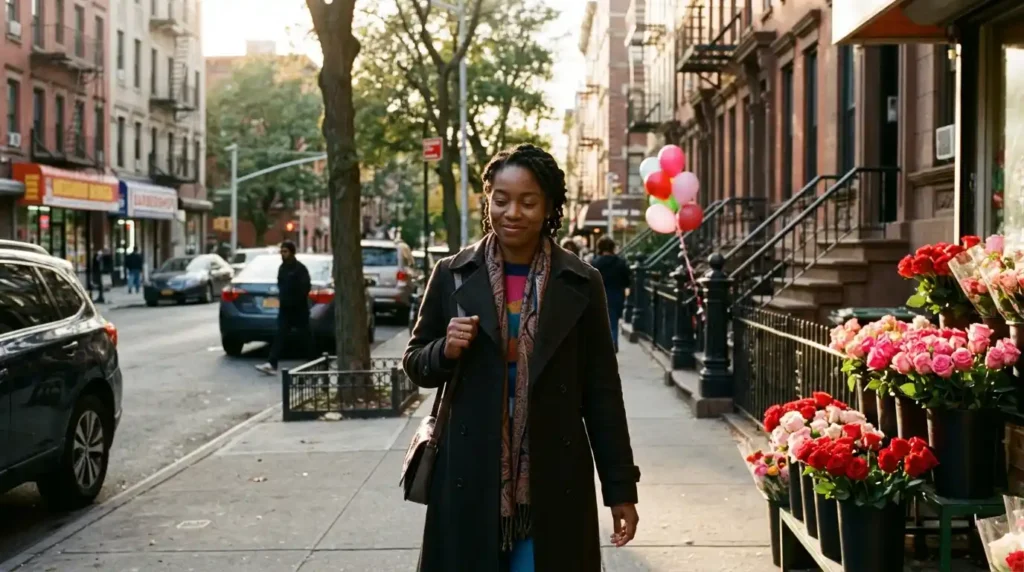
After describing the city, the narrator speaks of listening to a love song and shedding tears. The lyrics do not describe heartbreak or separation. Instead, his tears are connected to the feelings he has for the woman he loves.
Even Happy Love Can Bring Tears
Music can move us to tears for reasons other than sadness. An overwhelming sense of happiness or a deeply touching experience can produce the same response.
The narrator understands why he is crying. Hearing a love song seems to bring feelings to the surface that he might not ordinarily express in words. It is an easily recognizable experience: music awakening emotions that are deeply personal.

How Brief Images Reveal Deep Feelings
The song tells us little about how the couple met or what their relationship has been like. The narrator’s past and the woman’s personality remain largely unknown as the lyrics unfold.
Even so, the emotional direction is unmistakable. By showing what he sees, what he hears, and how those experiences affect him, the lyrics communicate his devotion without requiring an elaborate story.
If She Asked for the Moon: An Extraordinary Expression of Love
Later in the song, the narrator expresses his willingness to fulfill his lover’s wishes, even if she were to ask for the moon. The impossible promise becomes a way of conveying just how much she means to him.
The Desire to Fulfill an Impossible Wish
No one can literally bring the moon down to Earth. Yet the narrator is not explaining how he would accomplish such a feat. He is expressing his determination to do everything within his power to make the woman he loves happy.
The language is deliberately extravagant, but the underlying sentiment is familiar. Wanting to do something meaningful for another person is an understandable human impulse. The impossible image makes that devotion more emphatic.
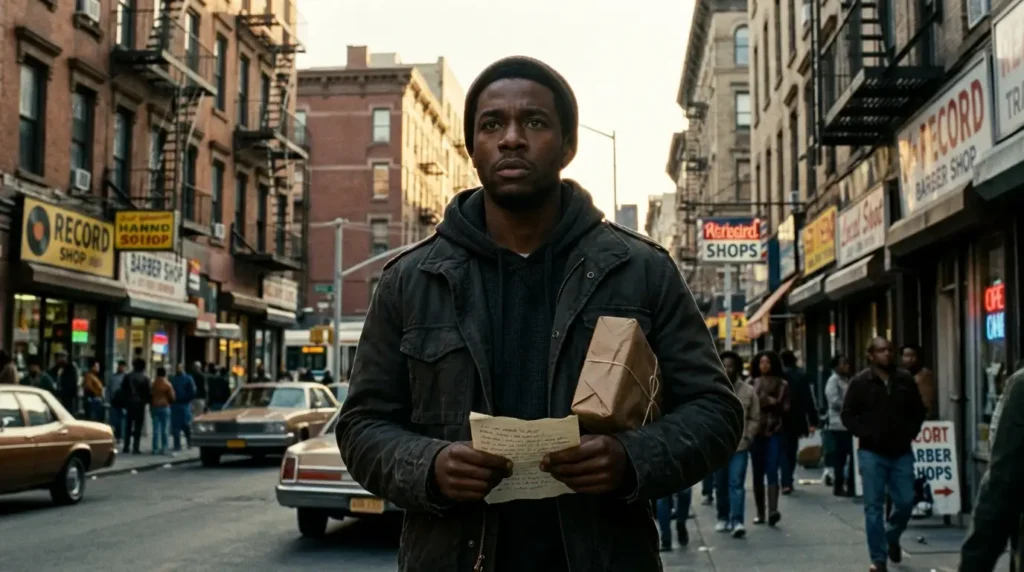
The Moon Also Appears in Our No. 8 Song
The moon also appears in our No. 8 selection, “I’m Stone in Love with You.” However, the image serves a different purpose in each song.
- “I’m Stone in Love with You”: The narrator imagines a future in which he might even have a home on the moon.
- “Because I Love You, Girl”: The narrator wishes to fulfill his lover’s request, even if she asks him for the moon.
In the former, the image grows out of the narrator’s own dreams. In the latter, it begins with the wishes of the woman he loves. It is interesting how the same celestial object can express romantic feelings from two different perspectives.
Russell Thompkins Jr.’s Remarkable Falsetto
One of the greatest pleasures of “Because I Love You, Girl” is Russell Thompkins Jr.’s lead vocal. Although he is celebrated for his high register, the appeal of this performance also lies in the way he connects notes and shapes the endings of phrases.
The Gentle Opening Vocal
At the beginning, Russell moves smoothly through the melody without rushing the words. He does not force his voice forward, allowing listeners to appreciate both the lyrical imagery and the musical line.
His sustained notes retain a soft quality, and the transitions into the upper register sound natural. The lightness of his falsetto is supported by remarkable vocal control.
Changing Vocal Expressions in the Chorus

In the chorus, the declaration of love that gives the song its title is repeated. The words are simple, yet the rising melodic phrases and sustained notes convey a growing intensity of feeling.
Russell does not rely on a dramatic increase in volume to express emotion. Instead, he varies his dynamics and the way he resolves each phrase, giving repeated words subtly different shades of meaning.
Expressiveness Beyond the High Notes
Russell’s singing is often praised for the beauty of his upper register. In this recording, however, the movement from lower notes into falsetto deserves just as much attention.
His diction remains clear as the pitch changes, and the melodic line never loses its continuity. Rather than using high notes simply to display his range, he places his vocal technique at the service of the entire song.
A Changing Production Team and Van McCoy’s Arrangement
“Because I Love You, Girl” was created by a different production team from the one associated with The Stylistics’ early recordings under Thom Bell. Looking at the songwriting, production, and arrangement credits helps explain the musical direction the group was taking during this period.
Hugo & Luigi and George David Weiss
The song was written by Hugo Peretti, Luigi Creatore, and George David Weiss. Peretti and Creatore, widely known as Hugo & Luigi, also handled the production.
Hugo & Luigi were an established production partnership with a long history in American popular music. George David Weiss was likewise a respected songwriter whose work included several enduring standards.
The three contributed to multiple tracks on Fabulous, making them important figures in The Stylistics’ musical development during the mid-1970s.
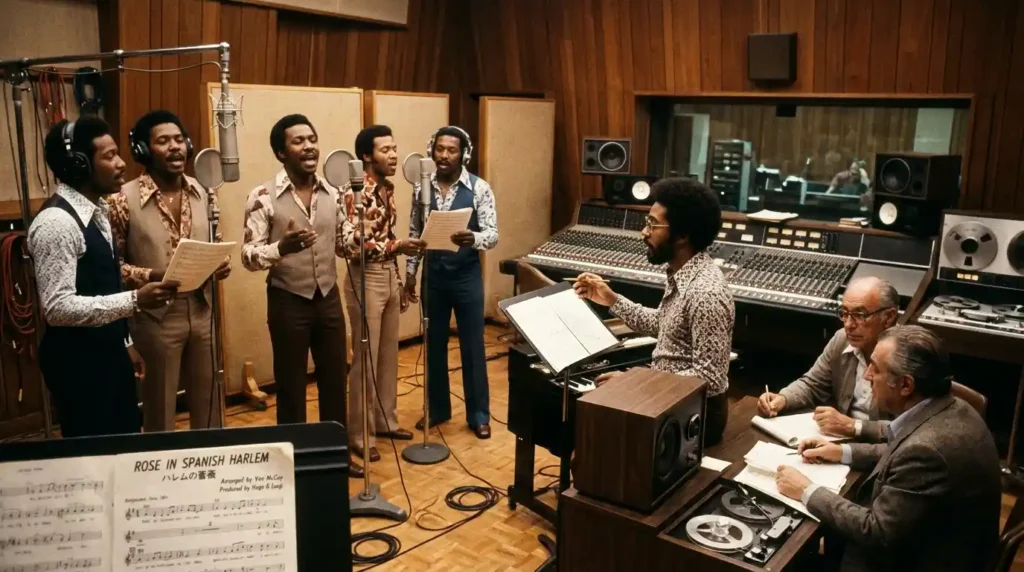
The Sound Created by Van McCoy
The arrangement was credited to Van McCoy, the musician who scored a major hit with “The Hustle” in 1975. Although he is strongly associated with disco, his career as a composer and arranger covered a much wider range of musical styles.
In “Because I Love You, Girl,” the strings enrich the melody while the backing harmonies support the lead vocal. The bass and drums maintain a relaxed pulse, keeping Russell’s singing at the center of the arrangement.
The accompaniment has a rich, polished quality, but no instrument overwhelms the others. The arrangement creates a full sound while allowing Russell’s voice to remain clearly audible.
How It Differs from the Thom Bell Era
Thom Bell played a central role in the development of Philadelphia soul. In The Stylistics’ early recordings, he combined strings, vocal harmonies, and sophisticated arrangements to establish the group’s distinctive sound.
By 1976, “Because I Love You, Girl” demonstrated how another production team could build upon the group’s established strengths. Rather than treating the differences as a question of which era was better, I find it more revealing that Russell’s voice continued to define the group’s identity even as the production approach changed.
The Song’s Place on the Album Fabulous
Released in 1976, Fabulous opens with “Because I Love You, Girl.” The album also includes “Can’t Help Falling in Love” and “Sixteen Bars,” among other recordings.
“Can’t Help Falling in Love” is widely associated with Elvis Presley’s famous recording. By combining established songs with newer material, the album offered opportunities to showcase the group’s vocal abilities across different compositions.
A Song Whose Appeal Goes Beyond Chart Positions
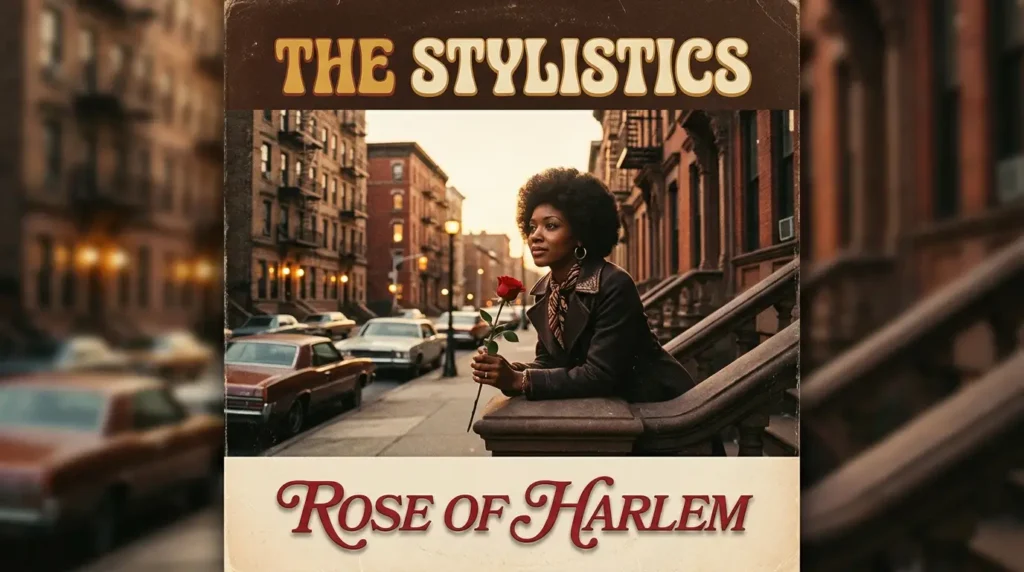
“Because I Love You, Girl” peaked at No. 43 on Billboard’s R&B chart, a modest result compared with the group’s earlier hits. Yet a chart position reflecting a song’s commercial reception at the time does not necessarily determine how listeners will appreciate it decades later.
This is not a recording built around a forceful rhythm or dramatic musical twists. Instead, its unhurried tempo invites listeners to enjoy the melody and vocal performance in their own right.
Final Thoughts
“Because I Love You, Girl” is a beautiful love ballad from The Stylistics’ 1976 repertoire. Its lyrics are concise, yet the combination of visual imagery and direct expressions of devotion communicates the narrator’s feelings effectively.
Russell Thompkins Jr. delivers those words in his gentle falsetto, supported by Van McCoy’s arrangement. Although the recording emerged from a different production team than the group’s early hits, it retains the qualities that make The Stylistics immediately recognizable.
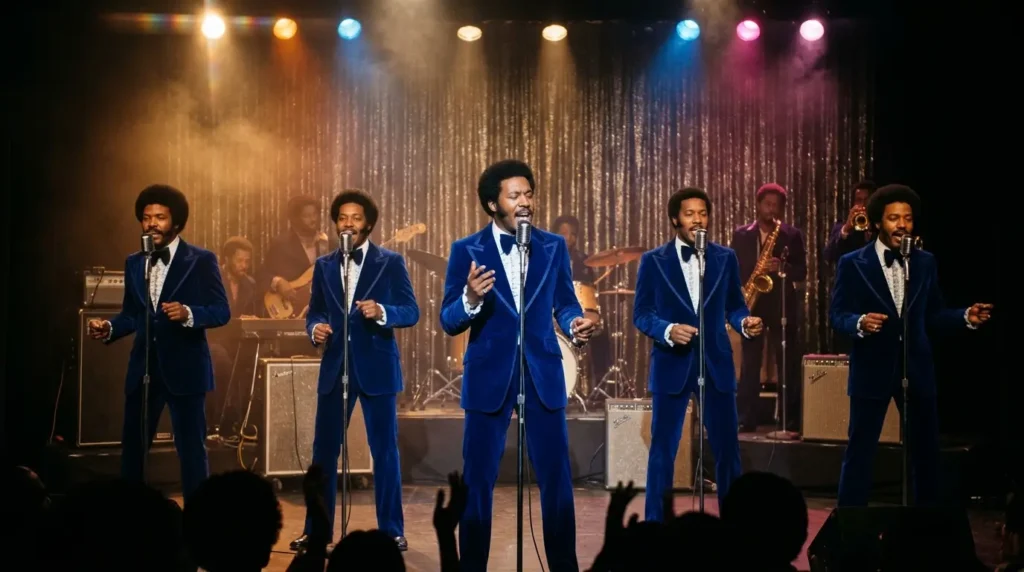
Above all, what stays with me is the effortless beauty of the melody. Without resorting to vocal theatrics, Russell allows the song itself to speak. It is a rewarding example of the quieter, more intimate side of The Stylistics.
音楽ファン同士の交流・リクエストはこちら / Connect & Request Songs Here