- 🎧 Enjoy This Article in Audio
- Today is Bob Dylan’s Birthday
- First, Please Watch the Official YouTube Videos.
- When I First Heard This Song
- The Late 1970s Paradigm Shift and Dylan’s Critical Turning Point
- Unlocking the Literary Labyrinth and Tarot Codes
- A Direct Parallel: Analyzing the Original vs. Signe Marie Rustad’s Cover
- In Conclusion: A Timeless Fanfare for Perpetual Evolution
🎧 Enjoy This Article in Audio
You can quickly grasp the main points of this article through narration.
Recommended for those who want to catch the vibe of the music and the flow of the article before reading.
🎶 English Narration
An English audio introduction to the contents of this article.
⌛ Duration: Approx. 4 mins 30 secs
🎵 Japanese Narration
A Japanese audio introduction to the contents of this article.
⌛ Duration: Approx. 4 mins
* Listening to the audio before reading helps you better understand the world of the music and the main points of the article.
Today is Bob Dylan’s Birthday
The Nobel Prize-Winning Singer Who Rewrote Music History
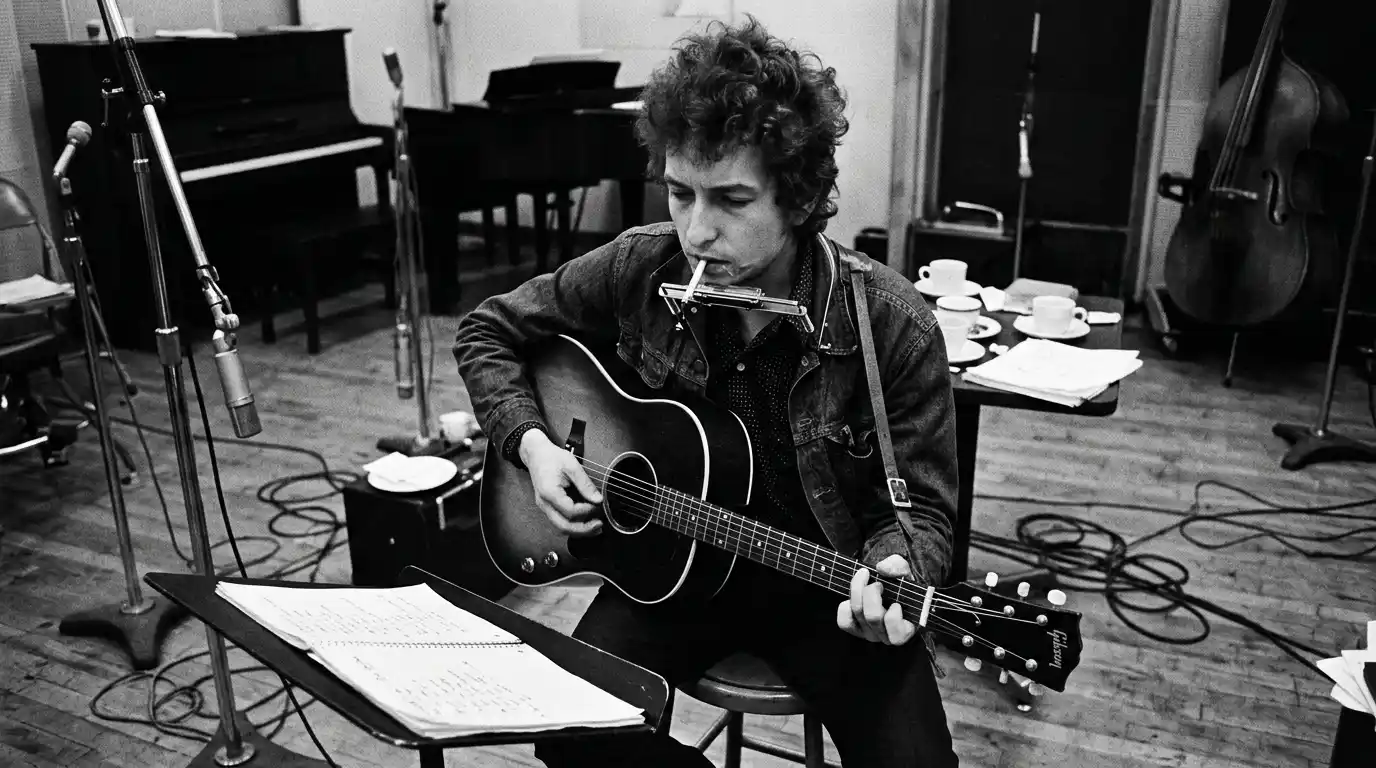
On May 24, 1941, in Duluth, Minnesota, USA, a legendary artist was born who would fundamentally reshape the landscape of popular music. His name is Bob Dylan.
Since his recording debut in 1962, he has voraciously absorbed American roots music—including folk, rock, country, and gospel—while establishing his own unique literary expression. Moving far beyond the conventional definition of a “musician,” he has stood at the forefront of creative expression for over 60 years, often regarded as a prophet of modern society or a wandering poet.
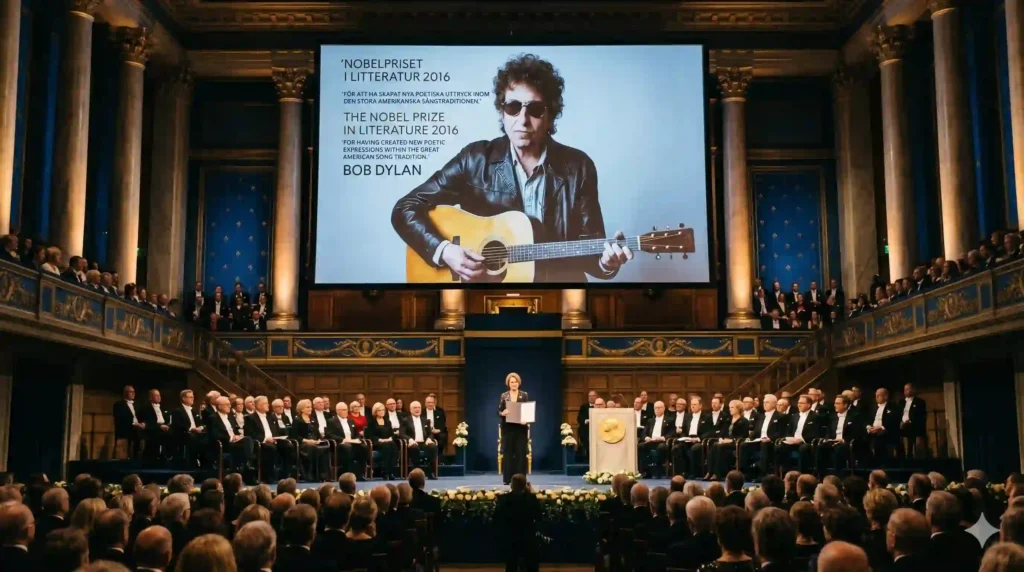
In 2016, he made history by becoming the first singer-songwriter to win the Nobel Prize in Literature “for having created new poetic expressions within the great American song tradition.” The words he spins have sparked profound shifts in global consciousness, acting at times as political statements and at others as deeply personal epics.
The Curtain Rises on the Controversial 1978 Album “Street-Legal”
On June 15, 1978, Dylan released the album Street-Legal, and the track that boldly opened it was none other than the song featured today: “Changing of the Guards.”
Released as a single in October of the same year, the song reached number 25 on the UK Singles Chart and left a powerful mark across international music scenes, particularly in Europe and Australia.
Featuring a massive brass section and rich female backing vocals—an unprecedented sonic palette for Dylan at the time—this brilliant track leaped far beyond the traditional boundaries of folk-rock, igniting intense enthusiasm and critical debate.
Poetic Interpretation
After sixteen years of chaos and betrayal, old banners and rulers begin to crumble.
Love and faith are sold in the marketplace, and even sacred grounds are engulfed in flames.
Yet amidst the destruction, people are forced to find the courage to face a new era.
Peace will eventually come, not as a reward, but only after false idols fall and cruel death surrenders.
First, Please Watch the Official YouTube Videos.
Credits
Bob Dylan - "Changing of the Guards" (Official Audio)
Written by Bob Dylan / From the album "Street-Legal"
Two-Line Review
Serving as the opening track of the 1978 album "Street-Legal," this song weaves highly symbolic imagery over a powerful band performance and driving vocals. It stands as a brilliant testament to Dylan's dramatic musical shift in the late 1970s, where themes of change, power, faith, and rebirth collide.
Next up is a phenomenal cover version of this track.
Credits
Song: Changing of the Guards
Written by Bob Dylan
Performed by Signe Marie Rustad with The Salmon Smokers
Performance: Bobfest
Venue: Oslo Concert Hall
Recorded on: May 24, 2021
Two-Line Review
An official live recording of Signe Marie Rustad performing Bob Dylan's "Changing of the Guards" at Bobfest. She beautifully reinterprets the grand, apocalyptic lyrical narrative with her crystal-clear vocals and a restrained yet deeply powerful band arrangement.
When I First Heard This Song
| My Age | Elementary | Junior High | High School | University | 20s | 30s | 40s | 50s | 60s+ |
|---|---|---|---|---|---|---|---|---|---|
| Song Release Year | 1978 | ||||||||
| When I Listened | ● |
I first encountered this song in the early summer of 1978, right when I had just become a university sophomore. It was the exact time the album “Street-Legal” arrived on the shelves of record stores.
When I entered university in 1977, I used to commute to the historic, bustling campus in Ochanomizu (Surugadai). However, in April 1978, the entire campus relocated to a brand-new facility in Tama, marking the dawn of a completely fresh chapter in our student lives.

Spending my days settling into a new rhythm of life amidst the vast, fresh air of the green Tama campus felt deeply intertwined with the musical evolution Dylan was showcasing on his new record.
To be perfectly honest, I wouldn’t call myself a die-hard Bob Dylan fan. Yet, this particular track holds a genuinely special place in my heart. It feels uncharacteristic of Dylan in the best way possible—stripped of his usual grit, it carries a transcendent, almost divine aura that sets it apart.
From Bewilderment to Conviction: A Fanfare for a New Horizon
Driven by a fast-paced eighth beat, the sharp lines of the saxophone cut through the air like a blade, accompanied by powerful horns that sound almost like a final judgment. The precise, heavy drive of the bass and drums gives the track an unstoppable momentum, pushing forward like a locomotive on a track.
The sheer sonic shift was enough to cause initial bewilderment. Yet, listening to Dylan weave his signature rapid-fire lyrical delivery right through the center of that vibrant instrumentation, it became clear that this wasn’t a commercial compromise to fit radio trends, but rather a genuine, bold exploration of a new creative frontier.
The Late 1970s Paradigm Shift and Dylan’s Critical Turning Point
From Message-Driven Folk to High-Energy Sonic Entertainment
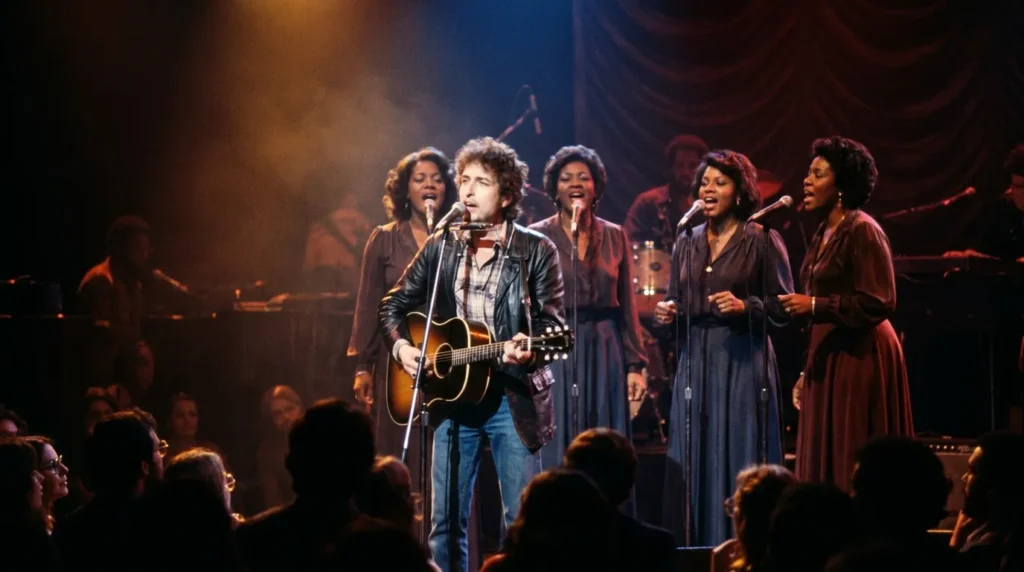
The year 1978, which saw the birth of “Changing of the Guards,” sat squarely at a time of profound transition in the global music landscape.
The idealistic counterculture of 1960s folk and stadium rock had fully waned, made way for the aggressive, disruptive wave of punk rock emerging from the underground. Simultaneously, disco music dominated the mainstream, rapidly steering the purpose of popular music away from ideological messaging toward raw, physical entertainment.
A Turbulent Personal Life and the Leap into Big-Band Rock
Approaching his late 30s, Dylan faced the urgent need to redefine his musical identity. Dealing with a highly publicized, exhausting divorce and weathering harsh criticism from the press, he actively chose to confront this personal crisis by embracing a large-scale band setup.
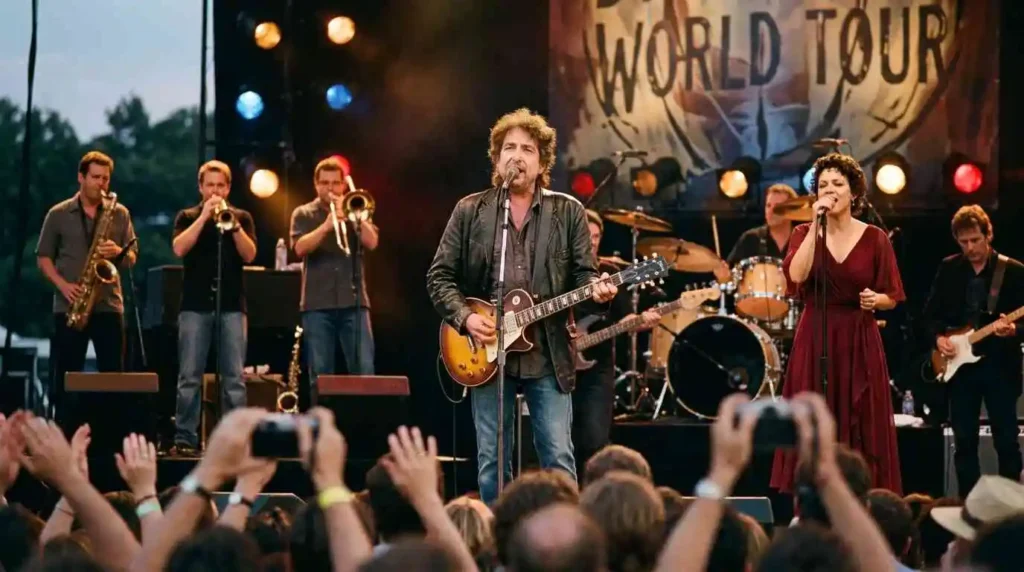
To prepare for a massive world tour, he expanded his stage lineup far beyond standard guitars and drums, boldly integrating a full horn section and dedicated female backing vocalists into his ensemble.
The Unstoppable Dynamism Beneath the “Commercialism” Backlash
Traditionalist folk fans immediately dismissed this orchestral turn, accusing him of selling out to a slick commercial style. In reality, the performance possessed a ferocious, vital energy that could easily go toe-to-toe with the intensity of punk.
Steve Douglas’s soprano saxophone engages in a fierce dialogue with Dylan’s lead vocals, coloring the melody with urban longing and suspense. Meanwhile, the soulful harmonies of Carolyn Dennis and the backing vocalists expand the lyrical phrases, adding an immense, gospel-like depth to the arrangement. Singing with raw passion, Dylan’s roaring vocal delivery easily matches the magnificent scale of his band.

Unlocking the Literary Labyrinth and Tarot Codes
Mysticism and a Sixteen-Year Chronicle Woven into the Verse
What truly secures this song’s legendary status within Dylan’s vast discography is its cryptic, profoundly evocative lyrical imagery.
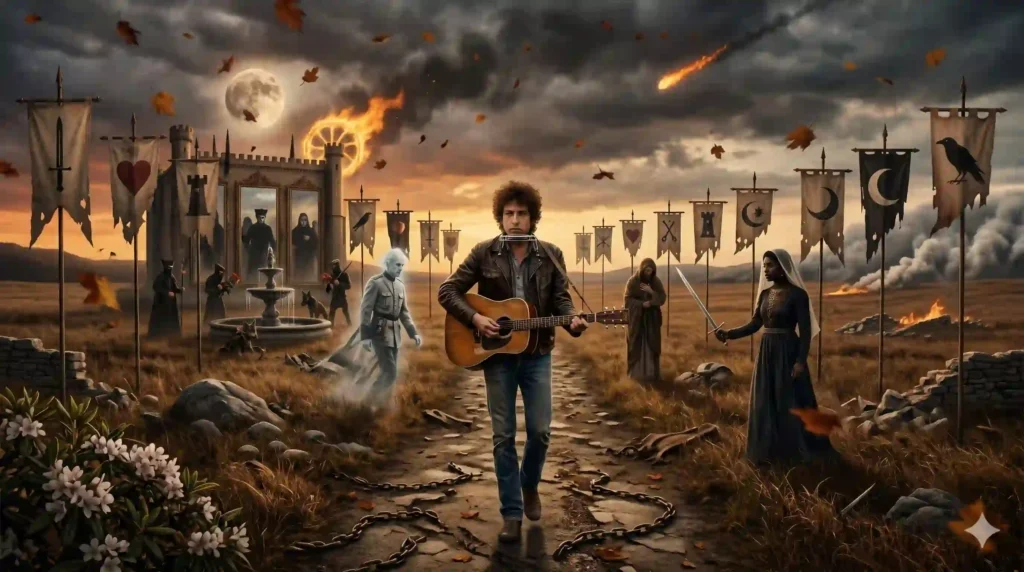
The opening phrase, “16 years… 16 banners united over the fields,” is widely interpreted by scholars as a direct reference to the sixteen-year journey between Dylan’s grand entrance into the music world in 1962 and the song’s release in 1978. He effectively reframes his own tumultuous history into an epic, mythological narrative.
The stanzas overflow with references to occult symbolism, alchemy, and classical mythology, featuring lines like “torn between Jupiter and Apollo,” “a black nightingale,” and “the palace of mirrors.” Rather than mere wordplay, these lines capture the internal struggle of an artist who survived the ecstatic highs and bitter collapse of the 1960s counterculture. It portrays a noble quest to preserve artistic integrity in a world driven by material greed, where “merchants and thieves are hungry for power.”
The Tarot Card Revelation: Judgment of the King and Queen
The thematic peak occurs just before the outro through an explicit nod to Tarot iconography. Right after the dire warnings that “Eden is burning” and to prepare for “elimination” unless one finds the inner courage for the changing of the guards, Dylan introduces a highly specific image: “Between the king and the queen of swords,” as a pale ghost retreats.
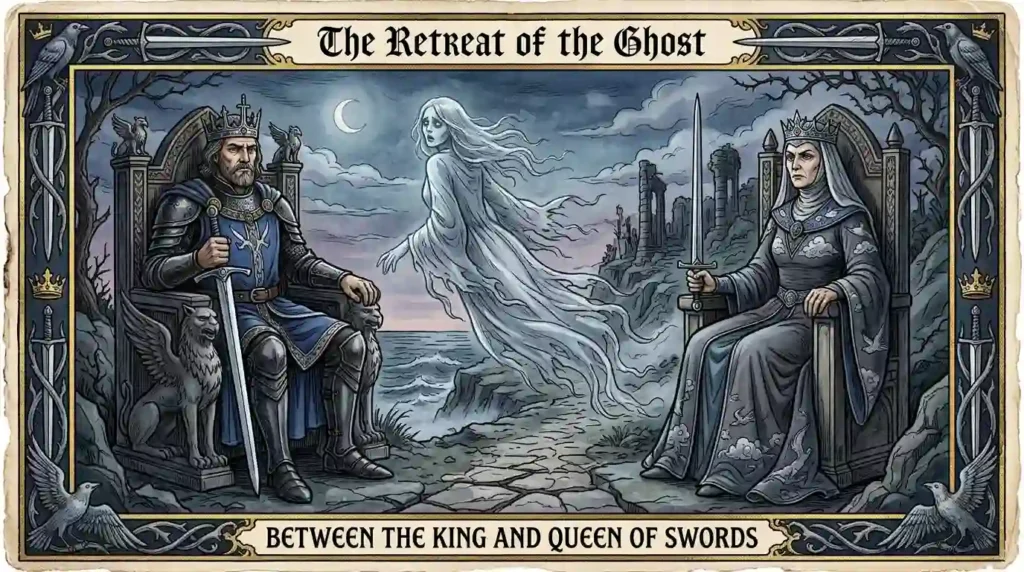
In Tarot, the suit of Swords represents intellect, logic, and the authority to execute harsh, necessary cuts to uncover the truth. Dylan uses this image to signal the utter destruction of comfortable illusions and false idols, heralding the arrival of an unyielding reality.
This central message—that an old order must fall to make way for a profound spiritual awakening—powerfully foreshadows Dylan’s imminent embrace of evangelical Christianity, known as his “Born Again” phase. He leaves the listener with a stark, unavoidable choice: cling to stagnant complacency, or embrace the painful fire of personal transformation.
A Direct Parallel: Analyzing the Original vs. Signe Marie Rustad’s Cover
Bob Dylan: A Festive, Dynamic Contrast to a Chilling Prophetic Vision
Let us look closer at the contrasting artistic philosophies behind the two versions provided above, comparing Dylan’s 1978 studio track with Norwegian singer-songwriter Signe Marie Rustad’s stunning 2021 live rendition.
Dylan’s original functions as a grand, theatrical epic. While the continuous brass and upbeat tempo fill the room with an almost celebratory, carnival-like energy, Dylan delivers his vocals with absolute, chilling detachment, observing human history like a distant prophet.
Maintaining an unwavering, steady beat, Dylan delivers his dense stanzas with practiced composure, flanked by the sweeping wall of sound from the female chorus. This configuration elevates the song above personal grief, transforming it into an objective, universal ritual of apocalypse and renewal observed from a stadium stage. This brilliant friction between musical opulence and lyrical coldness forms the core of the original’s charm.
Signe Marie Rustad: Nordic Clarity and a Return to Intimate Folk-Rock
In stark contrast, Signe Marie Rustad’s magnificent cover deliberately strips away the theatrical brass and gospel weight of the 1978 arrangement, uncovering the raw, melancholic folk-rock beauty at the heart of the composition.
Trading the prominent saxophone lines for the pristine resonance of electric guitar arpeggios and the haunting, sweeping presence of a pedal steel guitar, the track shifts its landscape entirely. The listener is transported away from an American arena and carried straight into the quiet, mist-shrouded depths of a Nordic forest, filled with an organic sense of clarity and saudades (profound longing).
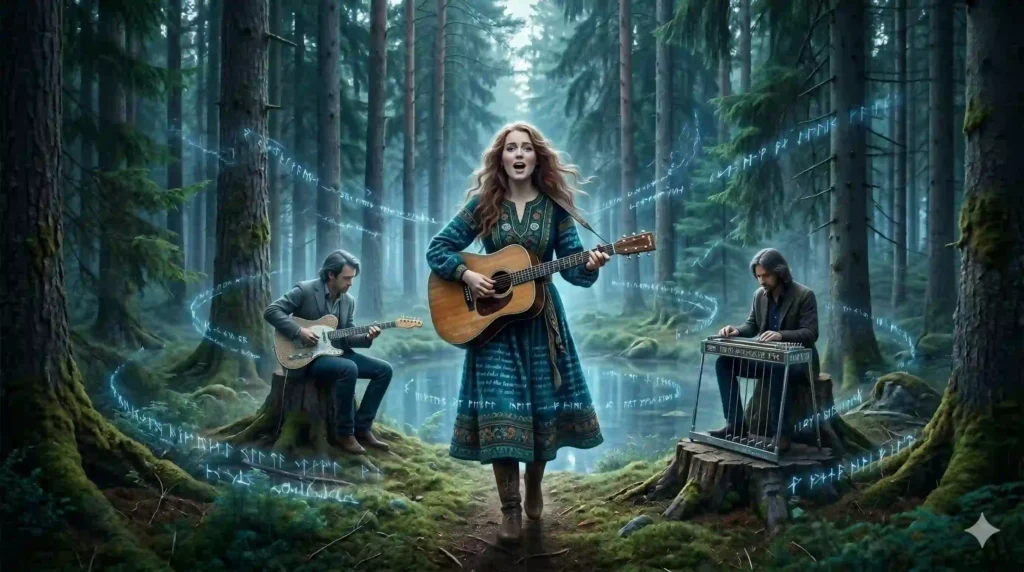
Rustad’s vocals carry a beautifully somber yet fierce composure. While Dylan delivered the intricate mythological narrative with clinical distance, her clear, expressive voice internalizes the abstract mythos, rendering it as an intimate human chronicle of love, sacrifice, and grief. She masterfully reframes a grand historical transition through a focused, intensely personal aesthetic lens.
In Conclusion: A Timeless Fanfare for Perpetual Evolution
Almost half a century since its debut, the vivid power and literary brilliance of “Changing of the Guards” remain completely untarnished. Though born from the distinct cultural anxieties of the late 1970s, its core message speaks to a universal truth: the endless human necessity for internal renewal.
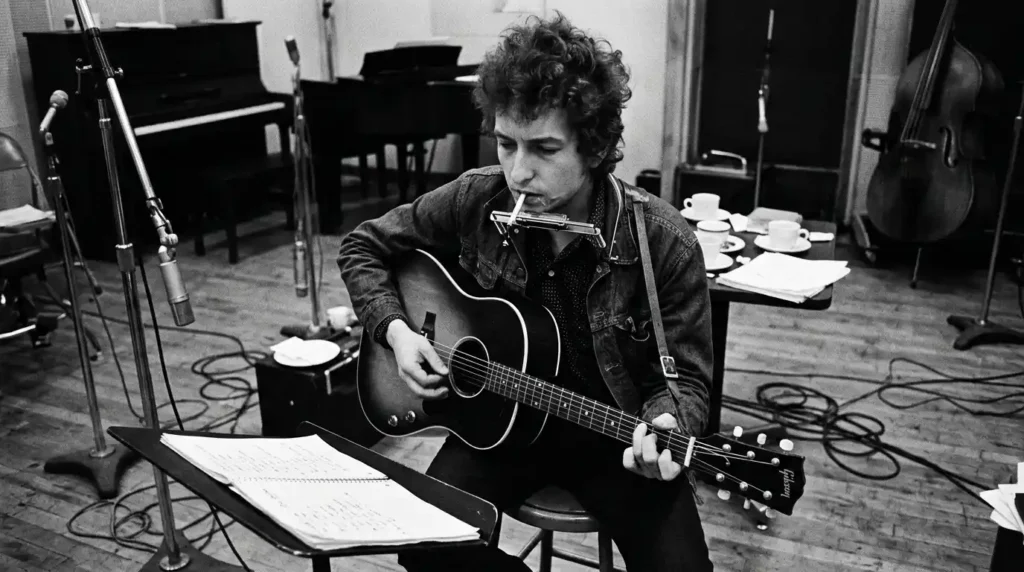
Throughout his career, Bob Dylan has steadfastly refused to find comfort in his past victories, consistently choosing to dismiss the old guards of his identity and invite new creative chapters to survive. Whenever we find ourselves at a crossroads, forced to confront the necessity of change within our own lives, the driving rhythm and soaring melodies of this masterpiece continue to serve as a vital catalyst, forcefully demanding that we open our minds to the future.

音楽ファン同士の交流・リクエストはこちら / Connect & Request Songs Here