
Kyosuke Himuro’s History ➡ Click Here!
- 🎧 Listen to This Article
- No. 5: BOØWY’s “MEMORY”
- First, Listen to “MEMORY” on YouTube
- Why Does He Decide That He Should Be the One to Leave?
- What Kyosuke Himuro Called a “Man’s Aesthetic”
- The Significance of “MEMORY” as Track 11 on PSYCHOPATH
- A Different Kind of Farewell from No. 6, “Wagamama Juliet”
- Tomoyasu Hotei’s Melody and Kyosuke Himuro’s Restrained Emotion
- In Closing — Trying to Forget Is What Makes the Memory Remain
🎧 Listen to This Article
Get a quick overview of this article through narration.
Recommended if you want to get a feel for “MEMORY” and understand the overall flow of the article before reading.
🎵 English Narration
An English narration introducing the content of this article.
🎶 Japanese Narration
A Japanese narration introducing the content of this article.
Listening first makes it easier to grasp the mood of “MEMORY” and the key points of the article.
No. 5: BOØWY’s “MEMORY”
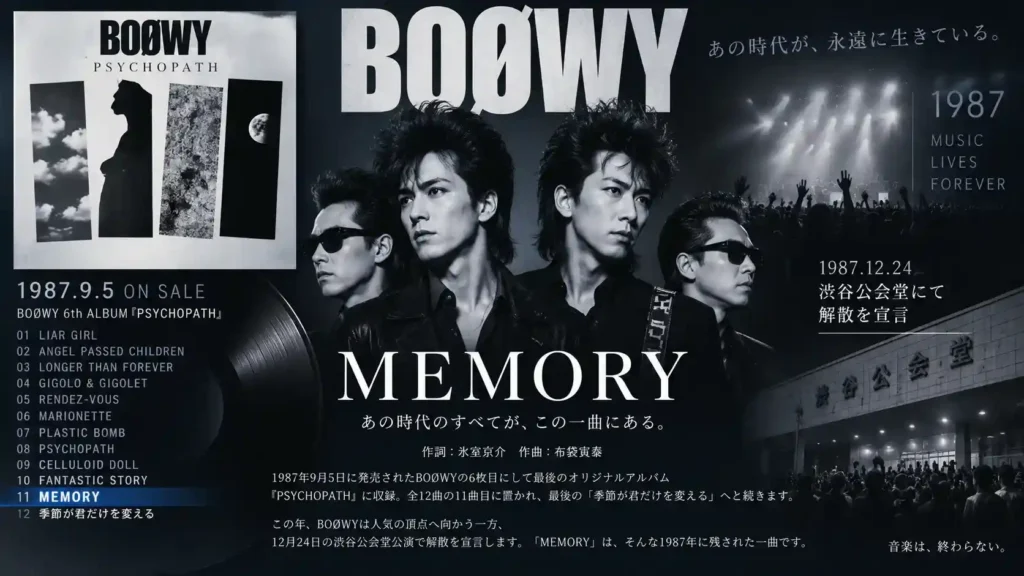
“MEMORY” appears on BOØWY’s sixth and final original studio album, PSYCHOPATH, released on September 5, 1987. The lyrics were written by Kyosuke Himuro, with music composed by Tomoyasu Hotei. It is the 11th of the album’s 12 tracks, leading directly into the closing song, “Kisetsu ga Kimi Dake wo Kaeru.”
That same year, BOØWY was reaching the height of its popularity. Yet on December 24, during a concert at Shibuya Public Hall, the band announced that it would break up. “MEMORY” is one of the songs that remains from that extraordinary year of 1987.
What makes this song so compelling is not the intensity of heartbreak.
The man does not blame the woman, nor does he try to fight for her. Instead, he chooses to bring the relationship to an end by removing himself from her life. Running through the song is a distinctly masculine sense of dignity about how one should behave when love comes to an end.
Interpretive Translation
I have no intention of blaming you.
I do not want to stay if it means hurting someone else.
If my leaving will settle everything, then that is what I will do.
I will keep the feelings I could never express inside me
and leave this place before the morning comes.
💡 You might also like: View the original Japanese lyrics (External site)
If the lyrics are available only in Japanese, you can use your browser’s translation feature or an AI translation tool to understand their general meaning.
First, Listen to “MEMORY” on YouTube
🎬 Credits
Song: BOØWY “MEMORY”
Lyrics: Kyosuke Himuro
Music: Tomoyasu Hotei
Arrangement: Tomoyasu Hotei
Artist: BOØWY
Album: PSYCHOPATH
Album Release: September 5, 1987
🎵 In Two Lines
“MEMORY” portrays the end of a relationship not simply through bitterness or lingering attachment, but through a man who chooses to step away himself.
Tomoyasu Hotei’s melancholy melody and Kyosuke Himuro’s restrained vocals convey a pain that words alone cannot fully express.
Why Does He Decide That He Should Be the One to Leave?
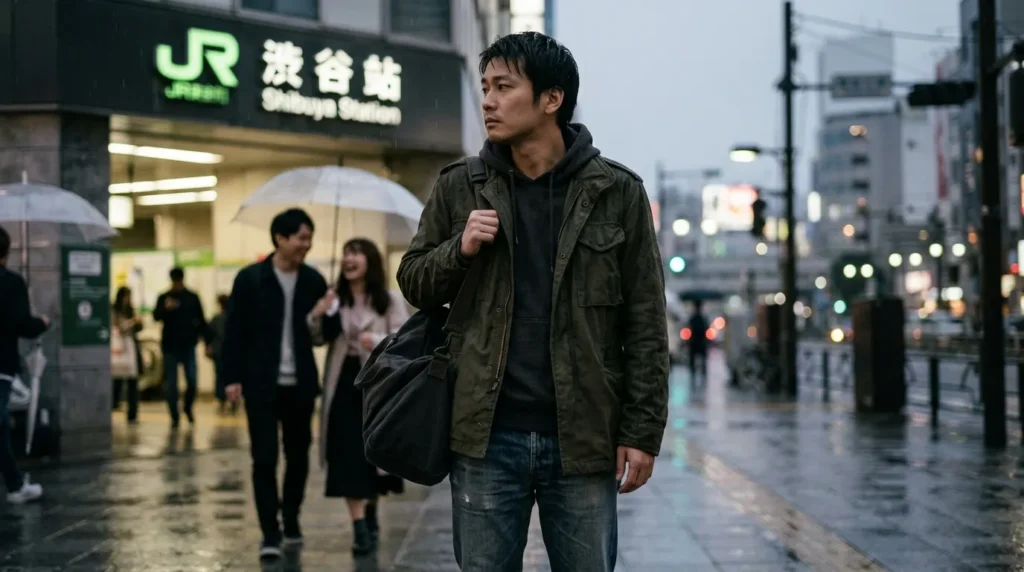
The protagonist knows that the woman he loves is now with another man. Even so, he does not try to win her back. Instead, he chooses to remove himself from the relationship.
This is one of the defining qualities of “MEMORY.” Before blaming anyone else, he decides what he himself should do. Although the song portrays the emotions of a man facing heartbreak, its focus is not on who was at fault, but on how he himself will bring the relationship to an end.
What Lies Behind His Refusal of Kindness?
In the final stage of the relationship, the protagonist does not even ask for the woman’s kindness. To me, these do not sound like the words of someone whose feelings for her have disappeared.
Quite the opposite. It is precisely because his heart can still be moved that he does not want to be comforted. If she treats him gently, the decision he has already made may begin to waver. So before his resolve changes, he packs his belongings and tries to leave while it is still dark.
He rejects her kindness precisely because his love has not disappeared. This apparent contradiction makes his pain feel even more real.
A Farewell That Is Not About Winning or Losing
Another striking aspect of the song is that the protagonist does not try to become the winner in a love triangle. He neither competes to win her back nor directs his anger toward the other man.
It is difficult to imagine that he feels no frustration or jealousy at all. Yet in the end, he chooses to step aside. There is a distinctive sense of decisiveness here that cannot be explained simply as self-sacrifice.
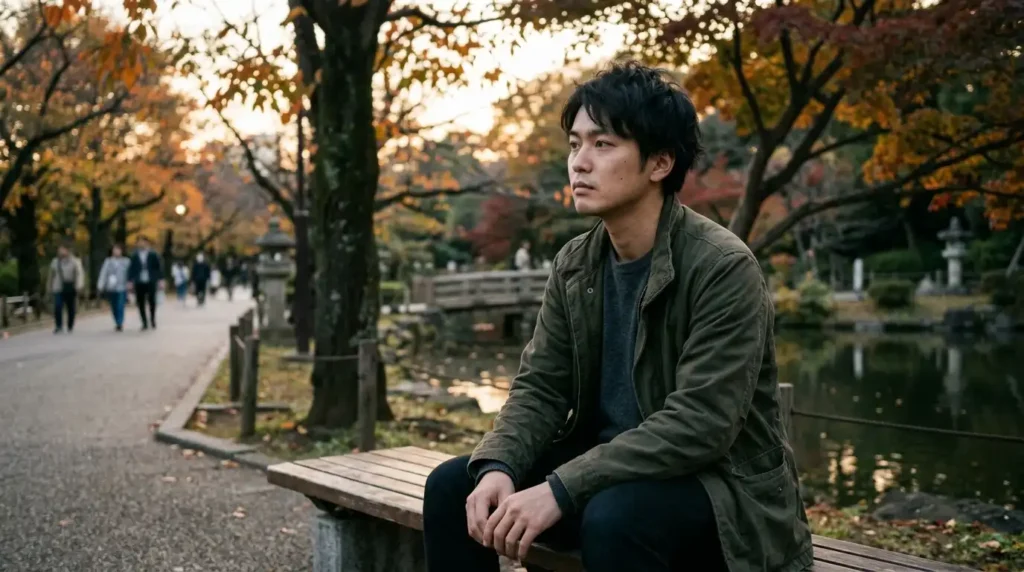
He does not leave because he has lost. He chooses for himself how the relationship will end.
This is where I find the particular sense of coolness and dignity in “MEMORY.”
What Kyosuke Himuro Called a “Man’s Aesthetic”
Kyosuke Himuro later spoke about “MEMORY” in terms that suggested the song represented what he regarded as a “man’s aesthetic”—his own ideal of how a man should conduct himself.
If someone else’s happiness requires him to step away, then he should do so cleanly. Once this idea is understood, the protagonist’s actions begin to reveal a clear internal logic.
I think it is important, however, not to idealize the protagonist too much. He does not walk away because he has stopped feeling anything. On the contrary, he leaves while still carrying all the feelings he could never express, choosing not to disrupt the life of the woman he loves.

A Farewell That Looks Cool Precisely Because It Is So Awkward
The phrase “a man’s aesthetic” may suggest a polished, almost effortless sense of coolness. But the protagonist of “MEMORY” is not a man who has everything under control.
He is not detached enough to smile, wish her happiness, and watch her go. Nor has he completely sorted out his own feelings. Instead, he seems like someone who decides what to do before his heart has had time to catch up.
A truly strong person might be able to remain in front of the woman and keep his emotions under control. This man cannot. So he packs his things and leaves on his own. In that sense, his departure is both an expression of strength and the choice of someone who understands his own weakness.
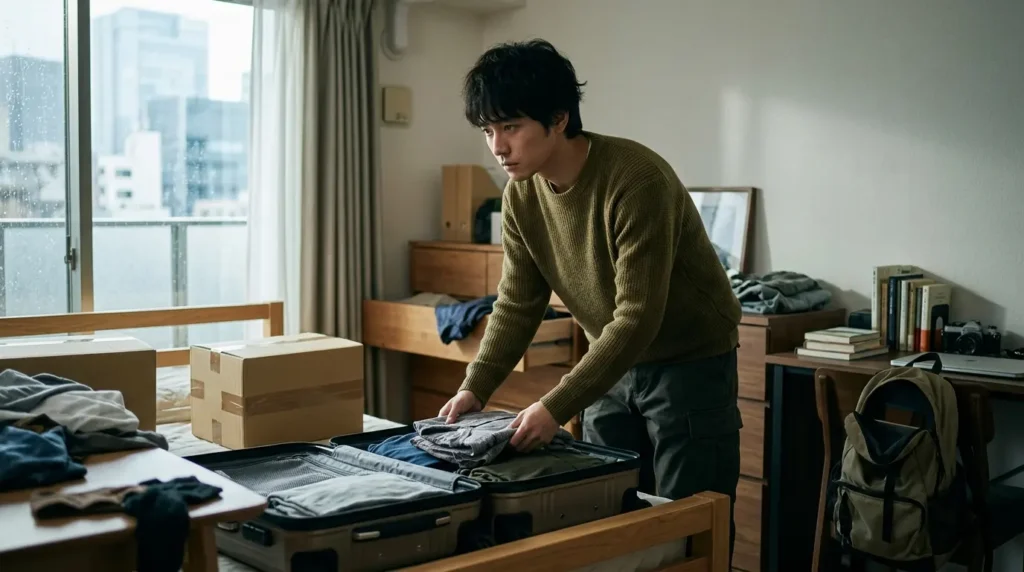
If she is kind to him, his determination may weaken. If he keeps looking at her face, he may become unable to leave. If they continue talking, he may eventually say things that would have been better left unsaid.
Because he understands this about himself, he does not prolong the relationship. Instead, he creates the distance he needs in order to end it.
This is why “MEMORY” does not sound merely like a song about a man making a clean and noble exit. Beneath the surface, we can sense his awkwardness. He tries to leave with dignity, yet every action reveals just how much attachment still remains.
The coexistence of pride and vulnerability is what makes “MEMORY” feel so deeply human.
Why the Title Is “MEMORY”
Then there is the title itself: “MEMORY.” The protagonist is trying to bring the relationship to an end, yet the woman is already beginning to remain inside him as a memory.
Her smile in photographs, the feelings he could never put into words—none of these disappear simply because he leaves. That is why, to me, his determination to forget her actually makes the opposite feeling even clearer: he knows that he will not truly be able to forget.

He wants to forget, yet she continues to live within his memory. These two emotions moving in opposite directions connect the title directly to the heart of the song.
The Significance of “MEMORY” as Track 11 on PSYCHOPATH
“MEMORY” is the 11th track on PSYCHOPATH. The album then closes with its 12th track, “Kisetsu ga Kimi Dake wo Kaeru.”
The first and middle sections of the album include songs such as “LIAR GIRL,” “MARIONETTE,” and “PLASTIC BOMB,” tracks filled with tension and momentum. After that surge of energy, “MEMORY” arrives near the end and seems to quietly lower the temperature, turning the listener’s attention inward.
What makes its position even more striking is that BOØWY announced its breakup on December 24, only about three and a half months after the album was released. For listeners who know what happened afterward, it is understandable that a song about a man choosing to leave, placed so close to the end of the album, can take on an additional emotional resonance.
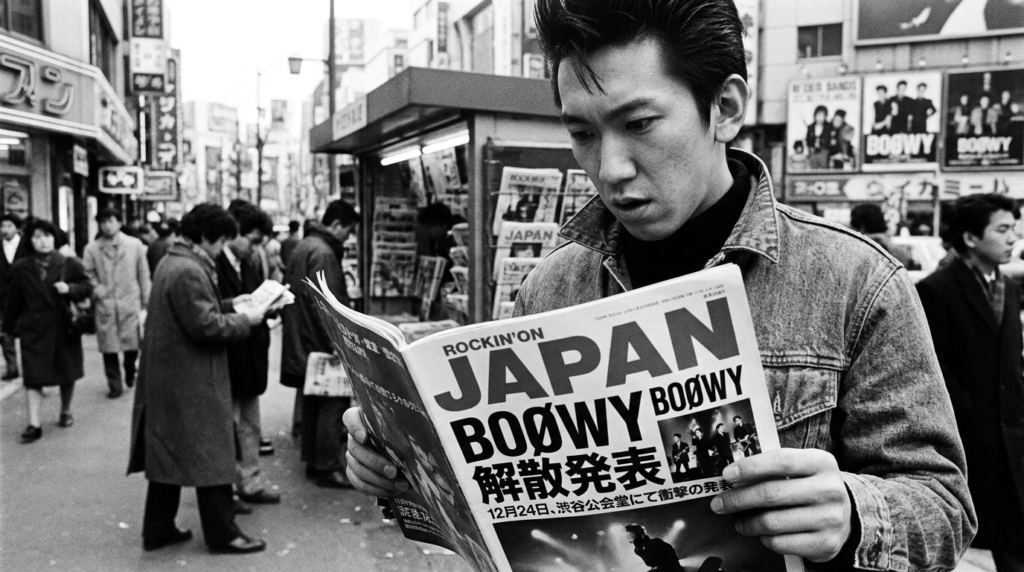
Of course, we cannot simply claim that “MEMORY” was written about BOØWY’s breakup. The story told in the song is the end of a romantic relationship.
Still, when the mood of the song overlaps with the circumstances of 1987, it can evoke a loneliness that seems to extend beyond romance alone.
A Different Kind of Farewell from No. 6, “Wagamama Juliet”
No. 6, “Wagamama Juliet,” also portrayed a man and woman whose relationship was falling apart. But the protagonists of the two songs do not stand in the same emotional place.
In “Wagamama Juliet,” the focus is on the distance that has developed between two people and on the way reality becomes intertwined with memories. In “MEMORY,” by contrast, the protagonist takes action before his emotions have been fully resolved.
He packs his belongings and leaves. He makes the decision not because his attachment has disappeared, but precisely because it remains. One song explores the process of sorting through emotions; the other portrays a man who draws the line himself even though his emotions remain unresolved. To me, that distinction is significant.
Tomoyasu Hotei’s Melody and Kyosuke Himuro’s Restrained Emotion
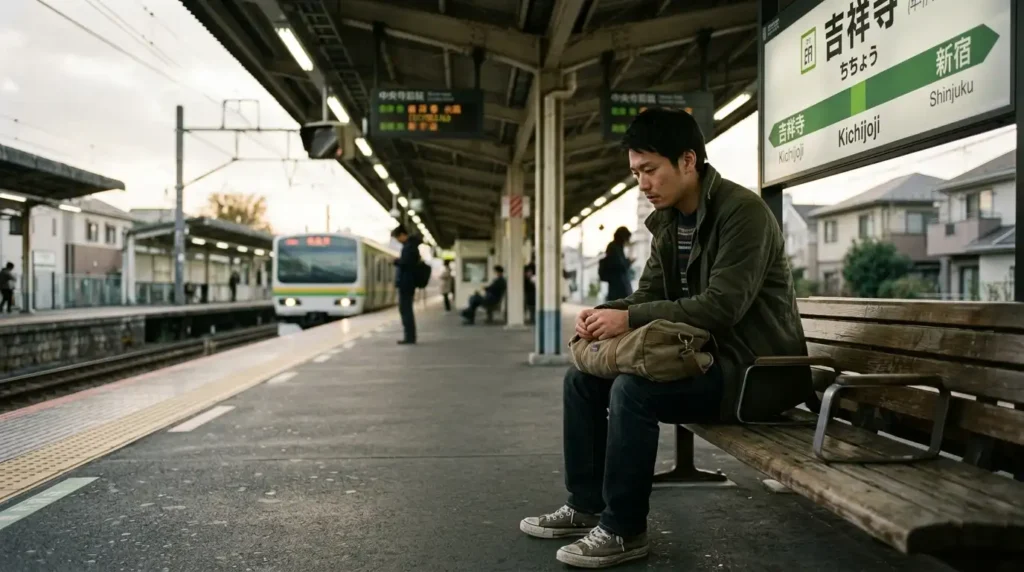
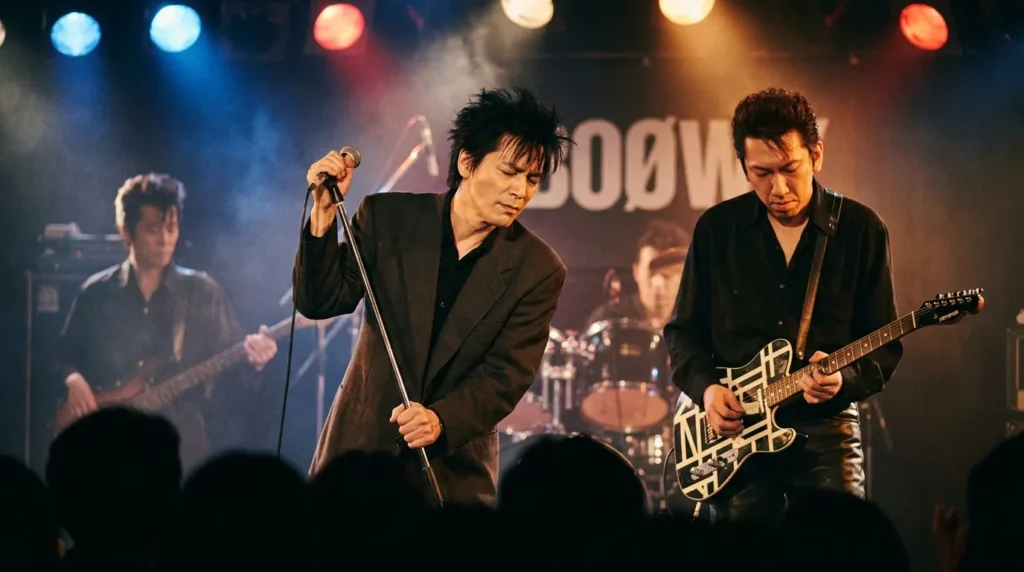
The music was composed by Tomoyasu Hotei. The melody of “MEMORY” carries an unmistakable sadness, yet it never becomes excessively sentimental. Rather than forcing emotion onto the listener, it creates a musical current that carries the protagonist’s words naturally forward.
Kyosuke Himuro’s singing follows the same approach. He does not begin by releasing all of his emotion. Instead, he sings as a man who has already made his decision. As the song progresses and the feelings beneath that decision gradually become visible, the subtle changes in his voice become increasingly powerful.
Emotion Becomes Stronger Because It Is Restrained
In my No. 7 song, “ONLY YOU,” I was drawn to the moments when Himuro’s voice seems to push forward beyond the instrumental sound. “MEMORY” reveals a different side of his appeal.
Here, instead of releasing his emotions outward, he seems to be trying to contain them within himself. Yet as the song continues, the feelings he has tried to hide gradually seep through his voice. That tension between restraint and emotion is what makes the vocal performance so memorable.
Hotei’s melody and Himuro’s lyrics move in the same direction, with Himuro’s vocal performance completing the picture. “MEMORY” demonstrates BOØWY’s expressive range from a very different angle than the powerful beats and sharp guitar sounds for which the band is so well known.
In Closing — Trying to Forget Is What Makes the Memory Remain
“MEMORY” is a song about heartbreak, but sadness alone is not why I placed it at No. 5. The protagonist puts the other person’s life before his own feelings and refuses to leave the final decision in someone else’s hands. In that attitude, I hear what Kyosuke Himuro described as a “man’s aesthetic.”
Yet the man who tries so hard to leave with dignity is still carrying something he cannot forget. It is this deeply human contradiction that prevents “MEMORY” from becoming merely a stylish song about a noble farewell.
He can leave the place where the relationship existed, but he cannot remove the woman from his memory. That, to me, is why the song could have no more fitting title than “MEMORY.”
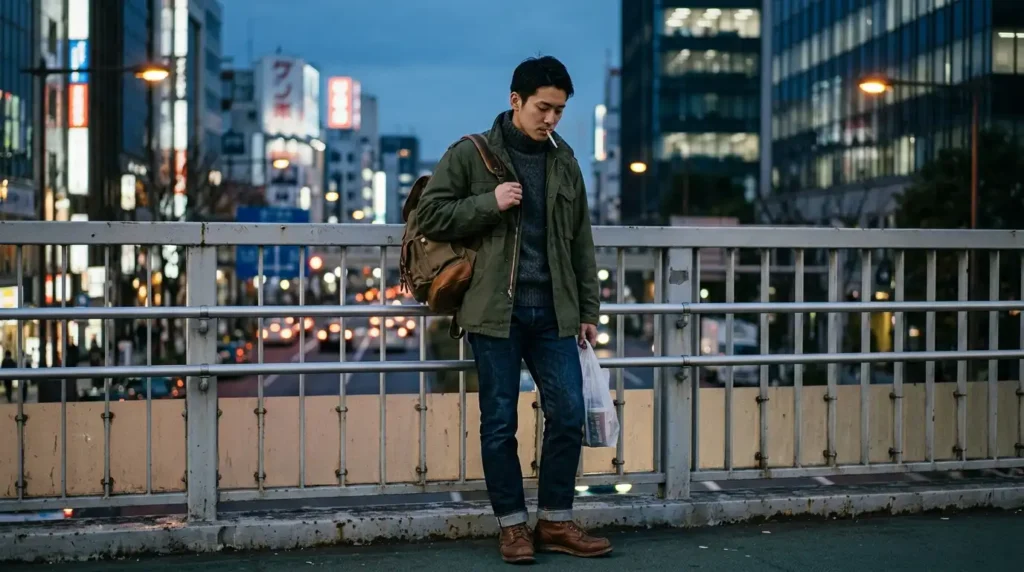
Acting strong and being unhurt are not the same thing.
“MEMORY” is a song that lets us hear that difference through the voice of Kyosuke Himuro.

音楽ファン同士の交流・リクエストはこちら / Connect & Request Songs Here