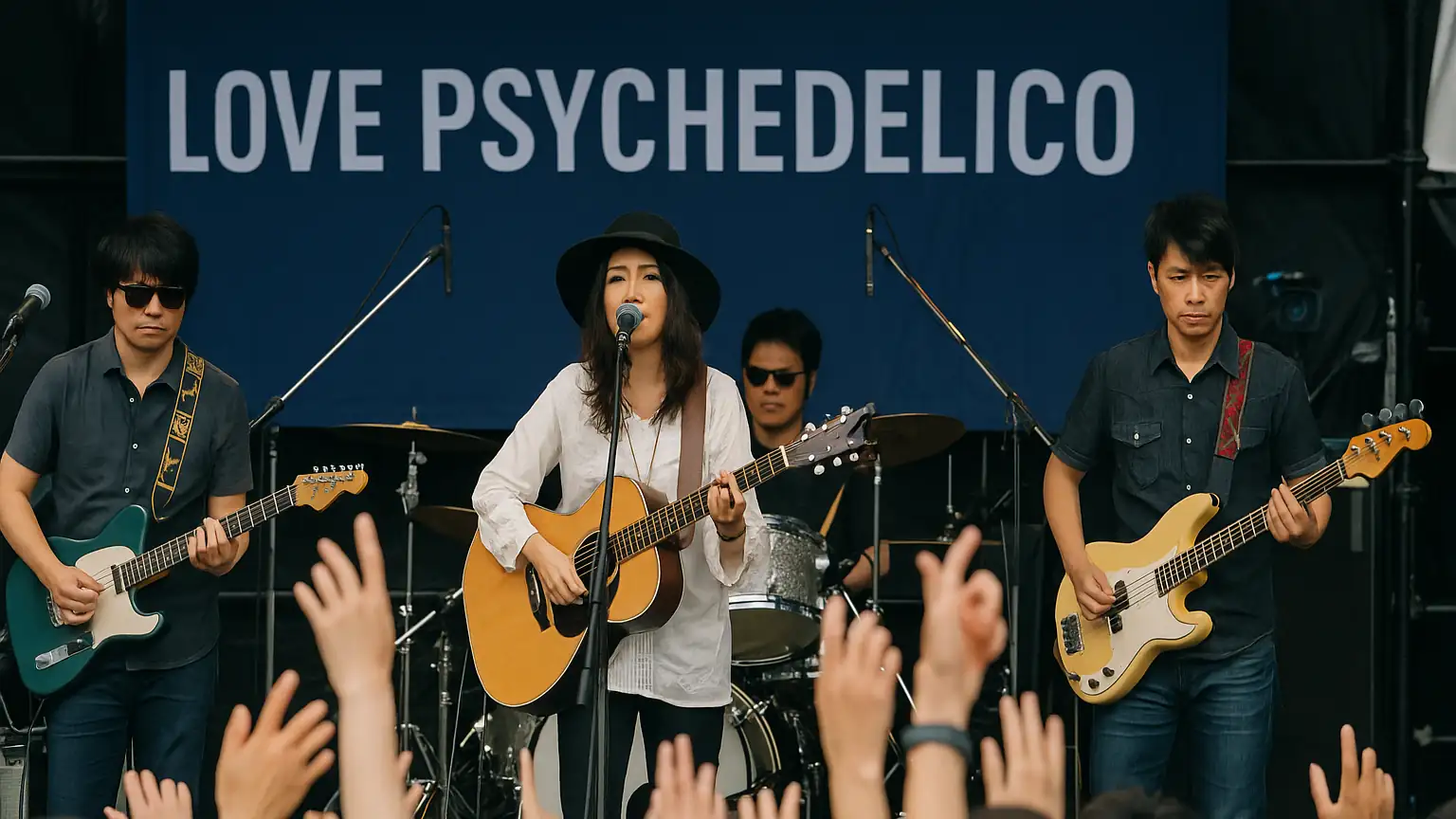
The 25-Year History of LOVE PSYCHEDELICO!
- 🎧 Enjoy This Article in Audio
- No. 5: “Have You Ever Seen the Rain?”
- Background and Historical Context
- Differences in Atmosphere: CCR vs. Delico
- Vocals That Prioritize Musical Flow
- Expanding Interpretations Through Language Nuances
- How to Process the Most Memorable Phrases
- The Resonance in Live Performances
- Shaping the Contours Through Comparison
- The Significance of Singing in the Original English
- Its Role on the Album “ABBOT KINNEY”
- The Musical Philosophy Reflected in Delico’s Version
- Conclusion
🎧 Enjoy This Article in Audio
You can quickly grasp the main points of this article through narration.
Recommended for those who want to catch the vibe of the music and the flow of the article before reading.
🎶 English Narration
An English audio introduction to the contents of this article.
⌛ Duration: Approx. 2 mins
🎵 Japanese Narration
A Japanese audio introduction to the contents of this article.
⌛ Duration: Approx. 2 mins
Listening to the audio before reading helps you better understand the world of the music and the main points of the article.
No. 5: “Have You Ever Seen the Rain?”
Coming in at number 5 for Delico is their cover of “Have You Ever Seen the Rain?”
Even among hardcore Delico fans, some might find it unexpected to see this track ranked in the top five. As explained below, the original song was included in CCR’s 1970 album “Pendulum” and gained widespread recognition in 1971. I first encountered this song when I was in junior high school, and it has remained one of my absolute favorites ever since.
I have already featured it twice on this blog. Please take a moment to listen and compare them. It is a perfect example of how three different artists can bring completely distinct interpretations to the same piece of music!
LOVE PSYCHEDELICO released their version of “Have You Ever Seen the Rain?” on January 13, 2010, as part of their 5th album, “ABBOT KINNEY.” Serving as the grand finale of the album, this track is not just a mere cover, but a symbolic representation of the band’s musical philosophy and artistic stance. While taking on CCR’s (Creedence Clearwater Revival) timeless masterpiece, they infused it with a resonance that transcends both eras and borders, shaping it into a universal work that is unmistakably Delico.
🎥 As always, let’s start by watching the official YouTube video.
🎬 Official Video Credits (Official Audio)
Provided to YouTube by JVCKENWOOD Victor Entertainment Corp.
"Have You Ever Seen the Rain?" · LOVE PSYCHEDELICO
From the album "ABBOT KINNEY"
© JVCKENWOOD Victor Entertainment
📖 Two-Line Commentary
A brilliant cover of the CCR classic, reimagined through LOVE PSYCHEDELICO's unique musical lens.
Their signature style shines through, effortlessly blending the natural cadence of English lyrics with their own distinctive sound.
Background and Historical Context
The Historical Context of CCR’s Original
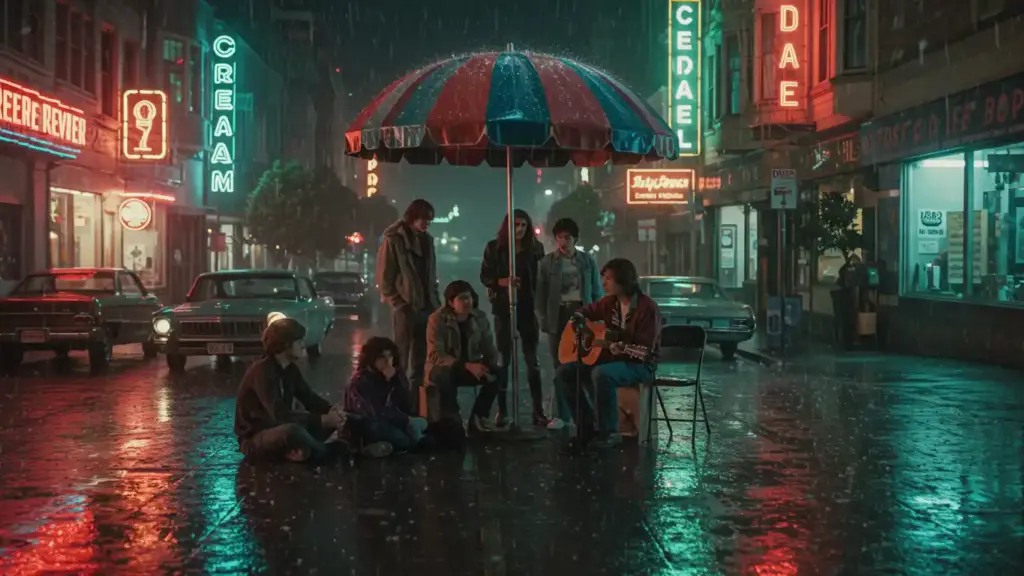
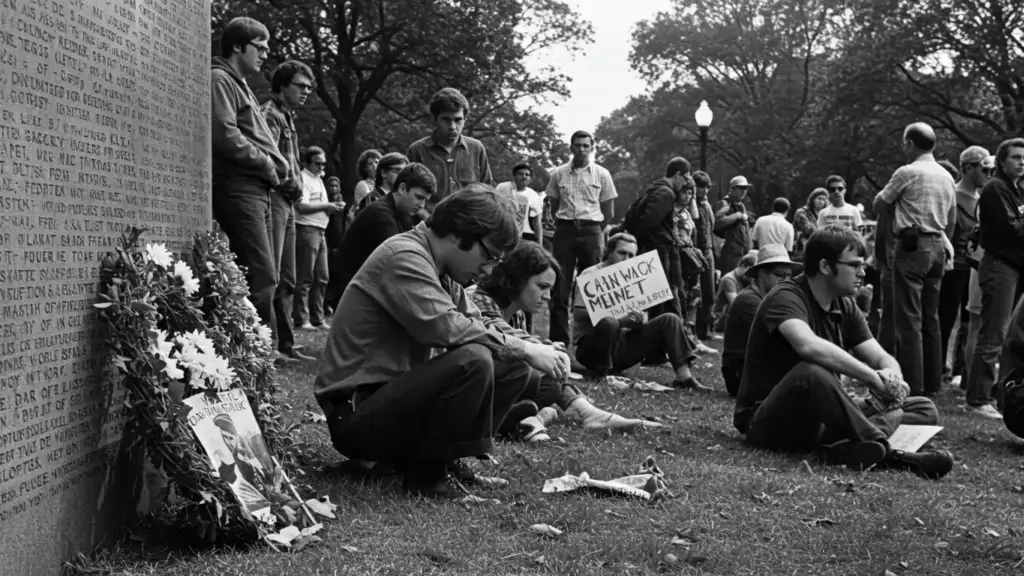
The original version by CCR was included in their 1970 album “Pendulum” and became widely played from late that year into 1971. While the paradoxical imagery of “rain falling on a sunny day” has often been interpreted as a reflection of societal anxiety during that era, John Fogerty himself has spoken about it in connection with the internal tensions and impending breakup of CCR. Because of this background, a lingering sense of unrest remains beneath the song’s bright, upbeat melody.
The Japanese Music Scene in 2010
On the other hand, around 2010 when Delico released this track, the Japanese music industry was in a phase where the speed of consumption was accelerating rapidly, marked by the explosive rise of idol groups and digital streaming services. In this environment, Delico maintained a unique and distinct presence with their Western-rock skeleton and seamless transitions between Japanese and English lyrics. The album “ABBOT KINNEY” carries a sophisticated, urban atmosphere while remaining highly accessible, and this final cover track brings the entire project to a gentle, comforting close.
Differences in Atmosphere: CCR vs. Delico
The Mood of the CCR Version
In the original version, a heavy layer of anxiety sits beneath the bright musical tone. The rain feels like an “inevitable fate,” leaving the listener with a sense of resignation.

The Shift in the Delico Version
In Delico’s version, that heavy weight is noticeably softened. KUMI’s vocals are never overbearing, flowing gently as if softly brushing against the listener’s own memories.
Vocals That Prioritize Musical Flow
The Alignment of Phrasing and Melody
Delico’s vocal delivery focuses less on textbook phonetic precision and more on the natural, rhythmic marriage between word sounds and melody. By keeping vowel extensions even and using consonants to anchor the rhythm, listeners look past the feeling of “listening to a foreign language,” receiving the English phrasing as a natural part of the musical flow.
The Symbolism of the Word “Rain”
The word “rain” in particular serves as the central axis of the entire song. As it intertwines with the crisp guitar strumming and KUMI’s distinct vocal texture, the word transcends its literal meaning and stands out as a purely musical element. The tangible presence of the sound takes precedence over any translation.
Expanding Interpretations Through Language Nuances
Experimenting with Linguistic Nuances
When you substitute different Japanese terms for the rain in your mind, the overall impression of the song shifts significantly:
- “Tenki-ame” (Sunshower): Light and casual. It feels like an event happening right now in daily life.
- “Kitsune no Yomeiri” (The Fox’s Wedding): Adds a touch of folklore and mystique, leaving the central question as a small, poetic mystery.
- “Seki-u” (Passing Sunshower): Scientific and observational. The chorus shifts from an emotional crest to the simple confirmation of a natural phenomenon.
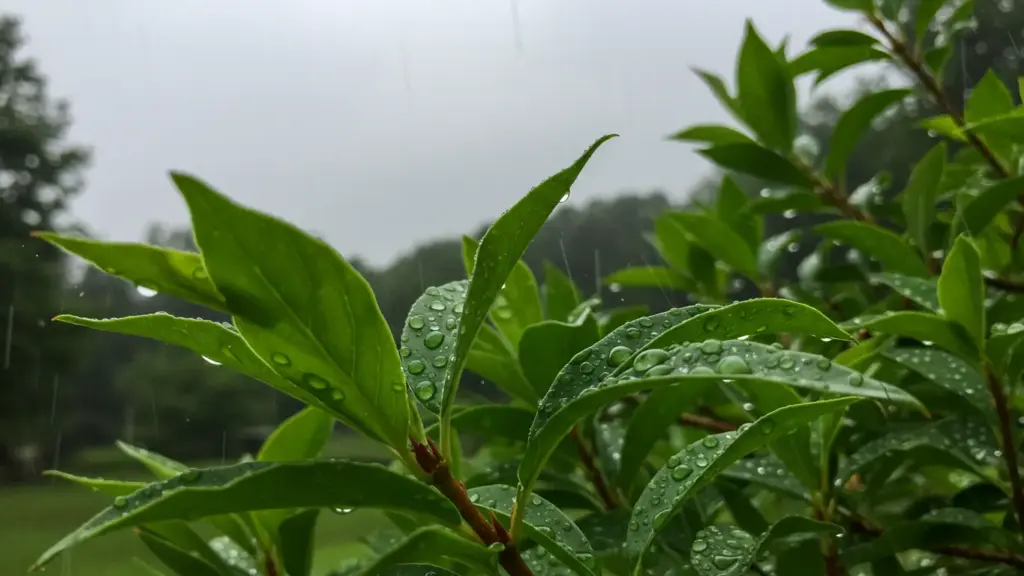
Even for the exact same physical phenomenon, the name chosen in Japanese alters the imagery. The scenery of “coming down on a sunny day” has long been familiarly known as “Tenki-ame” in Japan. Rather than over-explaining the phenomenon, Delico’s version allows the scene to naturally overlay with the listener’s personal memories.

How to Process the Most Memorable Phrases
“Someone told me long ago”
The opening line starts with a vague, distant memory. While this line sounded like a premonition of anxiety in the CCR version, Delico turns it into a quiet, shared moment by delivering it with a restrained, understated vocal finish.
“Coming down on a sunny day”
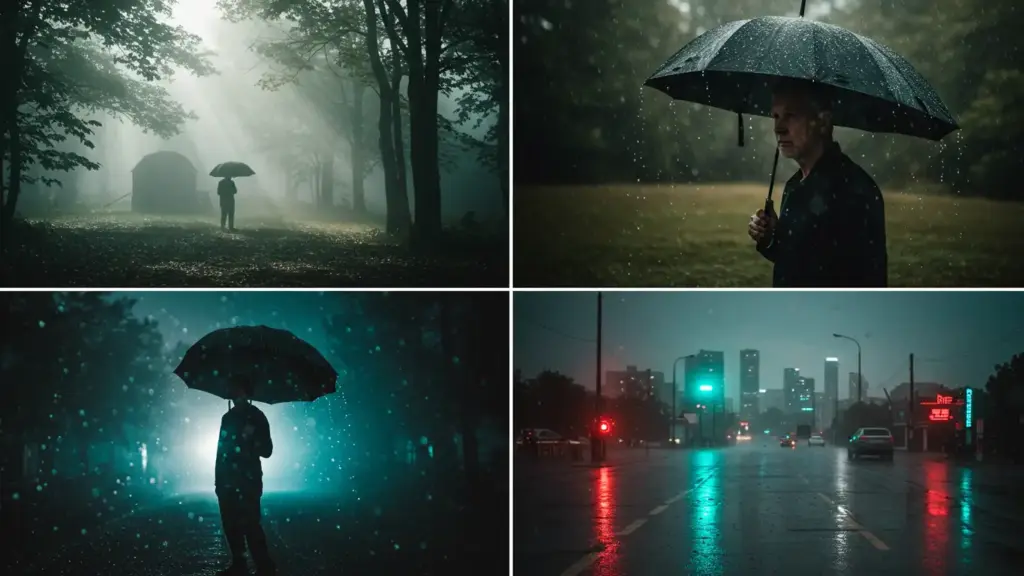
A paradoxical image. Delico’s version leaves this contradiction completely unexplained, letting it rest inside the music. Listeners can superimpose their own version of “sunshine and rain,” continuously updating the scenery in their minds.
“I know, it’s been comin’ for some time”
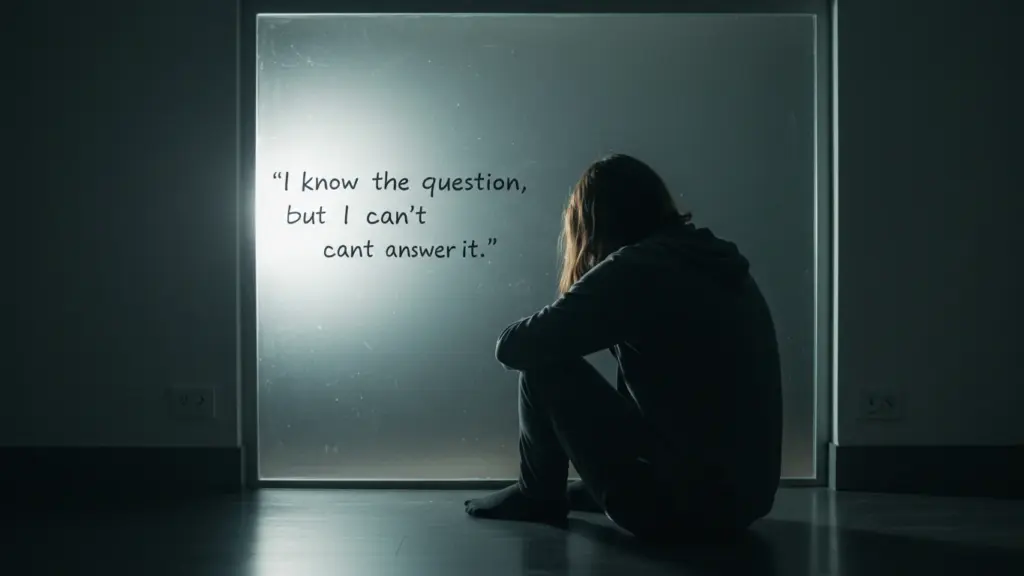
By singing this line casually rather than with heavy emphasis, they highlight the beautiful ambiguity of shared experience—the feeling of knowing something intimately yet being unable to put the answer into words.
The Resonance in Live Performances
Acoustic Arrangements vs. Full Band
Imagining this song live, it feels like it would work perfectly whether performed as a stripped-back acoustic set or with the rich texture of a full band arrangement. This is because it is not a track that forces a loud, singular message, but one that gently expands to fill the venue’s atmosphere.
How the Audience Receives It
Instead of igniting a roar of wild excitement, this song invites the audience to quietly internalize the music alongside their own memories. The lingering resonance left after the final note feels less like a flashy high and much closer to a softly spreading sense of shared empathy.
Shaping the Contours Through Comparison
The CCR Version (1971)
The thick, powerful vocals set against an unyielding, steady rhythm beautifully highlighted the underlying anxiety tucked away inside an otherwise bright melody.
The Rod Stewart Version (2006)
His iconic raspy voice drips with the bittersweet flavors of life, making the rain feel like a symbol of regret and nostalgia. The song’s gaze leans away from the future, looking back wistfully into the past.
The Delico Version (2010)
Steering clear of heavy social commentary or existential melancholy, Delico brings the gaze back to the simple textures of everyday life. The ultimate answer is left entirely to the listener, creating a beautiful space where the ring of English lyrics and Japanese landscapes naturally intersect.
The Significance of Singing in the Original English
Choosing Sound Over Translation For Universality
Translating the lyrics into Japanese might add literal meaning, but it also attaches unwanted baggage and extra nuances. By keeping the short English phrases exactly as they are, Delico prioritized an intuitive connection between the sound and the visual imagery.
While short words like “rain” and “sunny” are instantly understood, their acoustic shapes are also incredibly clean and defined. Listeners can absorb the music through pure sensation rather than relying on translation, landing directly at the heart of the song’s core question.

Its Role on the Album “ABBOT KINNEY”
A Gentle Closing Track
Placing this song at the very end of “ABBOT KINNEY” ensures that the album closes not on a definitive “answer,” but on an open-ended “question.” It provides a finish that avoids theatrical climaxes, quietly casting its gaze into the distance.
The Flow of the Album
Starting with the opening track “Everybody Needs Somebody,” the entire album is driven by polished, urban rhythms. Anchoring the finale with this cover introduces a serene stillness that invites contemplation, allowing the record to blend seamlessly into the listener’s daily routine.
Perfect for an Urban Afternoon
This track pairs beautifully with the movement of a city viewed through a window—people waiting at a crosswalk, a bicycle rushing past, footsteps fading away. While these are tiny details, they sync beautifully with the song’s tempo, subtly deepening the contrasts of daily life. It offers a “quiet modulation” perfectly suited for an album closer, shifting the color of your surroundings without relying on cheap drama.

The Musical Philosophy Reflected in Delico’s Version
Respect for the Original and a Natural Sense of Distance
Rather than violently dismantling a classic, this cover reflects a beautiful desire to gently adapt the song to the band’s own breathing. The true magic lies in how they preserved deep respect for the original while pulling it into their signature, grounded worldview.
A Cover That Melts Into Daily Life
The unique brilliance of Delico’s take lies in its ability to exist simply as beautiful music floating naturally through your day, rather than forcing heavy, self-important meanings into the foreground.

Conclusion
“Have You Ever Seen the Rain?” is a timeless masterpiece that has been passed down through generations for over half a century. The CCR original holds an underlying anxiety beneath its brightness, while Rod Stewart’s version offers the rich flavor of a life looked back upon. LOVE PSYCHEDELICO’s rendition allows this legendary song to echo as a soft, comforting cover that feels perfectly at home within the landscapes of Japan.
Even with the exact same phrases, different imagery surfaces with every listen, shifting its meaning based on your mood or the weather outside. This inherent fluidity is precisely why the song continues to sound incredibly fresh today. I invite you to listen to it once more, perhaps while conjuring up your own personal image of a sunshower.

音楽ファン同士の交流・リクエストはこちら / Connect & Request Songs Here