- 🎧 Listen to this article
- #4: “Born to Run”
- First, please listen to the official audio on YouTube
- Discomfort with It Being Consumed as an Anthem of Joy
- A Sense of Distance from an Overly Gigantic “Public Monument”
- A Perfect Song Structure Where Frenzy and Silence Intersect
- The Scenery Seen at the End of an Eternal Escape
🎧 Listen to this article
You can easily check the main points of this article with audio first.
Recommended for those who want to grasp the essentials quickly before reading.
🎶 English Narration
Explains the content of this article in English.
⏳ Playtime: Approx. 2.5 mins
🎵 Japanese Narration
You can listen to the same content with a Japanese narration.
⏳ Playtime: Approx. 2.5 mins
* Listening to the audio before reading the text will help you understand Springsteen’s history and the evolution of his sound more multi-dimensionally.
#4: “Born to Run”
Although highly acclaimed by many music magazines and critics as one of his greatest masterpieces, it ranks #4 in my personal list. The reason is quite simple: there are just three other songs I personally like more.
However, this time, I want to talk about this universally known masterpiece from a slightly different angle. What words and emotions are hidden behind its image as a frenzied stadium anthem sung by thousands? I will dare to take a step back, deconstruct it, and explore what lies in its depths.
The Essence of the Lyrics
This town is a death trap that drains hope to the bone.
Wendy, let's break out of this cage together and hit the night highway.
I want to know if love is real. Until we reach where we truly belong, we were simply born to run.
First, please listen to the official audio on YouTube
Credits
Bruce Springsteen "Born to Run"
Written by: Bruce Springsteen
℗ 1975 Bruce Springsteen / Columbia Records
Provided to YouTube by Columbia
Brief Commentary
The signature song of Bruce Springsteen, defining his 1975 album Born to Run. It is a rock anthem depicting the desperate romance of youths trying to escape a suffocating town for freedom, driven by a galloping sound.
Credits
"Born to Run" Official Music Video
Written by: Bruce Springsteen
Produced by: Bruce Springsteen, Mike Appel
Label: Columbia Records
Originally from: Born to Run (1975)
Brief Commentary
The official video for his 1975 signature track, condensing the raw live energy of Springsteen's youth. An immortal anthem with a grandiose rock sound, portraying the urge of young people to break through confinement and run toward freedom and hope.
Credits
Bruce Springsteen & The E Street Band
"Born to Run"
From: London Calling: Live in Hyde Park
Performance: June 28, 2009, Hyde Park, London
Written by: Bruce Springsteen
Label: Columbia Records
Brief Commentary
Live footage from the 2009 London Hyde Park concert, showcasing the E Street Band's massive sound uniting with the audience's feverish energy. A rock anthem that blasts the youthful urge to break free, delivered with stadium-level festivity.
Discomfort with It Being Consumed as an Anthem of Joy
Stadium Frenzy and a String of Extremely Dark Words
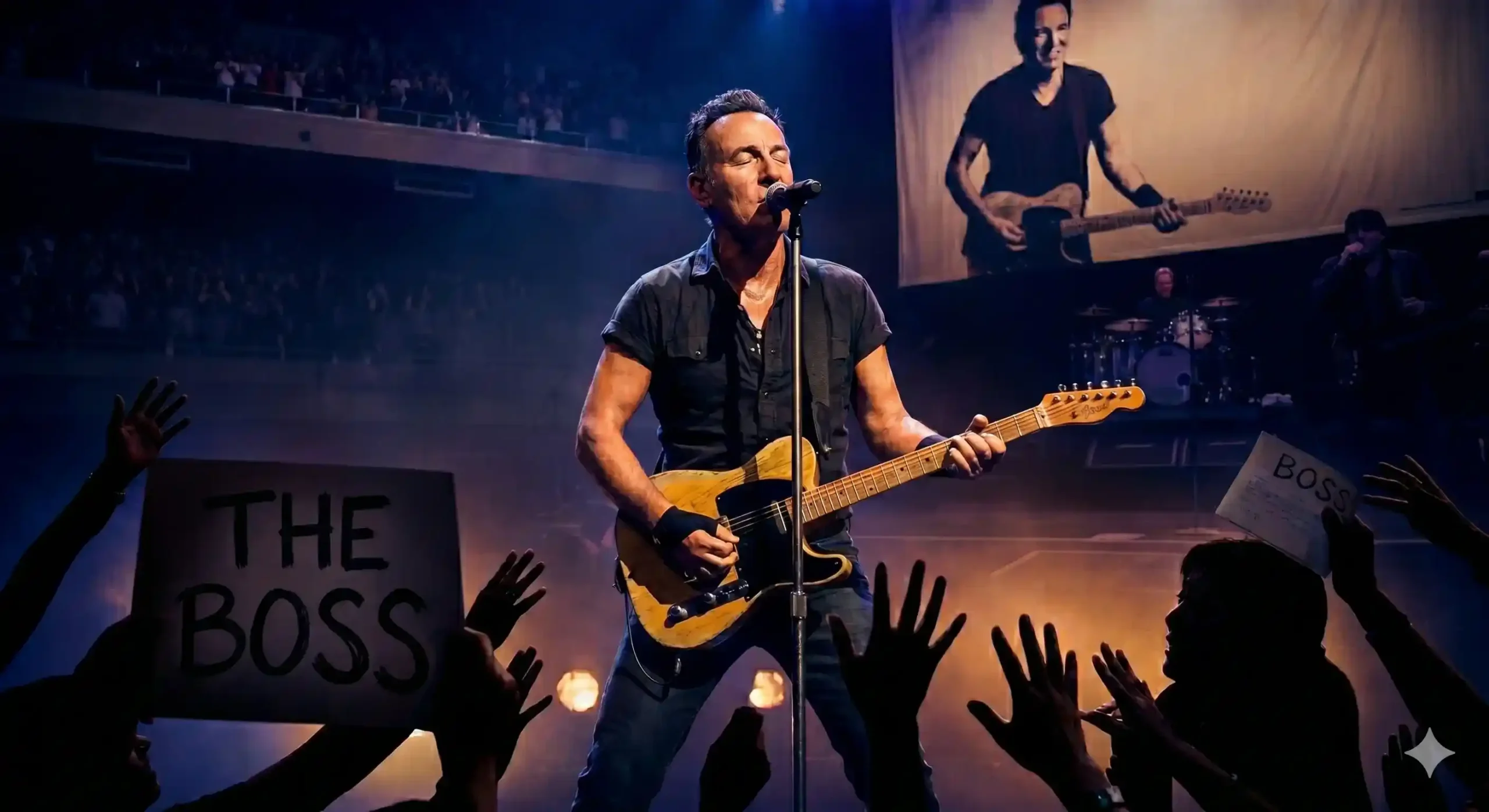
From the explosive drum intro to the avalanche-like wall of guitars and saxophones. When this song is played live, the audience stands up, fists in the air, and sings in massive unison, “We were born to run.” The sight is undeniably moving, and the media often introduces it as “a positive masterpiece that proudly sings of the boundless energy of youth and a thirst for freedom.”

However, I always felt a certain discomfort in accepting this song simply as a “positive youth song.” Looking at the lyrics again, what you find are…
“runaway American dream”
“suicide machines”
“death trap”
“rips the bones from your back”
…an array of surprisingly bleak and blood-soaked words.
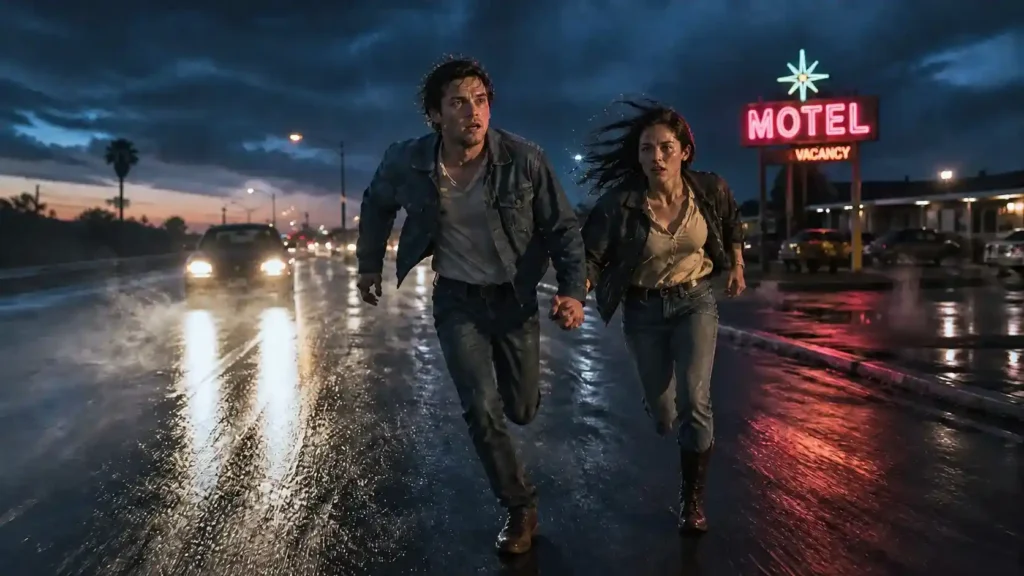
The protagonist is not standing on a starting line pointing to a bright, hopeful future. It’s a borderline situation where stopping for even a moment means being entangled in a rock-bottom life and spiritually killed. Rather than running toward a wonderful destination, they have no choice but to plunge into the dark of the night to escape the despair creeping up from behind. The overwhelming sense of speed in this song is not the speed of running toward hope, but the speed of a “desperate escape” to flee from terror.
A Thick Armor Called the “Wall of Sound”
Springsteen spent an enormous amount of time—nearly half a year—recording just this one song. The episode of him layering dozens of guitar tracks and constructing that thick “Wall of Sound” with an almost mad obsession is incredibly famous.
Why was such excessive sound pressure necessary? I can’t help but think it was a sturdy armor meant to conceal the “loneliness and fear (I’m just as scared and a lonely rider)” at the root of the lyrics.
To prevent their tiny, powerless selves from being crushed by this massive city of despair, they had no choice but to arm themselves thoroughly with that explosive wall of sound. The glamorous horn sections and the crawling basslines—they are all bluffs to negate the fear, akin to a desperate prayer. Thinking about it this way, every single layer of that thick sound feels as though it’s painted with the stinging impatience he felt at the time.
A Sense of Distance from an Overly Gigantic “Public Monument”
Intimacy Diluted by Shared Experience
As a result of becoming too famous and serving as an anthem for far too many people, “Born to Run” sometimes feels like it has transcended the bounds of a record that comforts an individual’s loneliness, becoming a sort of “public monument.” What attracts me most to Springsteen’s music is that “one-on-one intimacy”—the feeling of him quietly confessing personal pain in the dark. In that regard, this song is almost too perfect, and both the scale of its sound and the number of its listeners are simply too vast.
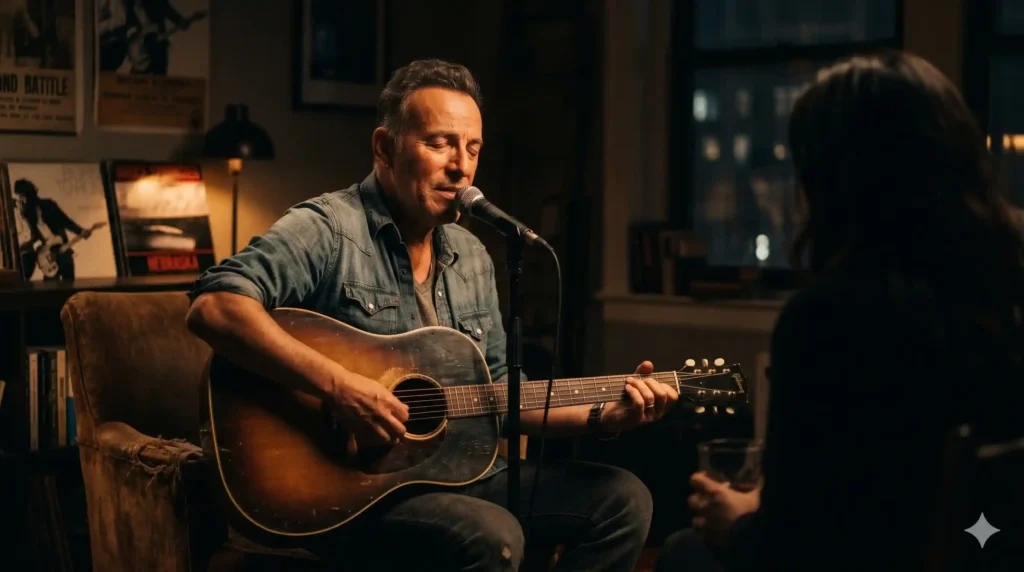
The frightened young man who supposedly begged, “Wendy, let me in” at her window has now become a mythological resident amidst the chorus of tens of thousands. Because it is an absolute masterpiece known to everyone, I inevitably take a slight step back to look at it. The #4 ranking might just reflect my somewhat contrarian psychology as a listener.
A Perfect Song Structure Where Frenzy and Silence Intersect
The Calm Before the Storm and Clarence Clemons’ Roar
The brilliance of “Born to Run” lies in the fact that it doesn’t just sprint at top gear from start to finish. The unexpected arrival of a middle section that feels like the calm before the storm, followed by a dramatic structure that rushes straight to the climax—it has a breathtaking perfection no matter how many times I hear it.
The quiet bridge where he pleads, “Wendy let me in, I wanna be your friend. I wanna guard your dreams and visions.” The tempo drops, a taut tension fills the air, and the performance gradually builds heat. And then, tearing through that tension pushed to its absolute limit, comes Clarence Clemons’ roaring saxophone solo.
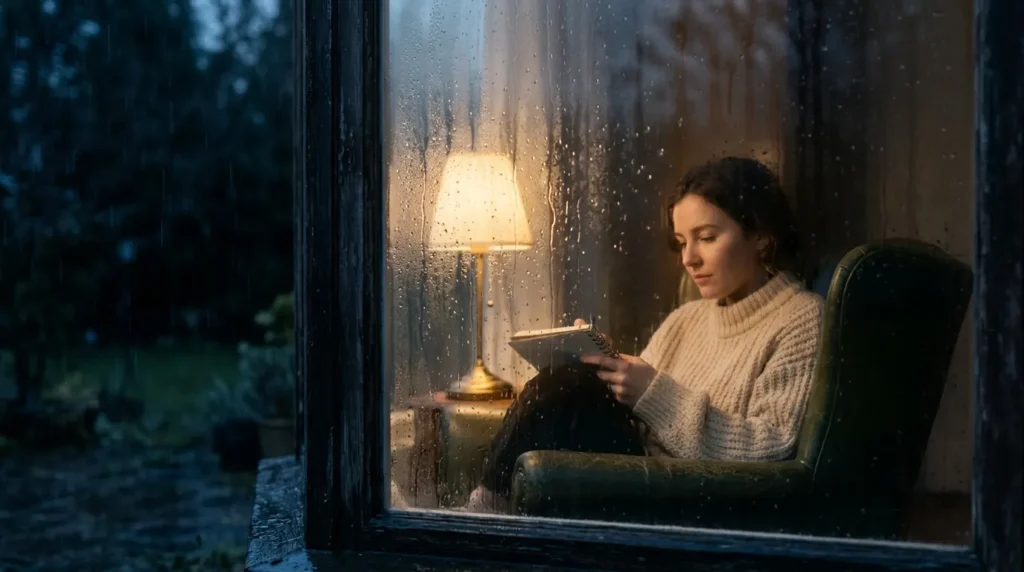
Under desperate circumstances, akin to driving down a pitch-black highway without headlights, the tone of that saxophone sounds like a single ray of light breaking through for just a moment—or perhaps the protagonist’s unspeakable scream itself.
In Springsteen’s career, Clarence’s saxophone was always a symbol of “salvation.” In this extreme escape, only during the moment his sax echoes can one forget the creeping fear from behind and surrender to the pure joy of the music.
The Cruel Realism of “Living with the Sadness”
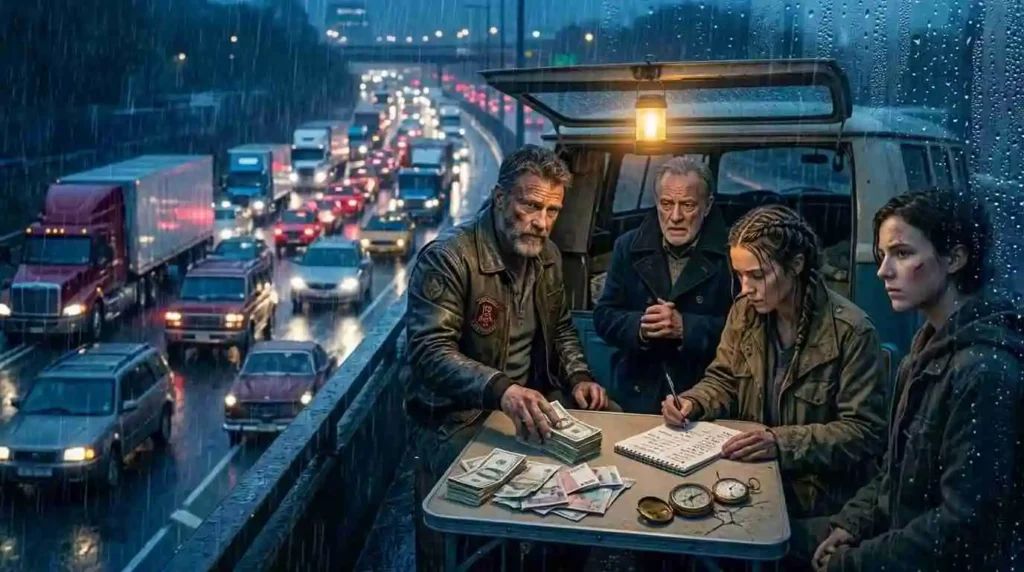
In the final verse, the protagonist sings that the highway is jammed with broken heroes on a last-chance power drive, thrusting forth the desperate reality that “there’s no place left to hide.” There are no guarantees of a successful escape. Then, he turns to Wendy in the passenger seat and says:
“So together, Wendy, we’ll live with the sadness”
“I’ll love you with all the madness in my soul”
There is no easy American Dream here that promises, “If we escape, we will definitely be happy.” Even if they manage to break out of this town, the sadness and madness inside them won’t disappear. The cruel realism lies in the fact that they have no choice but to carry all of it and still live together.
Running to find hope, yet never being able to escape the darkness within oneself. This very contradiction and conflict is the greatest factor elevating “Born to Run” from a mere teenage driving song into a literary work depicting the fundamental karma of humanity.
The Scenery Seen at the End of an Eternal Escape
Dreaming of the Day We Walk in the Sun
At the end of an escape teetering on despair, the protagonist utters a prayer-like phrase at the very end:
“Someday girl, I don’t know when, we’re gonna get to that place where we really want to go, and we’ll walk in the sun.”

Having sprinted through the dark of night carrying madness and sorrow, they ultimately dream of “the sun”—the brightest and most open place imaginable. This vivid contrast never fails to strike a chord in my heart.
The fact that the young man who armed himself with a thick wall of sound and bluffed his way into the dark of the night truly just wanted to “walk normally under the bright sun with the one he loves.” The lingering echo of that modest yet desperate wish fading out alongside the explosive outro performance possesses an unparalleled beauty.
Thoughts Behind the #4 Ranking
I deliberately took some distance from this song that has become a massive monument, choosing to focus on the “darkness” behind it. I avoided unconditional praise because, precisely as it is a universally known masterpiece, I wanted to scoop up the stinging pain flowing in its depths once again.
While it sits at #4 in my personal ranking, this “Born to Run” remains an absolutely indispensable masterpiece in the history of rock—and in my own musical experience.
When the drum intro echoes, I am still enveloped in an indescribable heat and impatience. While being overwhelmed by the massive wall of sound, I chew on the depth of the “prayer” embedded within. The very profundity that allows it to change its shape like a kaleidoscope depending on the listener’s perspective and interpretation—that must be the greatest reason why this masterpiece has continued to be loved for nearly half a century.
音楽ファン同士の交流・リクエストはこちら / Connect & Request Songs Here