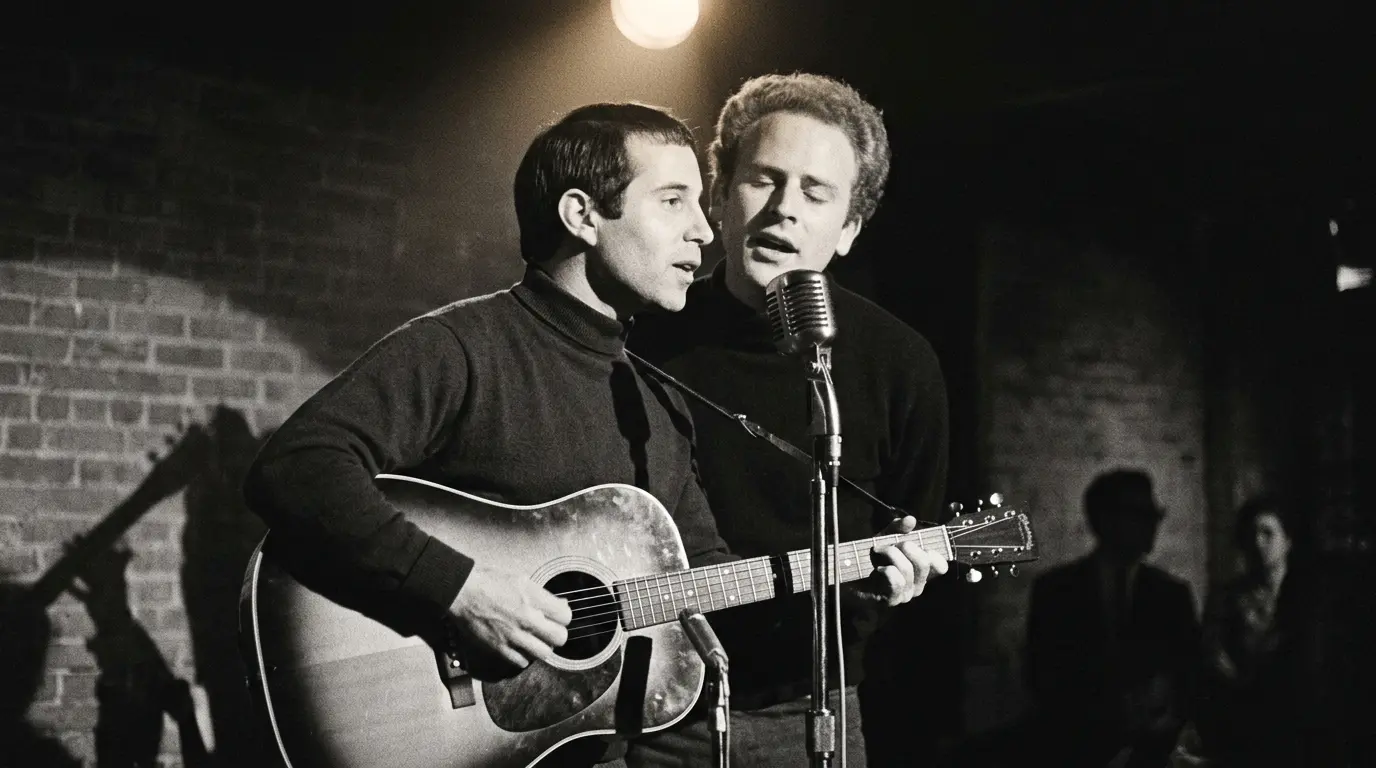
Simon & Garfunkel’s history is available here!
- 🎧 Listen to This Article
- No. 9 is “I Am a Rock.”
- 🎥As always, let us begin with the official YouTube videos.
- The Heart Hidden Behind the “Rock” and the “Island”
- A Safe Room Surrounded by Books and Poetry
- A Bright Sound That Reveals a Dark State of Mind
- From a Solitary Performance to a Signature Song for Two Voices
- What I Felt When I Chose This Song
- Final Thoughts
🎧 Listen to This Article
You can quickly review the key points of this article through narration.
This audio is recommended for readers who want to understand the world of “I Am a Rock” and the overall flow of the article before reading.
🎶 English Narration
An English narration introducing the content of this article.
🎵 Japanese Narration
A Japanese narration introducing the content of this article.
Listening first will make it easier to understand the world of “I Am a Rock” and the central ideas explored in the article.
No. 9 is “I Am a Rock.”
Simon & Garfunkel’s version of “I Am a Rock” appeared on the album Sounds of Silence, released on January 17, 1966, and was issued as a single in the United States that May. It reached No. 3 on the Billboard Hot 100, giving the duo their third consecutive Top 5 hit after “The Sound of Silence” and “Homeward Bound.”
Bright, buoyant guitar, a crisp rhythm, and two voices merging with remarkable clarity: judged by its sound alone, the song is an energetic piece of folk rock charged with youthful momentum.
Yet the song portrays a young man who fears being hurt again by love or friendship and therefore attempts to sever his ties with other people.
A Poetic Interpretation
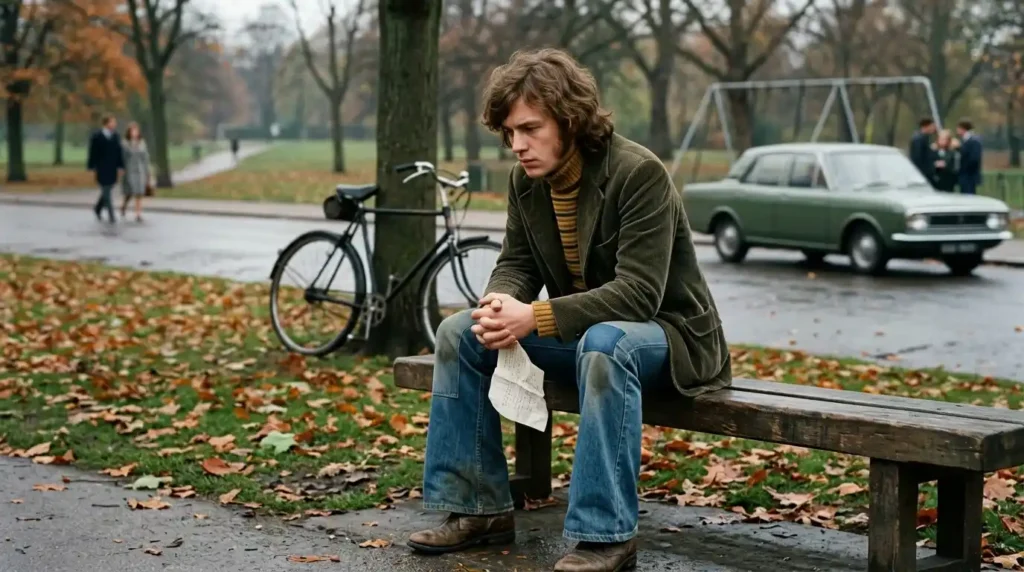
In frozen December, behind a window sealed by snow, I look down upon the town alone.
Rather than be wounded again, I will raise high walls around my heart and banish love and friendship.
With books and poetry as my armor, I retreat into a room where no one can touch me—and where I need touch no one.
I am a rock that feels no pain; I am an island that never cries.
🎥As always, let us begin with the official YouTube videos.
Shared Credits
Title: I Am a Rock
Artist: Simon & Garfunkel
Written by: Paul Simon
Vocals: Paul Simon and Art Garfunkel
Label: Columbia
1. Studio Version: “I Am a Rock”
Album: Sounds of Silence
Album released: January 17, 1966
Producer: Bob Johnston
Uploaded by: Simon & Garfunkel Official Artist Channel
Video type: Official studio recording
Two-Line Commentary
Behind the lively guitar and vivid harmonies, the protagonist refuses to risk being wounded again by love or friendship.
The more insistently he declares, “I am a rock, I am an island,” the more clearly his unresolved pain and isolation emerge.
2. 2003 Madison Square Garden Performance
Official title: I Am a Rock (Live at Madison Square Garden, New York, NY – December 2003)
Appears on: Old Friends: Live on Stage
Recorded: December 2003
Venue: Madison Square Garden, New York
Released: 2004
Uploaded by: Simon & Garfunkel Official Artist Channel
Video type: Official live recording
Two-Line Commentary
Reunited nearly forty years later, the duo revisit the young man’s story of rejection with voices marked by the passage of time.
The fuller band arrangement and mature harmonies transform his former defiance into a memory carried across a lifetime.
The Heart Hidden Behind the “Rock” and the “Island”
Are Proud Declarations of Solitude Really a Sign of Strength?
The protagonist of “I Am a Rock” does not openly lament his circumstances. He insists that he has no need for human relationships, regarding friendship as a source of pain and love as a cause of tears.
If he closes the door before anyone can hurt him, he can certainly prevent new wounds. Yet that door cannot exclude suffering alone; it also blocks every path through which joy and trust might enter.
Keep people at a distance, and they cannot betray you.
But while they remain outside, you can never share your heart with them.
What the Protagonist Truly Fears
To interpret this song as a celebration of the freedom or dignity of living alone is to misunderstand its protagonist. He does not seek liberating solitude; he seeks a condition in which he can never be hurt again.
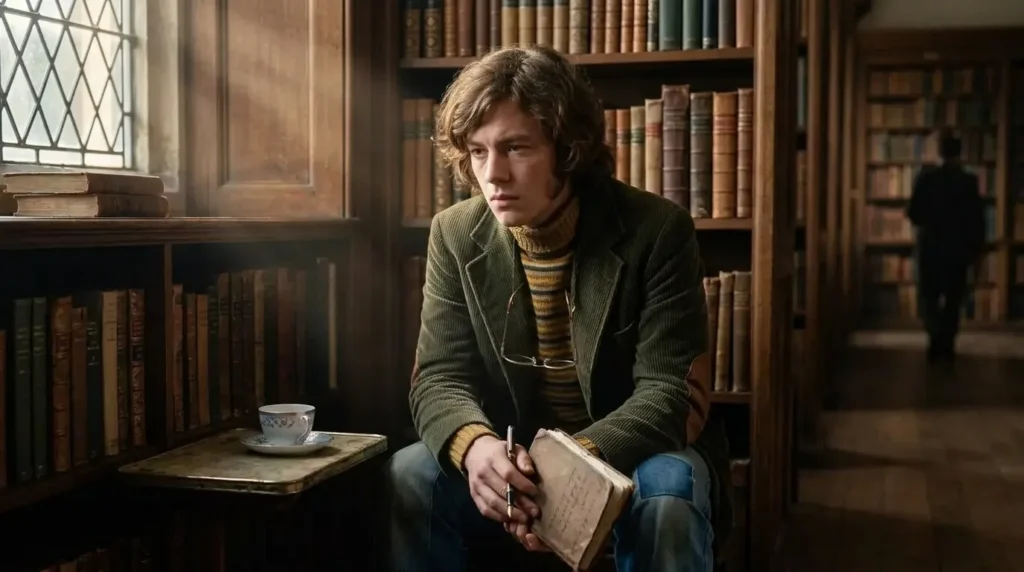
His rejection of friendship suggests that he once trusted someone. His rejection of love likewise bears the mark of emotions disturbed by separation.
A person who had never desired any connection would have no reason to deny it with such intensity.
Why He Repeats, “I Am a Rock”
His repeated declaration that he is a rock is directed not only at the world around him but also at himself. By repeating the same words, he tries to command his heart never to awaken again.
A person who genuinely feels nothing would have no need to keep proving that he cannot be hurt. The more forcefully the protagonist speaks, the more clearly we perceive the unease of a man who cannot truly become a rock.
A Safe Room Surrounded by Books and Poetry
Turning the World of Words into Armor
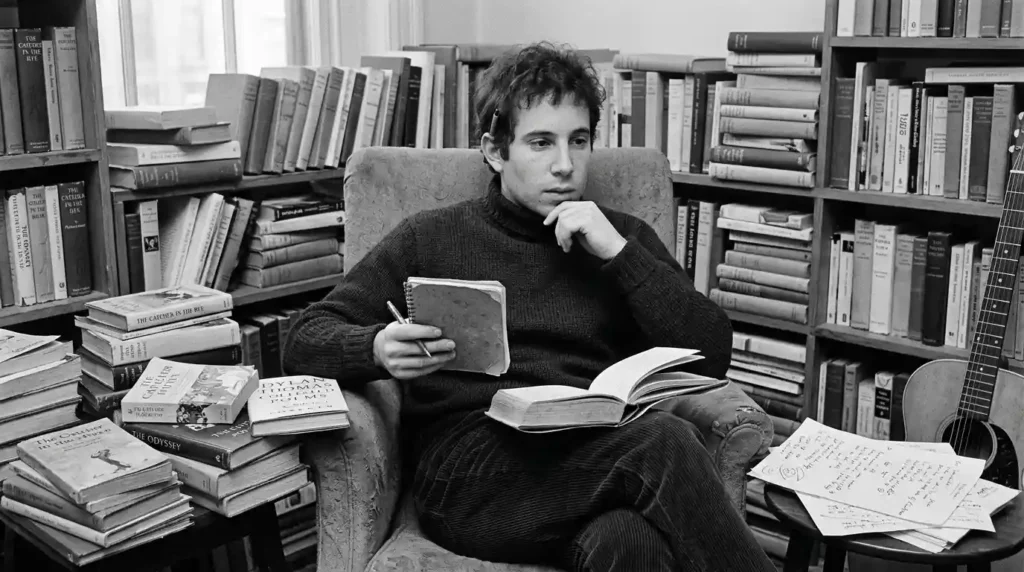
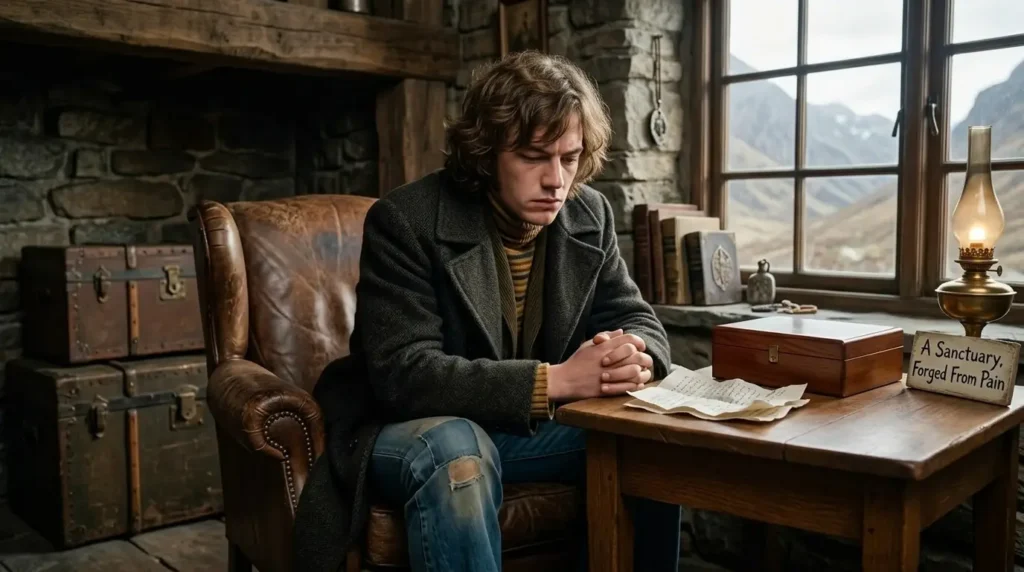
The protagonist names books and poetry as the things that protect him. His choice of a world made from words rather than weapons or possessions also evokes an image of the young Paul Simon himself.
Books and poetry can express emotions that ordinary life leaves unspoken, helping us understand both human suffering and human joy. In this song, however, they do not provide a doorway toward other people. They become armor that enables the protagonist to avoid contact with them.
What He Loses in Exchange for Safety
- By rejecting friendship, he avoids betrayal.
- By rejecting love, he avoids the tears of separation.
- By remaining inside his room, he prevents others from disturbing his heart.
At first glance, the logic appears sound. Yet he also loses every moment in which trust might arise and every opportunity to share happiness with another person. The refuge he built to protect himself becomes the place that confines him.
A Bright Sound That Reveals a Dark State of Mind
An Arrangement Moving in the Opposite Direction from the Lyrics
Had the song been performed in a heavy and somber manner, the protagonist’s suffering would have been easier to recognize. Instead, Simon & Garfunkel’s version moves forward with dry guitar tones and a brisk tempo.
Art Garfunkel’s high register joins Paul Simon’s incisive lead vocal, allowing the melody to unfold with striking clarity. That beauty does not soften the sadness. Instead, it exposes the strain beneath the protagonist’s attempt to appear untouched.
The Growing Urgency of the Final Passage
As the song approaches its conclusion—that a rock feels no pain and an island never cries—both the music and the voices gather greater force. The protagonist raises his voice as though he must prove the truth of his own claim.
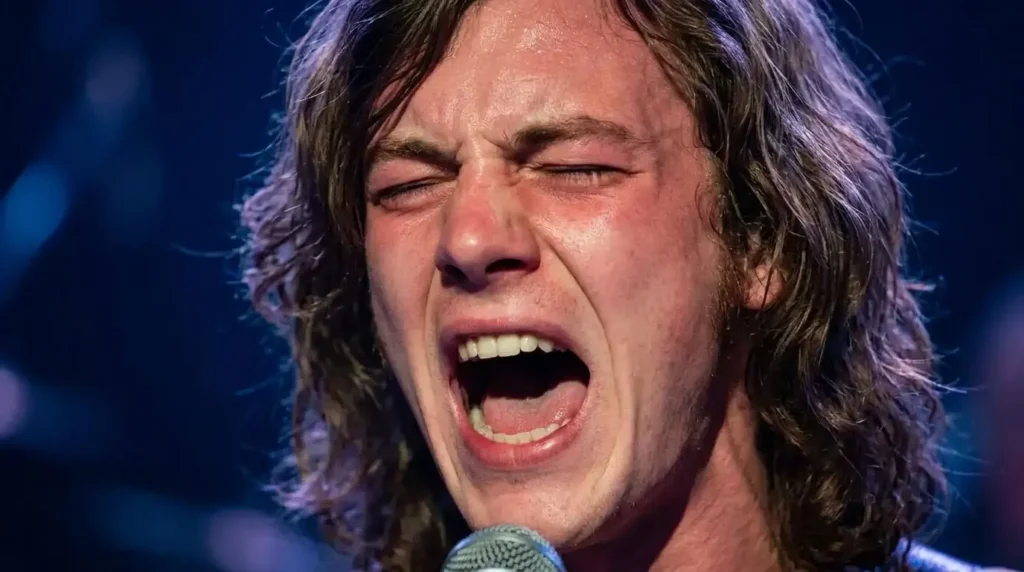
Yet the stronger his voice becomes, the more it sounds like a desperate attempt to hold back tears. The melody rushes onward, but his heart remains motionless inside its sealed room.
From a Solitary Performance to a Signature Song for Two Voices
The Original Form Preserved in the 1965 Solo Version
“I Am a Rock” was not originally released as a Simon & Garfunkel recording. Paul Simon wrote it during the period when he was working in Britain, and it appeared as the opening track on his solo album The Paul Simon Songbook, released on June 23, 1965.
The solo version centers on Simon’s voice and acoustic guitar, allowing the protagonist’s closed state of mind to emerge directly. Rather than a declaration addressed to a crowd, it resembles a private monologue spoken to himself inside a small room.
The New Meaning Created by Two Voices
The following year, the Simon & Garfunkel version added a propulsive band arrangement and the duo’s two-part harmony. A private monologue was transformed into vivid folk rock capable of reaching a much wider audience.
The Irony of Two People Singing a Rejection of Human Connection
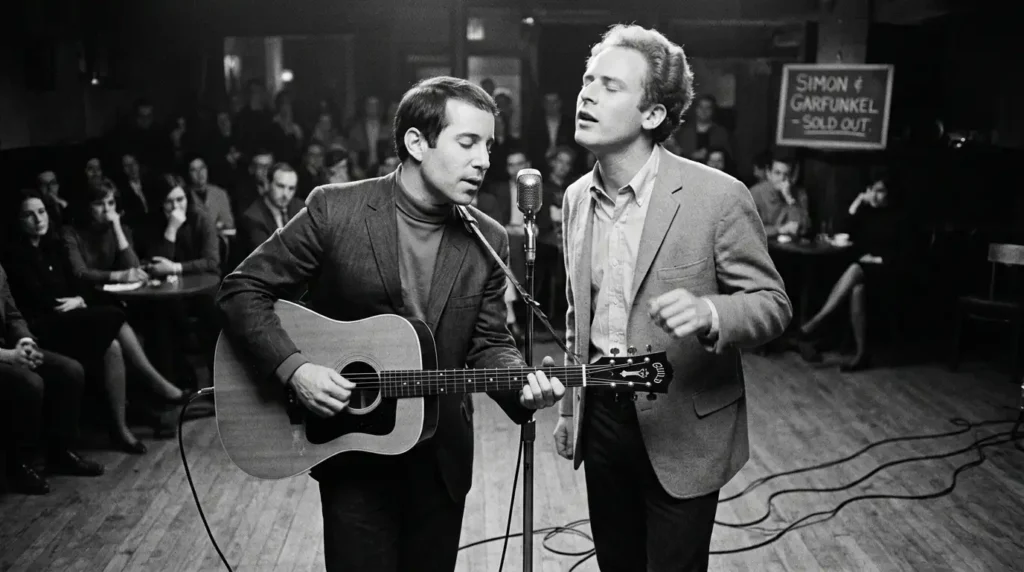
A song that insists no one is needed is performed by two singers whose closely interwoven harmony defines their sound. That structure creates an irony that cannot be found by reading the lyrics alone.
The protagonist denies the value of human connection, yet the music reaching our ears becomes complete only when two distinct voices unite. The performance itself demonstrates the value of the very bond that the words reject.
How the Words Changed in the 2003 Performance
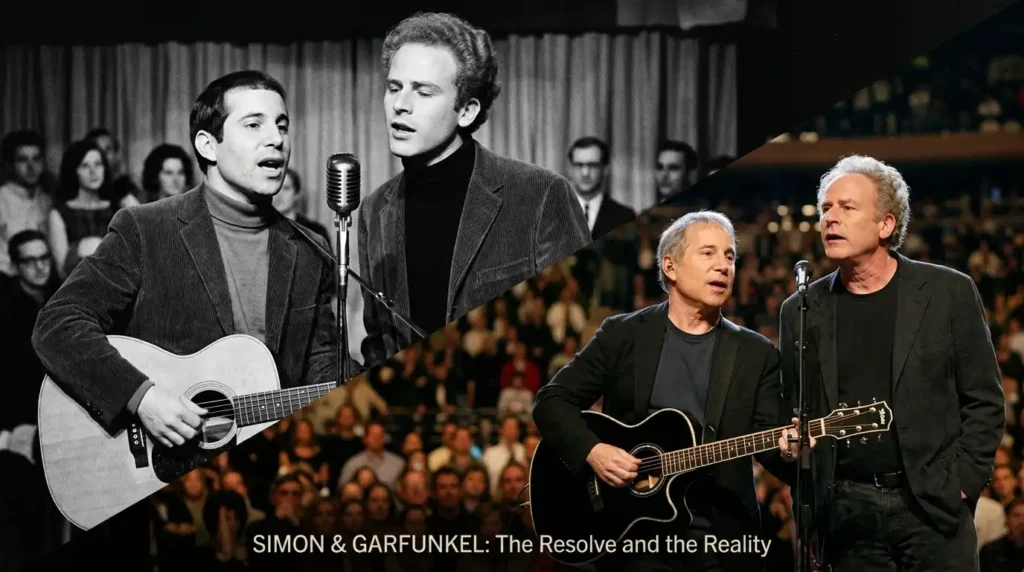
The 2003 performance at Madison Square Garden carries a sense of time entirely different from that of the 1966 studio recording. The sharp resistance heard in their younger voices has receded, and each phrase now resembles testimony about a distant past.
The song is being performed by two men who followed separate paths before returning to the same stage. Nearly forty years later, a song that rejects human connection is once again carried by their joined voices. That fact adds a meaning absent from the studio version.
As young men, they sang of a youth determined to become a rock and an island. In their later performance, we hear the reality that no human being can become entirely either one.
What I Felt When I Chose This Song
The Fear Engraved upon a Mask of Strength
When people are deeply wounded, they sometimes decide that they will never trust anyone again. The statement may sound like a powerful resolution, but what it truly expresses is often fear rather than anger.
The song neither consoles its protagonist nor justifies his decision. It allows his defiant voice to stand as it is, leaving the listener to discover the fragility behind it.
He wants no one to touch him, yet he also wants someone to hear his declaration that he is an island. That contradiction reveals the true nature of human isolation.
Final Thoughts
“I Am a Rock” is not a celebration of the strength required to live alone. It is the story of a young man who, terrified of being hurt again, tries to transform himself into a being without emotion.
Cutting off contact with others can prevent new pain, but human beings cannot erase only the emotions they find inconvenient. His rejection of love and dismissal of friendship still preserve the memory of a time when he needed someone.
To me, the final claim that an island never cries does not sound like the voice of a victor. It sounds like the desperate vow of a young man determined never again to acknowledge the tears he once shed.
When the lively performance ends, it leaves behind more than exhilaration. “I Am a Rock” still vividly reveals the fear hidden beneath words that attempt to imitate strength.

音楽ファン同士の交流・リクエストはこちら / Connect & Request Songs Here