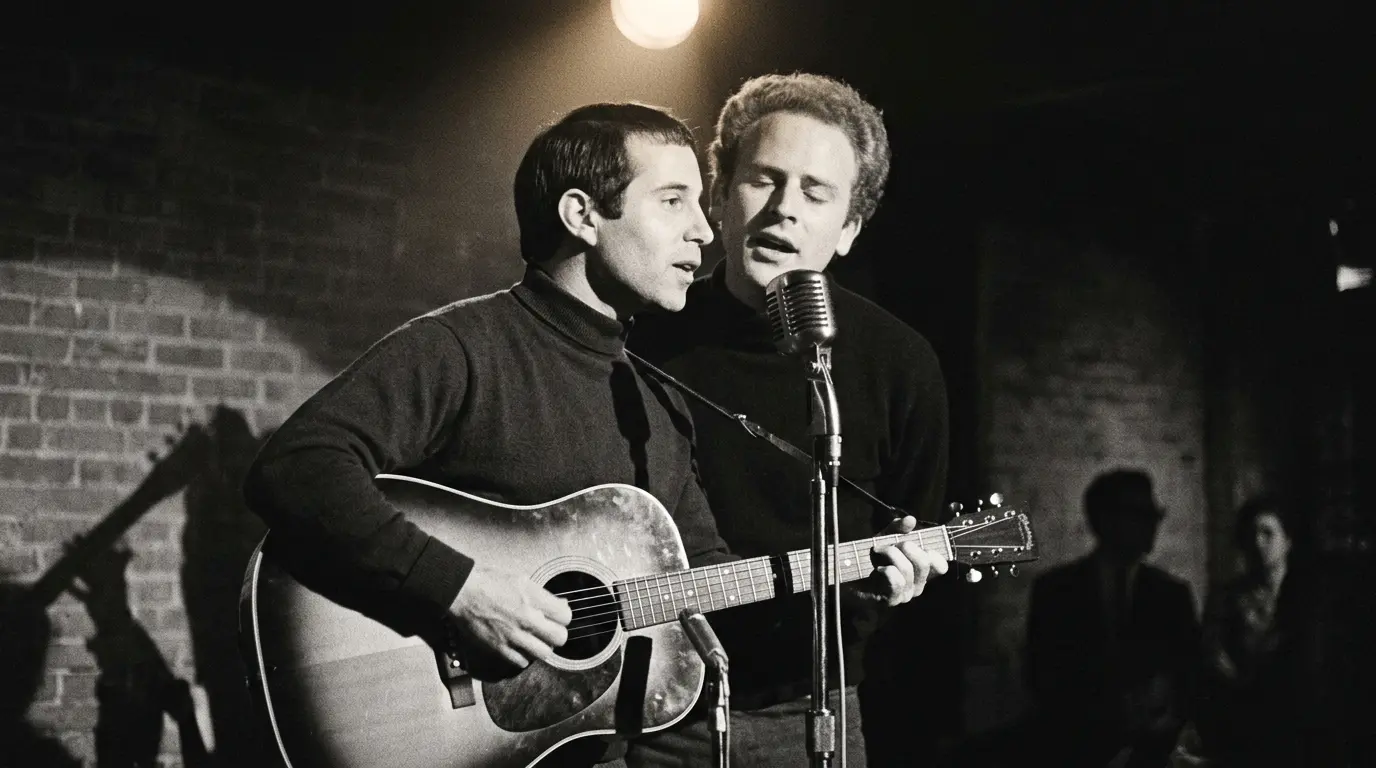
Simon & Garfunkel’s history is available here!
- 🎧 Enjoy This Article in Audio
- No. 7 is “A Hazy Shade of Winter.”
- 🎥 As always, let us begin with the official YouTube videos.
- The Urgent Emotions Behind the Gentle Japanese Title
- The Collision of Beautiful Harmonies and a Rough-Edged Sound
- Imagining Spring Does Not Easily Change Reality
- The Difference Between the Studio Recording and the 1967 Live Version
- Illuminating the Themes of Bookends from Another Angle
- In Closing—Facing the Present at Winter’s Threshold
🎧 Enjoy This Article in Audio
Listen to a concise narration covering the key points of this article.
Recommended for listeners who want to understand the mood of “A Hazy Shade of Winter” and the overall direction of the article before reading.
🎵 English Narration
An English narration introducing the content of this article.
🎶 Japanese Narration
A Japanese narration introducing the content of this article.
Listening first will make it easier to grasp the atmosphere of “A Hazy Shade of Winter” and the main points of the article.
No. 7 is “A Hazy Shade of Winter.”
Released as a single in the autumn of 1966, the song was later included on the album Bookends, released on April 3, 1968. It entered the U.S. pop chart in November 1966 and peaked at No. 13.
Simon & Garfunkel are often associated with beautifully precise vocal harmonies. On this recording, however, a sharply repeating guitar figure and a forceful rhythm section take center stage. The tension between their delicate voices and the song’s strongly rock-oriented arrangement makes it stand apart within their catalog.
The Japanese title, “Fuyu no Sanpomichi,” literally means “A Winter Walk.” It suggests two people strolling through a quiet town, their breath turning white in the cold air. Yet the song is not centered on a peaceful winter scene. It portrays a young man’s unease as time continues to pass while he searches for his possibilities, leaving an ever-widening distance between the future he imagined and the life he now sees.
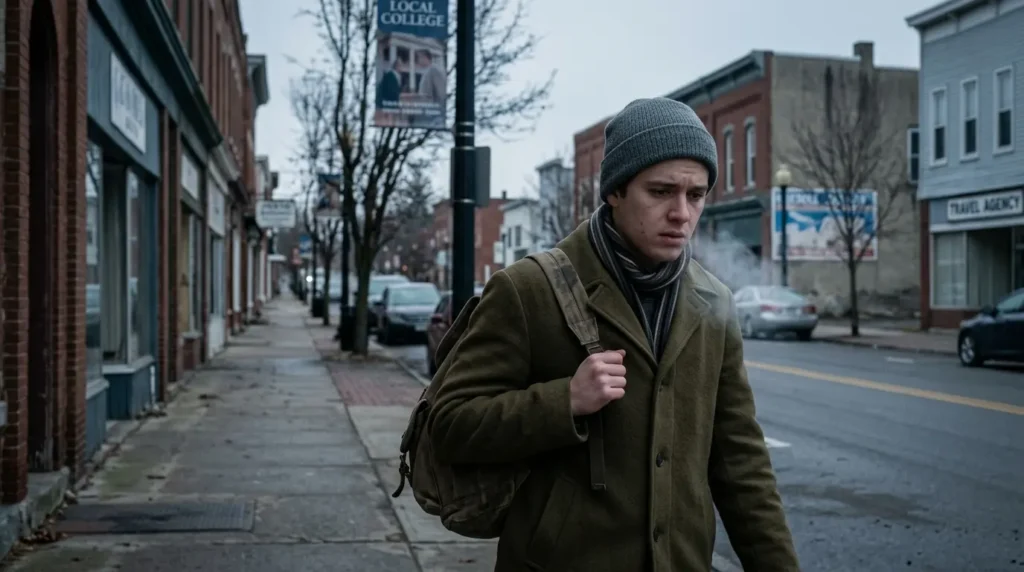
From its opening moments, the performance moves restlessly forward and gives the listener no opportunity to stop and contemplate the scenery.
Rather than simply evoking winter, “A Hazy Shade of Winter” captures the moment when the seasons of life begin to overtake the person living through them.
A Poetic Interpretation
As though the seasons have left me behind, my own time fades into the colors of winter.
Even after losing my dreams, I tell myself that I can build them once again.
Yet beyond my unfinished words and fading memories, my youth quietly recedes.
I look around at brown leaves and scattered snow—and realize that my life has already reached winter’s threshold.
🎥 As always, let us begin with the official YouTube videos.
Common Credits
Song: A Hazy Shade of Winter
Artist: Simon & Garfunkel
Written by: Paul Simon
Label: Columbia Records / Columbia/Legacy
Official channel: Simon & Garfunkel
Song Overview
Released as a single in 1966, the song was later included on the album Bookends.
Written by Paul Simon, it connects uncertainty about passing time with the changing seasons.
① “Simon & Garfunkel - A Hazy Shade of Winter (Audio)”
Recording: Original 1966 studio recording
Copyright: © 1966 Sony Music Entertainment
Video format: Official audio
Two-Line Commentary
The sharply repeating guitar and forceful rhythm vividly convey anxiety about the relentless passage of time.
This tense studio recording brings Simon & Garfunkel’s precise harmonies into collision with a powerful rock arrangement.
② “A Hazy Shade of Winter (Live at Lincoln Center, New York City, NY – January 1967)”
Recorded: January 22, 1967
Venue: Philharmonic Hall, Lincoln Center, New York City
Album: Live from New York City, 1967
Paul Simon: Acoustic guitar and vocals
Art Garfunkel: Vocals
Album release: 2002
Provided by: Columbia/Legacy
Two-Line Commentary
Centered on acoustic guitar and the duo’s voices, this live performance brings the song’s urgent emotions to the surface.
The spare arrangement makes the beauty of the melody and the anxiety embedded in the song feel even more immediate.
The Urgent Emotions Behind the Gentle Japanese Title
The Japanese title “Fuyu no Sanpomichi,” meaning “A Winter Walk,” has an emotional and approachable quality. The original title, however, refers to a vague, blurred shade of winter.
The song does not present a pristine, snow-covered landscape. Instead, it depicts brown leaves still clinging to the season and small patches of snow appearing on the ground—a scene poised near the border between autumn and winter.

This landscape, suspended between two seasons, reflects the narrator’s unsettled state of mind.
He believes that he should still be living in the springtime of his life, yet signs of approaching cold already surround him. The realization that the years have moved forward before he has been able to define either success or failure drives the song’s emotional current.
The Repeated Invocation of “Time”
The repetition of “time” at the beginning of the song is not an expression of nostalgia. The narrator addresses time itself and asks what has become of him. He had been looking around for his possibilities, only to discover that he now stands far from the future he once envisioned.
The lyrics do not portray him as a simple failure. He also acknowledges that he was difficult to please. Perhaps he wanted too much, or perhaps he postponed making a decision. By leaving the reason unresolved, the song transforms his predicament into a form of hesitation that could affect anyone.
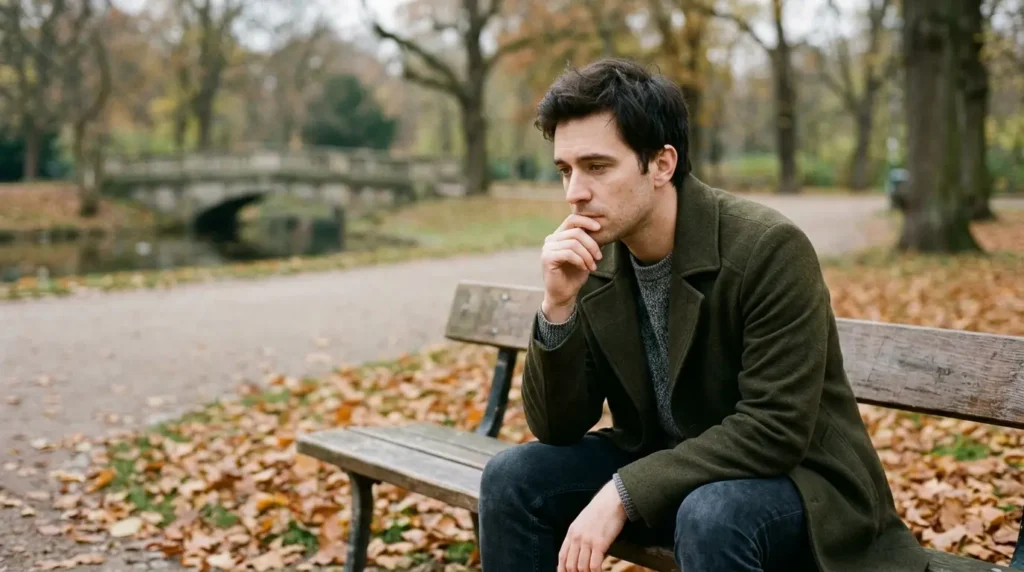
The winter of life does not arrive through age alone.
Its first chill can also appear when we lose faith in our own possibilities.
The Collision of Beautiful Harmonies and a Rough-Edged Sound
In this song, the speed and tension of the instrumental performance reach the listener before the beauty of the two voices does. The refined harmonies remain at its center, but an aggressive rhythm surrounds them, overturning the familiar image of Simon & Garfunkel.
A Repeating Guitar Figure That Allows No Escape
The song is propelled by a guitar figure that persistently repeats a short musical pattern. Rather than decorating the melody, it sounds like footsteps being forced forward while remaining trapped on the same ground.
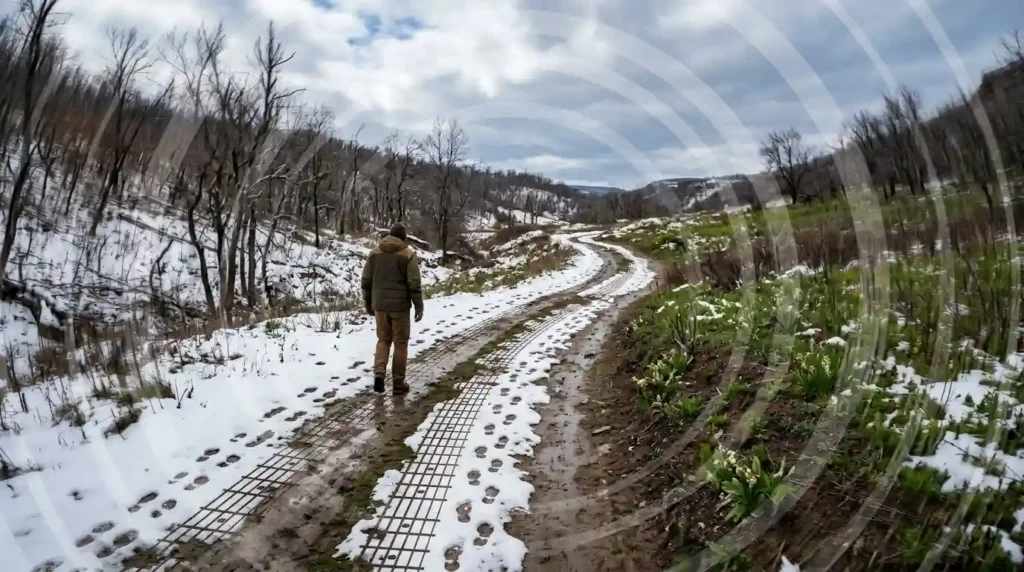
The drums and bass then enter, and the performance barely reduces its speed.
Although the lyrics describe a quiet landscape, the music contains no place to stand still. The feeling of being unable to keep pace with the changing season is embedded not only in the words, but also in the rhythm itself.
Two Voices Revealing Reason and Emotional Turmoil
Their voices blend with remarkable precision, yet the effect differs from the stillness of “The Sound of Silence” or “Scarborough Fair.” The harmonies do not calm the instrumental force. They join it, driving the words relentlessly forward.
Paul Simon’s voice suggests an effort to analyze his own condition. When Art Garfunkel’s higher register enters, the uncertainty held beneath the surface becomes audible. Their combined voices allow self-observation and emotional instability to be heard at the same time.
Imagining Spring Does Not Easily Change Reality
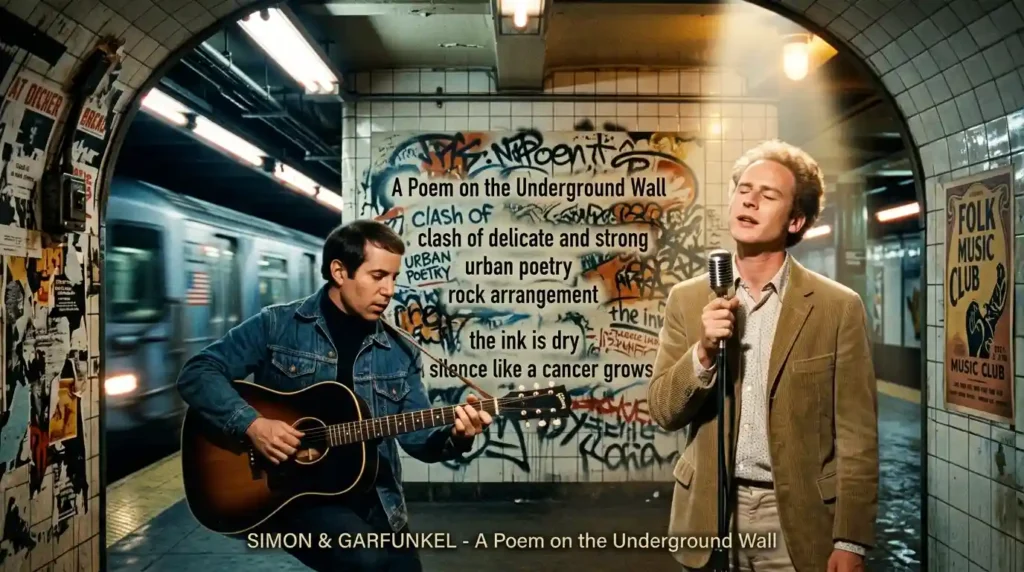
In the middle of the song, the narrator hears the encouragement to rebuild his hopes after losing them. The grass grows high, the fields become ripe, and the scene appears to announce the springtime of his life. At first, the passage may sound like a recovery from the song’s darker opening.
Yet these words carry more longing than certainty. The song urges him to hold on to hope while admitting that such advice is easy to give. The brighter the imagined landscape becomes, the more clearly it reveals the distance between aspiration and reality.
Unpublished Manuscripts and Unrealized Possibilities
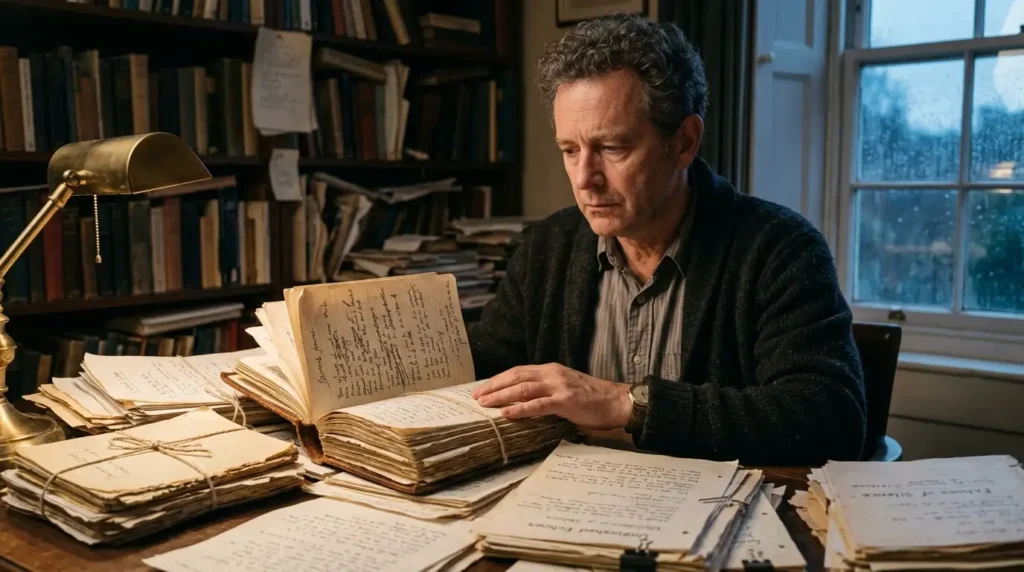
Later, the narrator looks over manuscripts containing verses that have never been published. He appears to have continued writing, yet the collection of words that never reached completion or publication may also symbolize possibilities that have not become real.
I find the song’s most painful truth in this passage.
This is not the regret of someone who never attempted anything. It is the bitterness of a person who wrote, reflected, and imagined a future, yet could not bring those efforts fully into form. Because traces of his work remain, the weight of the lost years becomes even more powerful.
The Difference Between the Studio Recording and the 1967 Live Version
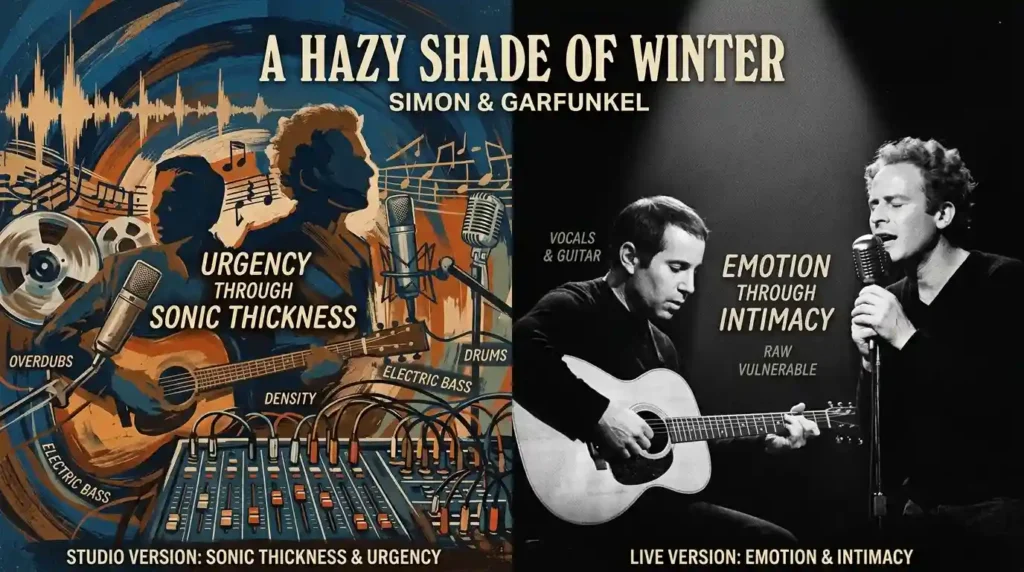
In the studio recording, the electric guitar and forceful rhythm create a sound like a harsh wind blowing across the landscape. By contrast, the live version recorded at Lincoln Center in New York in January 1967 centers on acoustic guitar and the duo’s voices.
With the arrangement reduced to its essentials, the melody and the sharpness of the words emerge from behind the studio version’s momentum. Paul Simon’s guitar maintains a steady pulse, while the two singers carry each short phrase forward without excessive vocal dramatization.
Hearing the two performances together shows that the song does not depend solely on its elaborate studio arrangement. The studio version creates urgency through its density of sound, while the live performance communicates the narrator’s state of mind through the closeness of the voices and guitar. Together, they reveal two distinct contours of the same composition.
Illuminating the Themes of Bookends from Another Angle
“A Hazy Shade of Winter” was first released as a single and was included approximately a year and a half later as the eleventh track on Bookends. The album addresses youth, old age, loss, memory, and the American Dream, arranging different stages and conditions of life like the sections of a single book.
The first half of the album contains songs that confront aging and memory directly. This song, however, portrays the first signs of seasonal change appearing within a person who is still young. Rather than depicting physical old age, it expresses the irreversibility of time through the moment when confidence in the future begins to falter.
This is also why I placed the song at No. 7. It combines the beautiful melody, intricate harmonies, and literary writing associated with Simon & Garfunkel with an unusually rough and propulsive musical force. It clearly demonstrates that their music cannot be confined to a single style.
In Closing—Facing the Present at Winter’s Threshold
The narrator of “A Hazy Shade of Winter” is dissatisfied with the path he has taken. His dreams have not yet acquired a definite form, and his memories sometimes seem to fail him. Even so, he has not completely abandoned the possibility of rebuilding what has been lost.
The song remains compelling because it does not turn failure into a comforting tale, nor does it promise an easy new beginning. It does not declare that the narrator has recovered or that everything is over. Instead, it preserves the human condition of wavering between expectation and resignation.

Looking around, he sees brown leaves and a small patch of snow on the ground.
The scene is not the final destination of his life. It is a signpost revealing where he currently stands. “A Hazy Shade of Winter” announces the passing of youth while asking how he will choose to live through the years that remain.

音楽ファン同士の交流・リクエストはこちら / Connect & Request Songs Here