
The history of Kobukuro is…Click here!
- 🎧 Listen to This Article
- No. 9: “Yuki no Furanai Machi” (The Town Where Snow Never Falls)
- First, Listen on YouTube
- The Seasons Move On, but the Heart Remains in Winter
- The Objects Left in the Room Speak of Absence
- An Undeliverable Letter and the Wish to See You
- A Winter Landscape Created by Two Voices
- Why I Ranked It No. 9
- In Closing
🎧 Listen to This Article
You can quickly review the main points of this article through narration.
This audio is recommended for readers who want to understand the atmosphere of “Yuki no Furanai Machi” and the overall structure of the article before reading.
🎵 English Narration
This audio introduces the article in English.
🎶 Japanese Narration
This audio introduces the article in Japanese.
Listening first will help you understand the world of “Yuki no Furanai Machi” and the main points of the article more easily.
No. 9: “Yuki no Furanai Machi” (The Town Where Snow Never Falls)
No. 9 in My Personal Top 10 Kobukuro Songs is “Yuki no Furanai Machi” (The Town Where Snow Never Falls).
“Yuki no Furanai Machi” was released on November 13, 2002, as Kobukuro’s sixth single. Its B-side was “The Big Man’s Blues,” written and composed by Shunsuke Kuroda.
The song was later included on Kobukuro’s third original album, STRAIGHT, released on November 6, 2003. It was written and composed by Kentaro Kobuchi and arranged by Masanori Sasaji.
At the heart of this song is a memory that refuses to disappear from everyday life, even after someone precious is no longer there. The reason for the separation is never explained in detail. Instead, the change in their relationship is revealed through objects left in the room, the passing seasons, and a letter that can never be delivered.
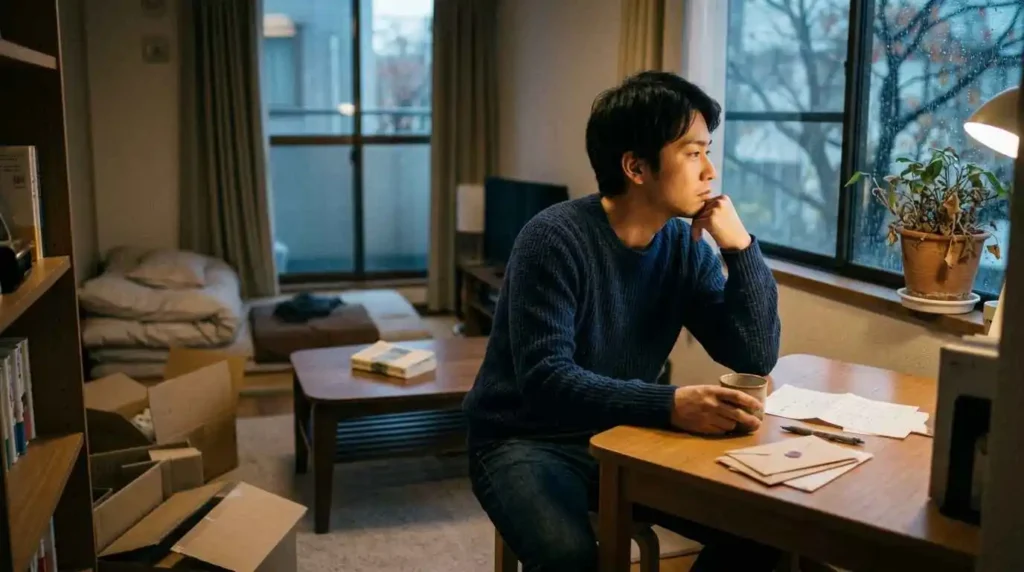
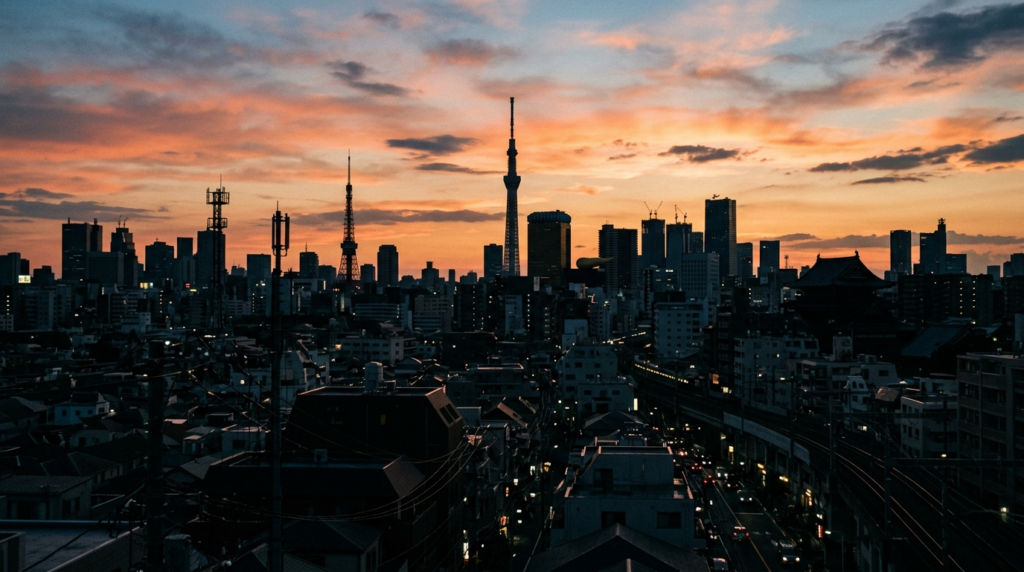
Snow rarely falls in the town named in the title. Even so, the white winter the two once looked up at together remains vivid in the narrator’s heart.
Even when the snow has vanished from the actual town, the scene engraved in the heart does not disappear. “Yuki no Furanai Machi” portrays the gap between a reality that keeps moving forward and feelings that remain trapped in one particular day, using restrained words and the voices of Kobukuro’s two members.
Free Interpretation
The winter I spent with you is still falling quietly inside my heart.
The life we began together is over, and only traces of you remain in the empty room.
I keep putting away letters that will never reach you, yet I still cannot forget you.
If I could see you once more, I would run through any cold night to reach you.
💡 You might also like: View the original Japanese lyrics (External site)
If the lyrics are available only in Japanese, you can use your browser’s translation feature or an AI translation tool to understand their general meaning.
First, Listen on YouTube
Common Credits
Kobukuro — “Yuki no Furanai Machi”
Lyrics and music: Kentaro Kobuchi
Performed by: Kobukuro
Released on November 13, 2002, as Kobukuro’s sixth single.
Official Music Video
Video: Kobukuro — “Yuki no Furanai Machi” Music Video
Published by: Kobukuro Official Channel

This official music video depicts the memories of two people left behind in a winter town through a wistful melody and richly evocative imagery.
Shunsuke Kuroda’s deep, powerful lead vocal and Kentaro Kobuchi’s delicate harmony quietly convey the pain of a love that has been lost.
Official Live Recording
Audio: Kobukuro — “Yuki no Furanai Machi” (Live)
Performed by: Kobukuro
Provided by: Warner Music Japan

This live version makes the song’s emotional rise and fall more immediate than the studio recording and fully showcases Kobukuro’s vocal ability.
Shunsuke Kuroda’s soaring lead and Kentaro Kobuchi’s warm harmony deepen the song’s sadness while preserving the atmosphere of the venue.
The Seasons Move On, but the Heart Remains in Winter
A White Winter in a Town Where Snow Never Falls
The title “Yuki no Furanai Machi” contains a small contradiction from the outset: a white winter arrives in a place where snow is not supposed to fall, and the two of them look up at it together.
The snow is more than a description of the weather. It symbolizes the time shared by two people who stood in the same place, looked up at the same sky, and experienced the same moment.
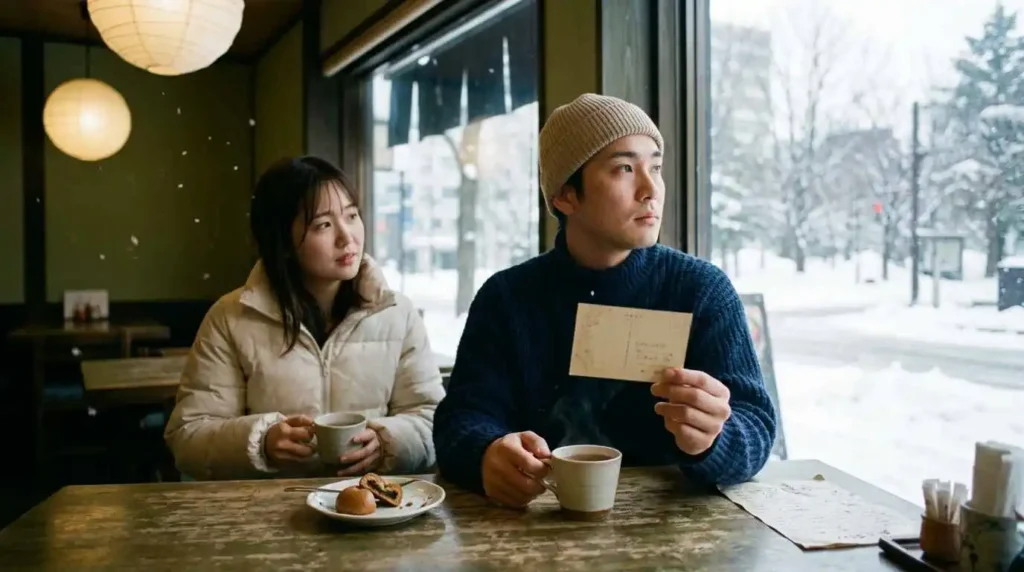
That is precisely why the absence of snow in the present-day town makes the narrator’s loneliness even more pronounced. The same season may return, but the same scene from that day never will.
Because the white landscape appeared in a town where snow was rare, that day may have become an especially powerful memory. The fact that it was no ordinary winter makes their time together seem both more distant and more beautiful.
What Remains Through March, Summer, and Autumn
In the song, the wind of March follows winter, summer takes on color, and autumn passes. The seasons proceed in their appointed order without waiting for the narrator’s feelings to catch up.
The scene inside the narrator’s heart, however, does not change. Each shift in the air and light outside the window only widens the distance from the winter they spent together.
People often say that sorrow fades with time. Yet the passing years do not necessarily erase memory.
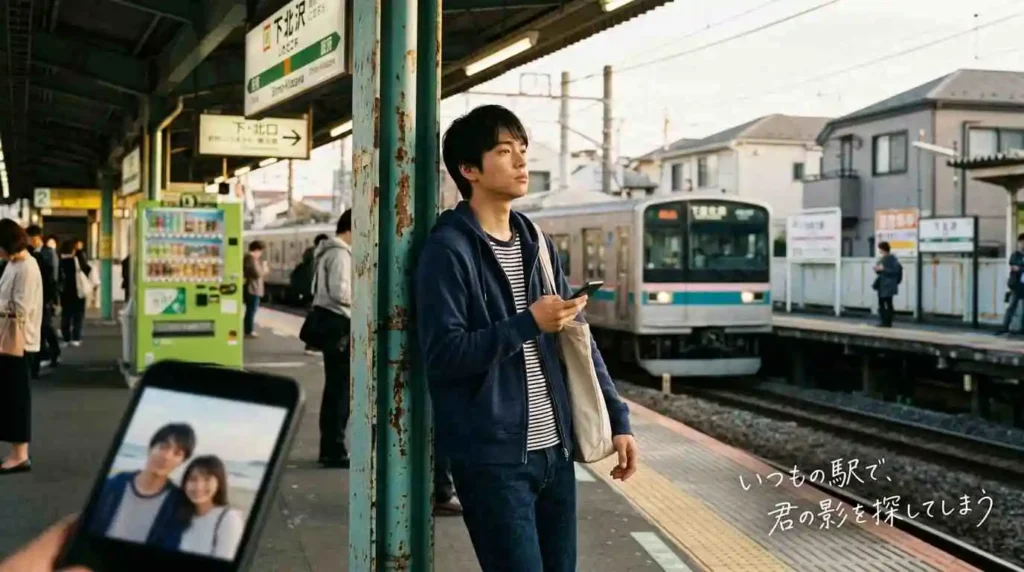
Sometimes, the longer two people remain apart, the clearer the surviving moments become. The person remembered by the narrator remains unchanged, wearing the same expression captured in the photograph.
The Objects Left in the Room Speak of Absence
The Room That Feels Larger
The song never reveals why the two can no longer meet. Instead of explaining what happened, Kentaro Kobuchi depicts the changes that have appeared within their everyday life.
The room they once shared is gradually cleared, and it begins to feel larger than before. That increased sense of space tells us that one person’s presence has disappeared from it.

The room itself has not changed in size. What has changed is the number of belongings inside it and the number of people who once lived there.
A room after someone has gone does more than look empty. Its emptiness makes the former presence of that person visible.
Traces Left in a Photograph and a Coat
In the photograph, the other person is still smiling. Yet that smile is not directed toward the narrator as they are now. It belongs to a time when the two still shared the same life.
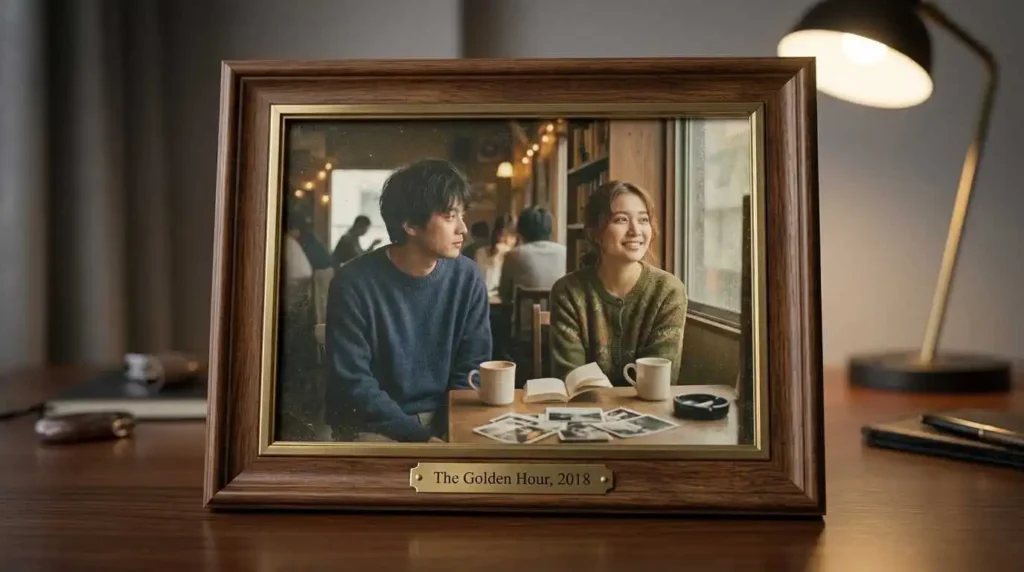
The coat left hanging on the wall also recalls its owner. Clothing meant to wrap around a living body now hangs motionless and unworn, making the absence of the person who should be there unmistakable.
The photograph preserves an expression, while the coat evokes body warmth. Each object in the room forces the narrator to face feelings that were never put into words.
One reason “Yuki no Furanai Machi” lingers in the heart is that it does not explain sorrow in grand language. Familiar household objects carry the weight of the relationship that has been lost.

An Undeliverable Letter and the Wish to See You
A Letter Written and Put Away
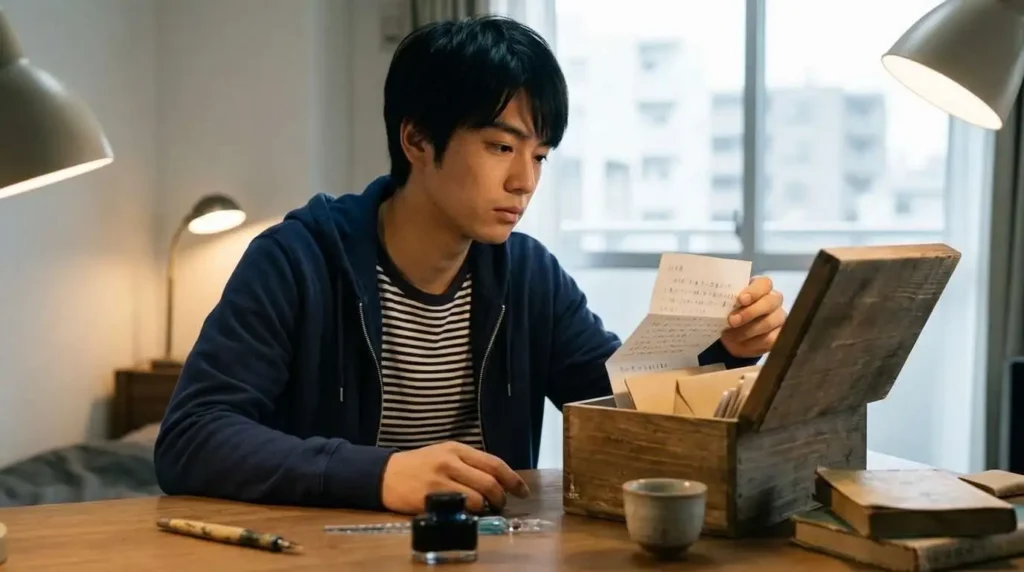
The narrator writes a letter to the absent person. But the letter is never sent and is placed deep inside a desk.
It is not that there is nothing to say. Perhaps there is so much to express that every attempt eventually returns to the same words.
Even knowing that the letter will never arrive, the narrator cannot stop writing. It becomes less a conversation with the other person than a way of confirming the feelings that remain within.
Writing gives the feelings a visible form, while putting the letter away is an attempt to return to reality. Yet the same emotions rise again the next day. That repetition shows that the narrator’s inner time has not fully begun to move forward.
Words That Remain a Wish Rather Than an Action
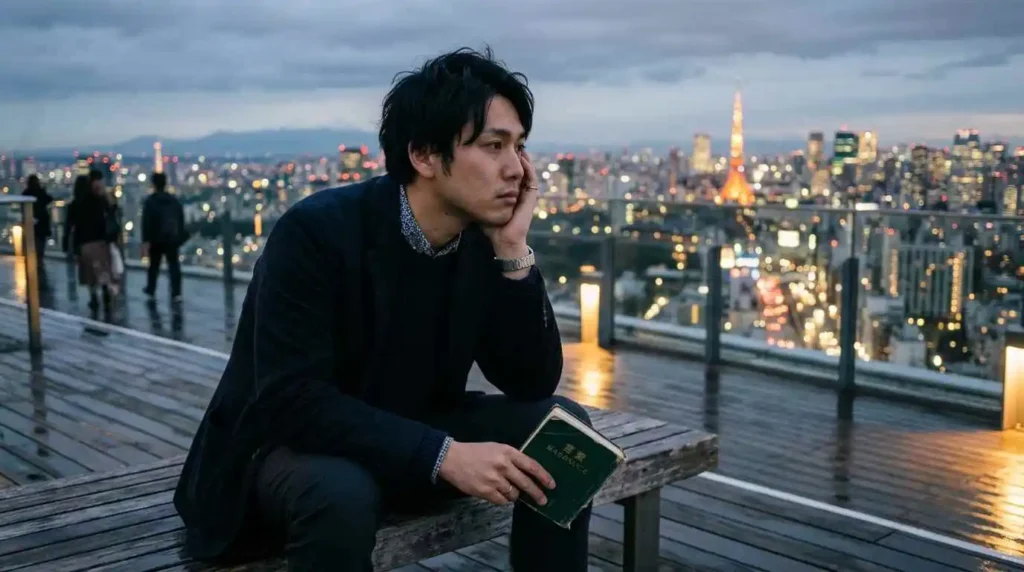
Near the end of the song, the narrator’s emotions move openly for the first time. The narrator wishes to run beneath the winter sky and see that person immediately, if only it were possible.
What the song gives us is not the fact that the narrator actually went to see the person, but the wish to do so.
Between desire and action lies a distance that cannot easily be crossed. The song never tells us whether that distance is physical, temporal, or rooted in the relationship itself.
Because the reason remains unstated, listeners can place their own experiences inside the song. For anyone who has longed to see someone they cannot meet, or carried words they cannot deliver, the ending becomes more than a fictional story.
A Winter Landscape Created by Two Voices
Shunsuke Kuroda’s Lead Vocal
In the first half of “Yuki no Furanai Machi,” Shunsuke Kuroda does not display the emotion too openly. Even in his lower register, he preserves the shape of every word and calmly portrays the narrator tracing memories alone.
Kuroda’s voice retains its strength even when he sings quietly. As a result, the restrained delivery still carries the weight of emotions stored deep inside.
As the song approaches its final section, his voice gradually reaches farther outward. Its expansion conveys the moment when the feelings held inside the room become a wish to go and see the absent person.
Kentaro Kobuchi’s Harmony
Kentaro Kobuchi’s higher voice does more than add brightness to Shunsuke Kuroda’s lead. By resting above Kuroda’s full-bodied tone, it brings the urgency behind the words into sharper focus.
If Kuroda’s voice grounds the narrator in the present, Kobuchi’s harmony seems to represent distant memories and wishes.
Because two voices with different ranges and textures sing the same words, the present and the past, reality and desire, can resonate at the same time within a single song.

This combination is one of Kobukuro’s greatest strengths. The relationship is not merely one of a powerful lead and a beautiful chorus. The two voices perform different roles while giving a single person’s emotions depth and dimension.
The Gradual Rise Toward the Final Section
The first half of the song unfolds quietly, as though the narrator were looking around the room. The seasons then change, the letter appears, and at last the desire to see the absent person comes to the foreground.
Neither the accompaniment nor the vocals erupt emotionally from the beginning. Their power increases gradually as the story develops.
The final vocal passage therefore never feels abrupt. It sounds as though feelings carried for a long time have finally found words.
The music video allows us to follow the song’s world through images, while the live version directs attention toward the two singers. Hearing both versions reveals the narrative scenery and the force of their voices from different angles.
Why I Ranked It No. 9
“Yuki no Furanai Machi” contains many qualities associated with Kobukuro: the details of daily life drawn by Kentaro Kobuchi, Shunsuke Kuroda’s powerful lead vocal, and harmonies shaped by the contrast between their voices. Together, these three elements create a single winter story.
Even so, I placed the song at No. 9 because I did not want to determine the ranking solely by how widely known each song is.
This is not a song built around a grand theme. Within the confined world of one room, a few household objects, changing seasons, and an unsent letter, it portrays a heart that continues to think of someone who cannot be reached.
Rather than a song for collective excitement, it is one I want to hear alone at night or during the quiet hours of winter. Depending on the listener’s own experience, the photograph, the coat, and the letter can each take on a slightly different meaning, and that is part of the song’s depth.
Ranking it ninth does not mean I value it lightly. As a song that demonstrates Kobukuro’s ability to portray the human heart through small changes in everyday life, it is indispensable to my personal Top 10.
In Closing
In “Yuki no Furanai Machi,” the white winter remaining in the narrator’s heart does not disappear even as the seasons move on. A person may put the room in order, but cannot arrange the past just as neatly.
Being unable to forget someone precious is not necessarily a weakness. It may also mean that a time worth remembering truly existed.
The song does not describe a way back into the past. It portrays a heart that continues to think of someone even while knowing that the past cannot be recovered.
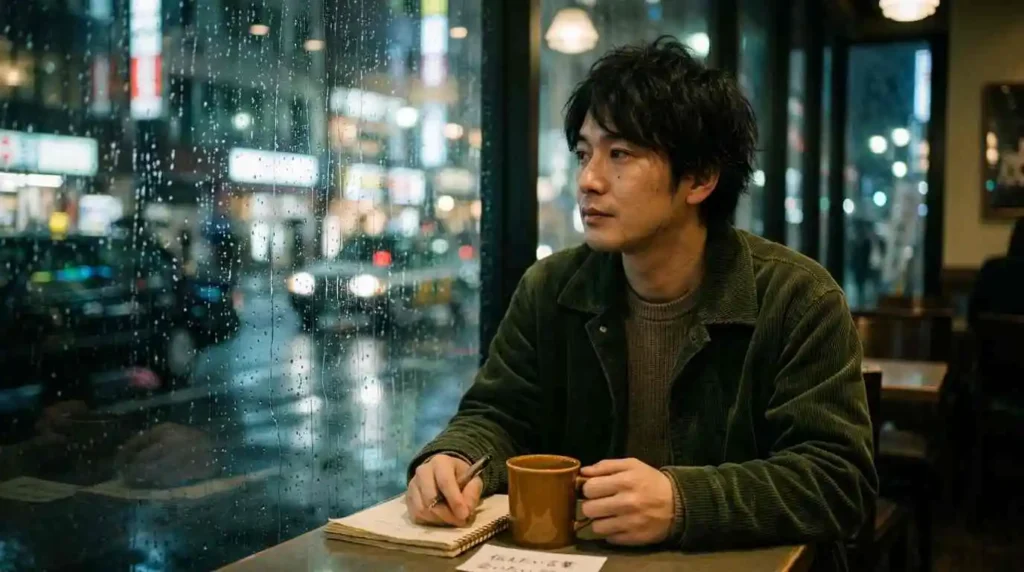
Even if snow never falls in the actual town, the winter the two once looked up at together remains within the narrator. That white landscape reflects both the beauty of the happiness they shared and the sadness of knowing they can never return to the same place.

音楽ファン同士の交流・リクエストはこちら / Connect & Request Songs Here