- 🎧 Enjoy this article in audio
- [February 27] is Johnny Van Zant’s Birthday
- Today’s Featured Song is… Free Bird.
- When I First Heard This Song
- The Birth and Historical Background of the Eternal Southern Rock Anthem “Free Bird”
- The Metaphor of “Freedom” and the “Unchanging Bird” Depicted in the Lyrics
- The Miracle of Melody Born from the Intense Contrast of Stillness and Motion
- The Tragic Plane Crash and Johnny Van Zant’s Decision
- The Special Meaning of “Free Bird” in Live Performances
🎧 Enjoy this article in audio
🎶 English Narration
Press the play button to listen to the contents of this article in English.
🎵 Japanese Narration
You can listen to the Japanese narration of this article.
* Listening to the audio before reading the text will give you a deeper understanding of the song’s background and highlights.
[February 27] is Johnny Van Zant’s Birthday
Johnny Van Zant is a musician born on February 27, 1959, in Jacksonville, Florida, USA. He is widely known as the current lead vocalist of the world-renowned Southern rock band Lynyrd Skynyrd.
Carrying on the legacy of his older brother, Ronnie Van Zant—the original vocalist and founding member of the band—Johnny took over as frontman starting with the 1987 tribute tour. Initially intended as a temporary role, he officially joined the band after earning enthusiastic support from fans and strong trust from the band members.
Despite battling the immense pressure of his legendary brother’s shadow, Johnny has continued to support the band’s foundation with his powerful and warm singing voice. Embodying the pride and soul of the Southern working class, his presence remains the most crucial driving force keeping Lynyrd Skynyrd at the pinnacle of American rock to this day.
Today’s Featured Song is… Free Bird.
Free Translation
If I leave here tomorrow
Would you still remember me?

I love you, but I'm a free bird
And this nature of mine, not even God can change

So I'll fly away
With love and regret in my heart
First, please take a look at the official YouTube videos.
■ Credits
Song: Free Bird
Artist: Lynyrd Skynyrd
Vocals: Johnny Van Zant
Video: Official Live Video
From: "Celebrating 50 Years – Live at the Ryman"
Publisher: Lynyrd Skynyrd Official YouTube Channel
■ 2-Line Commentary
A representative song symbolizing Southern rock, featuring a legendary, lengthy twin-guitar solo in the second half that is a live staple.
This is an official live performance released from the official work capturing their 50th-anniversary concert.
■ Credits
Song: Free Bird
Artist: Lynyrd Skynyrd
Vocals: Ronnie Van Zant (Original Vocalist)
Recorded at: "Live at the Fox Theater 1976"
Distributed by: Universal Music Group (Official Release)
■ 2-Line Commentary
A historic live recording by the golden-era lineup, capturing their 1976 performance at the Fox Theater.
A definitive performance during Ronnie Van Zant's tenure, this official version completely captures the legendary guitar solo.
When I First Heard This Song
| My Age | Elementary | Junior High | High School | University | 20s | 30s | 40s | 50s | 60s~ |
| Song Release Year | 1973 | ||||||||
| When I Heard It | ● |
I first heard this song long after its release. I don’t remember exactly, but I think I was around 40 years old.
I had always felt that my personal “music history” ended during my university days. After entering the working world, I simply listened to whatever music I liked, whenever I felt like it.
Therefore, regarding this song, “why I was drawn to it” is more important than “when I encountered it.” As I mentioned in the commentary, despite its quintessential Southern rock atmosphere, the song is long, melodious, and echoes like a scream from the soul—qualities that made me listen to it over and over again. In writing this commentary, I have come to realize the song’s profound charm even more deeply.
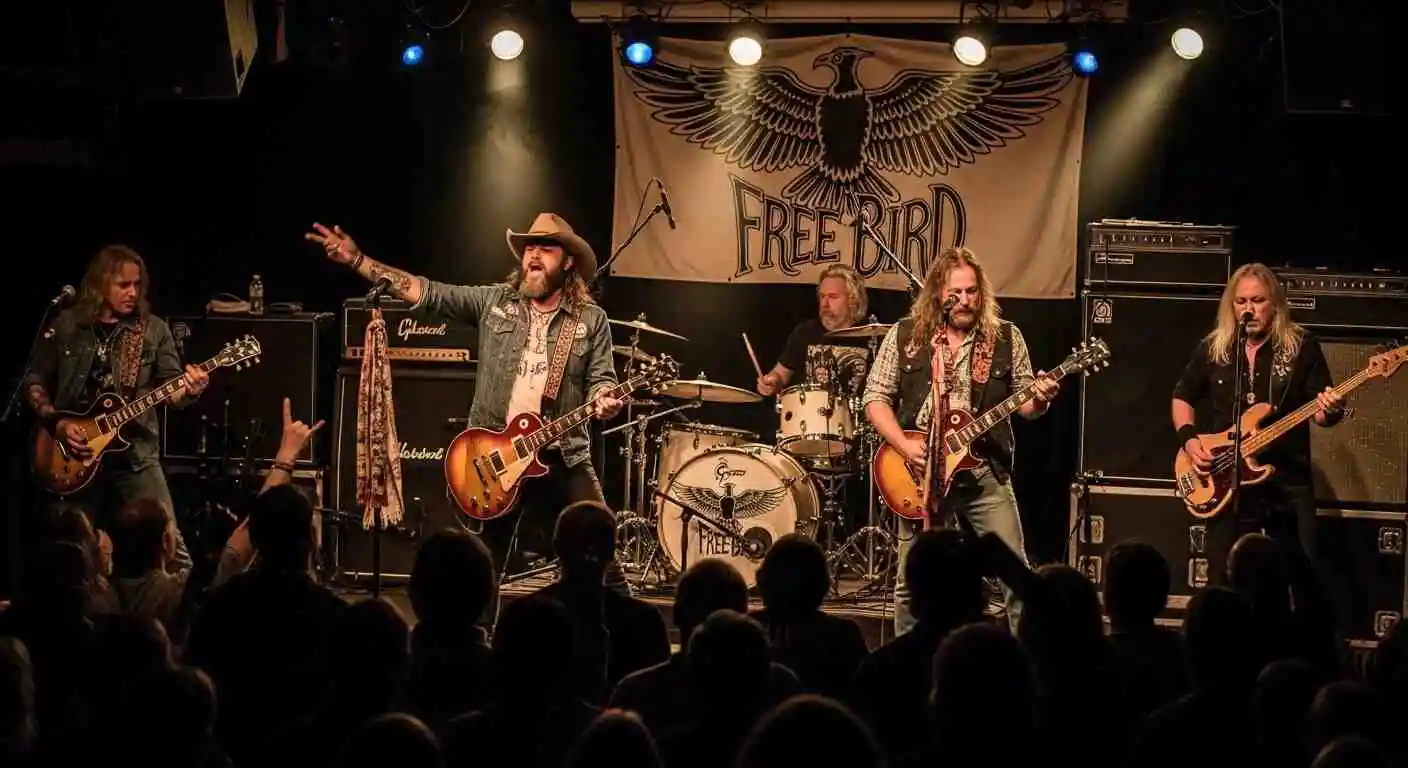
I knew the band name “Lynyrd Skynyrd,” but I had rarely listened to their music closely. It was a song that finally reached my ears decades after its release.
I’ve included two official videos in this article. The first features vocals by the younger brother, Johnny Van Zant, whose birthday is today. The second features the singing voice of the late older brother, Ronnie Van Zant (the original vocalist). If you listen without being told, they sound so similar it’s hard to tell the difference. Please compare them while reading the commentary. It is a masterpiece that slowly but surely pierces deep into your heart.
The Birth and Historical Background of the Eternal Southern Rock Anthem “Free Bird”
1970s the American South and Working-Class Pride
In the early 1970s, when this song was released to the world, America was enveloped in a heavy atmosphere due to the quagmire of the Vietnam War and social division. Amidst this, a new wave of earthy yet powerful rock surged from the South, centered around Florida and Georgia. It was the birth of the “Southern Rock” genre, which fused blues, country, and swamp rock.

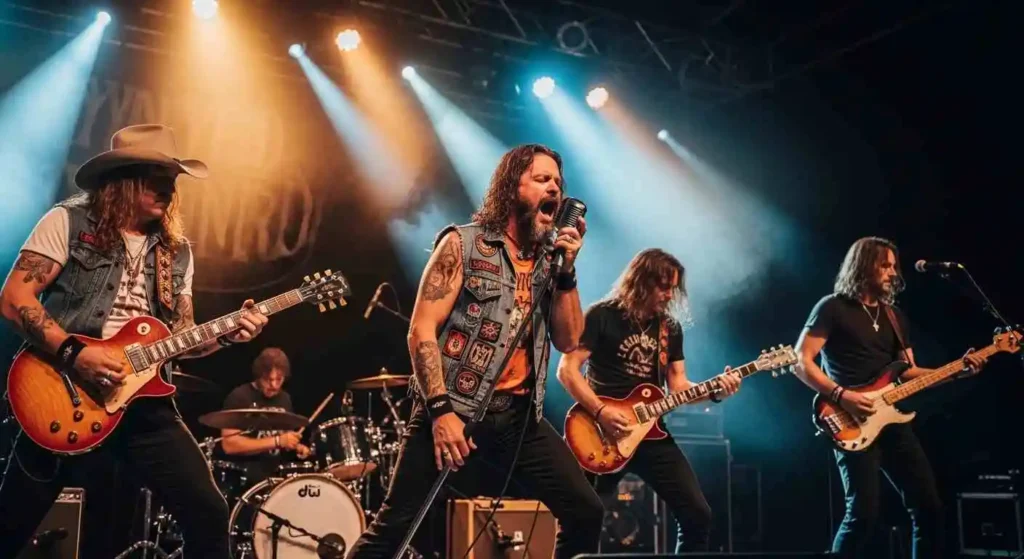
Lynyrd Skynyrd, along with the Allman Brothers Band, were the twin pillars of this movement. At the root of their music was an intense pride as the Southern working class. They expressed the everyday emotions of rough yet pure people—working in the mud and drinking whiskey at the bar all weekend—through three guitars and thick, powerful vocals.
An Immortal Legend Engraved in Their Debut Album
“Free Bird” was included as the final track on their historic 1973 debut album, “Pronounced ‘Lĕh-‘nérd ‘Skin-‘nérd.”
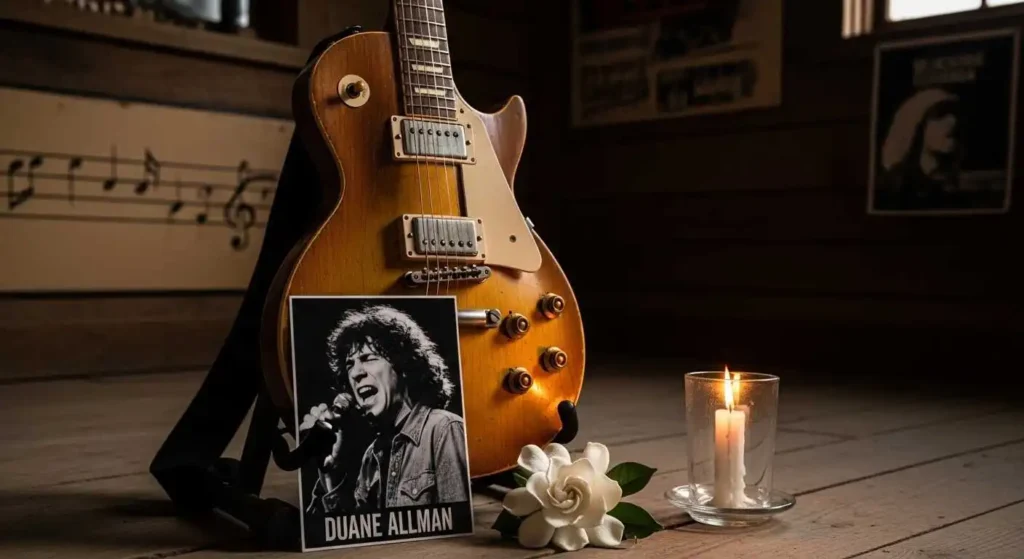
Initially, it was a song performed live in tribute to Duane Allman, the genius guitarist of the Allman Brothers Band who passed away in a tragic motorcycle accident. However, once recorded, this epic masterpiece exceeding 9 minutes effortlessly leaped beyond the bounds of a tribute to a specific individual, elevating into an anthem that speaks for the souls of all who crave freedom.
The Metaphor of “Freedom” and the “Unchanging Bird” Depicted in the Lyrics
The Destiny of the Departing and the Poignant Farewell
The lyrics for this song were written by the older brother, Ronnie Van Zant. The opening phrase, “If I leave here tomorrow / Would you still remember me?”, begins with a quiet question.
It has a very personal and sentimental resonance, almost like a quiet monologue directed at a sleeping lover in a dimly lit room before dawn.

He continues to sing, “For I must be traveling on now / ‘Cause there’s too many places I’ve got to see.”
This vividly etches the karma of a musician who cannot stay in one place, and the impatience of youth driven to thrust into the unknown world.
Ronnie Van Zant’s Soulful Cry
Then, it unfolds into the song’s most iconic chorus. “‘Cause I’m as free as a bird now / And this bird you cannot change.”
The words “cannot change” hold not just a self-centered escape, but an intense self-affirmation and a painfully sad clumsiness—a declaration that one cannot bend their true nature to fit someone else’s ideals.
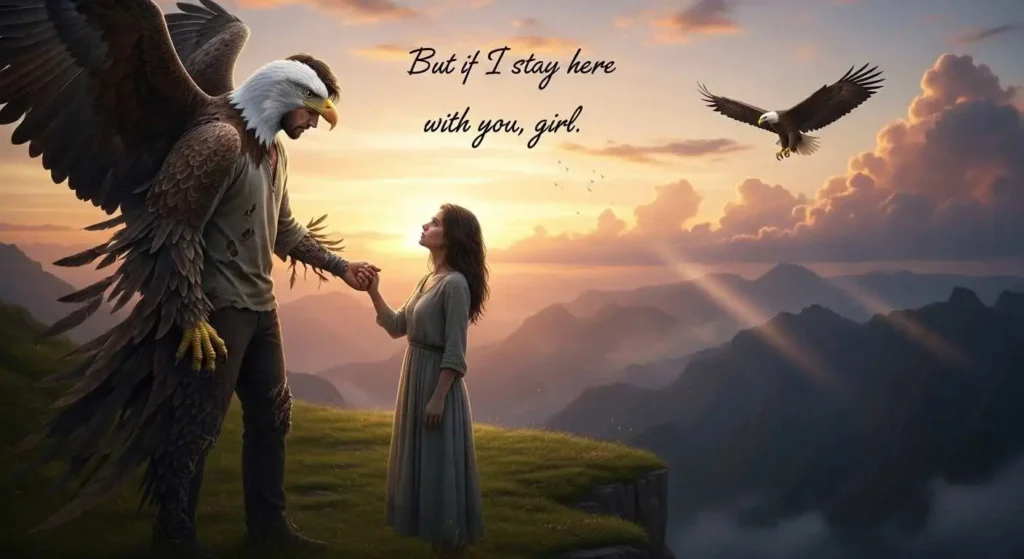
The emotion of wanting to stay with the woman he loves (“But if I stay here with you, girl”) and the destiny of having to follow his instincts to spread his wings into the open sky. The fierce friction between these two emotions gives this song its blood-pumping reality.
The Miracle of Melody Born from the Intense Contrast of Stillness and Motion
From a Majestic Ballad to Surging Rock ‘n’ Roll
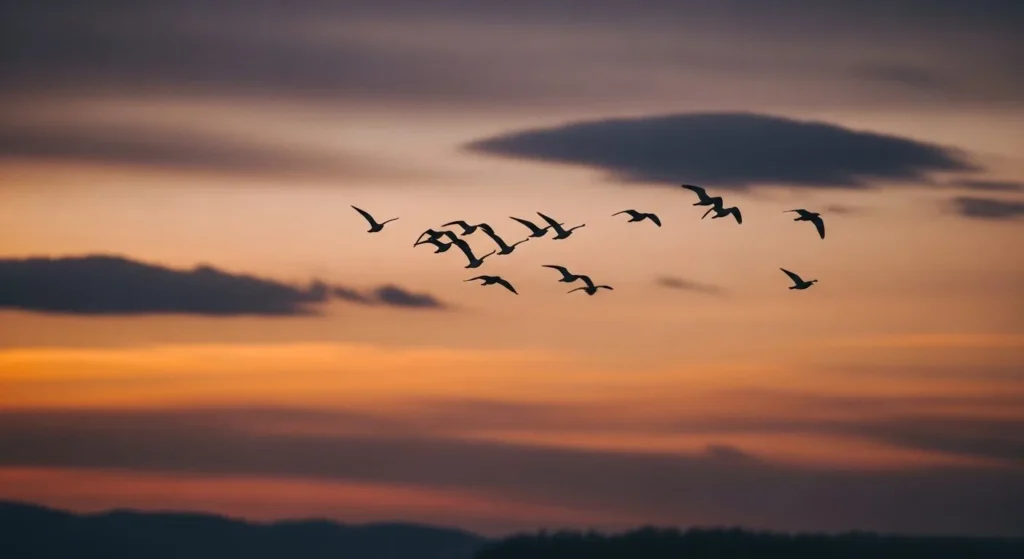
The biggest reason “Free Bird” has been passed down as a masterpiece in rock history lies in its dramatic musical structure. The first half progresses as a slow ballad, driven by a majestic organ tone and Gary Rossington’s slide guitar. The sound of this slide guitar has an incredibly expressive tone, almost as if a real bird were soaring high into the sky, crying out in sorrow.
Then, when the vocals finish the final line, “Won’t you fly high, free bird, yeah,” the song suddenly completely changes its face. The tempo instantly jumps to double speed, plunging into one of the most famous, longest, and most frantic guitar solo sections in rock history.
The Storm of Triple Guitars Breaking the Limits
The lead guitar, unleashed from Allen Collins’s Gibson Explorer, possesses overwhelming speed and energy, as if diving into the center of a massive tornado. Other guitars intricately intertwine with it, constructing the thick wall of sound known as the “triple guitar” setup that is synonymous with the band.
This outro jam session, spanning nearly five minutes, pushes the listener’s adrenaline to the limit. The stillness and sorrow of the first half are completely shattered—and then liberated—by the almost violent roar of the guitars in the second half. This very catharsis is the unparalleled magic that “Free Bird” holds.
The Tragic Plane Crash and Johnny Van Zant’s Decision
The Pressure of Fighting the Shadow of a Great Brother
Sudden tragedy struck Lynyrd Skynyrd just as they were reaching their peak. On October 20, 1977, the chartered plane carrying them on tour crashed into a forest in Mississippi. The accident claimed the lives of several members, including vocalist and absolute band leader Ronnie Van Zant, and guitarist Steve Gaines. The band was forced to disband, and the history of “Free Bird” was temporarily halted here.
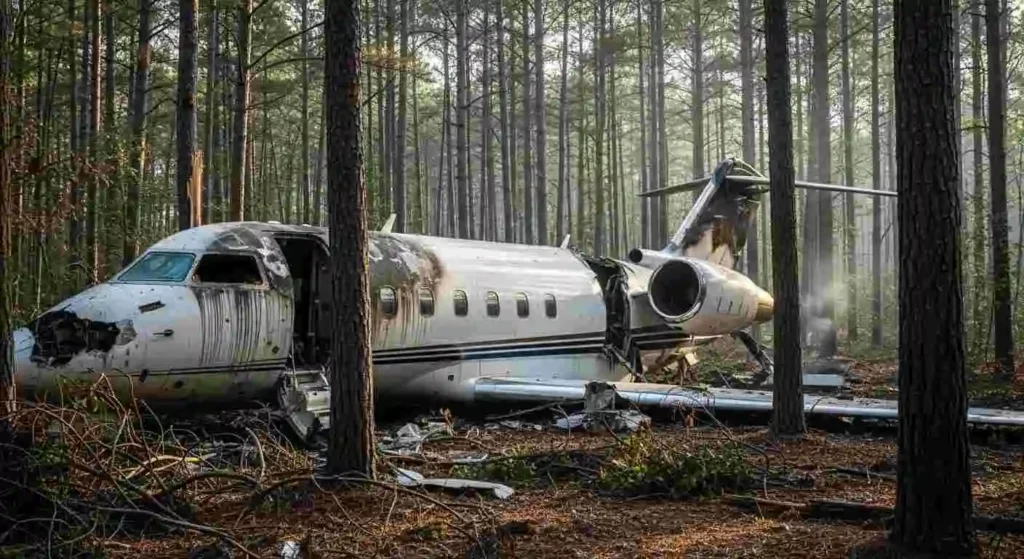
However, exactly ten years after the accident in 1987, a miraculous reunion tour was planned. At this time, the one selected to step in for Ronnie was his younger brother and today’s protagonist, Johnny Van Zant.
The Miraculous Revival Brought by Blood Ties
For Johnny, who was active with his own solo band at the time, stepping into the position of his deified older brother must have brought unimaginable fear and pressure. Bearing the risk of being criticized for “just imitating Ronnie,” he made the decision to take the microphone.
His vocal quality is very similar to his brother Ronnie’s, yet it carries a thicker, more powerful resonance. Without being swallowed by his brother’s phantom, Johnny breathed new life into Lynyrd Skynyrd’s songs with a deep love and respect that only a brother sharing the same blood could produce.
The Special Meaning of “Free Bird” in Live Performances
The Hat on the Microphone Stand and the Fans’ Chorus
Since Johnny became the frontman, live performances of “Free Bird” have taken on an even stronger tone of a sacred ritual. When this song is played at the climax of the stage, a single microphone stand is placed in the center, and Ronnie’s trademark black ten-gallon hat, which he loved to wear in life, is quietly hung upon it.
Johnny occasionally gazes at that hat, singing powerfully as if delivering a letter directly to his brother in heaven. The tens of thousands of spectators filling the venue raise the lights of their lighters and smartphones, joining in a massive chorus. That sight creates an overwhelming heat that transcends the boundaries of a mere rock concert, turning it into what could only be called a gigantic communion of souls.

A Rock Symbol Continuing to Fly Across Generations
Even today, at various concert venues across America, regardless of who the performer is, a culture has taken root where fans jokingly yell from the audience, “Play Free Bird!” This shows just how much the song has established its position as the “greatest finale” in American popular music.
The free bird Ronnie left behind has never fallen to the ground. Through his younger brother Johnny’s resilient vocal cords and passionate performances, it continues to flap its wings powerfully in some sky again tonight.

コメント