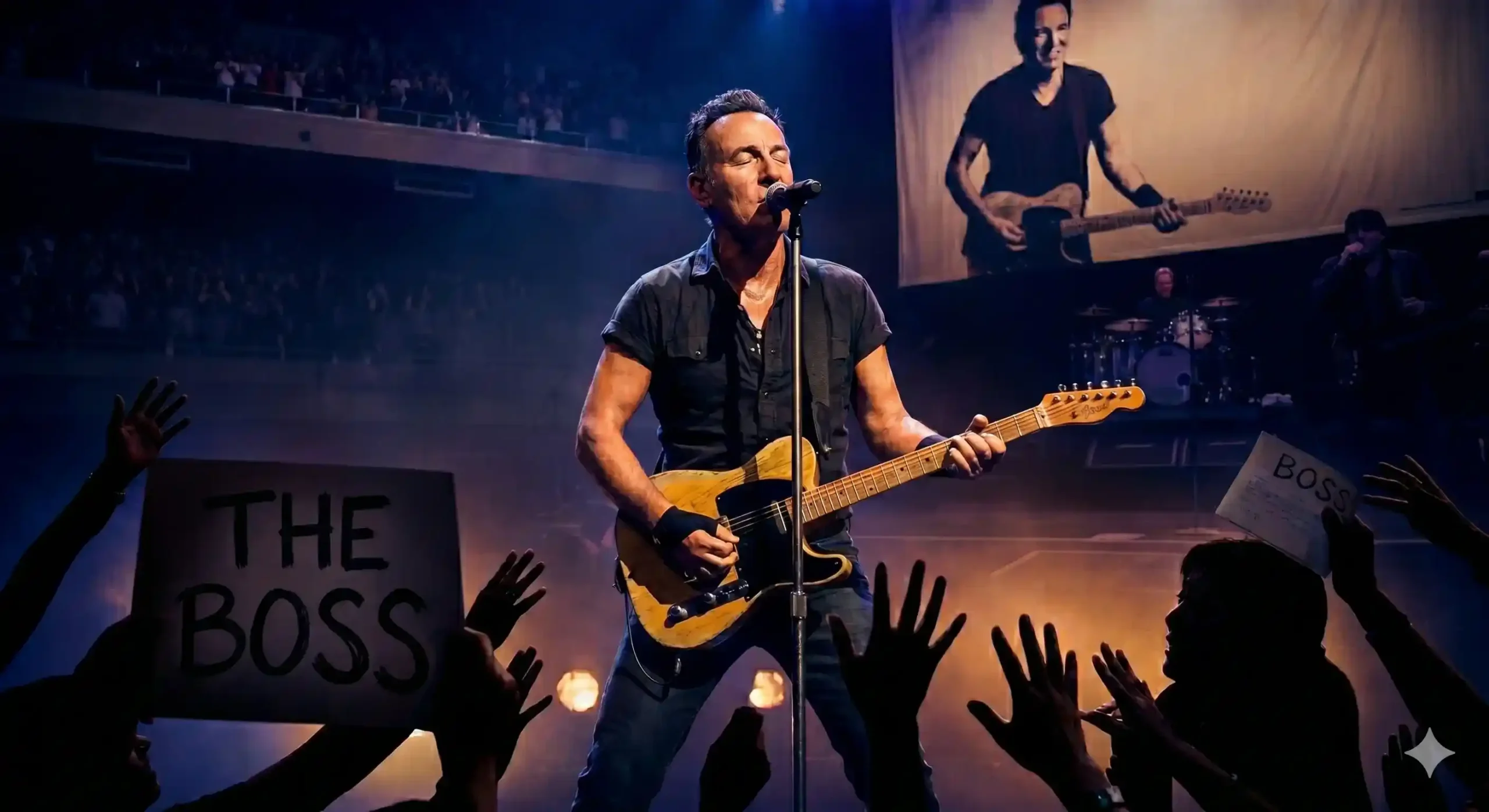
- 🎧 Enjoy this article via Audio
- No. 12: “Racing in the Street”
- Interpretation (The Essence)
- Listen to the Official Audio First
- The Void of the 1970s and what the “’69 Chevy” Symbolizes
- The “Time Lag” in the Mirror and the Fading Brilliance of the Eyes
- The “Gravity” of Daily Life and the Race as Resistance
- Piano as Wordless “Resignation” and “Salvation”
- The “Sea” as Sanctuary and the Purification of Sin
- The Pivotal Role of this Track in *Darkness on the Edge of Town*
- On Accepting Silence
- Conclusion: Believing in the “Brightness of the Highway” Beyond the Dark
🎧 Enjoy this article via Audio
You can easily grasp the main points of this article through audio first.
Recommended for those who want to quickly understand the gist before reading.
🎵 English Narration
Explains the content of this article in English audio.
⌛ Runtime: Approx. 3 min
🎶 Japanese Narration
You can listen to the same content with Japanese narration.
⌛ Runtime: Approx. 3 min
* Note: Listening to the audio before reading will help you understand the worldview of the song and the key points of the article more dimensionally.
No. 12: “Racing in the Street”
My personal Best 15 rankings continue with No. 12.
The song I’m featuring this time is “Racing in the Street,” the sublime ballad that closes Side B of the 1978 masterpiece, *Darkness on the Edge of Town*.
In this song, you won’t find the explosive shouts or the earth-shaking drums that are often synonymous with Bruce Springsteen. Instead, what you hear is a piano melody that flows with a quiet but irresistible weight, accompanied by the monologue of a man standing on the threshold between youth and age.

Interpretation (The Essence)
To escape the dead-end of daily life, I tear through the night in my prized machine.
The girl I once won away is now drowning in despair, crying in a dark room.
To wash away the sins of this hopeless town, we keep driving toward the sea.
Even if our dreams are torn, this moment behind the wheel is our only salvation.
Listen to the Official Audio First
Credits
Bruce Springsteen
"Racing in the Street"
(From the album *Darkness on the Edge of Town*)
Commentary
A quintessential ballad that takes Springsteen's recurring themes of "cars and escape" and elevates them to their most beautiful, yet most desperate, heights. It is a quiet masterpiece depicting the void and the breakdown of love that await at the end of youth's innocent rebellion, set against a heavy piano arrangement.
Credits
Bruce Springsteen & The E Street Band
"Thunder Road" (Live at Hammersmith Odeon, London, 1975)
Commentary
This footage from the legendary first UK tour shows a young Springsteen delivering a soul-stirring performance with a quiet arrangement of just piano and harmonica. It is a vital record of a signature song that sings of escape from a stifling life and the hope for something better.
The Void of the 1970s and what the “’69 Chevy” Symbolizes
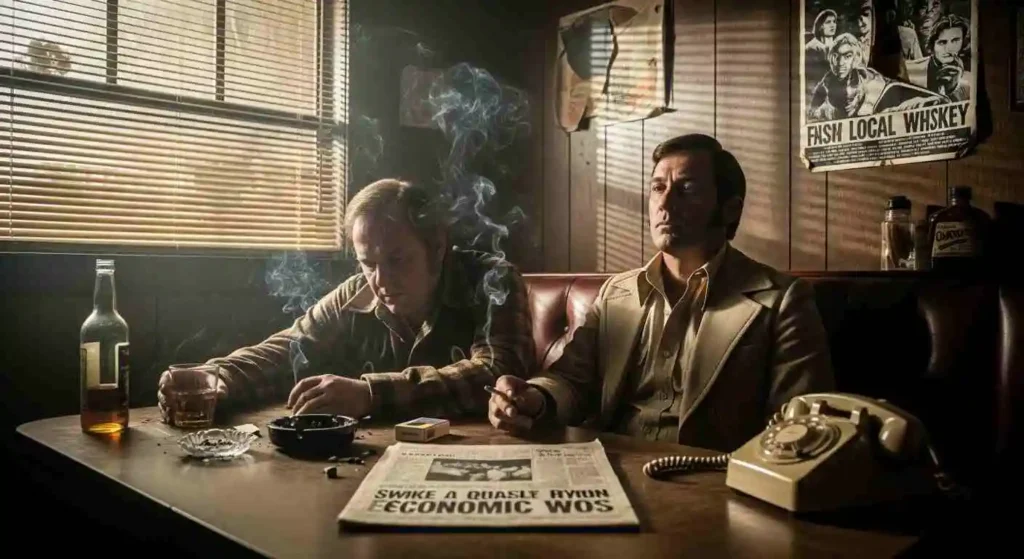
When the intro to this song begins, the listener is transported to the stifling atmosphere of late-1970s America—the “night with no exit” that so many carried within them.
The Omnipotence of Youth and its Limits
In the world Springsteen paints, time once felt infinite. These were days fueled by the groundless premonition that “I could be somebody,” revving the engine of youth.
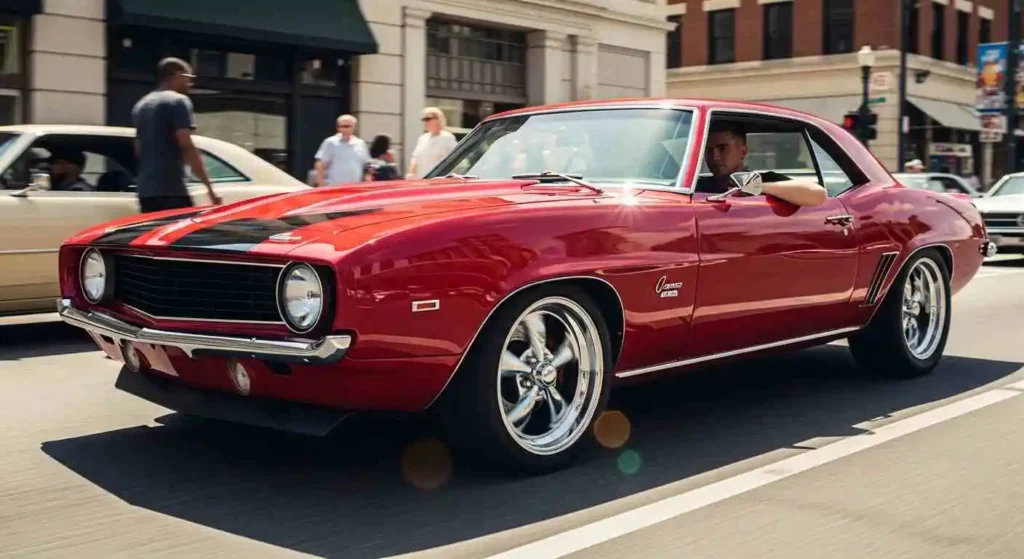
The “’69 Chevy” in this story is not merely a means of transportation; it is the only weapon for resisting the massive structures of society—a symbol of raw, exposed pride.
“Speed” as a Fleeting Justice
The first half of the song speaks of the hunger of men who dominate the streets with their customized machines.
- Overwhelming rivals to prove one’s existence
- Winning money in street races to gain autonomy
- Earning the unshakable title of being the fastest
There was an intense exhilaration there—the smallest unit of the American Dream. However, that brilliance is not eternal; it is destined to be overwritten by the cold reality of “life” as time passes.
The “Time Lag” in the Mirror and the Fading Brilliance of the Eyes
The story shifts its gaze beyond the victory of the race to the brutal nature of everyday life.
The Transformation of the “Goddess of Victory”
She once sat beside him as the “Goddess of Victory.” But as years pass and she is exposed to the gravity of living, the sparkle vanishes from her eyes. Facing the sight of her sobbing alone in the middle of the night, the protagonist is forced to realize just how powerless he truly is.

The “Gravity” of Daily Life and the Race as Resistance
In the latter half of the story, the perspective moves from the glamorous race to the inescapable pressure of survival.
The Erosion of the Soul
No matter how much you pride yourself on being the fastest on the street, once you step out of the race, an unchangeable reality lies waiting.
- Monotonous, repetitive labor
- The self defined within organizations or society
- Fragments of past passion being slowly chipped away. What is depicted here is not just one specific story, but the “soul erosion” faced by many living within the system of society. The process of exhilaration losing out to the gravity of reality is portrayed with stark simplicity.
A “Night Ritual” to Hold onto Dignity
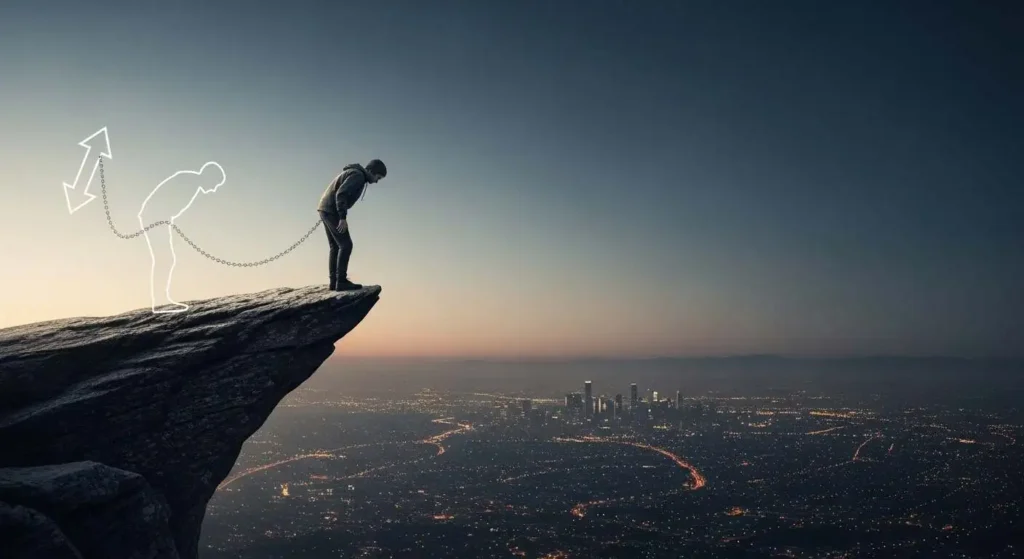
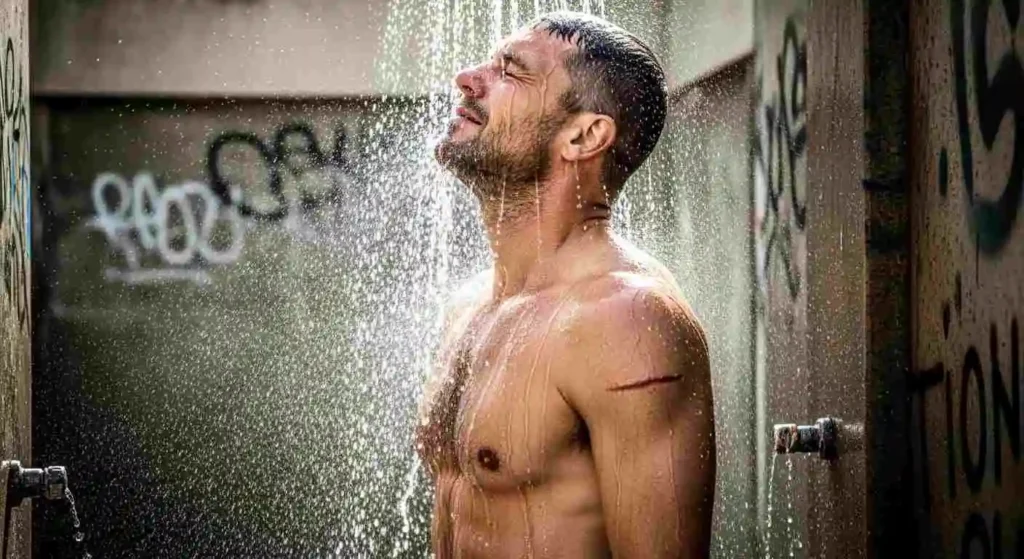
The image of the protagonist washing his hands after work and heading back out to the streets at night…
This is not mere escapism or the recklessness of youth.
It is a desperate ritual to confirm “who I am” while buried in the mundane, losing sight of oneself.
Even if it’s a race with no reward, for the moment he grips the wheel, he regains control over his own life.
“Resignation” toward Life and the Choice Beyond
Springsteen presents two attitudes toward life here.
One is a way of living that accepts the soul dying piece by piece, unable to withstand the weight of the days.
The other is a way of living where one washes away the grime and returns to the street, even while carrying wounds. Neither is necessarily the “right” answer, but the harshness of the act of “living” and the faint human will to still look forward are contained within the quiet melody of this song.
Piano as Wordless “Resignation” and “Salvation”
The core of this song lies in the beauty of Roy Bittan’s piano.
A Serene Resonance Beyond the Bounds of Rock
I know of no other piano that speaks with such a wealth of emotion. From the middle to the end, the piano melody overtakes the lyrics, defining the scenery:
- Streetlights flowing past on a midnight highway
- The breathing of a partner exhausted and asleep in the passenger seat
- The color of the sea before dawn at the end of a destinationless journey

The “Sea” as Sanctuary and the Purification of Sin
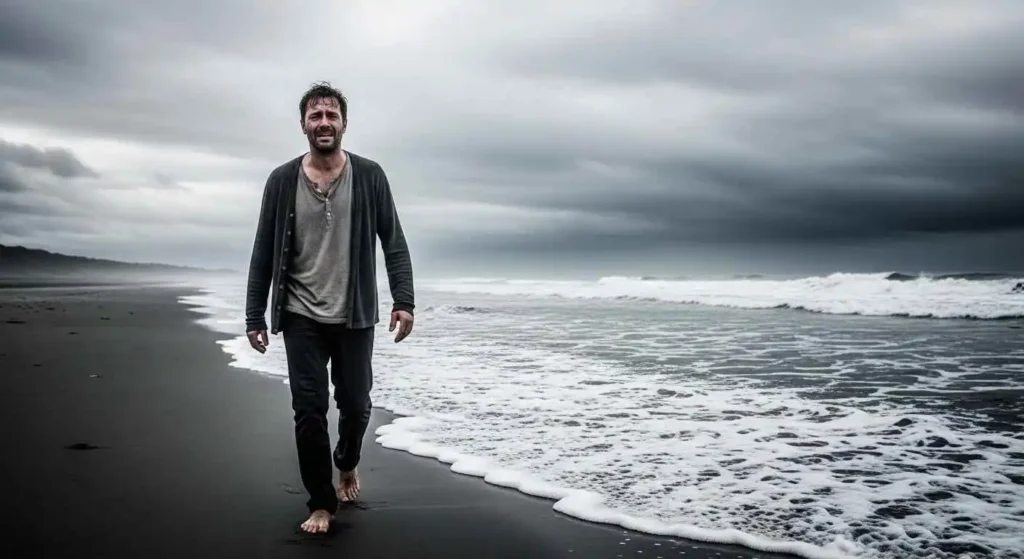
At the end of the story, the man takes the woman to the sea. While this development carries the theme of **”escaping the city”** common in Springsteen’s early work, its meaning is more introspective and carries a deeper spirituality.
The Metaphor of Washing Away Sins
There is a haunting line about **”going to the sea to wash these sins off our hands.”**
The “sin” referred to here is not legal remorse.
- The sin of leaving a loved one in isolation
- The sin of standing by as daily life lost its luster
- The sin of **clinging to past glory and turning away from reality. Carrying all of this and heading to the water’s edge seeking “purification”** projects a fundamental human desire for redemption.
The Pivotal Role of this Track in *Darkness on the Edge of Town*
The album ***Darkness on the Edge of Town*** was the work where Springsteen confronted “adult responsibility” after a three-year hiatus due to legal battles. Within that context, the role “Racing in the Street” plays is paramount.
A “Faint Light” Found in the Depths of Despair
The entire album is shrouded in the images of people whose dreams have been torn and who face a harsh reality. Yet, this song offers more than just despair.
At the very end, the highway lights shine bright, and he declares once more that he is “Racing in the street.” This is not a repetition of youthful folly, but a quiet declaration of resolve to live on one’s own terms (the street) even after realizing everything.
On Accepting Silence
The parts of this song that resonate with me now are distinctly different from when I listened to it in the past.
The “Truth” Found by Stripping Away Flashy Production
In my younger days, I was enthralled by the E Street Band’s dynamic performances and Springsteen’s overwhelming vocals. But at this age, what touches my heart is the beauty of the song’s “skeleton,” stripped of all unnecessary decoration.

What Silence Says, More Than Words
As people age, they tend to speak less. Perhaps because the things they *cannot* put into words increase. Just as the protagonist of this song simply grips the wheel without offering excuses, we too continue to run the “race” of daily life, carrying thoughts that cannot be articulated.
Conclusion: Believing in the “Brightness of the Highway” Beyond the Dark
“Racing in the Street” is by no means a story with a simple happy ending. We don’t know if her tears stopped, or if their lives dramatically improved.
However, the image of the “bright highway” in the final scene lights a definite fire of hope in the listener’s heart.

Wiping away the grime, washing away the sins, and returning to the place where you belong. That repetition is what it means to live, and I believe Springsteen is telling us that such a sight is more precious than any single moment of victory.
I cannot help but imagine the profile of a man quietly pressing the accelerator, and the predawn sky stretching out infinitely before him.

音楽ファン同士の交流・リクエストはこちら / Connect & Request Songs Here