Explore Mariko Takahashi’s Musical Journey Here!
- 🎧 Listen to This Article
- My Personal Best 10: Mariko Takahashi – No. 5 “for you…”
- 🎵 “for you…” – A Signature Song Born in 1982
- 🎥 Experience “for you…” Through Video Performances
- 💐 The Lyrics – A Deep Longing for Someone You Love
- 🎼 Melody and Arrangement – From Stillness to Emotional Release
- 🎤 A Song Only Mariko Takahashi Could Sing This Way
- 🌸 Why “for you…” Continues to Resonate
- 💫 Why I Ranked “for you…” at No. 5
🎧 Listen to This Article
Enjoy a convenient audio overview of the article’s key points.
Listen before reading to discover the emotional world of “for you…” and get a sense of what this article explores.
🎵 English Narration
Listen to an English-language narration of this article.
🎶 Japanese Narration
Listen to a Japanese-language narration of this article.
Listening first offers a deeper appreciation of the longing expressed in “for you…” and the elegance of Mariko Takahashi’s performance.
My Personal Best 10: Mariko Takahashi – No. 5 “for you…”
How many singers could express the desperate longing of “I want you” with such extraordinary elegance?
“for you…” is a passionate love song, yet Mariko Takahashi never lets its emotions become overwhelming. That delicate balance is part of what makes her performance so compelling.
🎵 “for you…” – A Signature Song Born in 1982
Released on March 5, 1982, “for you…” was Mariko Takahashi’s eighth solo single.
The lyrics were written by Akira Otsu, the music was composed by Kisaburo Suzuki, and the arrangement was created by Kei Wakakusa. That same year, the song won a Gold Prize at the 11th Tokyo Music Festival World Convention.
More than four decades after its release, it remains one of Takahashi’s most beloved songs. She also performed it at NHK’s annual New Year’s Eve music program, Kohaku Uta Gassen, in 2013.
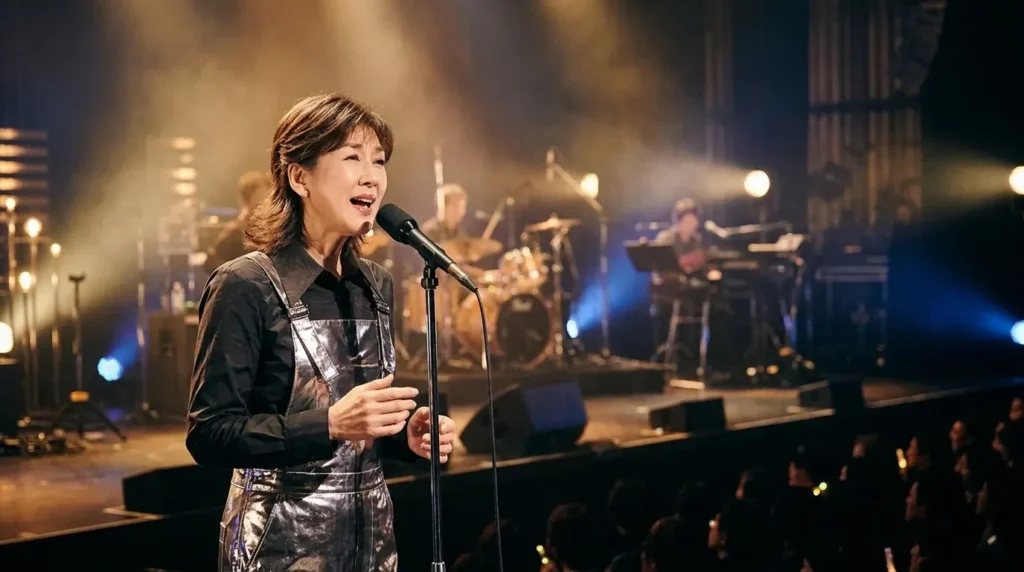
The Original Title Was “Anata ga Hoshii”
There is an interesting story behind the song’s title.
According to someone involved in its production, the song was originally titled “Anata ga Hoshii,” meaning “I Want You,” when it was being prepared for the Tokyo Music Festival. However, because another song already had that title, it was reportedly changed to “for you…”
In retrospect, the English title gives the song a distinctive sense of mystery. By softening the directness of its original name, it somehow makes the intensity of the feelings within the song even more striking.

The Meaning Behind the Lyrics – A Free Interpretation
Wounded by a past relationship, I was lost in loneliness until you gently took me in.
Because I met you, I found the strength to move beyond those painful memories.
Without you, I might never have found my way forward.
Now I cannot bear the thought of losing you. I want your heart, your love, every part of what you feel.
Even if loving you means risking another heartbreak, this is the one love I never want to lose.
💡 You might also like: View the original Japanese lyrics (External site)
If the lyrics are available only in Japanese, you can use your browser’s translation feature or an AI translation tool to understand their general meaning.
🎥 Experience “for you…” Through Video Performances
These two performances offer an opportunity to appreciate the song from different perspectives.
A Performance Available on YouTube
🎬 Video Credits
Song: “for you…” – Mariko Takahashi
Lyrics: Akira Otsu / Music: Kisaburo Suzuki
Video Source: YouTube
💡 What to Listen For
Notice how the song moves from its gentle opening toward the emotional release of the chorus. Takahashi's voice brings out the beauty of the melody without forcing its intensity.
A 2016 Live Performance – From “LIVE infini”
🎬 Video Credits
Song: “for you…” – Mariko Takahashi
Release: “LIVE infini”
Performance: November 19, 2016, Tokyo International Forum, Hall A
Video: Mariko Takahashi Official YouTube Channel
💡 What to Listen For
Years of performing this song have given every phrase a different weight. Listen closely to the subtle emotional details in her voice.
💐 The Lyrics – A Deep Longing for Someone You Love
“for you…” is not simply a celebration of romantic happiness. Its narrator has experienced loneliness and sorrow and is now afraid of losing someone who has become irreplaceable. That vulnerability runs throughout the song.
A Small Gesture That Wipes Away Tears
The opening describes an intimate gesture: someone gently wiping away another person’s tears.
There are no grand promises or dramatic declarations. Instead, tenderness is conveyed through the touch of a hand. From this brief image, we can imagine the history and trust that have developed between two people.

How Past Loneliness Deepens Present Love
The lyrics also look back on earlier experiences of sadness and isolation. Yet those memories are not presented merely as painful shadows.
Through the presence of someone she loves, the narrator begins to see her past differently. The song suggests that love cannot erase what happened, but it can transform the meaning those experiences hold.
The Directness of “I Want You”
Then comes the chorus, with its repeated declaration: “Anata ga hoshii” – “I want you.”
Here, emotions that have been held in check finally come to the surface. The desire to cherish someone and the longing to keep that person close are compressed into a few remarkably simple words.
To me, this directness is the heart of “for you…” Rather than dressing love in elaborate language, the song reveals a deeply personal desire without apology.

The Fragile Side of Love in “for you…”
What I find particularly interesting is that the song expresses not only the joy of loving someone, but also the fear of losing them.
Having been hurt before, the narrator nevertheless allows herself to love again. And she wants more than her partner’s companionship. She longs for his entire heart and all the love he can give.
There is something almost possessive in that desire. Yet love does not always obey reason. The more deeply we care for someone, the more vulnerable we may become to uncertainty and the possibility of loss.
By acknowledging these contradictions, “for you…” becomes something more complex than a beautiful love song.
🎼 Melody and Arrangement – From Stillness to Emotional Release
Kisaburo Suzuki’s melody follows the natural rhythm of the lyrics before opening up in the chorus. Rather than pushing the listener toward an emotional climax, the musical phrases allow that intensity to emerge organically.
How Kei Wakakusa’s Arrangement Supports the Song
Kei Wakakusa’s arrangement is equally important to the song’s character.
The accompaniment never overwhelms the vocal. Instead, it adds richness where needed, creating a contrast between restrained passages and fuller, more expansive moments. That contrast makes the chorus especially moving.

🎤 A Song Only Mariko Takahashi Could Sing This Way
Another singer might bring a different kind of beauty to the same melody. Even so, I find it difficult to separate “for you…” from Mariko Takahashi’s distinctive voice.
The Power of Holding Emotion Back
Takahashi does not reveal every emotion from the opening note.
Instead, she shapes the song through the endings of phrases, the release of her breath, and the length of sustained notes. These subtle choices allow the emotional intensity to grow naturally as the performance unfolds.
What impresses me most is that even when her voice rises with power, she never loses her sense of refinement. She communicates intense longing without making the listener feel overwhelmed.
An Expressive Style Shaped by Years of Music
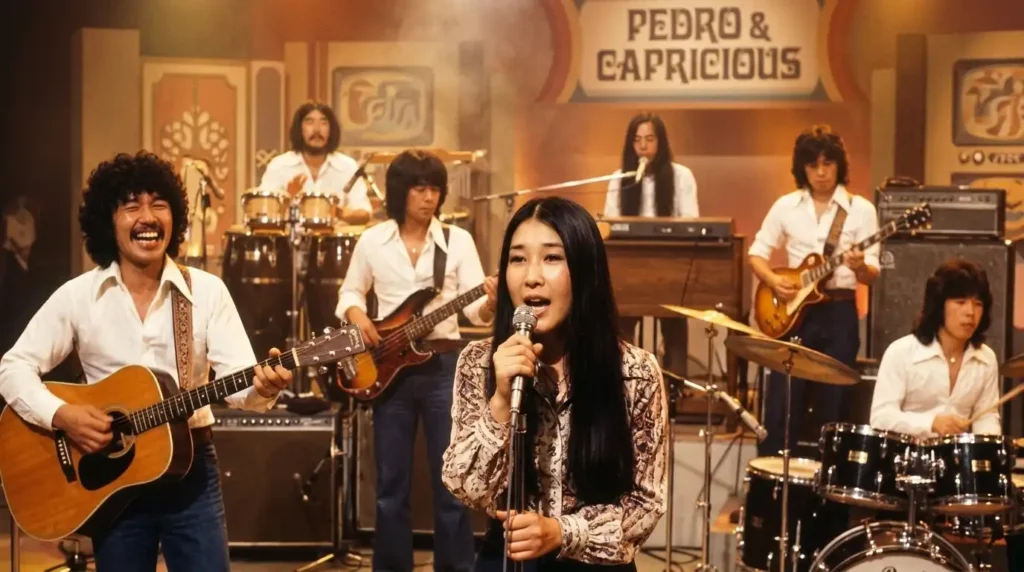
After serving as the lead vocalist of Pedro & Capricious, Mariko Takahashi launched her solo career in 1978.
Her background includes jazz studies, and her singing possesses a distinctive sense of timing that cannot be explained by pitch accuracy or vocal power alone. She never rushes the words, allowing them to settle naturally into the melody. That musical sensitivity is fully evident in “for you…”
How a Song Changes on Stage
Listening to a song released in 1982 through a live performance from 2016 means hearing it across a span of 34 years.
The words and melody remain the same, but their emotional resonance changes as the singer grows older.
The song can be heard as an expression of youthful passion, but it can also evoke the feelings of someone who has shared many years with a partner. Perhaps that emotional range is one reason “for you…” has remained such an enduring part of Takahashi’s live repertoire.
🌸 Why “for you…” Continues to Resonate
I believe the song’s lasting appeal comes partly from the fact that it is not tied to the romantic expectations of any particular era. The need to love someone and feel that person’s presence remains deeply human, regardless of how society changes.

A Song That Makes You Want to Sing Along
“for you…” has also remained a popular choice for karaoke in Japan.
But anyone who tries to sing it soon discovers how demanding it can be. The quieter passages require subtle control, while the chorus calls for vocal strength and reliable pitch.
A performance that sounds effortless can be extraordinarily difficult to reproduce. This song is a wonderful reminder of just how accomplished Takahashi is as a vocalist.

💫 Why I Ranked “for you…” at No. 5
I placed “for you…” at No. 5 because of the remarkable way its beautiful melody and Takahashi’s singing come together.
As the song develops from its quiet beginning toward the sweeping chorus, I find myself drawn further into its emotional world. I love how it holds my attention through the strength of the music itself, without relying on unnecessary embellishment.

A Great Song and a Personal Favorite Are Not Always the Same
If you were to name Mariko Takahashi’s defining songs, “for you…” would undoubtedly be a strong contender. Its recognition, musical craftsmanship, and enduring popularity make it essential to any discussion of her career.
But this ranking is not an attempt to establish which songs are objectively the greatest. A song’s reputation and the desire to listen to it again and again are two different things.
Every time I hear “for you…,” I admire how beautifully it has been put together. Yet there are still four Mariko Takahashi songs that move me even more deeply.
That is why it stands at No. 5. This ranking reflects neither fame nor critical consensus, but what I hear and feel for myself. And that is exactly how I want to keep it.


音楽ファン同士の交流・リクエストはこちら / Connect & Request Songs Here