- 🎧 Listen to This Article
- October 13: Celebrating Paul Simon’s Birthday | “Mother and Child Reunion” — The Sorrow Behind an Upbeat Reggae Song
- “Mother and Child Reunion” — What Lies Beneath Its Cheerful Sound?
- When I First Heard This Song
- 1972: A Major Success as a Solo Artist
- A New Sound Born in Jamaica
- What Makes This Song So Enjoyable?
- The Sad Story Behind the Cheerful Music
- A Lifelong Curiosity About Music
- “Mother and Child Reunion” — A Defining Moment in Paul Simon’s Career
🎧 Listen to This Article
Enjoy a convenient audio summary of the key points covered in this article.
Before reading, discover the appeal of Paul Simon’s “Mother and Child Reunion” and the fascinating story behind the song.
🎵 English Narration
Listen to an English narration highlighting the main points of this article.
🎶 Japanese Narration
Listen to a Japanese narration highlighting the main points of this article.
Listening first will help you appreciate the emotions behind “Mother and Child Reunion” and follow the story explored in the article.
October 13: Celebrating Paul Simon’s Birthday | “Mother and Child Reunion” — The Sorrow Behind an Upbeat Reggae Song
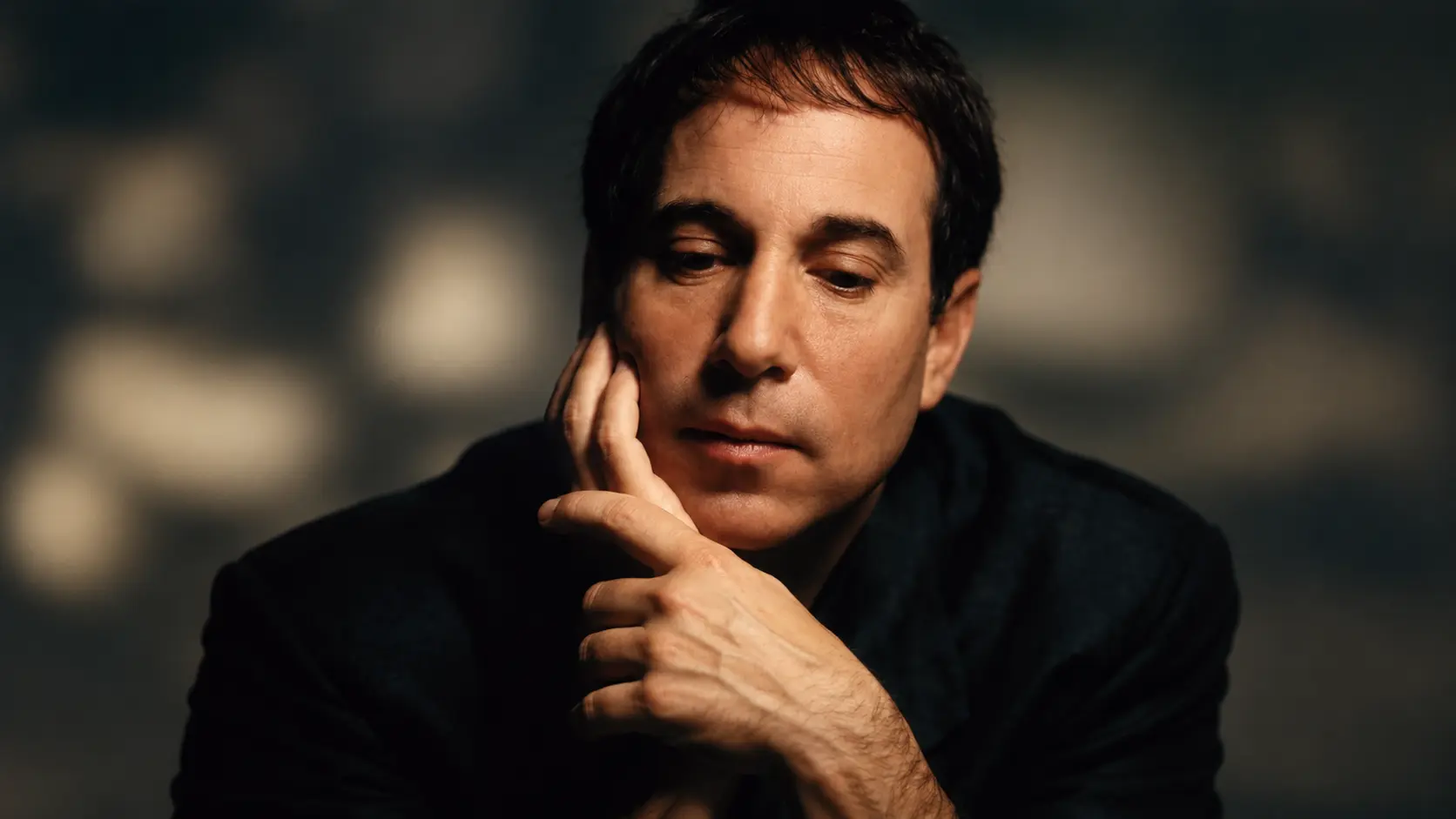
Today, October 13, marks the birthday of Paul Simon, one of America’s most celebrated singer-songwriters. Born in 1941, he turns 85 in 2026.
Born in New Jersey and raised in New York, Paul met Art Garfunkel while they were still in elementary school. The two began making music together in the 1950s and eventually achieved worldwide success as Simon & Garfunkel.
“The Sound of Silence,” “Mrs. Robinson,” “The Boxer,” and “Bridge over Troubled Water” are among their best-known songs. Paul wrote both the music and lyrics for all four.
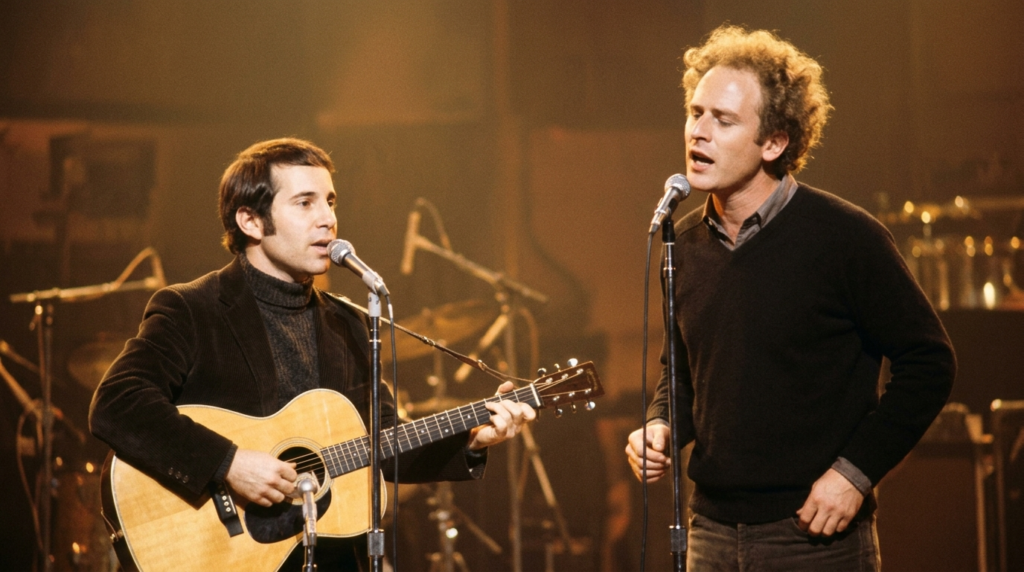
Paul’s gift for songwriting and Art’s beautifully clear voice complemented each other perfectly. Together, they created some of the defining works of 1960s folk rock.
Following their 1970 album Bridge over Troubled Water, the duo stepped away from working together. Paul turned his attention to a full-fledged solo career, exploring musical styles beyond those associated with Simon & Garfunkel.
One of the clearest signs of this new direction was “Mother and Child Reunion,” released in 1972.
“Mother and Child Reunion” — What Lies Beneath Its Cheerful Sound?
My Interpretation of the Lyrics
On days when sorrow weighs heavily on the heart, empty words of comfort offer little relief.
The pain of losing someone dear remains deep within us, untouched even by the passing years.
Life moves forward and the seasons change, yet the memory of that day never fades.
Still, no matter how far apart we may be, the bond between two hearts can never truly disappear.
And perhaps the moment when we meet again is closer than we imagine.
First, Let’s Listen to the Official YouTube Audio
Official Audio Credits
Song: Mother and Child Reunion
Artist: Paul Simon
Released: 1972
Written by: Paul Simon
Album: Paul Simon
Source: Paul Simon's Official YouTube Channel (Official Audio)
■ Two-Line Overview
An early solo classic recorded in Jamaica, featuring the distinctive rhythms of reggae.
Beneath its accessible melody lies a song about the grief of losing someone dear and the hope of being reunited.
When I First Heard This Song
| My Age | Elementary School | Junior High | High School | University | 20s | 30s | 40s | 50s | 60+ |
| Release Year | 1972 | ||||||||
| When I First Heard It | ● |
I can’t remember exactly when I first heard this song. I believe it was sometime around 1972 or 1973, when I was in my second or third year of junior high school in Japan.
I was already a fan of Simon & Garfunkel, so it was only natural that I became interested in Paul’s solo recordings as well.
But “Mother and Child Reunion” sounded quite different from the music I had come to associate with the duo.
Unlike songs such as “The Sound of Silence” or “Bridge over Troubled Water,” which invited me to sit quietly and listen, this was an upbeat pop song I could simply enjoy.
Of course, as a Japanese junior high school student, I couldn’t have understood the English lyrics. Even so, I was completely captivated by its bouncing rhythm and memorable melody.
At the time, I knew very little about reggae. I certainly had no idea that Paul had traveled all the way to Jamaica to record the song.
It was music I could enjoy without thinking about it too much. That was what “Mother and Child Reunion” meant to me back then.
1972: A Major Success as a Solo Artist
“Mother and Child Reunion” was released as a single in early 1972 and appeared on Paul’s self-titled album, Paul Simon, released that January.
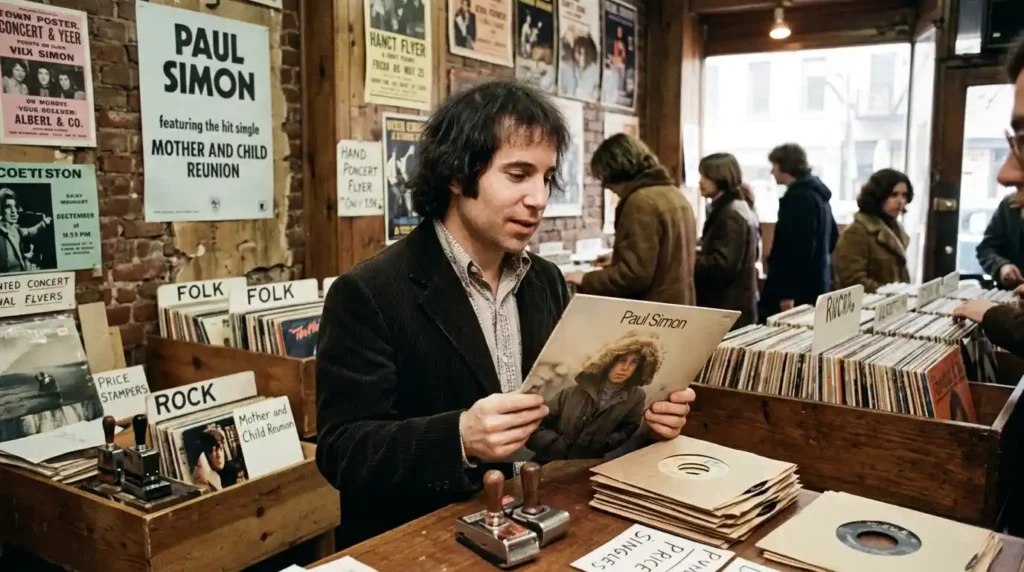
The song reached No. 4 on the Billboard Hot 100 in the United States and No. 5 on the UK Singles Chart. It demonstrated that Paul could enjoy major commercial success on his own following Simon & Garfunkel’s hiatus.
An Era of Musical Diversity
The early 1970s were a time when popular music was expanding in many different directions.
While bands such as Led Zeppelin and Deep Purple attracted audiences with their powerful sound, singer-songwriters such as Carole King and James Taylor were also gaining widespread recognition.
For Paul, already established as one of folk rock’s leading figures, this was perhaps a time to reconsider his own musical direction. He was ready to move beyond the predominantly acoustic style that had defined much of his earlier work.
One source of inspiration was Jamaican reggae, which had not yet become widely familiar to mainstream American pop audiences.
A New Sound Born in Jamaica
Working with Jamaica’s Finest Musicians
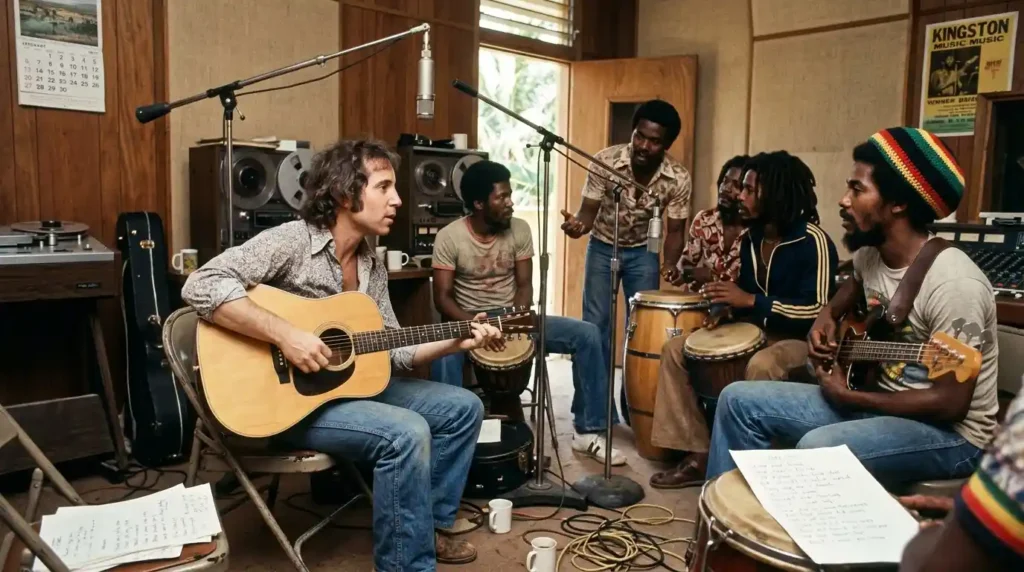
In 1971, Paul traveled to Kingston, Jamaica, where he recorded with local musicians.
Among them were guitarist Hux Brown, bassist Jackie Jackson, and drummer Winston Grennan, all accomplished figures in Jamaican popular music.
The backing vocals also featured Cissy Houston, the mother of Whitney Houston, who would later become one of the world’s most celebrated singers.
Why Paul Didn’t Insist on Playing His Own Way
In a 1972 interview with Rolling Stone, Paul recalled an interesting experience from the recording sessions.
At first, he tried playing rhythm guitar himself, but he found it difficult to fit into the distinctive groove created by the Jamaican musicians.
Rather than asking them to adapt to his playing, he decided to leave the instrumental performance in their hands.
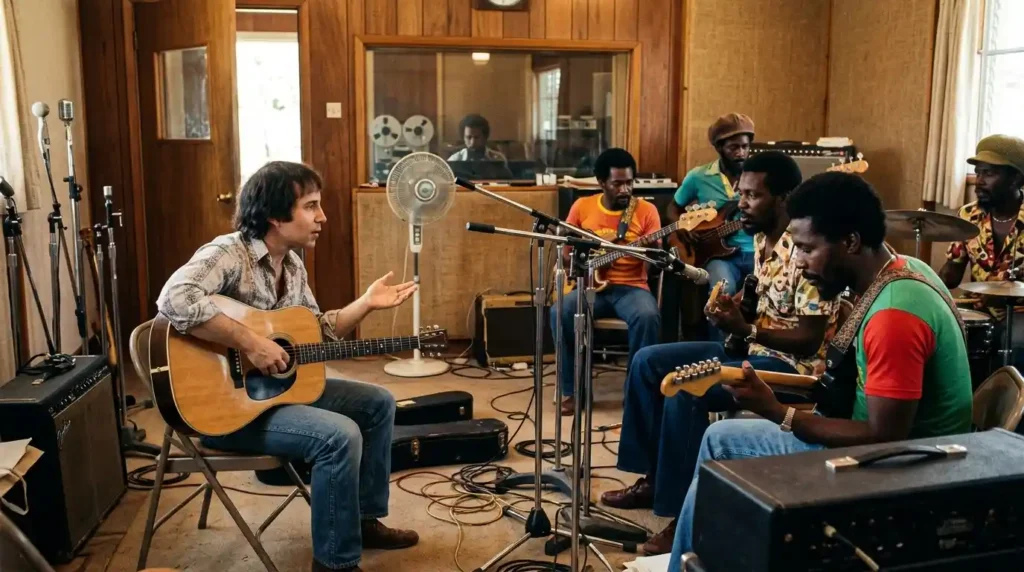
Just because he had written the song didn’t mean he needed to control every detail of its performance. He seems to have recognized that allowing musicians deeply familiar with reggae to play in their own way would produce the best result.
For an artist who had already achieved international success, his willingness to embrace a different musical tradition reveals a remarkable openness.
From Ska to Reggae: The Evolution of Jamaican Rhythm
During the 1960s, Jamaican popular music evolved from ska through rocksteady and eventually into reggae.
Ska generally featured a relatively fast tempo and sharply accented rhythms. Early reggae, by contrast, tended to slow things down and place greater emphasis on the interaction between bass and drums.
“Mother and Child Reunion” incorporates the rhythmic sensibility that emerged from this musical evolution.
Had Paul insisted on playing everything in the style he already knew, the finished recording might have sounded very different.
What Makes This Song So Enjoyable?
Reggae Rhythm Meets a Pop Melody
One of the first things that catches my ear in “Mother and Child Reunion” is the distinctive rhythm played by the guitar and keyboards.
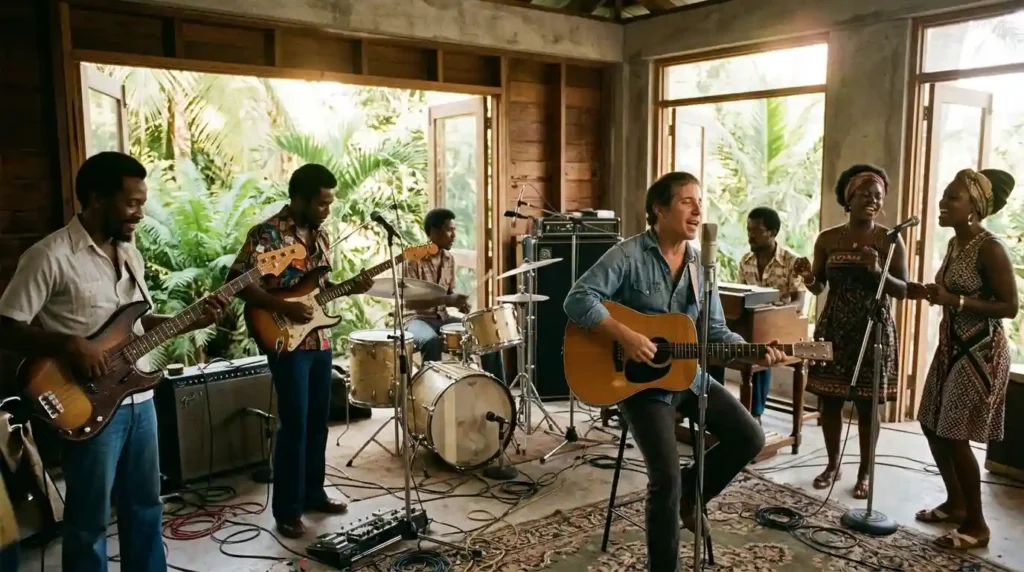
In much conventional rock music, the drums and guitars emphasize the main beats with considerable force. Reggae, however, is characterized by accents placed on the offbeats.
Here, crisp guitar chords, a gently moving bass line, and restrained but effective drumming combine to create a groove that almost makes you sway without realizing it.
Over this foundation comes one of Paul’s unmistakably memorable melodies.
Although the accompaniment has a distinctly Jamaican character, the tune itself remains immediately accessible as American pop music. The two traditions come together without sounding forced.
The Distinctive Appeal of Paul’s Voice
Paul Simon has never been the kind of singer who overwhelms listeners with sheer vocal power or soaring high notes. Unlike Art Garfunkel, his voice has a slightly nasal, unpolished quality.
Yet that understated delivery works beautifully on this recording.
While the female backing singers add brightness and energy, Paul avoids exaggerating the emotion. His voice and the instrumental arrangement complement each other, making the song easy to listen to again and again.
Instead of delivering a dramatic vocal performance, he seems to let the music carry him along. To me, that restraint is part of what makes “Mother and Child Reunion” so appealing.
The Sad Story Behind the Cheerful Music
The Sudden Loss of a Beloved Dog
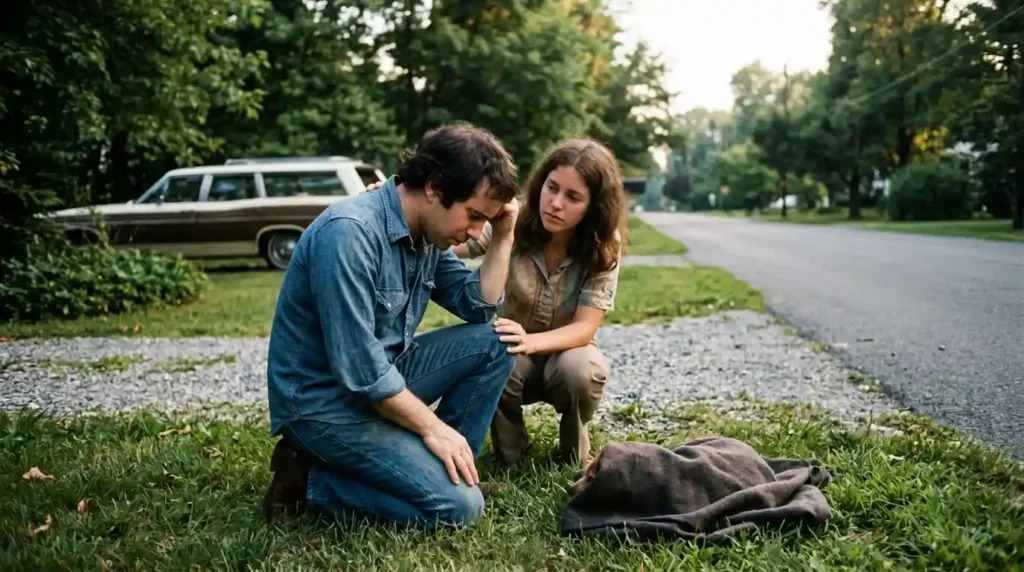
The title “Mother and Child Reunion” might suggest a warm story about the love between a parent and child. However, the inspiration for the lyrics came from a painful experience in Paul’s own life.
His beloved dog had been struck by a car and killed. Paul later explained that the incident made him deeply aware of death as something that could suddenly touch his own life.
He then began to wonder how he would cope if something similar happened to his wife at the time, Peggy.
The thought of someone precious being alive one day and suddenly gone the next became the emotional starting point for the song.
The Surprising Origin of the Title: A Chinese Restaurant!
Yet the story behind the title is surprisingly amusing.
While dining at a Chinese restaurant in New York, Paul noticed a dish on the menu called “Mother and Child Reunion.”
It was made with chicken and eggs. The name humorously described the combination of a mother hen and her offspring brought together on a single plate.
Paul liked the phrase and decided to use it as the title of his song.
The grief of losing a beloved dog and a humorous name discovered by chance in a Chinese restaurant: two entirely unrelated experiences came together to inspire an international hit.
How Should We Understand the Hope of Reunion?
The lyrics portray the sorrow of someone who has lost a loved one. No matter how much comfort others may offer, that pain cannot simply be erased.
Yet the recurring chorus speaks of a reunion between mother and child that is drawing near.
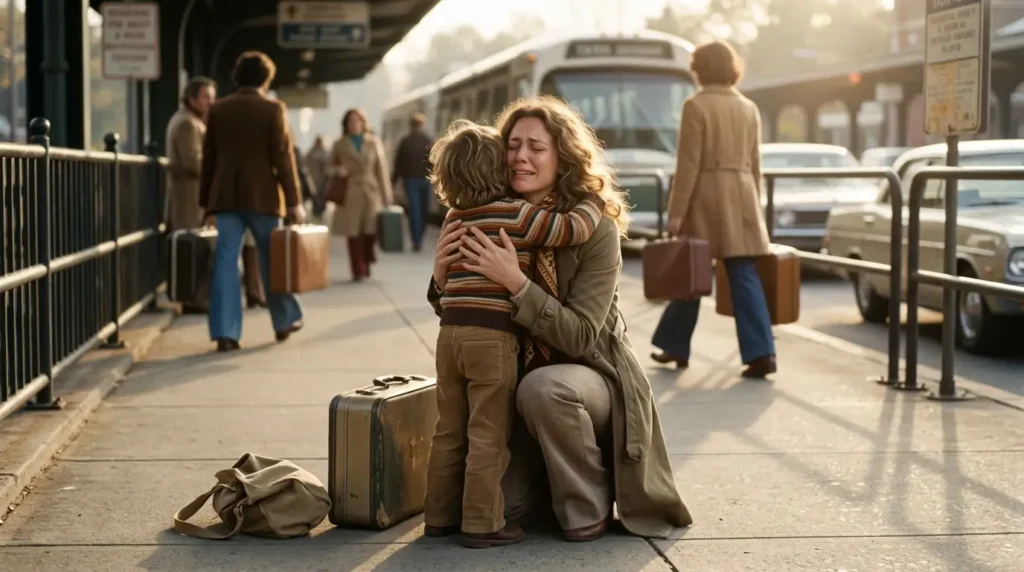
The song never explicitly tells us who will be reunited, or when and where that meeting will take place.
To me, it sounds less like an absolute certainty that reunion is possible and more like a deeply felt desire to believe that it is.
A song about sadness does not necessarily need a mournful melody. By setting these words to an upbeat reggae rhythm, Paul may have found a way to express the complicated coexistence of grief and hope.
A Lifelong Curiosity About Music
From Jamaica to Africa
After “Mother and Child Reunion,” Paul continued exploring different musical styles rather than remaining within any single tradition.
In 1973, he released “Kodachrome” and “Loves Me Like a Rock.” His 1975 album Still Crazy After All These Years included “50 Ways to Leave Your Lover,” which reached No. 1 in the United States in 1976.
Then, in 1986, he released Graceland, an album that drew extensively on African musical traditions through collaborations with South African musicians.
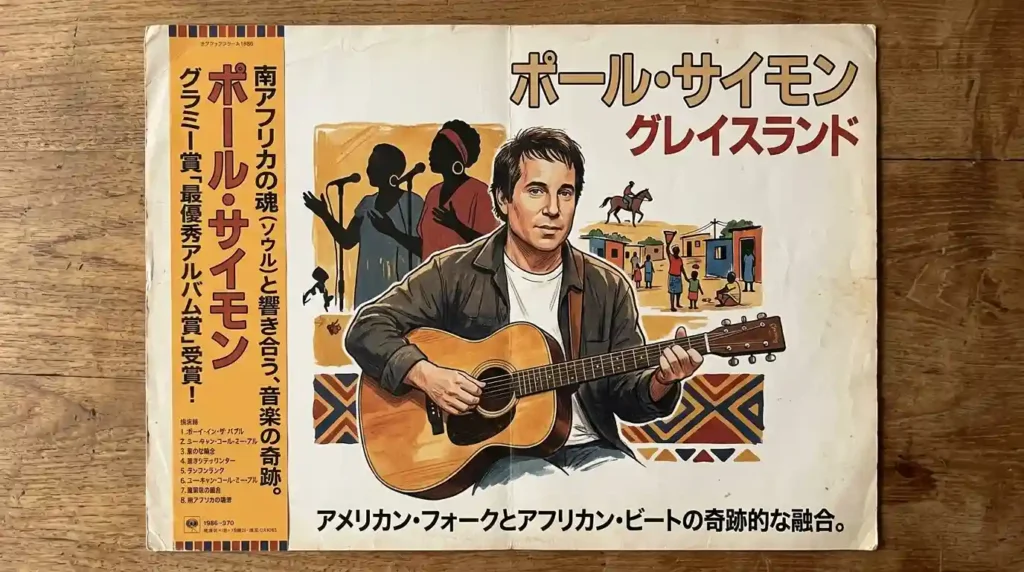
The album received widespread acclaim, although it also sparked controversy over its relationship to the cultural boycott of apartheid-era South Africa.
Fifteen years after recording in Jamaica, Paul was once again expanding the possibilities of popular music, this time through collaboration with African performers.
“Mother and Child Reunion” — A Defining Moment in Paul Simon’s Career
During his years with Simon & Garfunkel, Paul Simon had already established himself as an outstanding songwriter. But “Mother and Child Reunion” reveals another dimension of his artistry.
It is his ability to draw inspiration from a different musical culture without losing his own creative identity.
The rhythms created by Jamaican musicians blend with Paul’s unmistakable melodic style. The result is neither a simple imitation of reggae nor merely an extension of his earlier folk-rock work.
When I was a junior high school student, I enjoyed this song without knowing anything about its background. Yet even then, it already contained the promise of where Paul Simon’s musical journey would lead.
To me, “Mother and Child Reunion” marks an important turning point: the emergence of Paul Simon not simply as one half of Simon & Garfunkel, but as an artist capable of transforming musical influences from around the world into something distinctly his own.

音楽ファン同士の交流・リクエストはこちら / Connect & Request Songs Here