- 🎧 Listen to This Article
- 1960s America and My Childhood
- Two Boys Who Grew Up in Queens
- A New Beginning Under Their Real Names
- The Turning Point That Occurred in Their Absence
- A Golden Age That Paralleled My Childhood
- How The Graduate Expanded Their World
- From the Music of Youth to Music About Life
- 1970: Growing Apart at the Height of Success
- Discovering Simon and Garfunkel in Junior High School
- The Individual Qualities Revealed by Their Separation
- The Reunion in Central Park
- A Relationship of Reunions and Conflict
- Why Their Music Never Grows Old
- 🌹 A Prologue to My Personal Top 10
🎧 Listen to This Article
This narration introduces the story of Simon and Garfunkel and the personal memories connected to their music.
It is recommended for listeners who would like an overview of their history, musical appeal, and the flow of the article before reading.
🎵 English Narration
An English audio introduction to the content of this article.
🎶 Japanese Narration
A Japanese audio introduction to the content of this article.
Listening first will make it easier to understand the story of Simon and Garfunkel and the overall direction of the Top Ten series.
1960s America and My Childhood
I am about to begin My Personal Top 10 Simon and Garfunkel Songs.
The years in which Simon and Garfunkel left their greatest mark on music history coincided with the period when I was growing up in my hometown of Tsukumi, moving from kindergarten into elementary school.
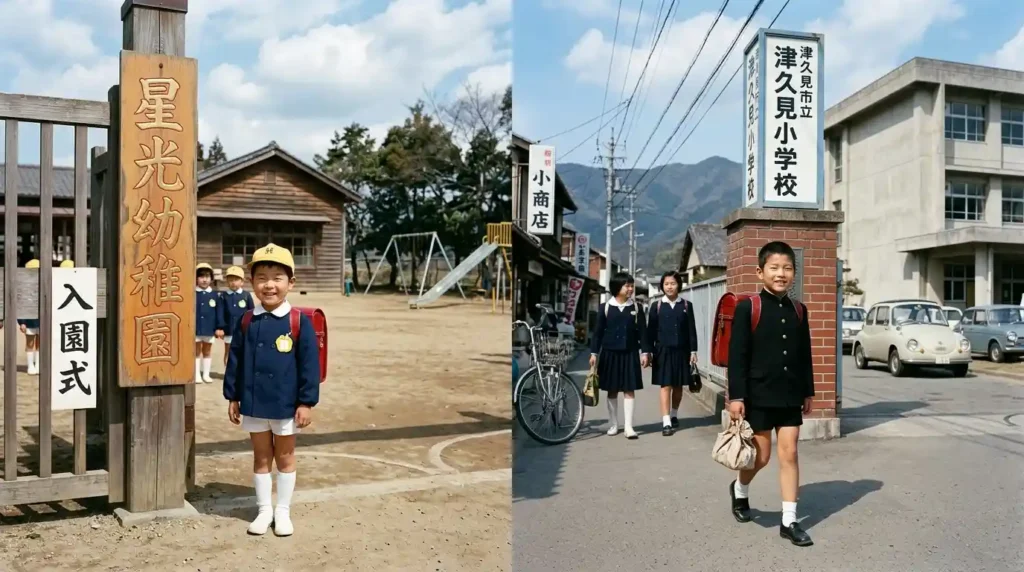
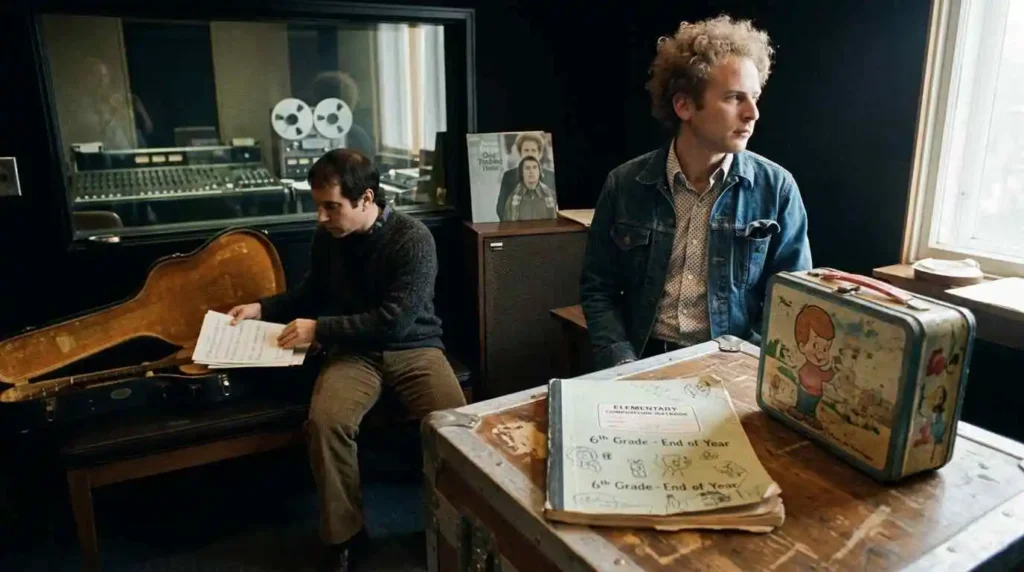
I entered elementary school in 1965, and by 1970, when the duo reached the height of their success, I was in the sixth grade. At the time, of course, I knew nothing about the changes taking place in American society or the emergence of folk rock.
There was an enormous geographical and cultural distance between a boy living in a small Japanese city and two musicians setting out from New York to reach audiences around the world.
Looking back now, however, I realize that while I was advancing from one school year to the next, Paul Simon and Art Garfunkel were also creating new works and deepening their musical expression.
Tracing their history is not only a way of looking back at America in the 1960s. It also reconnects my own childhood with the wider world of that era.
The civil rights movement, the Vietnam War, the rise of youth culture, and resistance to established values were shaking American society. Popular music was also moving beyond entertainment and becoming a means of expressing social unease and the private feelings of individuals.
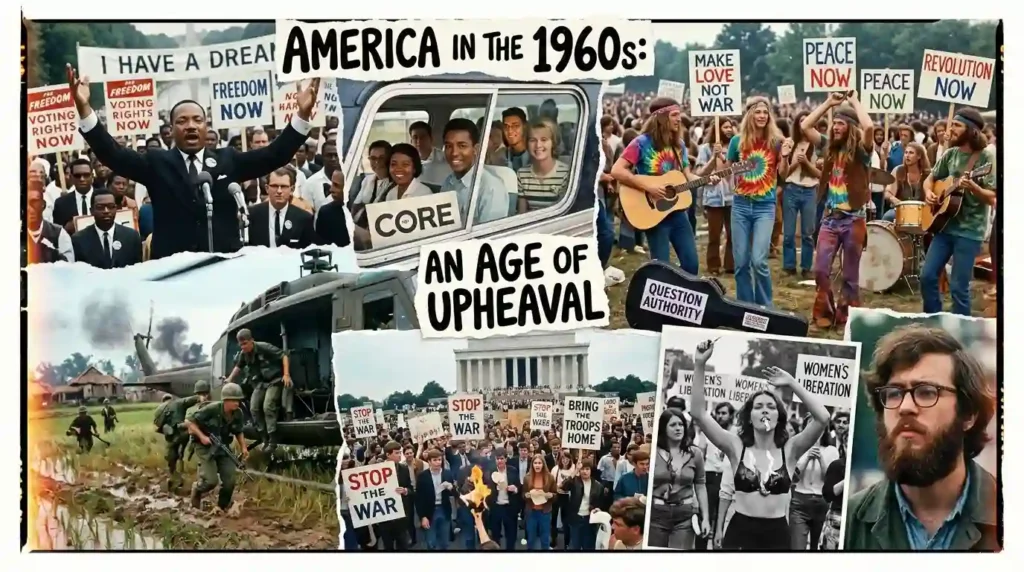
Into that changing age came Paul Simon and Art Garfunkel, reaching deeply into people’s hearts through delicate words, graceful melodies, and closely woven harmonies.
Two Boys Who Grew Up in Queens
A Lifelong Relationship That Began at School
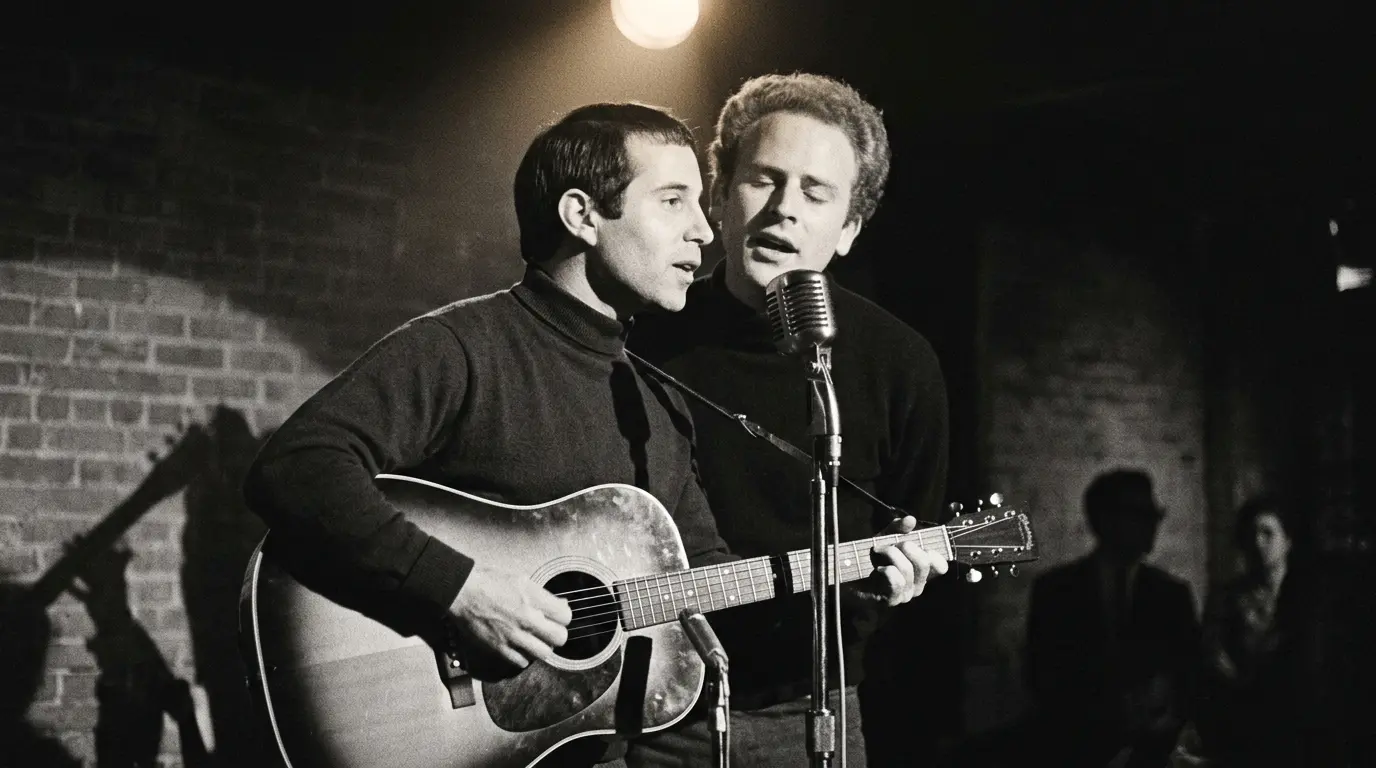
Paul Simon and Art Garfunkel were both born in 1941. Paul was born in Newark, New Jersey, and later grew up in Queens, New York City. Art was born and raised in Forest Hills, Queens.
They attended schools in the same area and became friends after appearing together in a school play. Before long, Paul was playing guitar, and the two began singing together, inspired by the Everly Brothers.
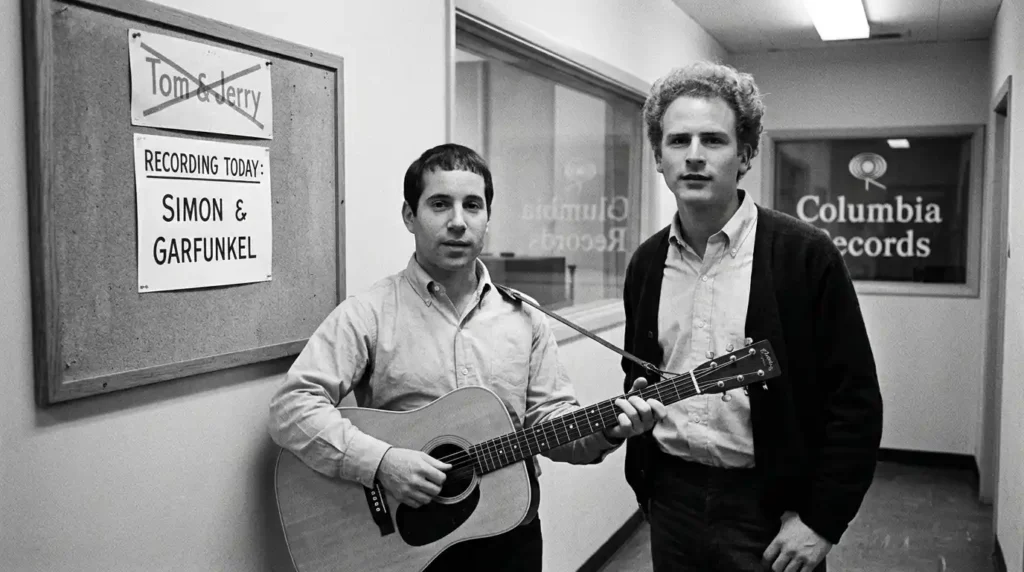
In 1957, when they were only fifteen, they made their recording debut under the name Tom and Jerry. Paul used the stage name Jerry Landis, while Art called himself Tom Graph.
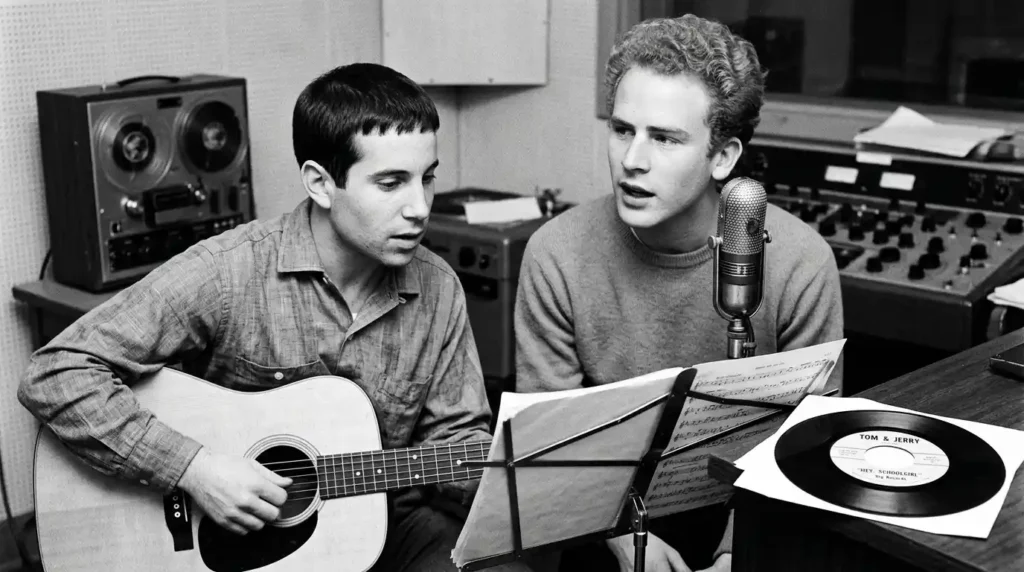
Their first single, “Hey, Schoolgirl,” reached number forty-nine on the American pop chart, and the pair also appeared on television. Their later releases failed to achieve the same success, however, and both went on to university while continuing to pursue music under separate names.
Affection and rivalry coexisted in the relationship that had begun during their childhood. Because each understood the other’s talent, they needed one another while also wanting their own abilities to be recognized. That relationship became a creative force, but it also made it difficult for them to remain together for long.
A New Beginning Under Their Real Names
1964, When I Was in Kindergarten
In the early 1960s, the American folk revival was gathering momentum.
Performers such as Bob Dylan and Joan Baez expressed social concerns and personal emotions through simple accompaniment and direct language.
Paul and Art began working together again, this time abandoning their childhood stage names and performing under their real names, Simon and Garfunkel.
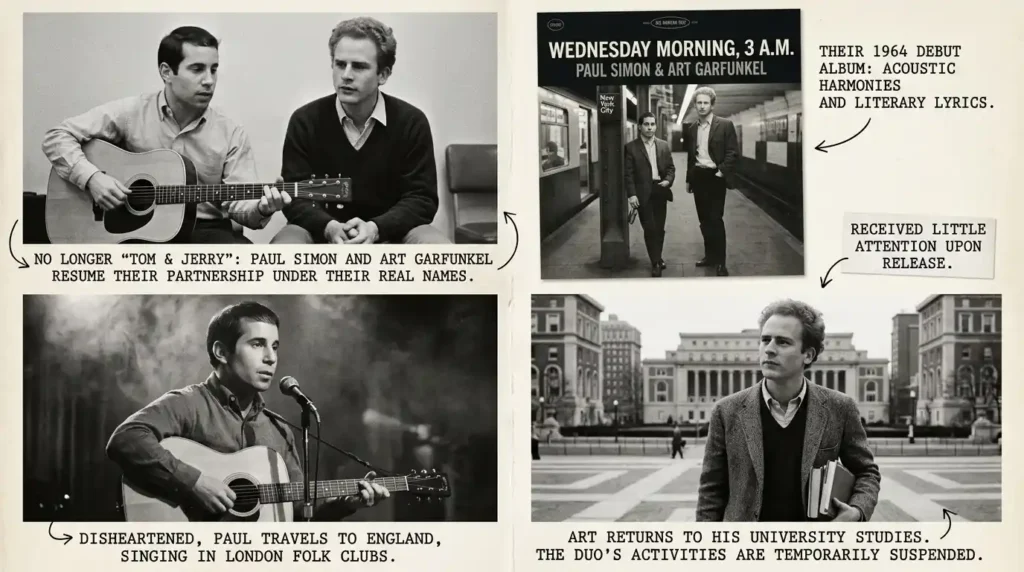
In 1964, they released their first album, Wednesday Morning, 3 A.M. Built around acoustic guitar and vocals, the record already revealed Paul’s literary songwriting and Art’s clear, luminous voice. At the time of its release, however, it attracted little attention.
Disappointed, Paul moved to Britain and performed in folk clubs around the country. Art returned to his university studies, and their work as a duo came to a temporary halt.
The Turning Point That Occurred in Their Absence
1965, the Year I Entered Elementary School
In 1965, I entered elementary school. That same year, an event in America changed the destiny of the two musicians, whose partnership had been suspended.
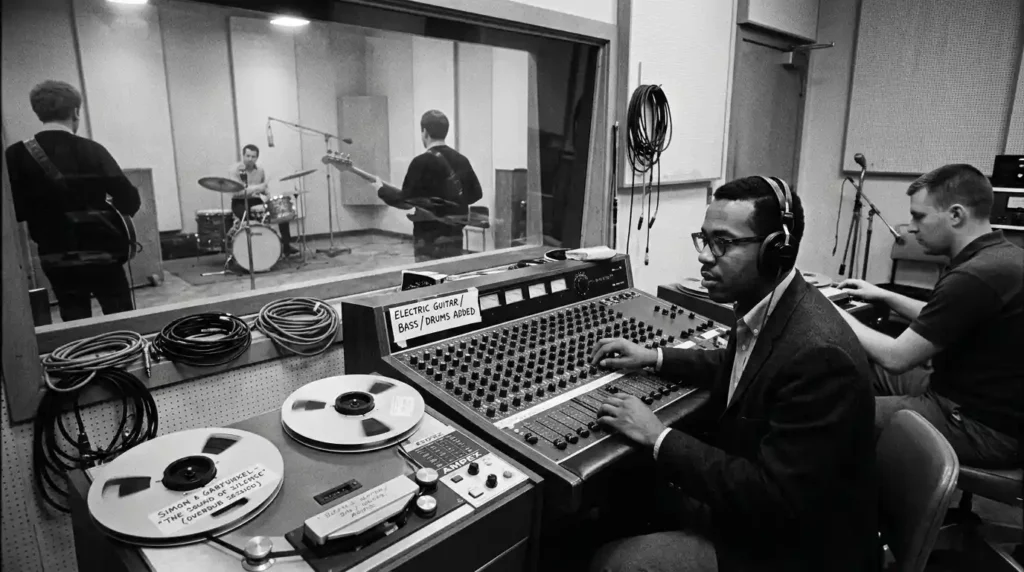
Producer Tom Wilson added electric guitar, bass, and drums to a recording from their debut album.
A new musical movement was emerging, combining the words of folk music with the sound of rock. Wilson recognized that possibility within their quiet acoustic recording. Neither Paul nor Art was present when the new arrangement was created.
When the revised recording began receiving radio airplay, young listeners responded enthusiastically, and the song eventually reached number one on the American chart.
Just as they appeared ready to follow separate paths, an arrangement created without their knowledge called them back into the center of popular music.
Paul returned to America and resumed working with Art.
A Golden Age That Paralleled My Childhood
Music That Changed as I Advanced Through School
In 1966, I was in the second grade. In 1967, I was in the third grade, followed by the fourth grade in 1968 and the fifth grade in 1969.
During those years, Simon and Garfunkel released a succession of important works and grew into one of America’s leading musical duos.
Their music gradually moved beyond the limits of straightforward folk. Paul Simon’s lyrics began to address not only love but also urban alienation, people who had lost their place in society, and anxiety over the passage of time.
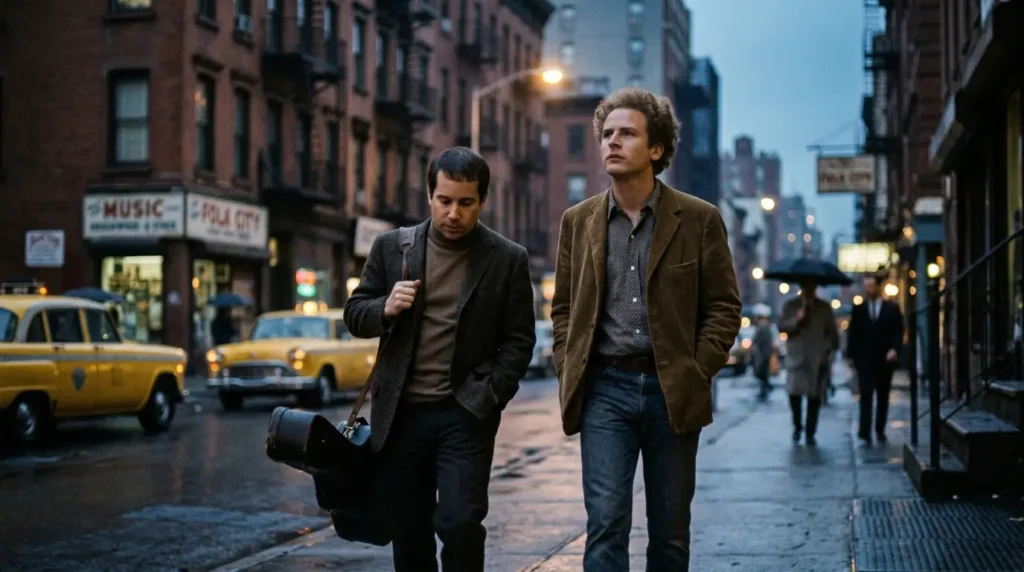
Rather than explaining social issues directly, Paul presented them through the scenes observed by individual people and the emotions hidden within them. Art Garfunkel’s voice gave those words transparency and breadth. When their contrasting voices came together, they created the distinctive depth and shading of Simon and Garfunkel’s music.
As an elementary school student, I was not consciously following their musical development. Even so, discovering that their major works were created during the same years as my own childhood makes that distant musical history feel connected to my life.
How The Graduate Expanded Their World
1967, When I Was in the Third Grade
In 1967, Mike Nichols’s film The Graduate was released.
Its protagonist has completed university but has no confidence in his future and feels uncomfortable with the society created by the adults around him. His uncertainty reflected the anxiety and frustration felt by many young Americans at the time.
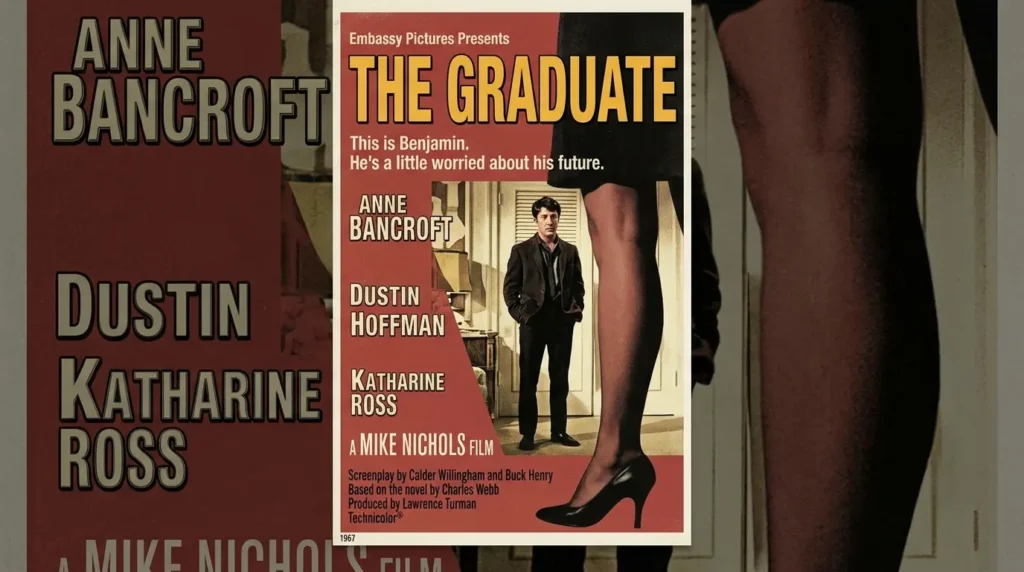
Simon and Garfunkel’s “The Sound of Silence”, used in the film, did not explain the characters’ emotions directly. Instead, it allowed their unspoken emptiness to resonate from within the images.
The Graduate demonstrated to audiences around the world the emotional power created when their music was joined with film.
I was only in the third grade at the time, far too young to understand the protagonist’s confusion or the background of New Hollywood cinema. Later, as I moved through junior high school, high school, and university and began thinking about my own future and career, I came to understand that the anxiety expressed in the film and its music did not belong only to a distant country.
From the Music of Youth to Music About Life
Two Young Men Who Wrote About Aging and Time
On the 1968 album Bookends, the feelings of youth were joined by broader themes of aging, memory, loss, and the brevity of life.
It is remarkable that two men still in their twenties looked toward an older generation and wrote about the things that time gradually takes away.
When we are young, we may understand aging and the weight of time as ideas, but it is difficult to accept them as personal realities.When we return to the same music later in life, however, words and sounds we once overlooked can remain deeply in our hearts.
Listening again in my sixties to music created during my childhood, I now hear aging, separation, and lost time reflected in my own life, although these were once things I could only imagine.
During this period, the duo also made increasingly sophisticated use of recording technology, carefully shaping the placement of instruments and the use of reverberation. Having begun with acoustic guitar and voices, they transformed the recording studio itself into a means of expression.
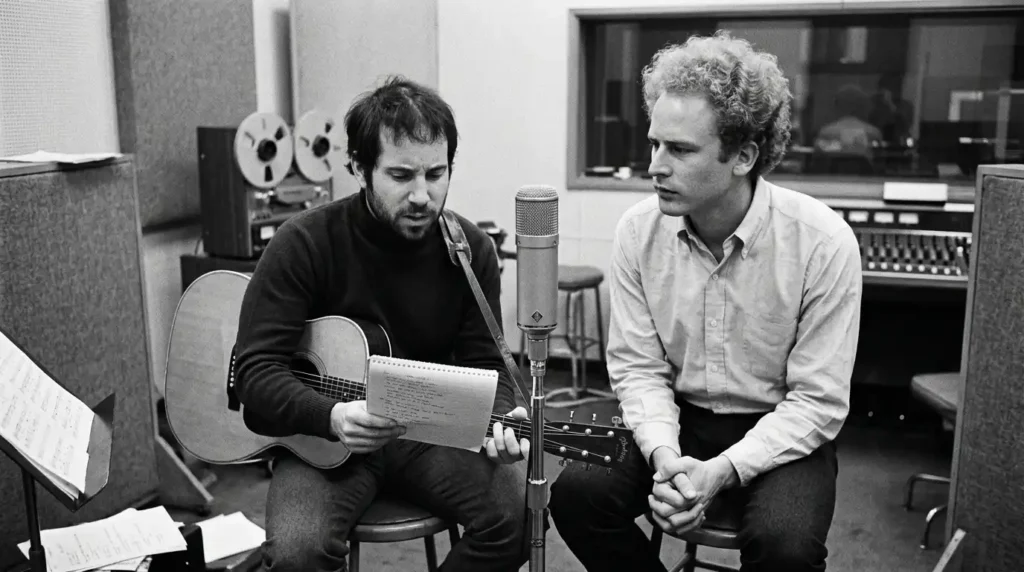
At the same time, the more accomplished their music became, the greater the tension between them grew. Paul wrote the songs and composed the music, while Art’s outstanding singing helped bring each recording to completion. They needed one another, but their differing views of their roles and recognition gradually widened the distance between them.
1970: Growing Apart at the Height of Success
The Year I Was in the Sixth Grade
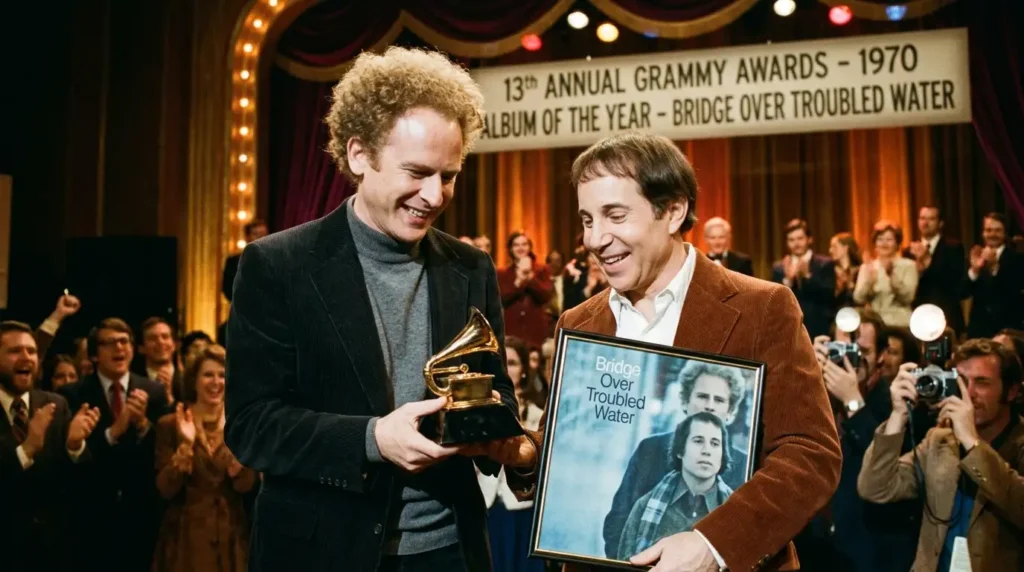
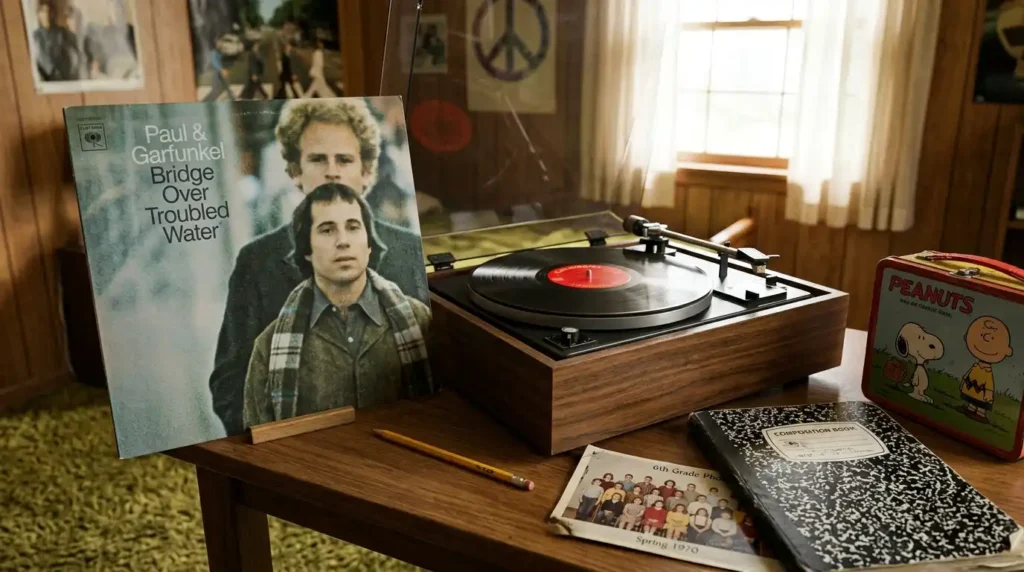
As I approached the end of elementary school, Simon and Garfunkel released their fifth studio album, Bridge Over Troubled Water, and reached the height of their worldwide success.
The album won the Grammy Award for Album of the Year. Based in folk rock, it incorporated a wide range of elements, including gospel, rock, pop, Latin music, and orchestral arrangements.
Behind that brilliant achievement, however, their relationship was approaching its limit.
Art was spending increasing amounts of time away from music while working as an actor in films. Paul was frustrated by the pace of production and the imbalance in their responsibilities, while Art also had complicated feelings about his position and their relationship.
Their partnership did not end because of a single decisive incident. More likely, tensions that had accumulated since childhood could no longer be contained at the height of their success.
At the moment of their greatest achievement, continuing along the same path had become difficult.
After Bridge Over Troubled Water, Simon and Garfunkel’s continuing work as a duo effectively came to an end, and both followed separate paths. The conclusion of my elementary school years coincided with the end of the first major chapter of their career.
Discovering Simon and Garfunkel in Junior High School
Listening Deeply in the Early 1970s
In 1971, I entered Tsukumi Daiichi Junior High School.
It was during these junior high school years that I first heard Simon and Garfunkel. I believe I was probably in my first year, although I no longer remember the exact time.
I listened to one major song after another and was drawn deeply into their beautiful melodies and a quiet emotional depth unlike anything I had heard before.
At the time, I could not fully understand the English lyrics. Even so, I listened intently to the moments when their voices came together, the shadows created by the acoustic guitar, and the loneliness and openness that filled each song, reaching me beyond the literal meaning of the words.
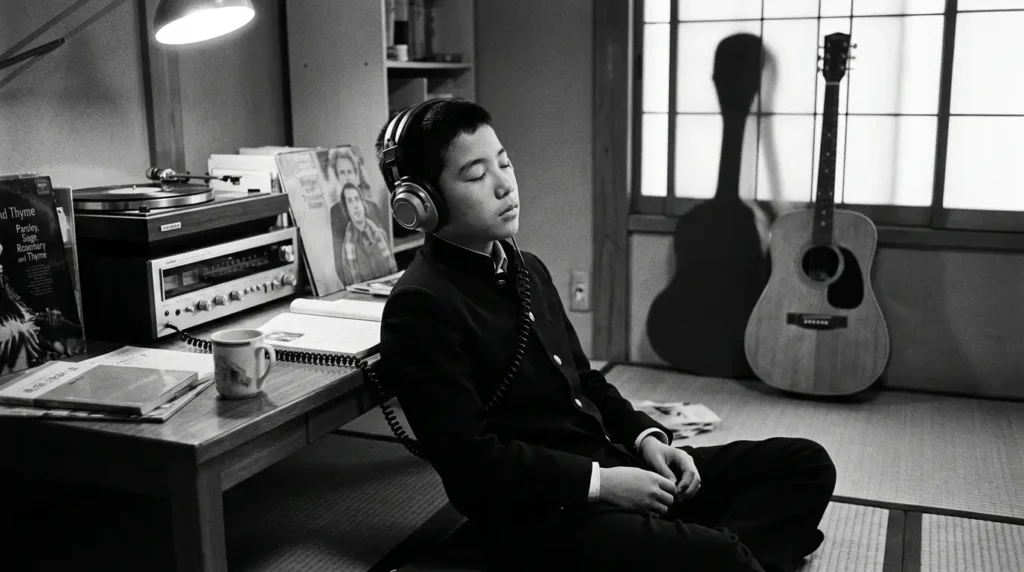
By the time I discovered their music as a junior high school student, Paul and Art had already begun following separate paths. I did not experience their new releases as they appeared. Instead, I encountered music created a few years earlier as it continued to be heard in Japan through radio broadcasts and records.
Their music was created during my elementary school years, but it was not until junior high school that it entered my heart and became music that felt like my own.
As I moved through junior high school, high school, and university, my way of listening gradually changed. At first, I was attracted mainly by the melodies and harmonies. Later, as I learned more about the lyrics and their historical background, I became more aware of the loneliness, separation, departure, and passage of time within the songs.
Now, in my sixties, I listen again to the music that captivated me in junior high school. The songs are the same, but what remains in my heart is different from what I felt as a boy.
Even so, the sensation has never disappeared: a song begins quietly and, before I realize it, has entered the deepest part of my heart. That was the kind of musical encounter Simon and Garfunkel gave me.
The Individual Qualities Revealed by Their Separation
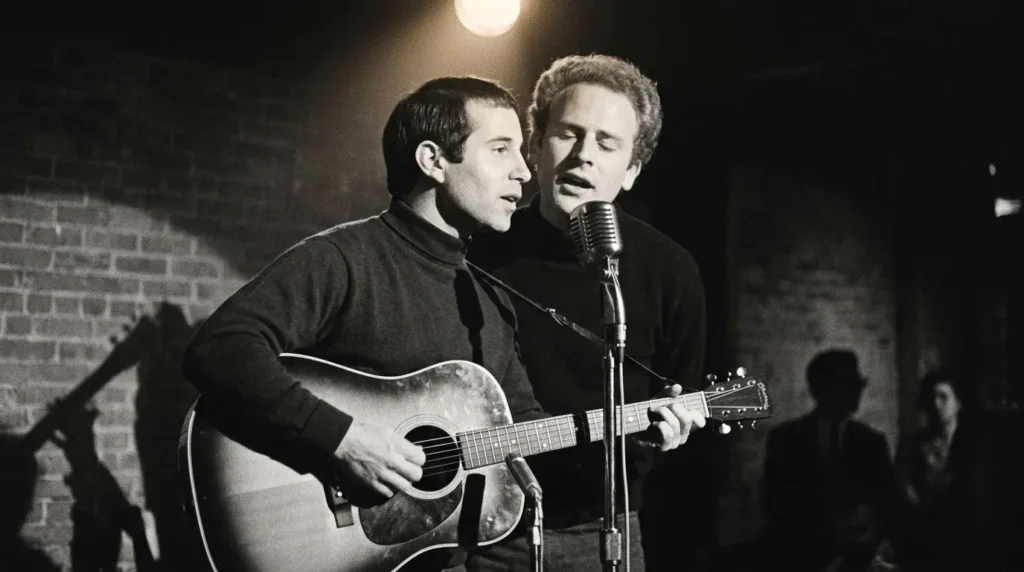
After their work as a duo ended, Paul Simon established his own path as a singer-songwriter. Moving beyond American folk and rock, he continued to renew his music by incorporating rhythms from reggae, gospel, South American music, African music, and many other traditions.
Art Garfunkel also released solo recordings and appeared in films as an actor.
Their separate careers made the nature of Simon and Garfunkel’s partnership even clearer.
Paul had the ability to create words, melodies, and rhythms and to construct the framework of a song. Art had the ability to give that song transparency and breadth and to make the human voice resonate like a landscape.
Each was an outstanding musician in his own right. Yet when they stood together, they created an expression that cannot be explained simply by adding their separate talents.
The Reunion in Central Park
1981: Before a Vast Crowd in Their Native New York
Even after they stopped working together regularly, the two occasionally appeared on the same stage.
The most important of these events was the free concert held in New York’s Central Park on September 19, 1981. By coincidence, that was also the year I began my working life.
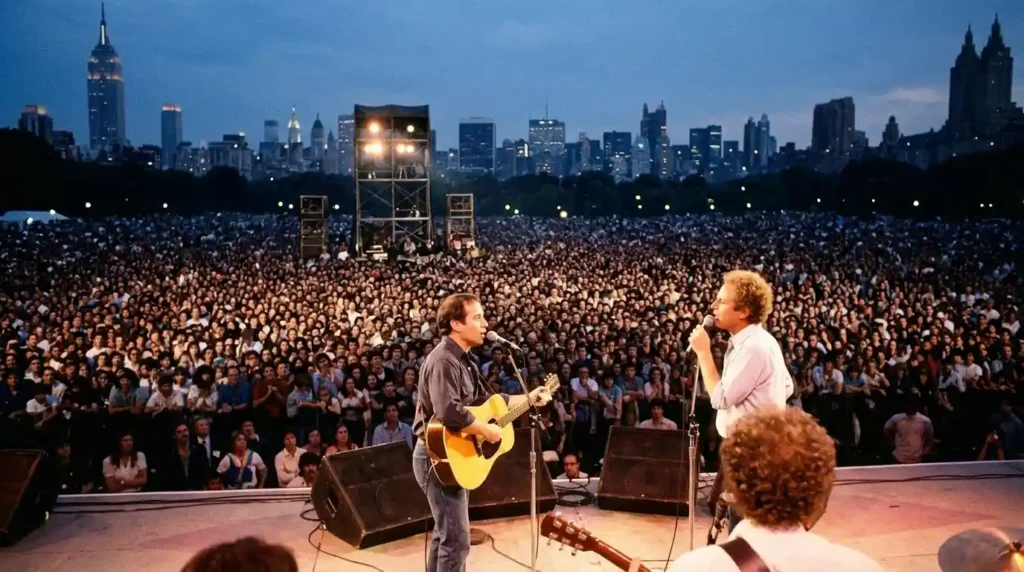
New York City was experiencing serious financial difficulties, and Central Park needed support for its maintenance and restoration. Two musicians who had grown up in New York appeared together at an event intended to help restore the park.
The audience was estimated at approximately five hundred thousand people.
Two boys who had met at school in the same neighborhood were now singing again, many years later, before an enormous crowd in their hometown. The scene represented more than an attempt to repeat their earlier success.
It was a night when the city of New York, the generation that had lived through the 1960s, and the music of two men who had followed separate paths came together once again.
The concert was preserved as both a live album and a film and received an enormous response. Work later began on a possible new recording, but a stable reunion did not follow.
A Relationship of Reunions and Conflict
In 1990, Simon and Garfunkel were inducted into the Rock and Roll Hall of Fame.
In 2003, they received the Grammy Lifetime Achievement Award and performed together at the ceremony. That reunion led to a major concert tour, giving audiences around the world another opportunity to hear them sing together.
Even so, their relationship never became stable. They could smile together onstage, only for distance to return after disagreements about the past or comments made by one of them. Respect, affection, rivalry, and resentment remained intertwined across the decades.
It would not be accurate to portray them as ideal lifelong friends. At the same time, it would be equally misleading to dismiss them simply as two men who did not get along.
I believe theirs was an exceptional relationship: each understood the other’s talent deeply and continued to be challenged and inspired by it.
Why Their Music Never Grows Old
Simon and Garfunkel are often introduced as a duo known for their beautiful harmonies.
That description is not wrong. Yet the beauty of their voices alone cannot explain why their music has continued to be heard for more than half a century.
They wrote about people who wanted to connect with someone but could not find the right words, people who had lost their place in society, and people standing helplessly before the passage of time.
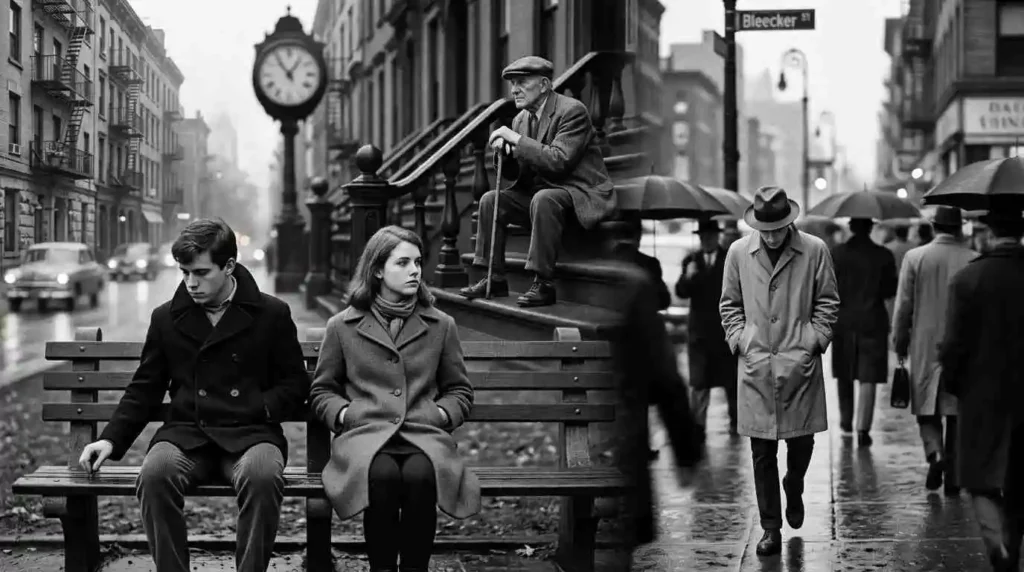
Those feelings did not belong only to the 1960s. Even today, when technology allows us to connect instantly with people around the world, complete understanding between human beings remains difficult.
As listeners grow older, they also begin to hear loss and the weight of time in songs whose deeper meanings may have escaped them in their youth.
I first heard Simon and Garfunkel when I was in junior high school. Later, I attended high school in Saiki, moved to Tokyo for university, and spent many years in working life.
At each stage of my life, what I heard in the same songs changed, and meanings I had not noticed when I was young gradually became visible.
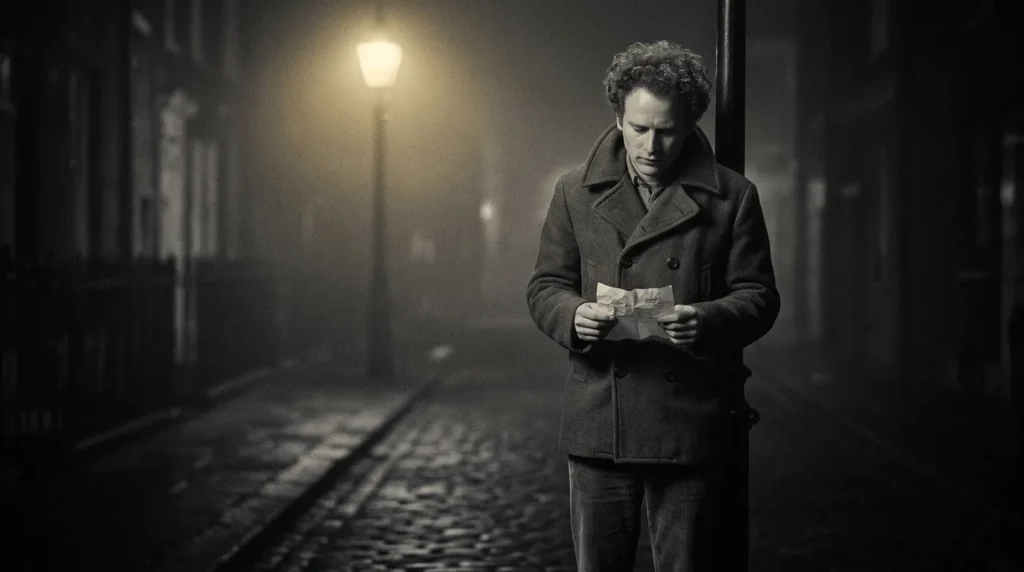
Their music does not simply erase human loneliness. Through words and melody, it allows us to look quietly and honestly at that feeling.
🌹 A Prologue to My Personal Top 10
Some aspects of Simon and Garfunkel’s music have moved me ever since I first heard them. Others have only become clear after I grew older.
These are ten songs I have chosen again as I am today, considering not only their beautiful melodies and harmonies but also the loneliness, separation, passage of time, and misunderstandings between people that lie beneath them.
In My Personal Top 10 Simon and Garfunkel Songs, I will introduce each song individually, exploring the background of its creation and the reasons it has continued to attract me.
Let us now retrace the music of Simon and Garfunkel, music that has never lost its power despite the passing of so many years.
音楽ファン同士の交流・リクエストはこちら / Connect & Request Songs Here