- 🎬 Watch the Article Overview
- The History of Kobukuro, Part 1: The Story of Two Voices That Began on the Streets of Sakaihigashi
- The Indie Years: Support That Grew from the Street
- Major Debut: The Door Opened by “YELL: Yell” and “Bell”
- The Leap to a Nationally Loved Duo: “Koko ni Shika Sakanai Hana” and “Sakura”
- ALL SINGLES BEST and “Tsubomi”: Toward the Peak in 2006 and 2007
- The History of Kobukuro, Part 2: Big Stages, Hiatus, Return, and the Unchanging Core of Their Songs
- The 2011 Hiatus and the 2012 Return
- The Expansion After Their Return: Dome Concerts, the Olympics, and Film Theme Songs
- After the 20th Anniversary: Returning to the Origin and the Power of Continuity
- Final Chapter: Kobukuro as Songs That Return at Life’s Turning Points
🎬 Watch the Article Overview
This short video provides a five-minute overview of Kobukuro’s formation, the contrast between their two voices, their major songs, their hiatus and return, and my family memories.
The video introduces the overall structure and main points of the article. Please continue to the full text below for the complete story, detailed episodes, and my personal reflections.
🌎 English Article Overview
This video presents Kobukuro’s story and the overall structure of the article in English.
This video is intended to provide a concise overview of the article. Please continue with the full text below for the detailed background, individual episodes, and my personal reflections.
This video was created with NotebookLM based on this blog article.
The History of Kobukuro, Part 1: The Story of Two Voices That Began on the Streets of Sakaihigashi
The first time I heard the name Kobukuro was when my daughter said, “I’m going to a Kobukuro concert.”
I think she was still in high school at the time. I also remember that my wife drove her to and from their concert in Usuki, Oita, in December 2003. Back then, my reaction was simply, “Kobukuro? What a strange name.” Looking back now, I feel that my daughter’s ears may have caught the power of their songs much earlier than mine did.
In this “My Personal Top 10 Kobukuro Edition,” I would like to look not only at the ranking of their songs, but also at how the two voices that began on the streets of Sakaihigashi have continued to resonate across the years.
Kobuchi Kentaro and Kuroda Shunsuke, Two Singers Who Met Through Street Performances
Kobukuro is a male duo formed by Kobuchi Kentaro and Kuroda Shunsuke.
Kobuchi Kentaro was born on March 13, 1977, in Miyazaki Prefecture. Kuroda Shunsuke was born on March 18, 1977, in Osaka Prefecture.
The two did not meet in a glamorous audition room or inside a major entertainment agency. Their origin was the street in Sakaihigashi, Osaka. Through street performances, the two were drawn to each other’s voices and musical attitude, and they formed Kobukuro in September 1998.
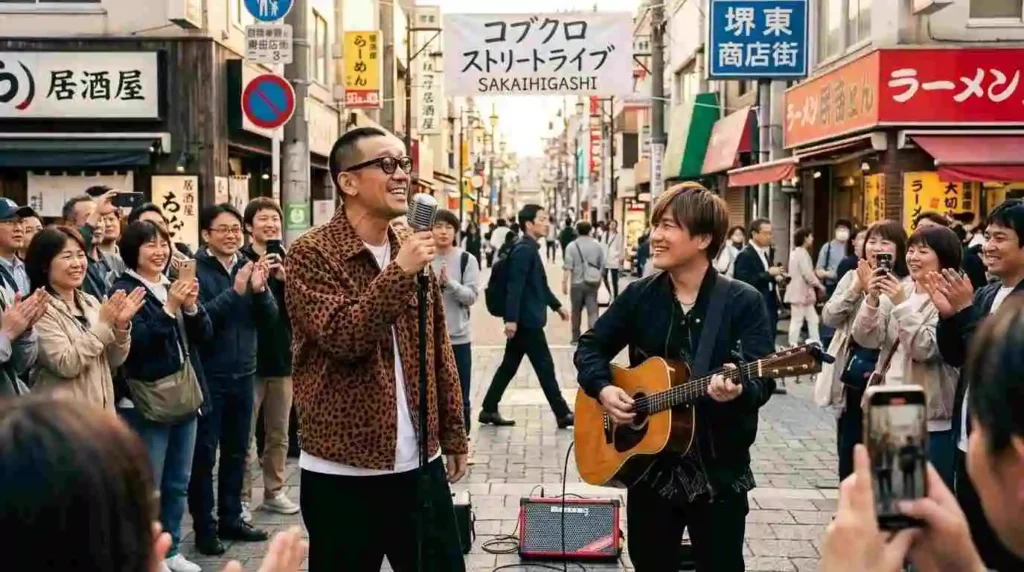
The name “Kobukuro” comes from combining “Kobu” from Kobuchi and “Kuro” from Kuroda. The simple and memorable name reflects the closeness between the two and the unpretentious nature of their music.
A Duo Whose Vocal Roles Were Clear from the Beginning
Kobukuro’s appeal cannot be summed up simply by calling them “a duo of two great singers.” Kuroda Shunsuke’s voice is big, deep, and straight, reaching directly into the listener’s chest. Kobuchi Kentaro’s voice is delicate, soft, and capable of placing emotion into the details of a melody.
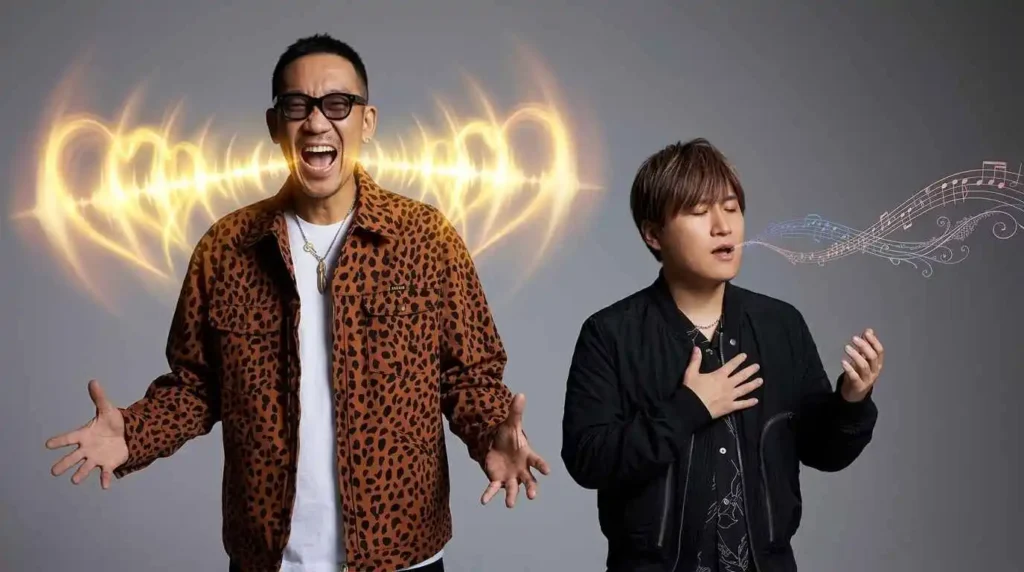
These two voices face the same direction, yet they never become the same color. Kuroda stands at the center of the song, while Kobuchi supports the words and melody, adding his voice when the song needs it. That relationship gave Kobukuro’s music its distinctive depth.
The street is a place where the reaction of listeners comes back immediately.
Some people stop, some pass by, and some simply listen while walking. Singing in front of all of them gave Kobukuro both the power to reach someone far away and the ability to speak to one person standing right in front of them.
The Indie Years: Support That Grew from the Street
Trust Built Through Handmade Effort
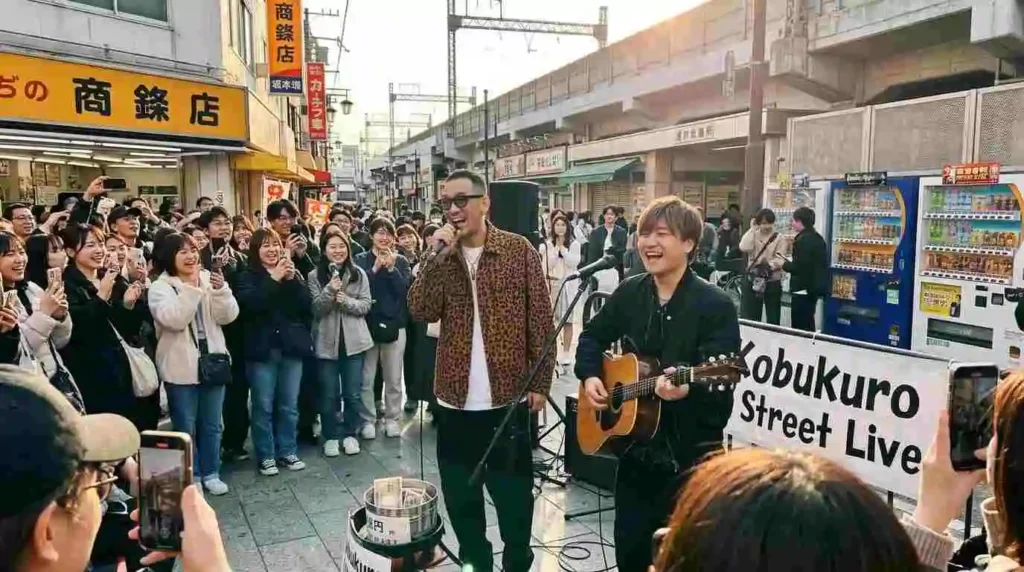
After their formation, Kobukuro gradually increased their audience through steady live performances. They did not rely on large promotional budgets or flashy media exposure; instead, they expanded their support by delivering the songs themselves. That is where the strength of their starting point can be found.
For Kobukuro at this time, street performances were not merely a period of apprenticeship. They were a practical training ground where the duo polished their songs, confirmed the harmony of their voices, and measured the distance between themselves and their listeners. The reason they were accepted by a wide range of generations from their indie days was rooted in this real-life experience.
Kobukuro’s early songs often dealt with universal themes such as dreams, farewell, departure, friendship, and hope. Yet these themes were not expressed through exaggerated words. They were sung as emotions that existed within everyday life. That is why many people found it easy to place their own experiences inside those songs.
Major Debut: The Door Opened by “YELL: Yell” and “Bell”
The Beginning with Warner Music Japan in 2001
In March 2001, Kobukuro made their major debut with “YELL: Yell” and “Bell” from Warner Music Japan.
“YELL: Yell” is an encouraging song that symbolizes Kobukuro’s early period. For people standing at a turning point in life, it does not forcefully push them forward. Instead, it sounds like something that gently helps them face ahead. That warmth would be carried on into their later signature songs.
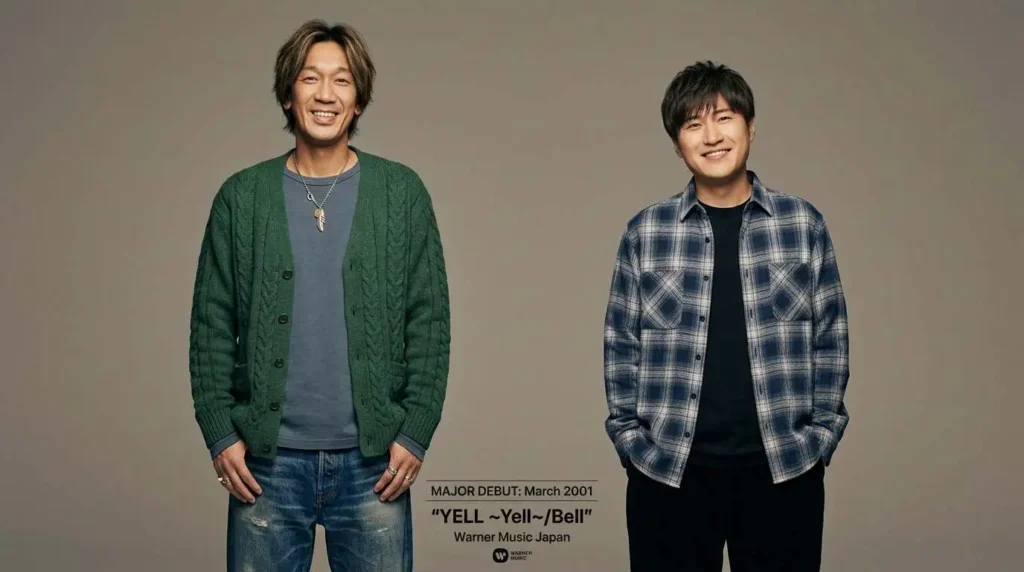
In the following song, “Wadachi,” meaning “Tracks,” Kobukuro expressed a forward-looking message by connecting the path already walked with the road ahead. Their music was not made to erase sadness. It was music that quietly pushed the back of someone who kept walking while still carrying sadness.
Early Lyricism Leading to “Kaze” and “Yuki no Furanai Machi”
Around 2002, Kobukuro carefully depicted not only the brightness of youth, but also the shadows of farewell and loneliness. “Kaze,” meaning “Wind,” and “Yuki no Furanai Machi,” meaning “The Town Where Snow Does Not Fall,” contain a gaze fixed on time that has passed.
Compared with their later major hits, the songs from this period may feel quiet. However, the three pillars of their music were already clear: the persuasive power of their voices, the familiarity of their melodies, and the sincerity of their words. From immediately after their major debut, Kobukuro had already begun walking forward without greatly changing their core.
The Leap to a Nationally Loved Duo: “Koko ni Shika Sakanai Hana” and “Sakura”
The Narrative Power Shown by “Koko ni Shika Sakanai Hana”
In May 2005, Kobukuro released “Koko ni Shika Sakanai Hana,” meaning “A Flower That Blooms Only Here,” as the theme song for the Nippon TV drama Ruri no Shima. This song became an important work that greatly raised their public profile.
“Koko ni Shika Sakanai Hana” sings about the meaning of taking root in a particular place. Hope is not found only by going somewhere far away. There is irreplaceable value in blooming where one stands. That perspective matched the world of the drama and reached the hearts of many listeners.

“Sakura” Became One of Kobukuro’s Defining Songs
Released in November 2005, “Sakura,” meaning “Cherry Blossoms,” became widely known as one of Kobukuro’s signature songs. Since the song had been performed from their early days, the fact that it reached so many people after a long period of time also makes it special.
“Sakura” is not a song that simply celebrates the brightness of spring. Encounter, farewell, memory, and renewal overlap within a single landscape. The beauty of blossoms opening and the sadness of blossoms falling. The feeling of moving forward while holding both emotions expresses the essence of Kobukuro’s songs very well.
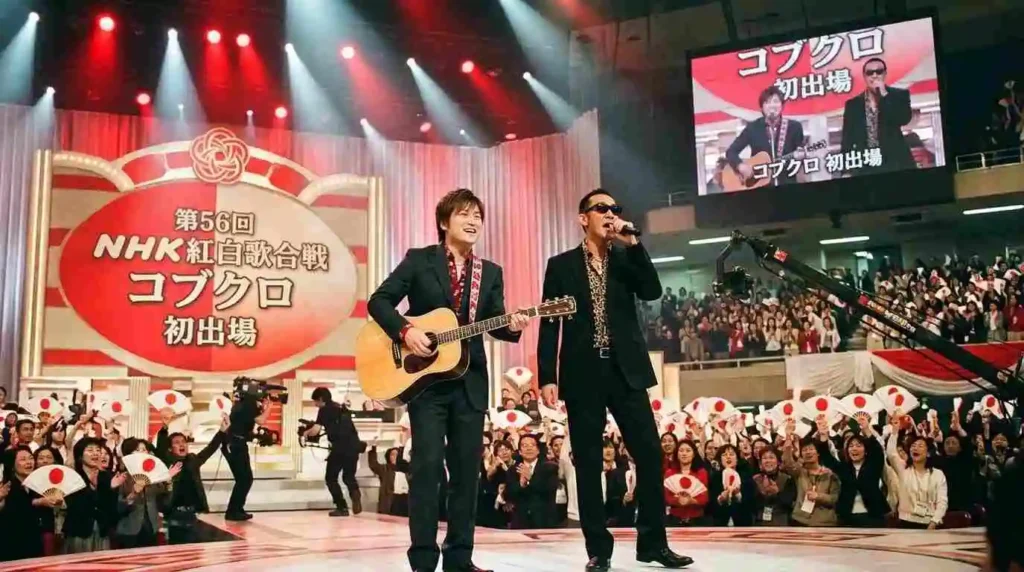
At the end of 2005, Kobukuro appeared on NHK’s Kohaku Uta Gassen for the first time. This was a major turning point, showing that they had moved from being supported by a certain group of music fans to becoming a nationally recognized duo.
ALL SINGLES BEST and “Tsubomi”: Toward the Peak in 2006 and 2007
Their First Best Album Opened a New Entrance
In September 2006, Kobukuro released their first best album, ALL SINGLES BEST. The album stayed at number one on the Oricon chart for four consecutive weeks and eventually exceeded 3.5 million copies in total sales.
The huge success of the best album became an opportunity for their earlier songs to be reevaluated all at once. “YELL: Yell,” “Wadachi,” “Kaze,” “Eien ni Tomo ni,” “Million Films,” “Koko ni Shika Sakanai Hana,” and “Sakura” reached many new listeners as a single work through which people could look back on Kobukuro’s journey.
The Highest Honor Brought by “Tsubomi”
In March 2007, “Tsubomi,” meaning “Bud,” was released as the theme song for the Fuji TV drama Tokyo Tower: Mom and Me, and Sometimes Dad. In December of the same year, “Tsubomi” won the 49th Japan Record Award.
“Tsubomi” quietly connects love for a mother, loss, gratitude, and rebirth. Rather than shouting emotion too strongly, the restrained words and expansive vocals convey deep sadness and warmth at the same time.
Through this song, Kobukuro changed from “a duo that sings good songs” into “a duo with a song that represents an era.” Their music reached the place where personal memories and collective memory intersect.
The History of Kobukuro, Part 2: Big Stages, Hiatus, Return, and the Unchanging Core of Their Songs
5296 and the Era of Large-Scale Live Performances
In December 2007, Kobukuro released their sixth original album, 5296. The title can be read as “Kobukuro” in Japanese number wordplay, making it a work that carries the name of the duo itself.
During this period, Kobukuro became a major presence not only in CD sales but also in live concert attendance. In 2010, they held their first stadium concerts, KOBUKURO STADIUM LIVE 2010, at Nagai Stadium in Osaka, Ajinomoto Stadium in Tokyo, and the Ikimenomori Sports Park Multipurpose Ground in Miyazaki, drawing a total of 220,000 people.
Even in the huge space of a stadium, Kobukuro’s songs did not become overly broad or vague. The scale to reach distant seats and the intimacy to speak to one person’s heart coexisted. That balance became one of the strengths of their live performances.
“Ryusei” and the Maturation of Their Ballad Expression
Released in November 2010, “Ryusei,” meaning “Meteor,” is a representative song from the period when Kobukuro’s ballad expression had matured. Compared with their early cheering songs and songs of youth, it portrayed emotional shadows more deeply, quietly depicting adult loneliness and longing.
Kobukuro’s ballads are not music made simply to move people to tears. They place light inside sadness and leave prayer inside farewell. Because of that structure, their songs have continued to be heard in many different scenes, including weddings, graduations, dramas, films, and everyday memories.
The 2011 Hiatus and the 2012 Return
A Period When They Chose to Stop
At the end of August 2011, Kobukuro announced a hiatus. For a duo that had continued to achieve major success, stopping their activities could not have been an easy decision.
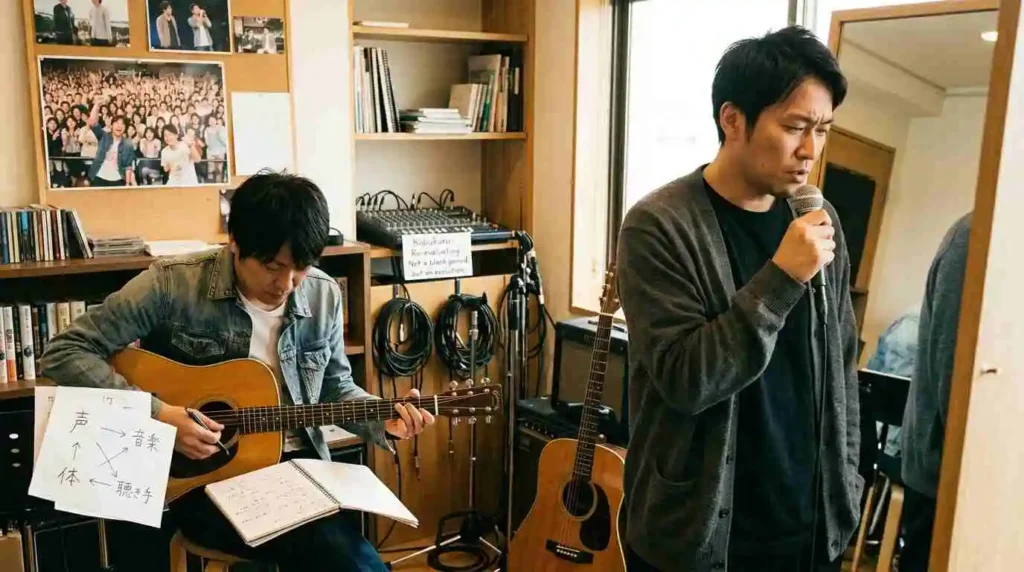
However, in order to keep singing for a long time, there are moments when stopping is necessary. In the history of Kobukuro, this hiatus was not merely an empty gap. It was an important period for the two to look again at their voices, bodies, music, and relationship with their listeners.
The Return Announcement and ALL SINGLES BEST 2
In July 2012, Kobukuro announced their return, and on September 5 of the same year, they released ALL SINGLES BEST 2. This best album exceeded one million copies, showing the size of the fan base that had been waiting for their comeback.
On September 9 of the same year, they held a free live concert at Expo ’70 Commemorative Park in Osaka, drawing 50,000 people. Seeing the two stand in front of an audience again and layer their voices proved that Kobukuro was not merely a collection of hit songs, but an existence supported by a long relationship of trust with their listeners.
The Expansion After Their Return: Dome Concerts, the Olympics, and Film Theme Songs
Their First Dome Concert and a New Scale
From May 2013, Kobukuro held their first tour in two years, KOBUKURO LIVE TOUR 2013 “One Song From Two Hearts.” On July 20 and 21, they performed their first dome concerts at Kyocera Dome Osaka.
The phrase “One Song From Two Hearts” in the tour title expresses the essence of Kobukuro very well. Two voices, two feelings, and two journeys reach the listener as one song. The structure that had remained unchanged since their formation was preserved even on a major stage.
“Ima, Saki Hokoru Hanatachi yo” and “Mirai”
In February 2014, the NHK Sochi Olympic and Paralympic broadcast theme song “Ima, Saki Hokoru Hanatachi yo,” meaning “Flowers Blooming Proudly Now,” was released as a recut single.
This song connects the effort of athletes facing competition with the brilliance that blooms in one brief moment of life.

In December 2015, Kobukuro released “Mirai,” meaning “Future,” as the theme song for the film orange. “Mirai” reached younger generations widely and once again showed that Kobukuro’s songs could be accepted across generations.
What matters here is that Kobukuro did not force themselves to change their appearance to match the times. Even as their songs were heard through changing media and works, they continued to keep “the feeling of one person thinking of another” at the center of their music.
After the 20th Anniversary: Returning to the Origin and the Power of Continuity
2018, the 20th Anniversary of Their Formation
In 2018, Kobukuro celebrated the 20th anniversary of their formation. Around this time, they also held a national tour performed only by the two of them, showing once again their attitude of returning to their origin.
A large band, grand staging, and large-scale venues. After experiencing all of those elements, returning to a performance by just the two of them held great meaning. In the end, Kobukuro’s music returns to “voices,” “songs,” and “words.”
From “Sotsugyo” to the Present
In 2020, they released “Sotsugyo,” meaning “Graduation,” once again facing the themes of farewell and departure that Kobukuro had long continued to sing about. The word “graduation” overlaps not only with school, but also with many turning points in life.
In 2021, they released Star Made, their first original album in five years. Even after a long career, Kobukuro has not stopped creating new songs, singing them, and delivering them to listeners.
In 2025, they released their first major-label mini album, THIS IS MY HOMETOWN, and in 2026, they marked the 25th anniversary of their major debut. In July 2026, the release of the double A-side single “Kasumi Biyori” and “Starry Smile Story” is also scheduled.
Final Chapter: Kobukuro as Songs That Return at Life’s Turning Points
Looking back on the history of Kobukuro, there is a consistent axis. Their path has expanded greatly from street performances to a major debut, major hits, the Japan Record Award, stadium concerts, hiatus, return, dome concerts, and anniversary projects.
However, the center of their music has not changed greatly from the beginning. Encouraging someone. Accepting farewell. Holding memories close. Quietly adding a song to the back of someone moving toward the future.
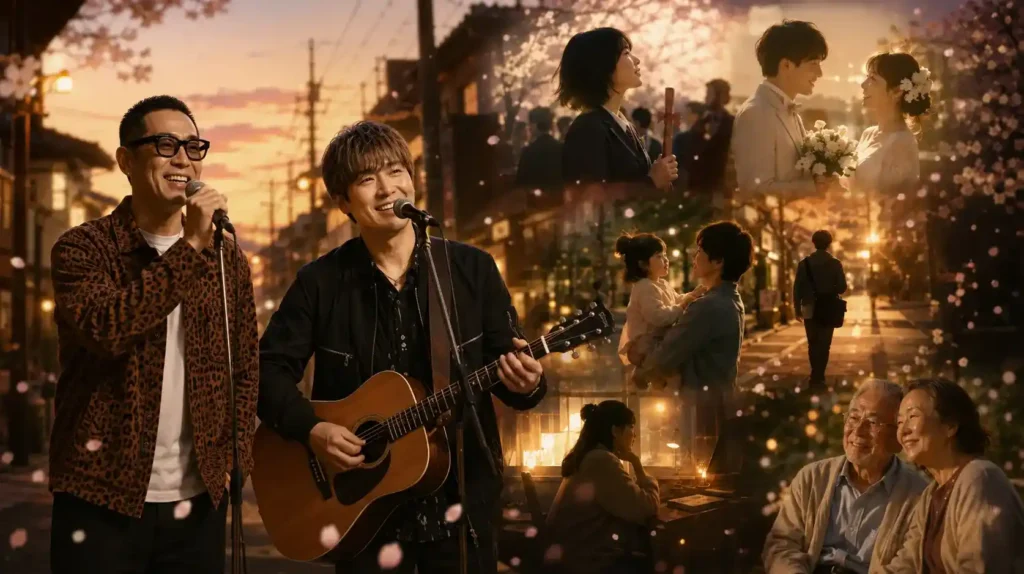
Kobukuro is not a duo that chases flashy trends. Rather, they have continued to create songs that quietly return at turning points in life. Graduation, departure, marriage, farewell, reunion, and prayer. In those scenes, Kobukuro’s songs come back to the heart.
The two voices that met on the street in Sakaihigashi have continued to echo beside someone’s life for more than a quarter of a century. Kobukuro is a rare duo that has not been swept away by the speed of the times, but has continued to sing about the unchanging parts of the human heart.

音楽ファン同士の交流・リクエストはこちら / Connect & Request Songs Here