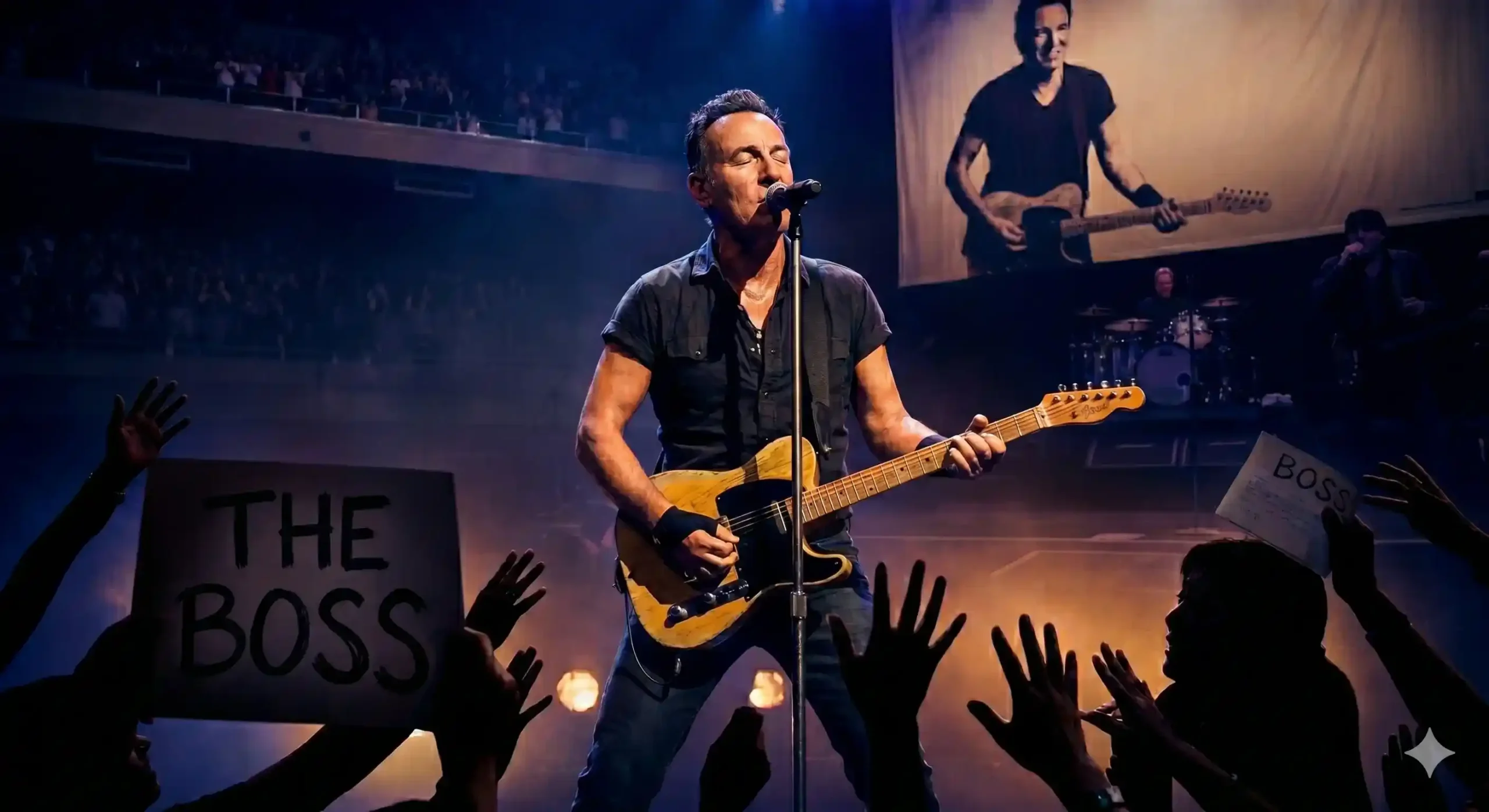
- 🎧 Enjoy This Article in Audio
- #5 is “Girls In Their Summer Clothes”
- First, please listen to the official audio on YouTube
- Why a 1970s Breeze Blew Through a 2007 New Release
- The Foundation of “Four Luxurious Years” Immersed in Music
- Song Analysis: Why Does This Song Sound “Nostalgic”?
- A Perspective That Affirms the “Passing Radiance”
- The Compassion for Nameless People Dwelling in the Details of the Lyrics
- The Sparkle of Ordinary Days Captured on Film
- Listening to This Song Now: In the Afterglow of “La la la”
- Conclusion: Twilight is the Prologue to the Next Festival
🎧 Enjoy This Article in Audio
You can quickly grasp the main points of this article through audio first.
Recommended for those who want to quickly understand the key points before reading.
🎶 English Narration
Explains the content of this article in English audio.
⌛ Playback time: Approx. 3 minutes
🎵 Japanese Narration
You can listen to the same content in Japanese narration.
⌛ Playback time: Approx. 3 minutes
* Listening to the audio before reading the text will give you a more multidimensional understanding of Springsteen’s history and the evolution of his sound.
#5 is “Girls In Their Summer Clothes”
Among Bruce Springsteen’s massive catalog, citing this song as “one of his masterpieces” might seem a bit surprising.
However, the gentleness and cruelty, much like the “twilight,” that this song radiates pierces my heart deeply.
Included in the 2007 album “Magic,” this song stands in stark contrast to the driving urge to scream “somewhere not here” seen in his earlier “Born to Run.” What exists here is a landscape of quiet acceptance, where a man who is going nowhere—or perhaps can go nowhere—is simply watching the beauty passing him by.
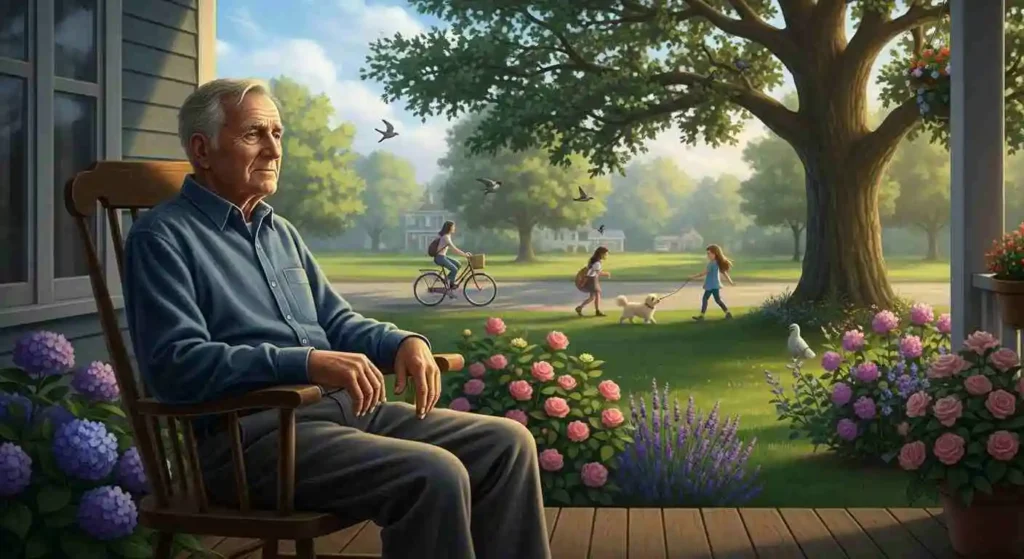
This time, I would like to intertwine fragments of my own memories with this song and unravel why it holds such a special place for me.
Free Translation of the Lyrics
In the twilight town, the dazzling sight of girls walking with their summer clothes swaying passes by me like the wind.
If I were my past self, would I have plunged right into that radiance?
As the streetlights come on and everyday life continues, I simply watch that beauty pass quietly from my own place.
It is by no means sadness. It's a ritual to simultaneously embrace my changing self and the unchanging beauty of the world.
First, please listen to the official audio on YouTube
Credits
Bruce Springsteen "Girls In Their Summer Clothes"
Lyrics & Music: Bruce Springsteen
Produced by: Brendan O'Brien
Music Video Director: Mark Pellington
Included Album: "Magic" (2007 / Columbia)
2-Line Commentary
A pop-rock tune that overlays dazzling brightness and a sense of isolation on the gaze watching people passing through the city in summer attire.
It is a piece where Springsteen's signature nostalgia and life's shadows seep through the gorgeous melody.
Credits
Bruce Springsteen & The E Street Band "Girls In Their Summer Clothes"
Recorded Live: November 19, 2007, Boston, MA / TD Banknorth Garden
Included in: "TD Banknorth Garden, Boston, MA November 19, 2007"
Original Album: "Magic" (2007 / Columbia)
Lyrics & Music: Bruce Springsteen
Produced by: Brendan O'Brien
2-Line Commentary
A live recording by the E Street Band during the "Magic" era, where a gorgeous melody and bittersweet nostalgia coexist.
It is a performance that maintains the delicate pop feel of the studio version while the band's energy builds toward the end.
Why a 1970s Breeze Blew Through a 2007 New Release
I first heard this song in 2007, and even now, whenever I listen to it, I vividly recall the scenery of Higashi-Matsubara in Setagaya Ward, where I used to spend my time.
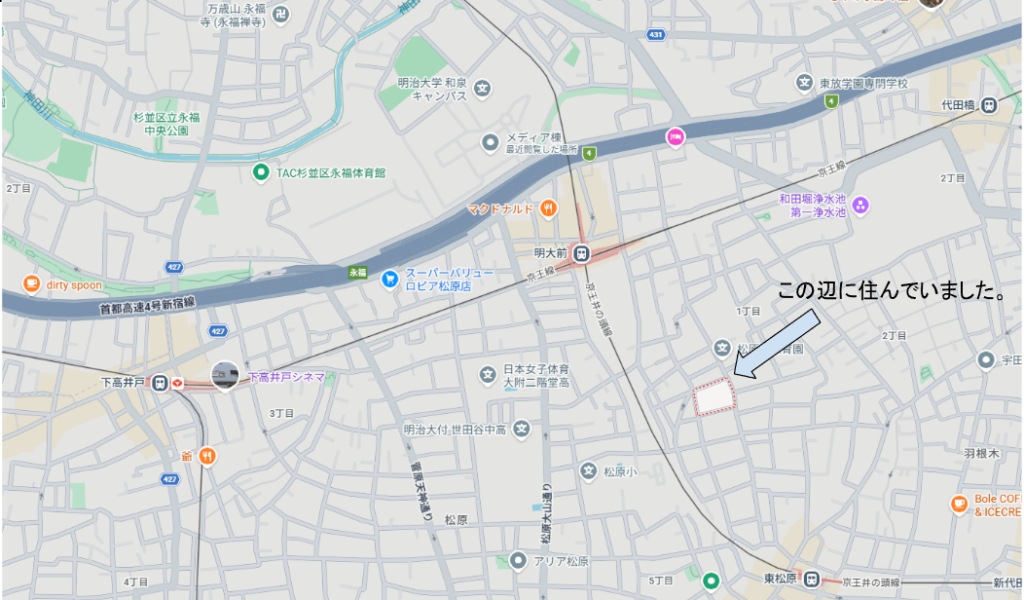
Of course, the song itself was a “new release” at the time. However, the overflowing sound of strings and castanets instantly pulls me back 50 years to those days in the late 1970s.
Higashi-Matsubara in My Memories: A Town Where Youth and Everyday Life Intersect
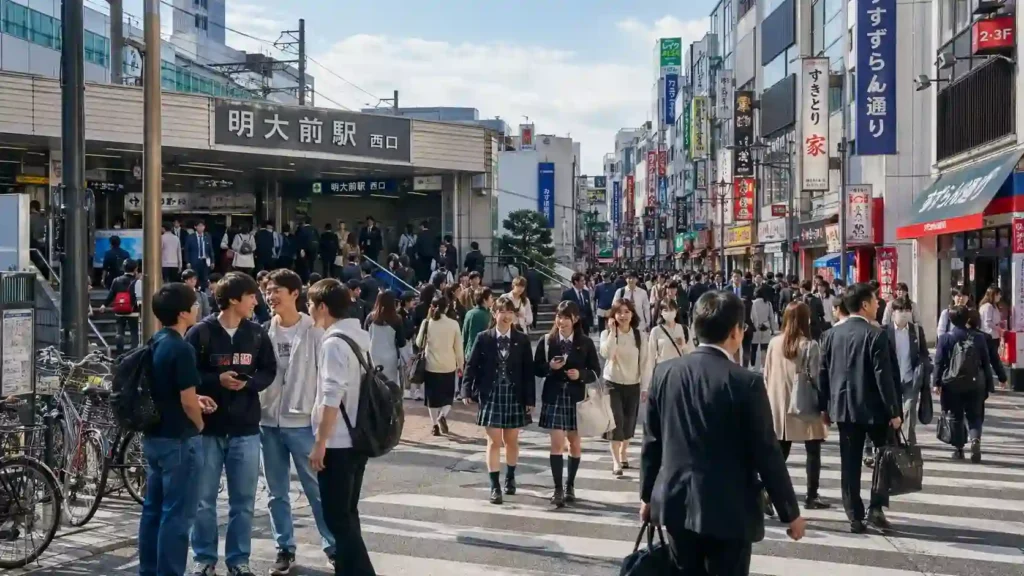
The street in front of the station (Keio Line’s Meidaimae Station) that I always walked. The light of the streetlamps glowing in the dusk, and the rustling sound of summer clothes lost in the hustle and bustle. All of it came rushing back on this “2007 melody” as if it were yesterday.
The Warmth of a Town Woven by Diverse People
I lived in a quiet residential area.
However, taking one step toward the station, the town was always overflowing with the energy of university students because Meiji University’s Izumi Campus was nearby. Not only that, but the laughter of junior and senior high school girls echoed, and since it was only a 10 to 15-minute ride to Shinjuku or Shibuya, it was a place where you would encounter many busy salarymen and office workers.
The “Magic” That Enveloped My 49-Year-Old Self
What my 49-year-old self felt listening to this song in the twilight of 2007 was the afterimage of that “past festival.” Springsteen’s singing voice painted over the cold air of “responsibility” and “efficiency” drifting around me at the time, instantly bringing me back to that breezy street corner.
The Foundation of “Four Luxurious Years” Immersed in Music
There is no doubt that my four years of university are the backdrop to why I am able to write this blog today, devoting so many words to music. I had been intimately familiar with music, both Japanese and Western, since junior high school, but those four years were the only time, before or since, that I could face music for as long as I wanted without any restrictions.
Days of Dropping the Needle in a Small Room in Higashi-Matsubara
Dropping the needle on records in a cramped apartment room and reading the liner notes from corner to corner.
That dense consumption of music, which might seem entirely unrelated to “efficiency,” became a part of me and remains the vital root that supports my current sensibilities.
When my 49-year-old self heard this song in 2007, the reason the street in front of Meidaimae Station from nearly 30 years prior—that scenery where Meiji University students, high school girls, and rushing salarymen intersected—flashed back instantly was none other than the accumulation of that “luxurious time.”
Song Analysis: Why Does This Song Sound “Nostalgic”?
From here, let’s turn our attention to the “musical devices” the song itself possesses.
Springsteen didn’t just write a beautiful melody.
The Revived Spector Sound and the “Wall of Sound”
It is no exaggeration to say that the person who drew the blueprint for this song’s sound was Phil Spector, who took the music world by storm in the 1960s. The Boss is deliberately recreating the “Wall of Sound” devised by Spector here.
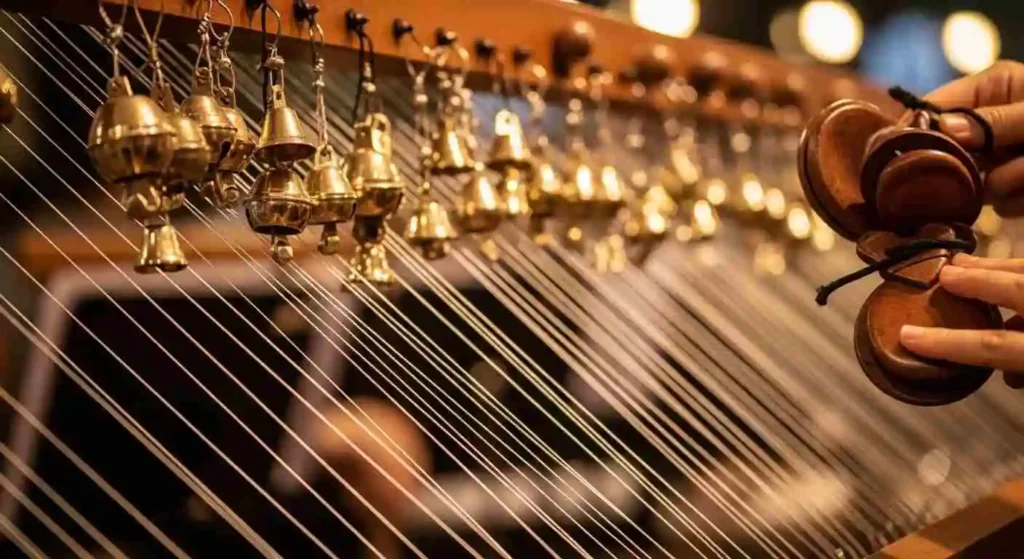
- Layered Arrangement: Strings, the sound of bells, and crisply echoing castanets. These are layered over and over, creating an overwhelming sense of euphoria.
- The “Structural Beauty” That Won a Grammy: The reason it won “Best Rock Song” at the 2009 Grammy Awards lies in how it beautifully elevated this classic technique with modern recording technology.
The Heterogeneity of This Song in the Album “Magic”
Looking at the album “Magic” as a whole, the uniqueness of this song stands out. The US at the time was in the midst of social anxiety such as the Iraq War, and the entire album was enveloped in a somewhat heavy, dark tone. Amidst that, only this song elegantly rings out like a single ray of golden light shining through at dusk.
Perhaps by daring to choose this “sweet pop sound,” the Boss wanted to highlight the “small personal festivals” and the “preciousness of unchanging everyday life” that exist within a harsh reality.
A Perspective That Affirms the “Passing Radiance”
The phrase that forms the core of the lyrics, “Pass me by.” Dwelling within this is the “quiet resolve” of the Boss as an aging artist.
The Shift from Protagonist to Onlooker
If it were my student days, I would have taken the girls passing by in their summer clothes for granted as our “present.” However, when I encountered this song at 49, I realized that I was no longer the protagonist on that stage, but rather the one watching them go. Their radiance was no longer mine, but for some other young person. At first glance, it seems like a cruel reality, but the air flowing through this song is surprisingly calm.
The “Quiet Contentment” Brought by the Depth of Life
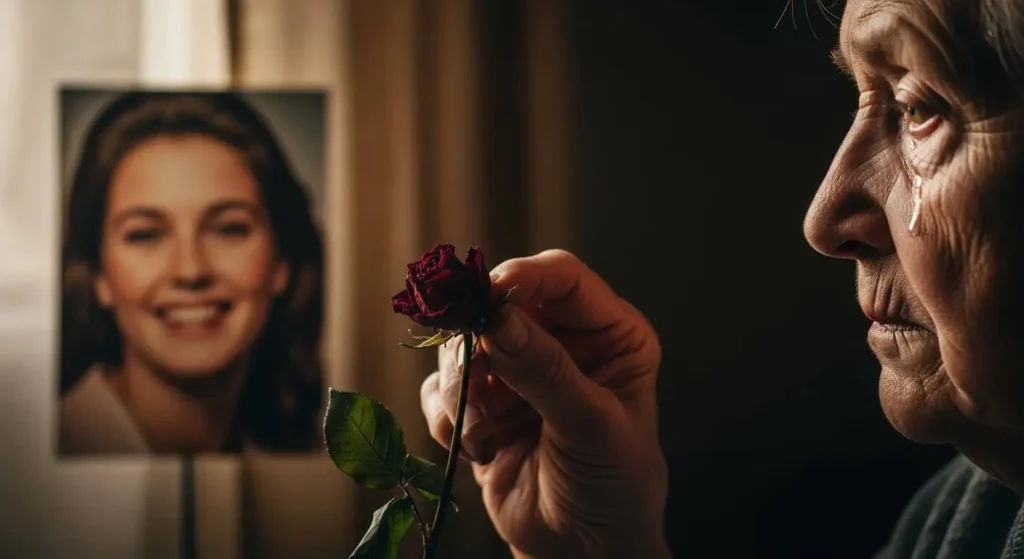
To affirm the passing of youth alongside a sense of loneliness. That is the grace of an adult and the depth of life—this is what I feel Springsteen is teaching us. The time we have accumulated is by no means “lost.” It has been sublimated into a “depth” for watching over and cherishing the passing beauty.
The Compassion for Nameless People Dwelling in the Details of the Lyrics
So far, I have focused on the texture of the sound, but Springsteen’s true essence lies in the world of his words. While it may seem like a gorgeous pop song at first glance, lurking between the lines is the “pain” adults carry and the “stylish bravado” used to get through it.
A Small “Salvation” Exchanged at a Diner
In the middle of the song, the setting moves to a diner on a street corner. In the store where fluorescent lights flicker, the waitress Shaniqua pours more coffee and asks the protagonist:
“Penny for your thoughts now, my boy Bill”
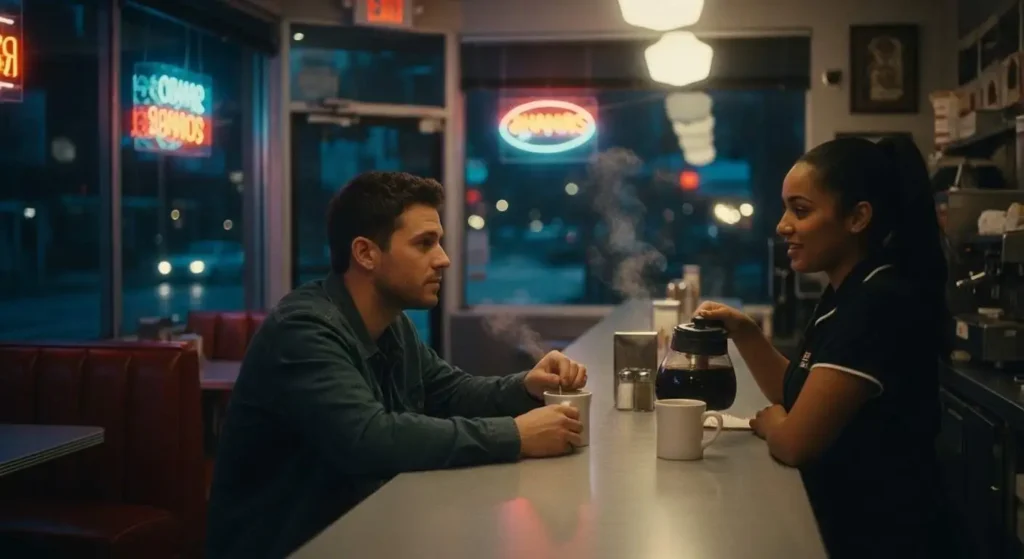
I can’t help but feel the Boss’s deep love for humanity in this call of “my boy Bill.”
Addressing Bill, a regular customer who is by no means young and has likely accumulated a fair amount of years, she affectionately calls him “boy.” For a man spending a lonely night, just how much of a salvation such a casual exchange can be.
A connection that goes no deeper than knowing each other’s names, yet is certain. That warms the heart of a lonely adult and quietly turns them toward tomorrow.
The Resolve for Tomorrow Named “Burn This Town Down”
Also appearing in the lyrics are slightly radical phrases reminiscent of the Boss’s early works.
“Tonight I’m gonna burn this town down”
However, in this song, it is not the destructive impulse of his youth. Rather, it is closer to a “pep talk to oneself” to survive tomorrow. This “small optimism” echoes like a single ray of light. No matter how tough the situation gets, you throw on your jacket again and head out the door. This song gently pushes you on the back as you do.

The Sparkle of Ordinary Days Captured on Film
In discussing the appeal of this song, the music video (MV) directed by Mark Pellington is also indispensable. (It is the first YouTube video introduced.)
This video visually complemented my memories of my student days and made the song’s message more three-dimensional.
The Radiance of Life Reflected by the Twilight
Projected in the MV is the scenery of a town you could find anywhere in America. Captured there in slow motion are the expressions of various people, young and old, men and women. What is particularly impressive is how the camera captures the “light.”
That soft orange light in the moment transitioning from dusk to night.
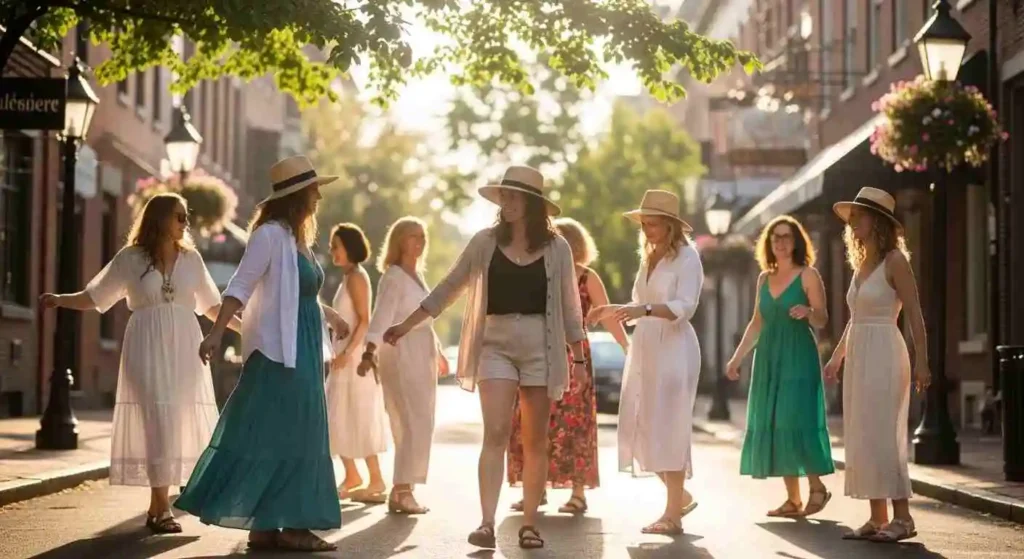
The dazzling sight of the women swaying in their summer clothes in the video is never sexual, but depicted as the precious radiance of life itself. I feel it is an expression of the Boss’s utmost respect for “passing time.”
Listening to This Song Now: In the Afterglow of “La la la”
Pure Affirmation Beyond Meaning
Toward the end of the song, the Boss abandons words and simply repeats the chorus, “La la la…” There is no longer any need for difficult analysis or regret here.
Life passes by. Youth, passion, suffering—everything changes form and leaves. But knowing the beauty of that flow. That in itself, I believe, is the greatest gift we have attained through the long journey of life.
Conclusion: Twilight is the Prologue to the Next Festival
The reason I chose this song for 5th place in my Best 15. It is because this song transforms “looking back at the past” into “the strength to live for tomorrow.” The me back then walking under the streetlights of Higashi-Matsubara, the 49-year-old me trembling in the twilight of 2007, and you, reading this blog right now.
Try gazing at the radiance of summer clothes passing by outside the window, or the light of the twilight.
Drifting there, surely, is the quiet, deep contentment brought about by the time you have accumulated thus far.
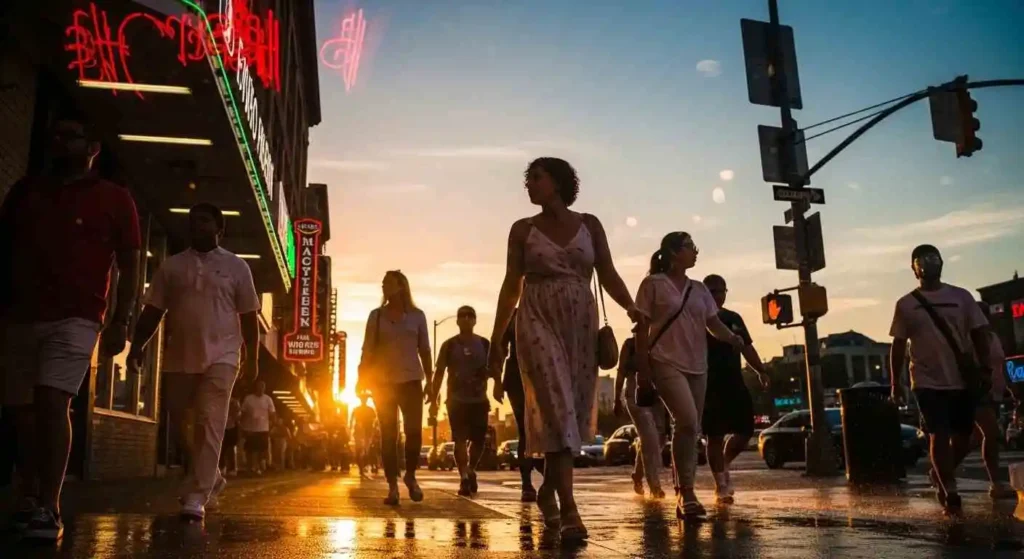
The sweet, heartbreaking, and exquisitely beautiful pop anthem that Bruce Springsteen gifted us. That was my introduction to the #5 pick.

音楽ファン同士の交流・リクエストはこちら / Connect & Request Songs Here