- 🎧 Enjoy this article via audio
- No. 7 is “Badlands”
- ② Listen to the official audio first
- Sonic Realism Cutting Through Unescapable Reality
- “Badlands” is Not a Place on a Map
- A Sacred Ritual Completed Live: “Badlands”
- “It Ain’t No Sin to Be Glad You’re Alive”—The Ultimate Affirmation
- The “Now” of Us Walking Through the Badlands
- Final Thoughts
🎧 Enjoy this article via audio
You can quickly check the key points of this article through audio narration.
Highly recommended for those who want to grasp the essence before diving into the text.
🎵 English Narration
The article content is explained with English audio narration.
⌛ Duration: Approx. 3 min
🎶 Japanese Narration
You can also listen to the same content with Japanese narration.
⌛ Duration: Approx. 3 min
* Listening to the audio first will give you a multi-dimensional understanding of Springsteen’s history and the evolution of his sound.
No. 7 is “Badlands”
“Badlands,” the opening track of the 1978 album Darkness on the Edge of Town, is a monumental song that signaled his evolution from a mere “voice of the youth” to an “enduring icon” fighting against the absurdities of life.
The romanticism depicted in his previous work, Born to Run—of escaping toward the distant horizon—was incredibly beautiful and dazzling.
However, the gravity of reality does not let us stay in that escape forever. In “Badlands,” he stops running. He stands firm in the mud and declares it his own battlefield.
My Personal Gist
Even if you live in a barren land, don't let it be your journey's end.
Waiting alone won't bring dreams or salvation your way.
What I want isn't superficial success, but to reclaim my heart and soul.
If you keep pushing through the pain, even these bitter days will one day turn into strength.
② Listen to the official audio first
Credits
Words & Music by Bruce Springsteen
Performed by Bruce Springsteen & The E Street Band
From "The Legendary 1979 No Nukes Concerts," Madison Square Garden performance
2-Line Commentary
A live video where the urgency and vitality of "Badlands" erupt with even more heat than the studio version.
An overwhelming performance by the E Street Band in their prime, blending anger, hope, and sheer velocity.
Credits
Words & Music by Bruce Springsteen
Performed by Bruce Springsteen & The E Street Band
From "London Calling: Live in Hyde Park"
Date & Venue: June 28, 2009, Hyde Park, London
2-Line Commentary
An official live video where the resilient message of "Badlands" is shot straight toward a massive crowd amid the openness of an outdoor festival. A performance by Springsteen and the E Street Band in their mature era, adding new depth and a sense of celebration to this early classic.
Sonic Realism Cutting Through Unescapable Reality
The charm of this song lies, above all, in the persuasiveness of its “sound.” An overwhelming reality that grabs you by the collar and shakes you. It was squeezed out of the harsh circumstances Springsteen found himself in at the time.
The Essence of the E Street Band, Stripped of Ornamentation
The flamboyant “Wall of Sound” seen in his previous works is hushed here. Taking its place at the forefront is a tight, muscular, and honest band sound. After being banned from recording for several years due to a messy management lawsuit, the “joy of playing” and “anger” they exploded with in the studio is condensed into this one song.
Max Weinberg’s “Heartbeat of Fate”
Special mention must go to Max Weinberg’s drumming. The snare hits that burst out at the beginning following the “1, 2, 3, 4!” count are like a warning bell asking, “How long are you going to stay asleep?” This dry, uncompromising rhythm forces the listener to straighten their back.
An “Ensemble of Irritation” Where Piano and Guitar Intersect
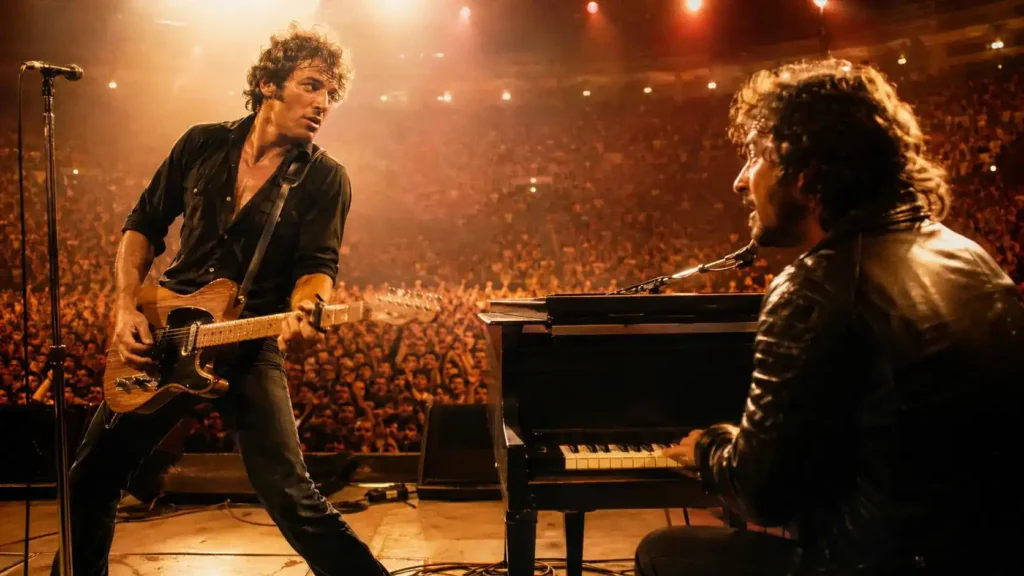
The mid-section composition where Roy Bittan’s piano intertwines with Springsteen’s guitar is also superb. It’s not just a melody; it sounds like the urban bustle and unvented frustration itself. Sophisticated yet somehow wild. That sense of balance is one of the factors that has elevated this song to a timeless classic.
“Badlands” is Not a Place on a Map
The title “Badlands.” One cannot reach the essence of this song by merely taking it as a literal geographical term for “barren land.” What Springsteen tried to depict was the society we live in and the “wilderness” of our daily lives.
The Resolve to Pay the “Price” to Make Dreams Real
In the lyrics, he challenges us: “Talk about a dream, try to make it real.” He further warns, “Don’t waste your time waiting for a moment that just don’t come.”
We often fall into passive daydreams, thinking, “Maybe my talent will be discovered one day” or “Maybe something wonderful will happen.”
However, he flatly rejects that. Living in the “Badlands” is not about waiting for someone to bring you luck; it is about walking through “today” on your own two feet, even if you are covered in mud and bruised.
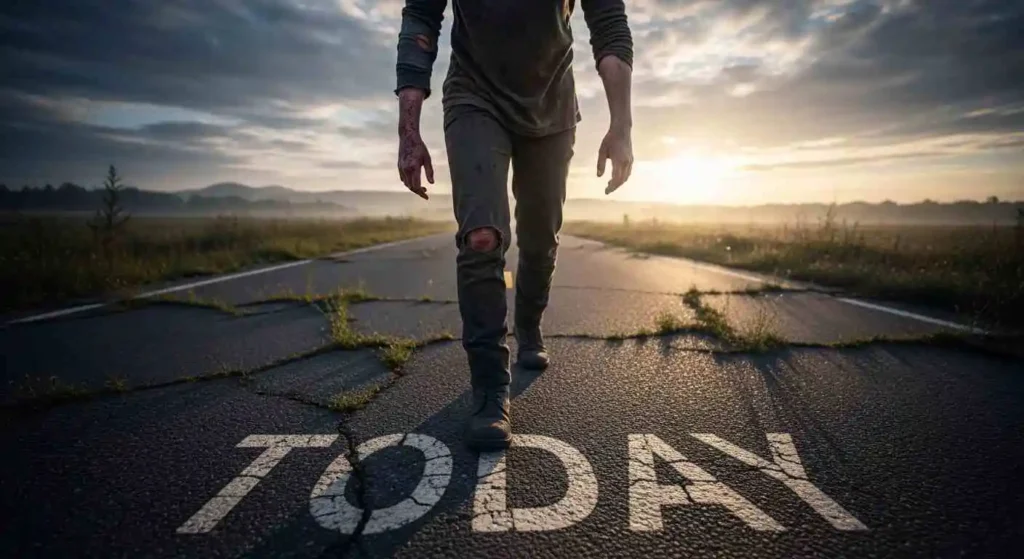
It is a very harsh lesson, but at the same time, it is the most honest encouragement. He does not hide that reality is tough. But he sings that it is in those tough places that the soul is truly tempered.
“Control” as the Final Stronghold
What makes this song an eternal anthem is the phrase shouted in the chorus: “I want control right now.”
The “control” here is not power to dominate others. It is a declaration of intent to “take back the steering wheel of your own destiny.”
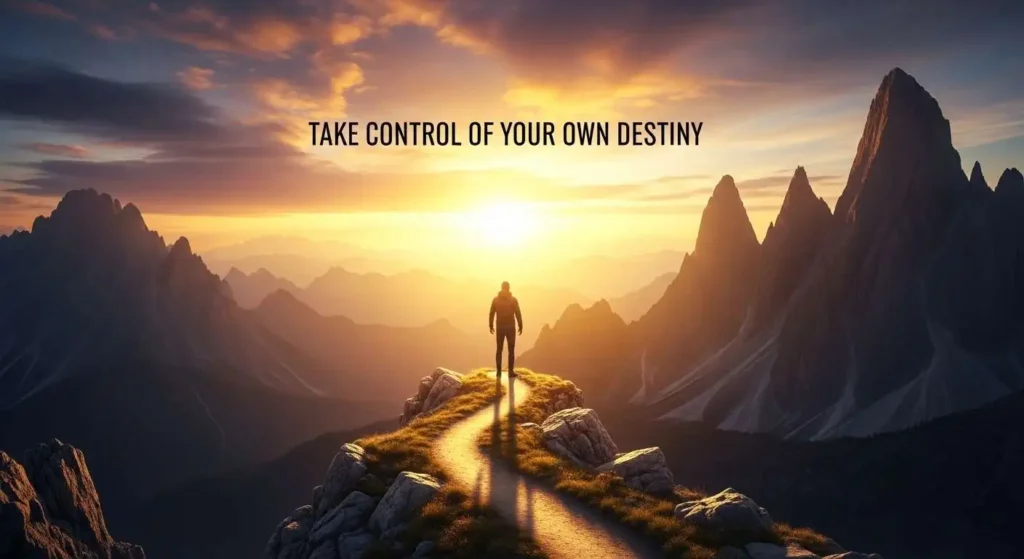
- Insights into the Emptiness of Power: The lyrics coolly depict the infinite loop of power struggles—where the poor man wants to be rich, the rich man wants to be king, and the king isn’t satisfied until he rules everything.
- The Pursuit of Autonomy: In contrast, what Springsteen seeks is not that external hierarchy. No matter what the surroundings are, he refuses to give up the initiative of his life based on his own values. That “autonomy” is the only weapon for surviving the wilderness.
A Sacred Ritual Completed Live: “Badlands”
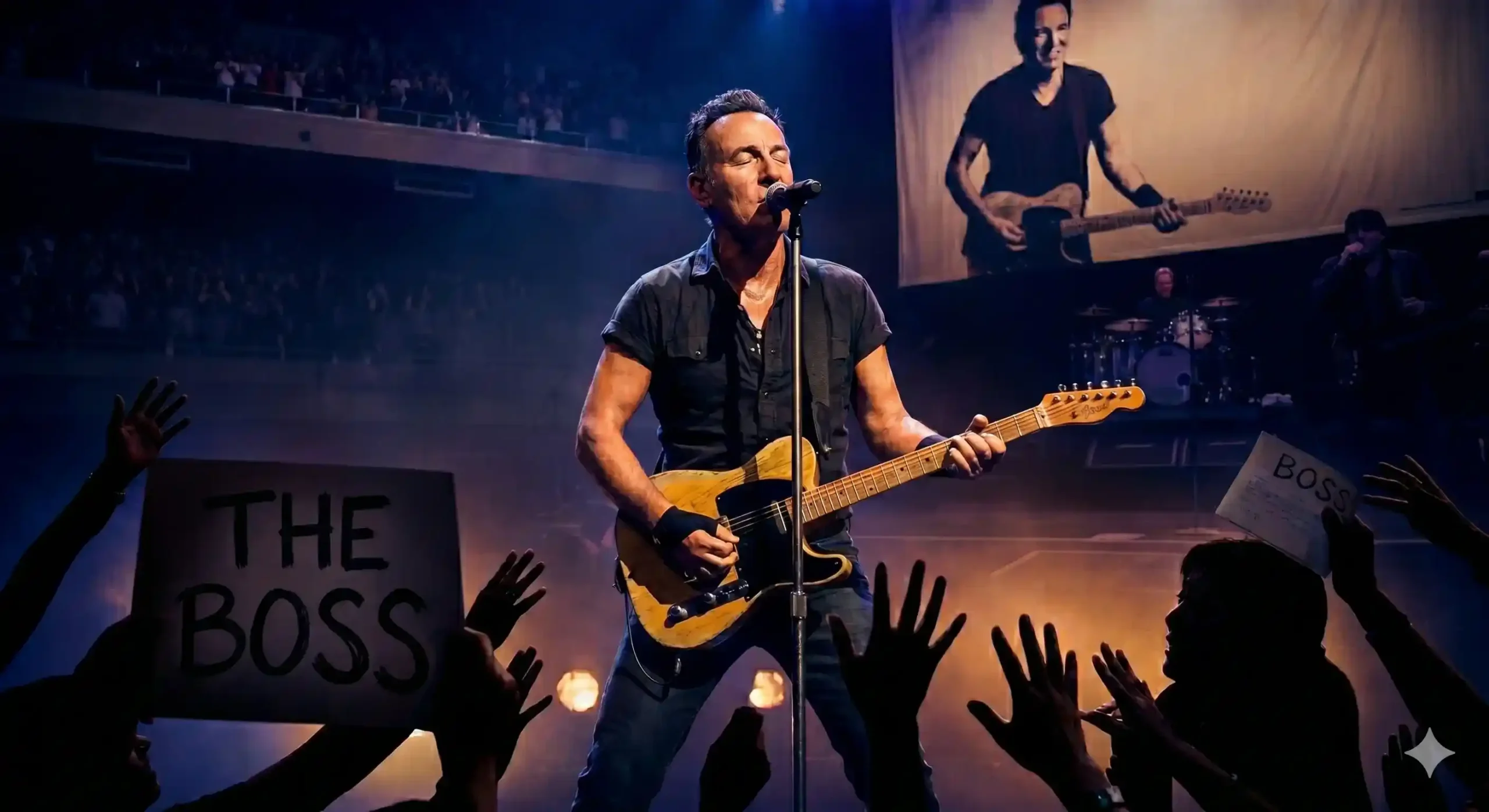
While the studio version of “Badlands” boasts perfect completion, the song finds its true life on the live stage. When Bruce Springsteen and the E Street Band perform this song, the venue transforms from a mere concert hall into a “place of liberation” where tens of thousands of souls resonate together.
Clarence Clemons’ Saxophone Cutting Through the “Silence”
An indispensable part of this song’s climax is the saxophone solo by the late “Big Man,” Clarence Clemons. That tone bursts through the tension built up by the heavy guitar riffs and tight drums.
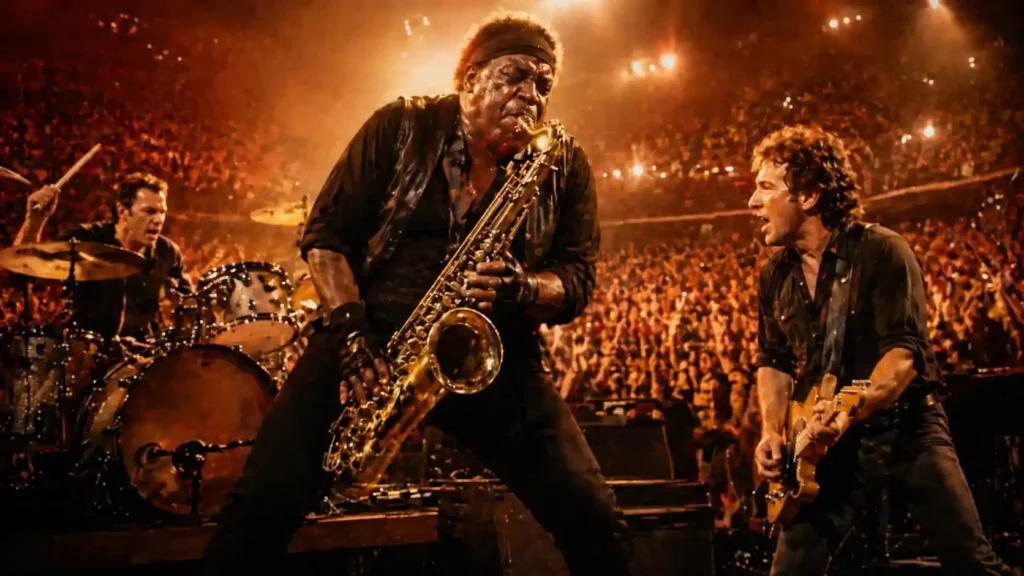
It sounds like a roar at dawn, telling those of us lost in the wilderness, “There is still a way.” Because of that powerful, warm, and deeply human solo, the song doesn’t end as a mere song of anger, but eventually cloaks itself in the light of brilliant hope.
Singing with the Crowd—The Moment Lonely Souls Merge
Then comes the “Whoa-whoa…” sing-along part toward the end. The magic of “solidarity” that Springsteen’s music possesses is condensed here.
The lyrics themselves are about personal struggle and a lonely fight. However, when tens of thousands of people join their voices in this melody at a live venue, that loneliness is no longer the individual’s alone. It’s a mysterious sense of unity—knowing that the stranger next to you is also a comrade fighting in their own “Badlands.” I feel I learned the truth that “Rock and roll is something you listen to alone, but share with everyone.”
“It Ain’t No Sin to Be Glad You’re Alive”—The Ultimate Affirmation
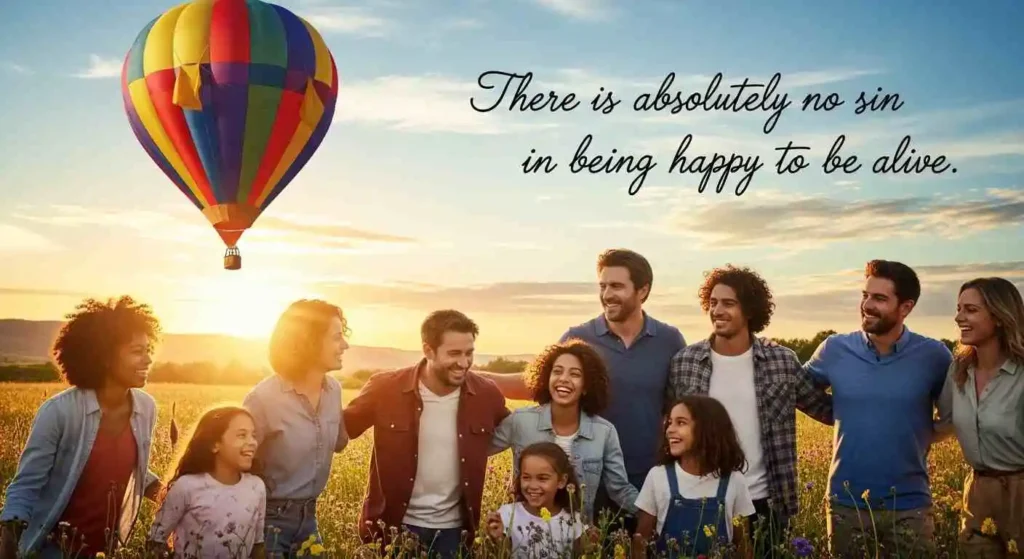
At the end of the song, Springsteen delivers an incredibly striking phrase: “It ain’t no sin to be glad you’re alive.”
Paradoxical Salvation Breaking Through Nihilism
Behind these words is a deep compassion that only one who has known the harshness of living can reach. The world is full of absurdities, and many days our efforts go unrewarded. Sometimes, we might even find it hard to see value in our own existence.
Yet, he encourages us, “It’s okay, affirm yourself breathing here and now.” No matter how barren the environment, there is absolute value in feeling the beat of your life and giving your all to get through today. This paradoxical salvation is why fans around the world look up to him as “The Boss” and continue to believe in his words.
The “Will” to Accept Reality and Go Beyond
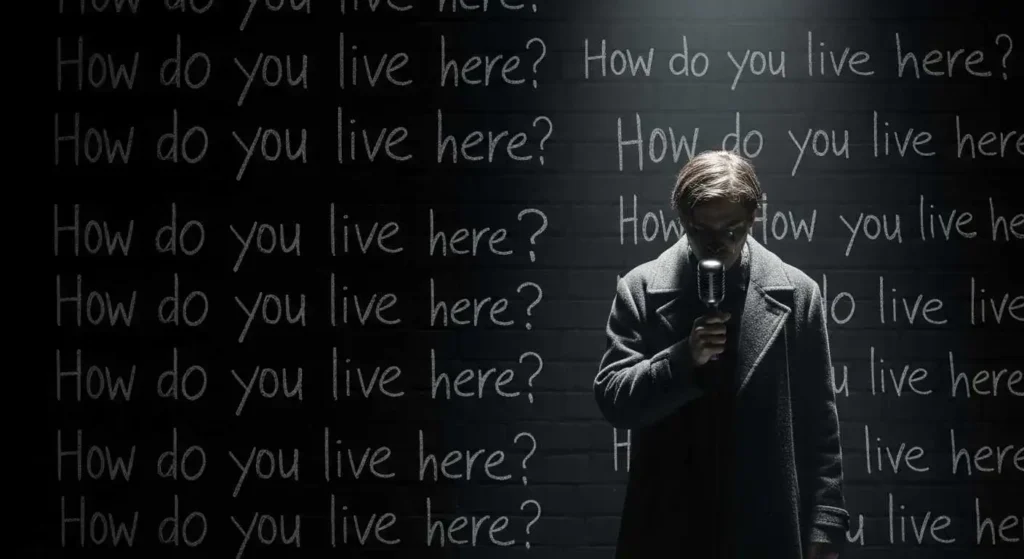
“Badlands” never allows for escapism. It doesn’t sing “I’ll take you away from here,” but instead keeps asking “How will you live here?”
The “Now” of Us Walking Through the Badlands
So, what does “Badlands” mean to me today? Decades have passed since I first encountered this song under the Tokyo sky during my university days. My surroundings have changed significantly, but the place this song occupies in my heart remains surprisingly unchanged.
Sounding That Beat Again in a Quiet Oita Morning
Currently, I spend my days in the peaceful environment of Oita City. I’m a bit removed from the hustle and bustle of the past, but that doesn’t mean the “Badlands” of life have vanished.
I still have many dreams and continue to put in the necessary effort to realize them.
For me, these are a new form of struggle for “control.” Finding my own compass and moving forward step by step in the vast sea of information across the screen—that spirit is exactly the same as the self that was inspired by “Badlands” all those years ago.
From 1978 to 2026—Inherited Passion
Springsteen wrote this song in 1978. And now, living in the future that is 2026, we still face similar worries and hit similar walls.
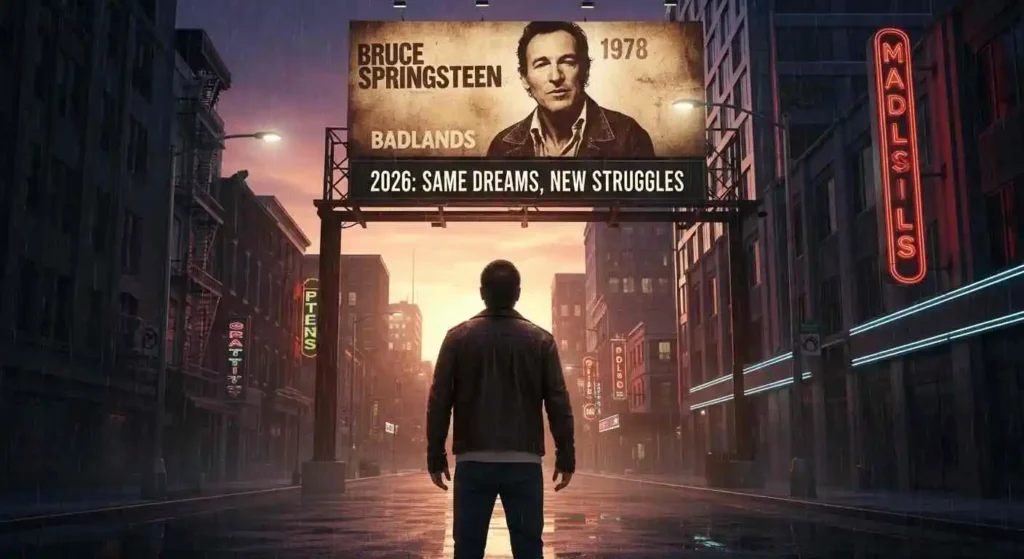
But that is precisely why this song lives on. Even as historical backgrounds and technologies change, the fundamental human desire—the cry to “live as yourself, with dignity”—never changes.
Final Thoughts
“Badlands.” This song is the “safety device for my soul.”
When my heart is about to break, or conversely, when I’m about to forget my passion by settling into peaceful days, I listen to this song. And every time I receive that first hit from Max Weinberg, I can return to my own “battlefield.”
If you feel like your surroundings are a wilderness right now, please give this song a listen. I’m sure you’ll find a powerful wind blowing there, pushing you toward tomorrow.

音楽ファン同士の交流・リクエストはこちら / Connect & Request Songs Here