
- 🎧 Enjoy this article with audio
- #1 is “Kageriyuku Heya” (The Paled Room)
- First, please listen to the official audio
- The Overwhelming Soundscape and the Gathered “Stellar Musicians”
- Memories Overlapping with the Scenery of University Days
- The Profound Ensemble of “Loss” Played by Master Musicians
- The End of the “Yumi Arai” Era and an Eternal Monument
- A Melody That Continues to Resonate with the Depth of Life
- Conclusion: “Yuming” is Forever
🎧 Enjoy this article with audio
🎵 English Narration
Press the play button to listen to the English narration of this article.
🎶 Japanese Narration
You can listen to the Japanese narration of this article.
* Listening to the audio before reading the text will help you gain a more multi-dimensional understanding of the song’s background and the points of evaluation.
#1 is “Kageriyuku Heya” (The Paled Room)
At last, it’s time to announce the #1 spot in this series. Crowning the top of “The Arbitrary Best 15: Yuming Edition” is “Kageriyuku Heya” (The Paled Room), the final single from her Yumi Arai era, released in 1976.
When we think of Yuming, we often think of urban, sophisticated pop or vivid scenic descriptions that capture the changing of the seasons. However, I can’t help but feel that this particular song exists on a slightly different dimension. It is a solemn ballad yet possesses a terrifying amount of passion. The reason I chose this song as #1 isn’t something that can be simply explained as “because the melody is beautiful.” It lies in the “overwhelming gravity” of the music itself and the clash of talents that gathered for it.
First, please listen to the official audio
Credits
Song Title: Kageriyuku Heya (The Paled Room) [2022 Mix]
Artist: Yumi Matsutoya (Yumi Arai / Yuming)
Lyrics & Composition: Yumi Arai
Arrangement: Masataka Matsutoya
First Appearance Album: "MISSLIM" (1974)
Audio Source: "YUMING BANZAI! ~Yumi Matsutoya 50th Anniversary Best Album~" (2022 Mix)
Label: Universal Music LLC
Brief Commentary
A masterpiece representing 1970s New Music, this signature song depicts scenes of loneliness and memory through tranquil piano and a lyrical melody. The 2022 Mix is an official remastered version with a readjusted sound image for the 50th-anniversary best album.
The Overwhelming Soundscape and the Gathered “Stellar Musicians”
When talking about “Kageriyuku Heya,” the sheer brilliance of the backing musicians is absolutely indispensable. Looking back at the time, or even across the entire history of Japanese music, there aren’t many songs where such a “stellar lineup” gathered together. In the dawn of Japanese pop in the mid-70s, the most cutting-edge talents united for this single song.
The Profound World Created by a Legendary Lineup
First is the majestic pipe organ that grips our hearts right from the beginning of the song. The person who played this and handled the overall arrangement is Masataka Matsutoya. That sound, which seems to tear through the silence of a church, will never leave your ears once you hear it.
Then, there is the rhythm section producing a groove that rivals, or even surpasses, that profound organ. On bass is Haruomi Hosono, a central figure in Tin Pan Alley who would later take the world by storm with YMO. His deep, heavy bassline crawling along the ground seems to hint at the inescapable footsteps of fate for a couple heading toward separation.
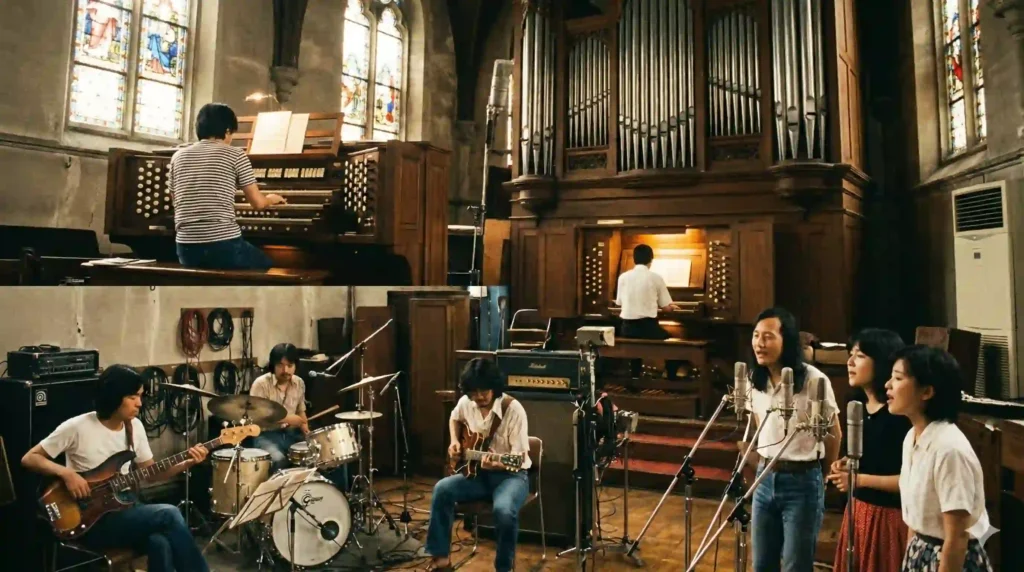
On drums is Shuichi “Ponta” Murakami, one of Japan’s most renowned drummers. Furthermore, the guitar is played by Kenji Omura. These top-tier players in the Japanese music scene at the time built a robust and resilient ensemble.
Even more surprising is the chorus lineup. In addition to Hi-Fi Set, remarkably, a young Tatsuro Yamashita and Minako Yoshida also participated. Today, they are legends standing at the pinnacle of the Japanese music scene. They gathered around the rare talent of Yumi Arai and poured all their energy into completing a single song. That miraculous intersection of energy might just be the true identity of the bottomless intensity possessed by the work “Kageriyuku Heya”.
Memories Overlapping with the Scenery of University Days
It was during my university days that I began to listen deeply to this song. At the time, I was living alone in Tokyo. The rattling sound of the Keio Inokashira Line passing by, the shopping street taking on a slightly lonely hue at dusk. I used to listen to this song often in my small four-and-a-half tatami mat room.
The “Desperate Hint of Separation” Depicted in the Lyrics and Its Depths
A partner leaning against a chair placed by the window, silently watching the sunset. On their profile, there is a “desperate hint of separation,” indicating a complete loss of any intention to repair the relationship. The two are not talking to each other; they are just aimlessly wandering through the days gone by in their minds.

Just from this opening scenic description, it is painfully conveyed that their relationship has reached a point of no return. If you turn around, the dusk is creeping in through the gap in the door. This is not simply the arrival of night as the passage of time; it is nothing less than a metaphor for the cold, unfillable darkness spreading between the two.
Back in those university days, while watching the sky visible from the small window of my room in Higashi-Matsubara change from orange to deep indigo, I felt as though I was experiencing this sensation of “dusk creeping in” firsthand.
I may not have experienced a decisive breakup with anyone at the time, but the vague sense of loss—as if the time of my youth was slowly slipping through my fingers as I grew into an adult—resonated beautifully with the coldness of this song.
As the song progresses, the loneliness deepens. When the lamp in the room is lit, the view of the city—the outside world—sinks away, and instead, only the lonely room you are in is reflected on the window glass. Then, you press your ear to the cold wall, chasing the fading sound of footsteps. The vividness with which the sensation of loss shifts from the visual “sunset” to the auditory “footsteps” is the true essence of Yuming.

What kind of fate pushed love away? The radiance will never return. The repetition of the ultimate phrase, “Even if I were to die now,” is by no means cheap sentimentality or self-pity. It is a quiet, yet maddening cry, akin to a prayer, let out at the very end by one who has lost everything.
The Profound Ensemble of “Loss” Played by Master Musicians
The cry that resembles a prayer from someone who has lost everything, “Even if I were to die now,” which I touched upon at the end of the first half. What fundamentally supports this maddening emotion and pushes the entire song far beyond the boundaries of mere pop is undoubtedly the god-like performance of the participating musicians. When discussing this song, it is impossible to ignore the “gravity of sound” they weave together.
A Miraculous Session Where Individual Talents Clash
Haruomi Hosono’s bass transcends the mere role of laying a rhythmic foundation. The heavy, crawling bass tone is the heavy heartbeat of a protagonist forced to accept separation, like the footsteps of an inescapable fate. Then there’s Shuichi “Ponta” Murakami’s drums. Starting with a delicate touch that threads through the silence, his playing becomes fiercely intense towards the chorus as if breaking the dam of emotions, mercilessly shaking the listener’s heart.
Furthermore, the presence of Kenji Omura’s electric guitar is overwhelming. The weeping guitar phrases heard in the interlude and throughout seem to speak for the protagonist’s unspeakable screams and feelings of regret.
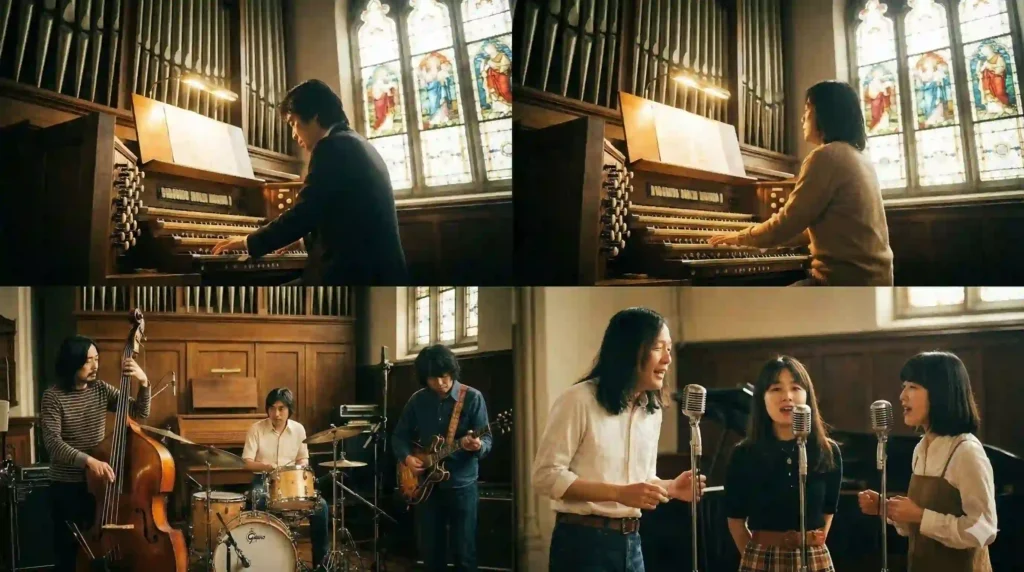
In addition, there is the thick yet transparent chorus work by Hi-Fi Set, Tatsuro Yamashita, and Minako Yoshida. As their voices layer together, this personal tragedy the size of a four-and-a-half tatami room is elevated to a solemn, universal scale, like a piece of myth played in a church. The geniuses who would later lead the Japanese pop and rock scene demonstrated their unique characteristics to the utmost limits, yet never interfered with Yumi Arai’s vocals, painting a single “massive landscape of loss.” This miraculous balance is the very source of the extraordinary aura this song emits.
The End of the “Yumi Arai” Era and an Eternal Monument
The year 1976 was a time when she was preparing for marriage and reaching the culmination of her activities as “Yumi Arai.” This song was released into the world as her final single under the name Yumi Arai.
The Bottomless Abyss Reached in Her Early 20s
She was still in her early 20s at the time. Despite this, I can only marvel at the talent that expressed such absolute despair, a kind of resignation, and the cruel truth that “the radiance will never return” as such perfectly crafted music.
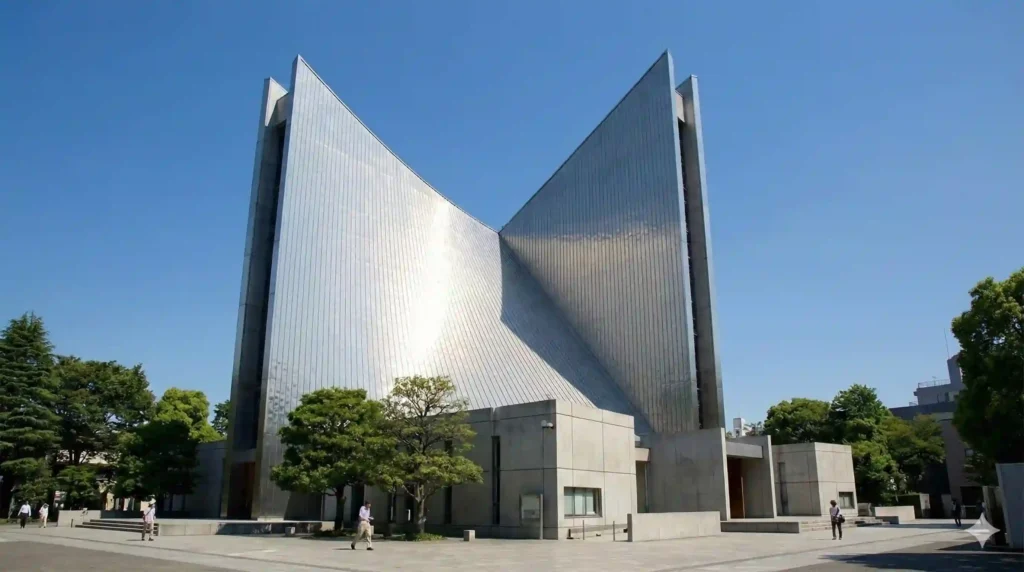
Masataka Matsutoya’s bold and meticulously calculated arrangement utilized a real pipe organ, recorded at St. Mary’s Cathedral, Tokyo in Mejiro. It masterfully drew out the mysterious, fathomless charm that Yuming possesses. Going far beyond the boundaries of a simple heartbreak song, “Kageriyuku Heya” was perhaps a grand requiem written by the rare singer-songwriter “Yumi Arai” to bring down the curtain on an era of her own life.
A Melody That Continues to Resonate with the Depth of Life
During my university days, when I was listening to this song, feelings like the beauty of the melody and a kind of “yearning” for the somewhat mature situation of separation might have taken precedence.
Running Through My Working Years and Listening to “Kageriyuku Heya” Again Now
However, as I went out into society from there and ran frantically through the long years of my working life, I slowly began to understand what “true loss” and “time that can never be recovered” really mean.
That could be a decisive parting from someone, a farewell to the passionate youth I once was, or the end of a dream that remained forever out of reach. Having experienced these various “shadows” in life and added depth to my own personal history, the sharpened coldness and bottomless depth of this song strike my heart even more intensely now.
“What kind of fate pushed love away?” There is no clear answer provided to this question. Yet, embracing such unanswerable questions and feelings of loss while continuing to walk through our daily lives… Perhaps that is what it means for us to live.

Conclusion: “Yuming” is Forever
How did you enjoy “The Arbitrary Best 15: Yuming Edition,” which I have shared with you over 15 installments?
Bright and pop magic, a resort-like feel where scenes vividly float before your eyes, and ballads that deeply pierce the heart. Yuming’s songs have always been the soundtrack to our lives across all eras, constantly staying close to our scenery and emotions at any given time. The reason I chose “Kageriyuku Heya” as the #1 is because I felt that the “overwhelming gravity” I personally seek in music and the “artistry” that touches the abyss of life are crystallized in their purest form in this single track.
Now then, thank you so very much for keeping me company through this lengthy series.
Through the 15 songs so far, were there any songs that overlapped with your own memories, or any that made you want to listen to them again?
I would like to conclude by sharing a YouTube video page where you can listen exclusively to the songs introduced this time.
URL ➡
https://www.youtube.com/playlist?list=PLKx8CZ00mUMzAdcMrMt_3FeSynHmTcIqL


音楽ファン同士の交流・リクエストはこちら / Connect & Request Songs Here