
🎧 Enjoy This Article in Audio
🎶 English Narration
Press play to listen to the English narration of this article.
🎵 Japanese Narration
You can also listen to the Japanese narration here.
Listening to the audio first may help you better appreciate the background and key insights of the song.
Ranked No.11: “Embraced in Softness”
There are songs that deserve to be called “national standards” — yet in truth, only a very few truly earn that title.
At No.11, I have chosen the timeless masterpiece “Embraced in Softness.”
To be honest, I hesitated slightly about including this song in the ranking. It is so famous that I wondered whether there was anything left for me to add. As the ending theme of Studio Ghibli’s “Kiki’s Delivery Service,” and through countless commercial uses, this melody has always been quietly present in our lives.
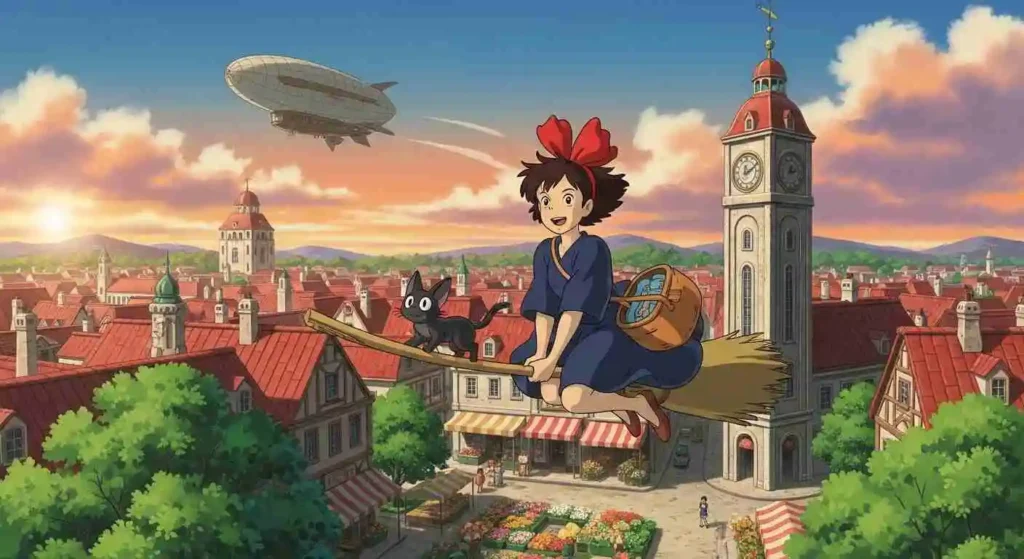
Yet now, having reached my sixties and stepped slightly away from the front lines of active professional life, I find myself hearing this song differently. What once felt like a simple “healing song” reveals itself as something far stronger — almost philosophical in nature.
It gently asks whether we might reopen the “lid of the heart” that we unconsciously closed somewhere along the way.
A Personal Interpretation
When we were young, we believed the world was kindly on our side.
Even now, that quiet miracle continues.
In the morning light and in the scent after rain,
there are messages softly reaching us.
Everything we see is a sign of invisible love embracing us.
First, Listen to the Official Recording
The moment the acoustic guitar begins its gentle strumming, you may feel the air in the room soften. Let yourself settle into that warm soundscape.
■ Credits
Title: Embraced in Softness (2022 Mix)
Artist: Yumi Matsutoya
Lyrics & Composition: Yumi Matsutoya
Original Arrangement: Masataka Matsutoya
Release: 2022
Label: Universal Music Group

■ In Two Lines
A 2022 remix of the representative 1974 classic, reconstructed with transparent, contemporary sound design.
Widely known as the theme song of Studio Ghibli’s “Kiki’s Delivery Service,” it stands as a symbolic masterpiece in Japanese pop history.
What Did We Leave Behind as We Grew Up?
The Reality of the Word “God”
The lyrics open with the striking line: “When I was little, there was a God.”
This “God” does not refer to a specific religious figure. Rather, it represents the ability to trust the world without suspicion — a fundamental sense of affirmation that simply feels, without logic, that “everything will be alright.”
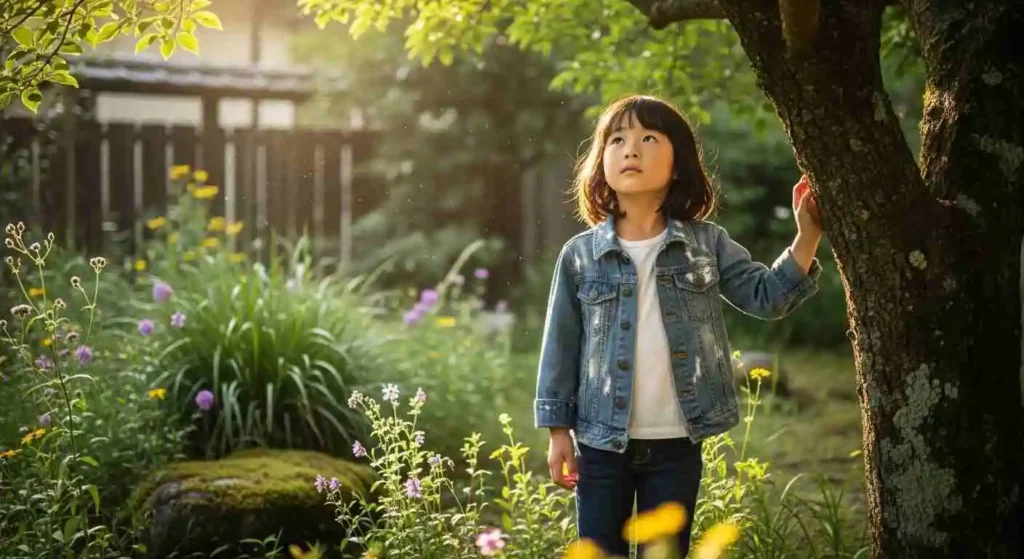
As children, we all possessed that feeling. Yet in becoming adults, we acquired measures like logic, efficiency, and calculation — and in exchange, gradually surrendered the ability to believe in what cannot be seen.
Having spent much of my life in a world governed by numbers, I too became accustomed to viewing reality with severity, quietly deciding that no mysterious force could ever make dreams come true.
Everything We See Is a Message
This song endures not because it nostalgically claims “the past was better,” but because it speaks to us now. It suggests that if we open the curtains and allow ourselves to be wrapped in gentle sunlight, everything before our eyes becomes a message.
The world itself has not changed. The filtered sunlight, the scent of a garden after rain — they remain as they always were. What has changed is the condition of our own hearts.

When we loosen the tension built by daily pressures and allow ourselves to be enveloped in calm kindness, ordinary scenes rise up as affirming messages meant for us.
The song teaches that miracles are not distant, extraordinary events. They can be discovered abundantly within the everyday — depending entirely on the posture of our hearts.
Sound Magic That Never Fades
Because It Is Simple, It Cannot Lie
The song’s appeal lies not only in its lyrical depth, but in the universality of its sound.
The acoustic guitar intro, the light rhythm, and Yumi’s slightly nasal yet steady vocal tone — the structure is remarkably simple.
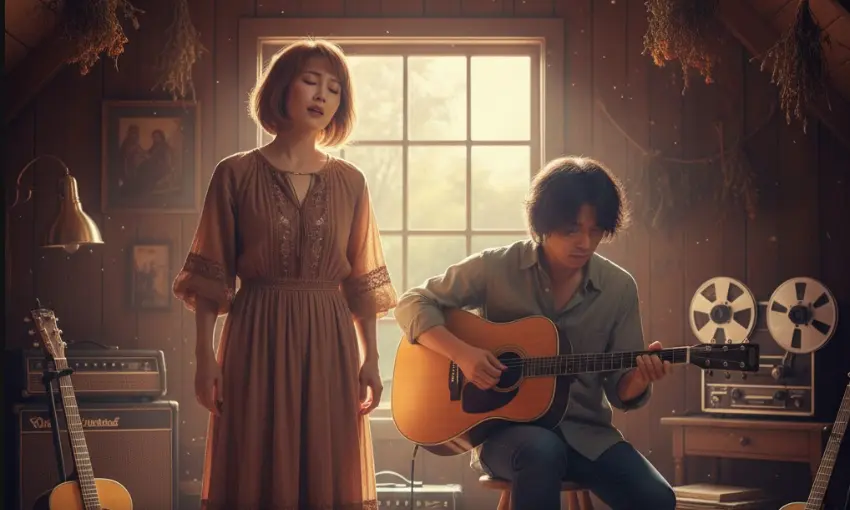
While much of the era’s music relied on lush strings and dramatic development, this country-tinged approach was distinctive. By stripping away ornamentation, the song avoids becoming dated. Like a well-worn cotton shirt, it feels natural whenever you return to it.
Had it been arranged with flashy electronic sounds of its time, it might not have endured so long. The unwavering trust in melody and lyrics is precisely what made it a standard.
The “Precious Box” Forgotten in the Depths of the Heart
It Is Not Too Late to Unlock It
The lyrics mention “a precious box forgotten deep in the heart.” Few expressions resonate more poignantly.
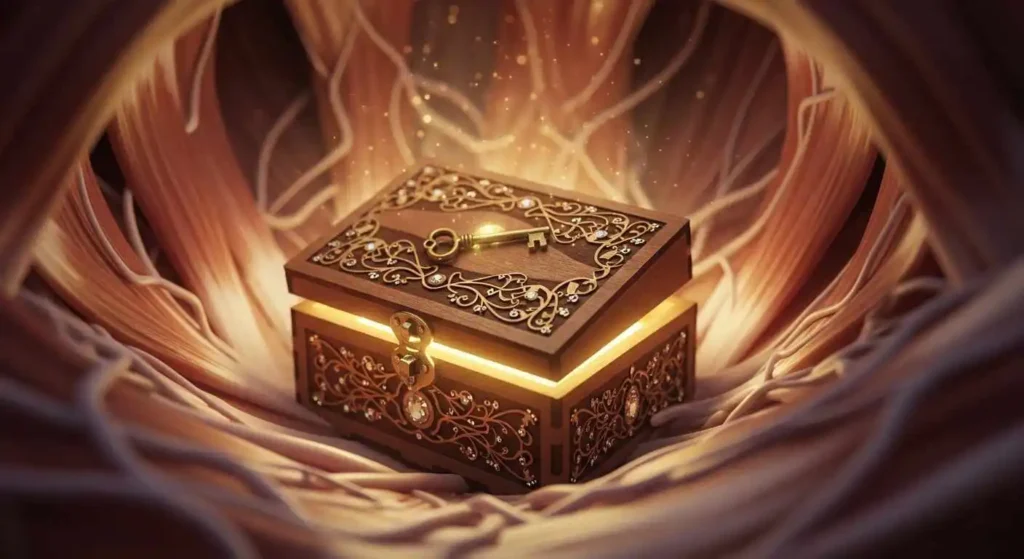
What lies inside that box? Perhaps pure curiosity, unconditional trust in someone, or the quiet confidence that “I am enough as I am.”
To navigate society’s rough waters, we tucked that box away — sometimes even pretending it did not exist. It became a kind of armor necessary for adulthood.
Listening to this song feels like gently turning the key to that rusted lock.
Living the Miracle Called “Today”
The repeated line — “Everything you see is a message” — functions both as encouragement and as a proposal for how to live. Even without extraordinary events, waking up, opening the curtains, and finding light there is itself enough.

If we can find gentleness within such ordinary scenes, life is already rich. In youth, I pursued stimulation and achievement. Now I understand the value of the quiet happiness this song reveals.
Afterword: In the Morning Light
I have placed “Embraced in Softness” at No.11.
Each morning as I open the curtains, the intro plays softly in my mind. That small ritual gently shifts the tone of my day. If you are feeling weary of everyday life, try listening to this song again. You may hear the precious box deep within your heart quietly click open.

コメント