- 🎧 Enjoy this article in audio
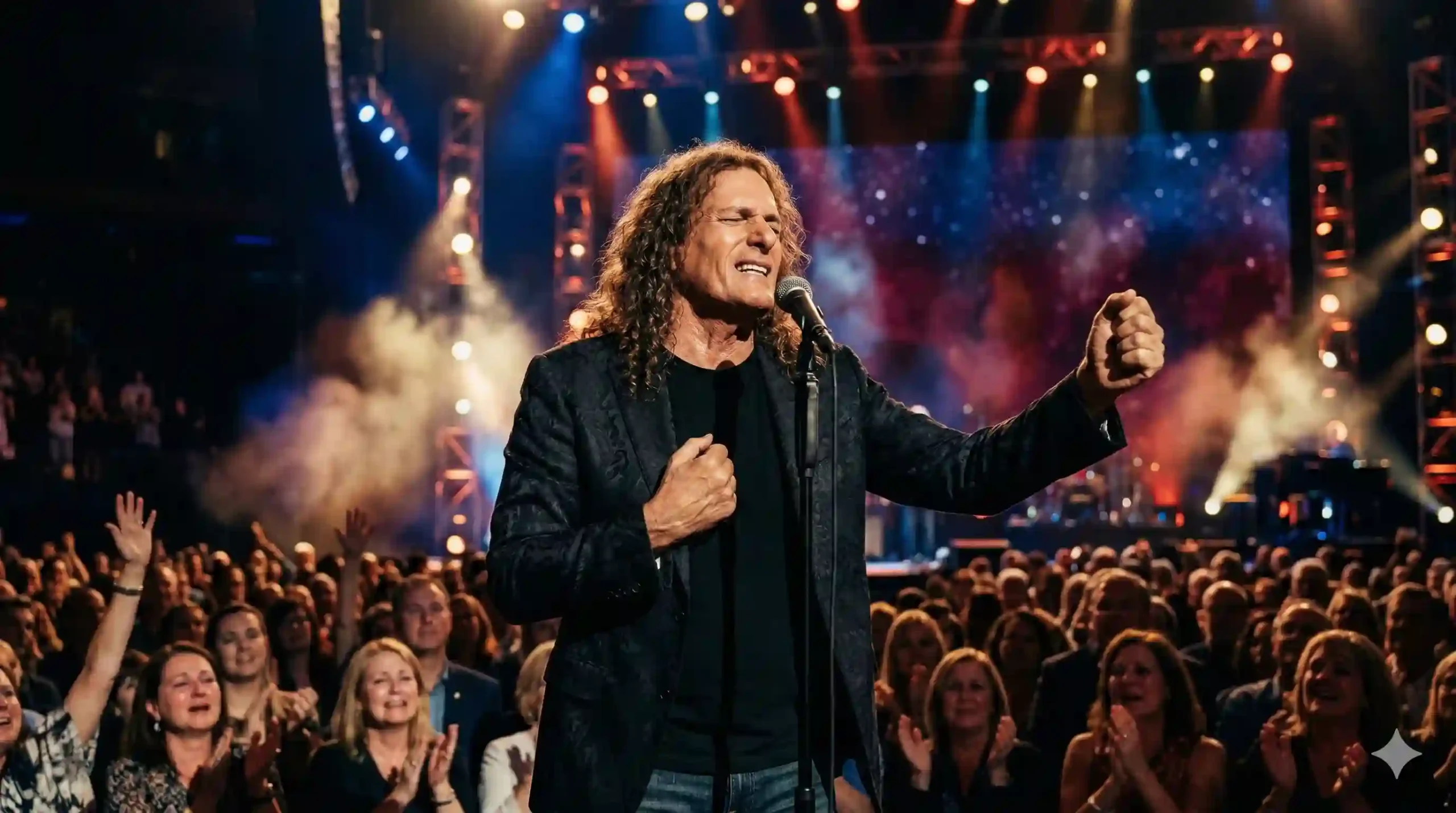
- Today is Michael Bolton’s Birthday.
- When I First Heard This Song
- Michael Bolton’s Late-Blooming Success Story
- Behind the Scenes: Production by a Miraculous Hitmaker Trio
- The Frenetic Music Scene of the Late 80s to Early 90s
- The Intricate Structure of Melody and Sound
- Deciphering Misunderstandings and Urgent Questions from the Lyrics
- The Visual Approach and Energy of the Music Video
- The Immense Legacy Left by Michael Bolton in Modern Music
🎧 Enjoy this article in audio
🎶 English Narration
Press the play button to listen to the contents of this article in English.
🎵 Japanese Narration
You can listen to the Japanese narration of this article.
* Listening to the audio before reading the text will give you a deeper understanding of the song’s background and highlights.
Today is Michael Bolton’s Birthday.
Michael Bolton is a singer-songwriter born on February 26, 1953, in Connecticut, USA.
He is world-renowned as a leading artist of “Blue-Eyed Soul”—soul music performed by white artists—possessing a husky and overwhelmingly powerful voice. In his younger years, he performed as a vocalist for hard rock bands, but he experienced a long period of struggling without many hits.
However, his talent fully blossomed in the late 1980s when he shifted his style toward AOR (Adult Oriented Rock) and pop as a solo artist. With the massive success of his 1989 album “Soul Provider,” he won multiple Grammy Awards and rose to become a global superstar. His passionate singing voice continues to touch the hearts of many listeners across generations.
Poetic Interpretation
How can we be lovers if we can't even be friends?
How can we start over in the middle of these endless fights?
The truth is I still love you, and that's exactly why I don't want to break this.
I want to cross this wall between us and face each other properly once more.
First, please watch the official YouTube video.
Credit Information
Artist: Michael Bolton
Song Title: "How Can We Be Lovers"
Album: "Soul Provider"
Release Year: 1989 (Album), 1990 (Single)
Two-Line Summary
A definitive hit of early 90s Adult Contemporary, characterized by powerful vocals and a dramatic structure. It is one of Michael Bolton's signature ballads, focusing on the theme of lovers' misunderstandings and the hope for reconciliation.
When I First Heard This Song
| My Age | Elem. | Jr. High | High | Univ. | 20s | 30s | 40s | 50s | 60+ |
| Release Year | 1989 | ||||||||
| When I Listened | ● |
I first heard this song after I had started working. When it was released, I was 32 years old, working at a branch located in a residential area.
At the time, I commuted by car and was always caught in traffic on the way home. I often listened to music in the car, and I believe this song happened to come on over the radio during one of those drives.
I have always felt that the impression of music changes greatly depending on the scenery when you encounter it. When descending the slope from the town on the hill, the lights of Oita city spreading out before me always looked sentimental. This was because I was scheduled to be transferred to Osaka that summer.

Faced with such a change in my environment, this song struck a deep chord within me. To be honest, listening to it now doesn’t cause the same emotional turbulence as it did back then. Nevertheless, a certain nostalgia remains within me, intertwined with the night view of Oita seen from that hillside.
Michael Bolton’s Late-Blooming Success Story
Struggling Years and the Dramatic Breakout
Michael Bolton’s musical career did not start smoothly. From the 1970s to the early 1980s, he performed under his near-birth name “Michael Bolotin” and as the frontman for the hard rock band “Blackjack.”
Back then, he aimed for heavy rock but failed to achieve commercial success, facing hardships like having record contracts terminated. Despite this, he never let his passion for music die and stayed in the tough music industry by providing songs to other artists as a songwriter.
A Path Forward as a Songwriter
The major turning point was the massive success of the ballad “How Am I Supposed to Live Without You,” which he provided to Laura Branigan.
Later, he released a self-cover of the same song under his own name, which achieved the feat of reaching number one in the US. He is truly a “late-blooming superstar” who finally broke through in his late 30s. The overwhelming vocal power and explosive emotional expression cultivated through long years of live performances during his struggling era are the foundation of the strength and persuasion found in his songs.
Behind the Scenes: Production by a Miraculous Hitmaker Trio
An Overly Luxurious Lineup of Producers
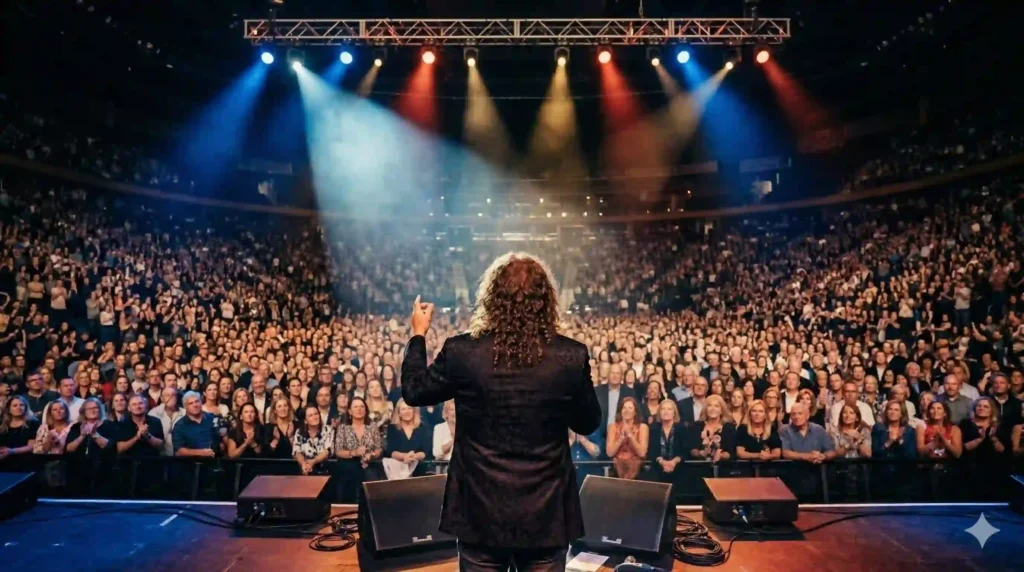
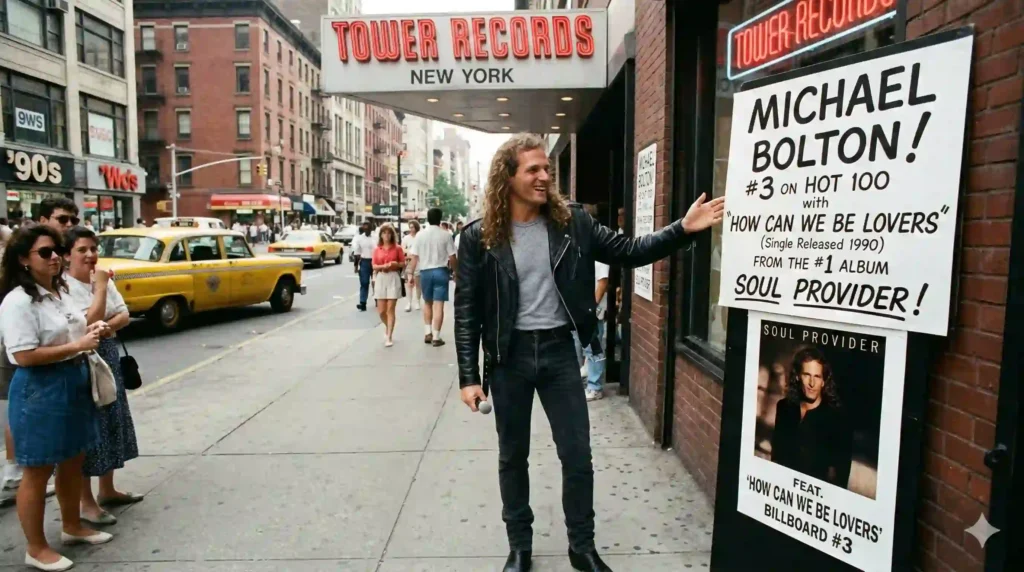
“How Can We Be Lovers” was included in the album “Soul Provider” (released June 1989), which represents a peak in Michael Bolton’s career, and it was released as a single in 1990, peaking at number 3 on the US Billboard Hot 100.
The most notable point of this song is the luxury of the production team. In addition to Michael Bolton himself, two of the strongest hitmakers leading the music industry at the time, Diane Warren and Desmond Child, co-wrote the track.
The Magician of Melody and the Architect of Stadium Rock
Diane Warren is a genius melody maker who later provided songs for numerous major artists like Celine Dion and Aerosmith, producing a string of US number-one hits. The melodies she creates are dramatic and possess a catchiness that instantly captures the public’s heart.
On the other hand, Desmond Child excelled in arena-rock style songs that would spark massive sing-alongs in giant stadiums, such as Bon Jovi’s “Livin’ on a Prayer.”
The collision and perfect fusion of Diane (the “Magician of Melody”), Desmond (the “Architect of Stadium Rock”), and Michael (the “Soulful Vocalist”) resulted in the birth of “How Can We Be Lovers”—a miraculous song that is top-tier pop yet carries the heat of hard rock.
The Frenetic Music Scene of the Late 80s to Early 90s
A Brilliant Crossover of Rock and Soul
The music scene from 1989 to 1990, when this song was released, was a very vibrant era where diverse genres intermingled.
It was the heyday of MTV, and visual appeal through music videos was an absolute requirement for a hit. Trends included flashy pop using bright synthesizers, arena rock that drove stadium crowds wild, and R&B that showcased overwhelming vocal power, all competing for the top of the charts.

In this era, Michael Bolton brilliantly crossed over the “dynamism of rock” and the “emotional singing of soul.”
The Gorgeous Sound Symbolizing the Era
His image—shaking his trademark long curly hair while shouting into the microphone with all his heart and soul—left a powerful impact on MTV viewers at the time.
With a white vocalist possessing a black music feeling performing over bright keyboard melodies and edgy electric guitar backing, “How Can We Be Lovers” features a rich and gorgeous sound production that packs in all the “best and most luxurious parts” of the late 1980s.
The Intricate Structure of Melody and Sound
Dramatic Progression Toward an Explosive Chorus
Analyzing the musical structure of this track reveals the synergistic effect of Desmond Child’s signature “explosive power in the chorus” and Diane Warren’s “dramatic progression.”
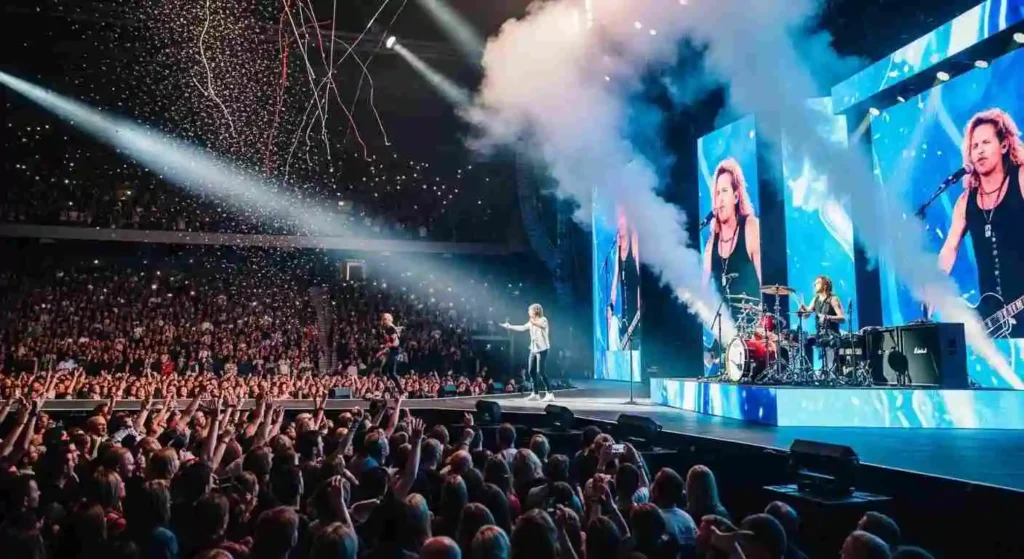
The upbeat, powerful pop-rock sound ringing from the intro instantly raises the listener’s tension. The drum beat is tight and heavy, and when thick chorus layers are added, it creates an exhilaration as if standing in the middle of a stadium with tens of thousands of people.
Vocal Power Breaking Through the Limits
In the Verse, he explains the current critical situation between the two with a slightly restrained tone, gradually building the vocal voltage during the pre-chorus.
Then, the moment the song hits the Chorus, Michael Bolton’s shout of “How can we be lovers, if we can’t be friends?” is simply breathtaking.
The raspiness of his voice and his control over the high notes—pushed to the limits of his throat—reached a realm that could only be achieved through years of grueling tour experience as a rock singer. This dynamic progression is the biggest reason why the song functions not just as a sad love song, but as a powerful rock anthem that rouses the listener’s heart.
Deciphering Misunderstandings and Urgent Questions from the Lyrics
How Can We Be Lovers if We Can’t Be Friends?
The lyrics of “How Can We Be Lovers” candidly depict the painful cries of a man and woman whose relationship is on the verge of collapse. The chorus phrase is presented right at the start, giving the listener a strong shock. “How can we be lovers, if we can’t be friends?” “How can we start over when the fighting never ends?”

The core of this song is concentrated in this series of questions. It strikes at a very realistic and universal truth: in a romantic relationship, romantic love alone is not enough to sustain it; a foundation as “friends” who can trust each other as human beings is essential.
The Wall Between Two Who Have Lost Their Words
The Verse specifically describes the current situation of the two.
“Look at us now, look at us baby / Still tryin’ to work it out, never get it right”
“We lie awake, this wall between us / We’re just not talkin’, we got so much to say.”
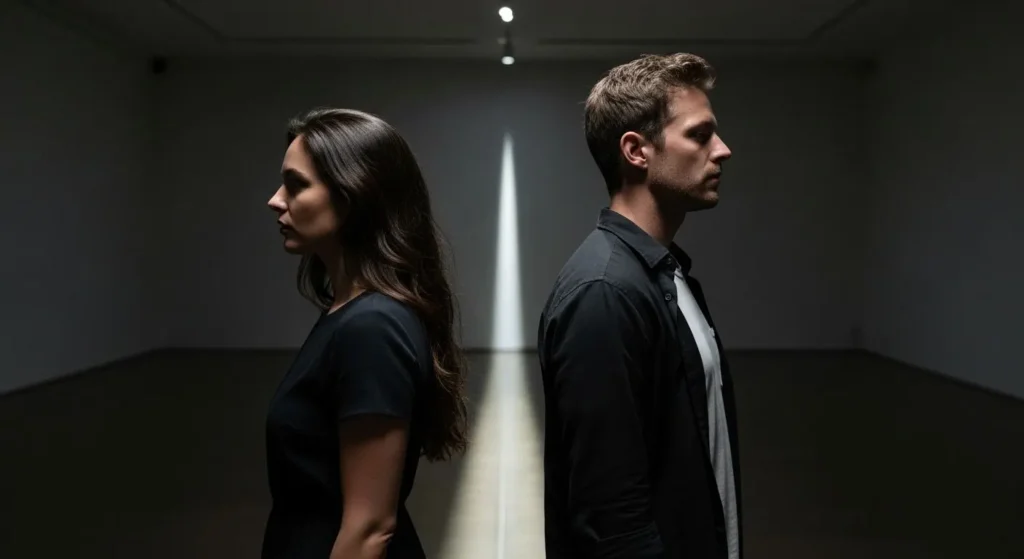
These phrases convey the suffocating tension of a couple whose hearts are desperately far apart even while sharing the same bed.
Words like “no communication” and “no-win situation” follow, expressing the intersection of the desire to mend the relationship and the frustration when it doesn’t work.
A Strong Determination Amid Despair
However, this song is not just about despair.
A powerful message is released in the Bridge.
“Baby, love is tough but we can take it / Baby, times are rough but we can make it / We can work it out.”
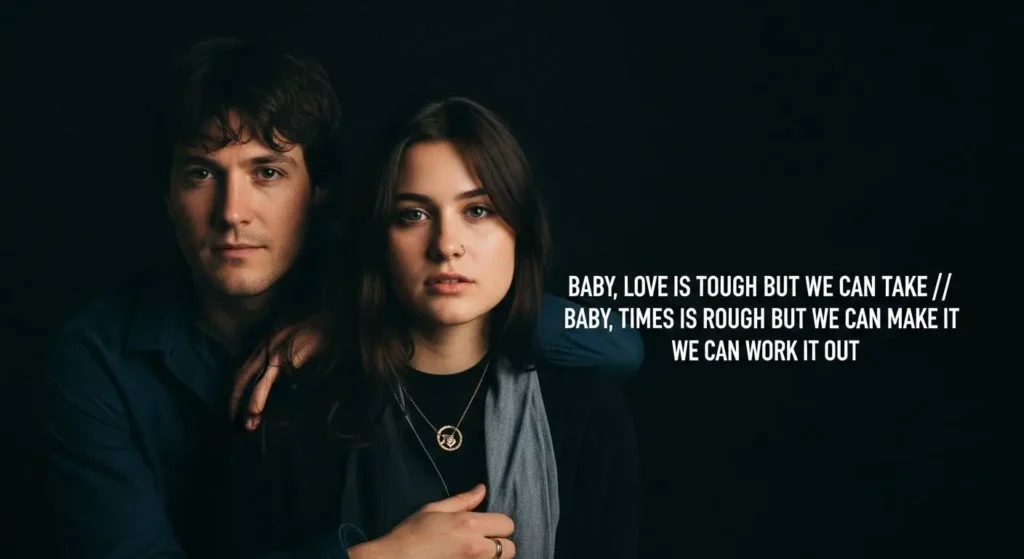
Even when faced with fierce conflict or obstacles like walls of cold ice, the strong determination not to end this love is emphasized by Michael Bolton’s powerful vocals. This “refusal to give up” is what resonates with many people, and combined with the surging chorus, it serves almost as a rallying cry.
The Visual Approach and Energy of the Music Video
A Performance of Heart and Soul
Watching the official music video, you can directly feel the energy of Michael Bolton’s performance at the time. The video begins with scenes filled with the pre-live excitement of heading from backstage to the stage, primarily consisting of energetic performance scenes of him and his band members.
Of particular note is his dynamic expressiveness using his entire body. Gripping the microphone stand tightly, frowning, and creating deep wrinkles between his brows as if converting all the energy in his body into sound—he is the embodiment of the album title “Soul Provider.”
The Atmosphere Unique to the 1990s
The footage perfectly recreates the arena rock atmosphere unique to the 1990s by interweaving vivid blue and red lighting effects, a smoky stage, and the enthusiastic cheers of the audience.
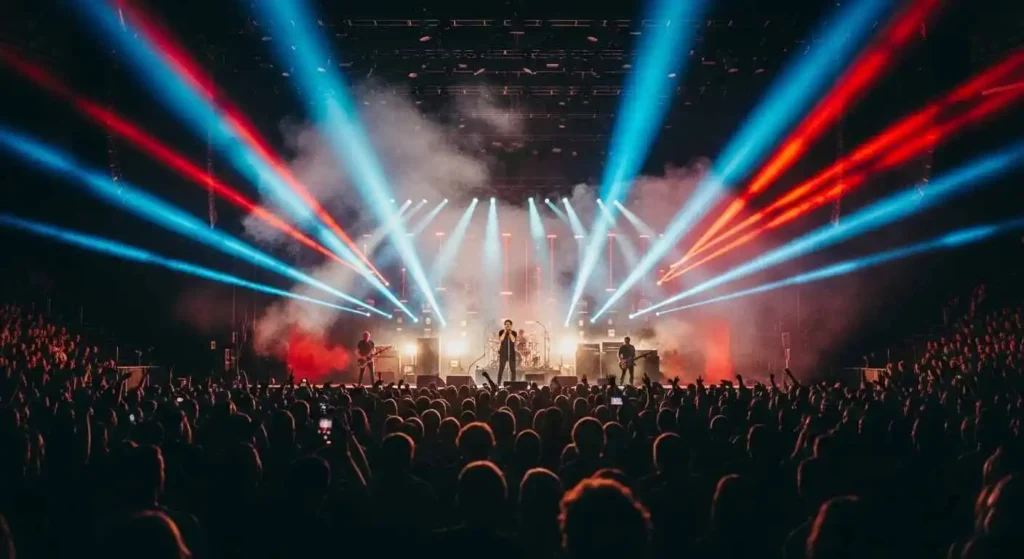
The visual flashiness and Michael’s rugged, soulful vocal style create a brilliant contrast, amplifying the song’s flame-like energy many times over.
The Immense Legacy Left by Michael Bolton in Modern Music
A Classic Masterpiece Sung Across Eras
“How Can We Be Lovers” is a masterpiece that represents the perfect marriage of early 90s American pop and rock.
The “Blue-Eyed Soul” style established by Michael Bolton, which fuses the power of rock with the emotional expression of R&B, had a profound influence on the subsequent music scene. Even today, his songs are frequently chosen by participants in various music audition programs in the US and Europe to showcase their overwhelming vocal abilities.
This is because his songs not only have good melodies but also possess a demanding and dramatic structure that draws out the limits of the singer’s emotions.


コメント