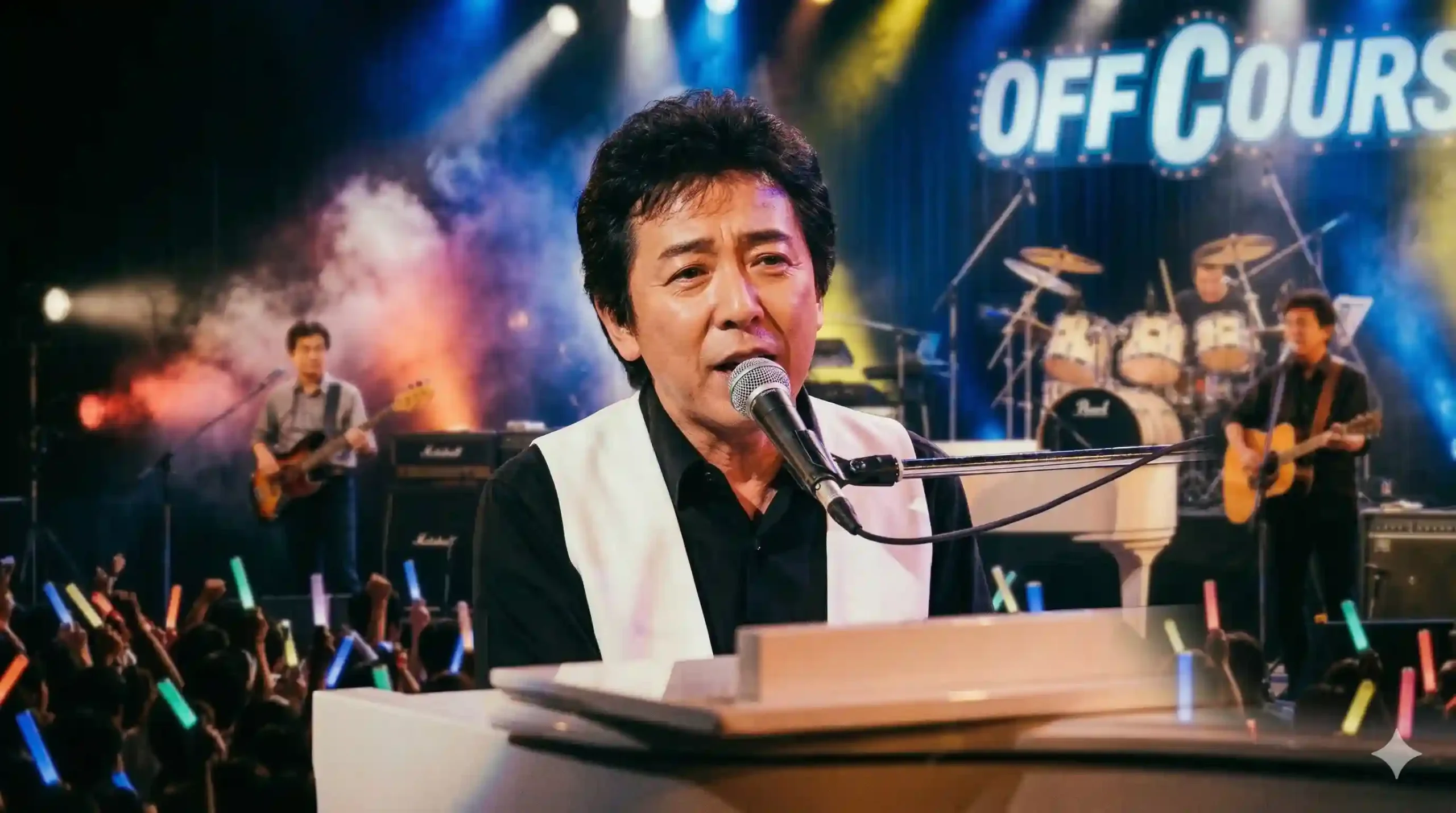
- 🎧 Listen to this article
- Prologue — The Birth of “The Off Course” and the Resonance of Acoustic Sound
- Formative Years (1969–1973) — Struggles and Refinement as a Duo
- Transition Period (1974–1978) — Expansion to a Band and Sophistication
- Notes on Sound-making: The Eve of the Breakthrough
- The Golden Age (1979–1982) — Five-Member Off Course and Massive Success
- The Explosion of “Sayonara” and Mass Popularity
- Meeting Engineer Bill Schnee
- The Peak and the Rift — The Road to 10 Days at Budokan
- 1982: The Legendary “NEXT”
🎧 Listen to this article
You can quickly review the key points of this article through audio.
Recommended for those who want to grasp the main points before reading.
🎶 English Narration
A summary of this article narrated in English.
⌛ Duration: Approx. 4 min
🎵 Japanese Narration
The same content is also available in Japanese.
⌛ Duration: Approx. 4 min
* Listening to the audio first will help you gain a deeper understanding of Off Course’s history and sound evolution before diving into the text.
Prologue — The Birth of “The Off Course” and the Resonance of Acoustic Sound
The Meeting at Seiko Gakuin and Their Acoustic Origins
The origins of Off Course date back to 1965, when Kazumasa Oda, Yasuhiro Suzuki, and Michio Jinushi formed a group while in their third year at Seiko Gakuin High School in Yokohama—a prestigious elite school known for sending around 100 students to the University of Tokyo every year.
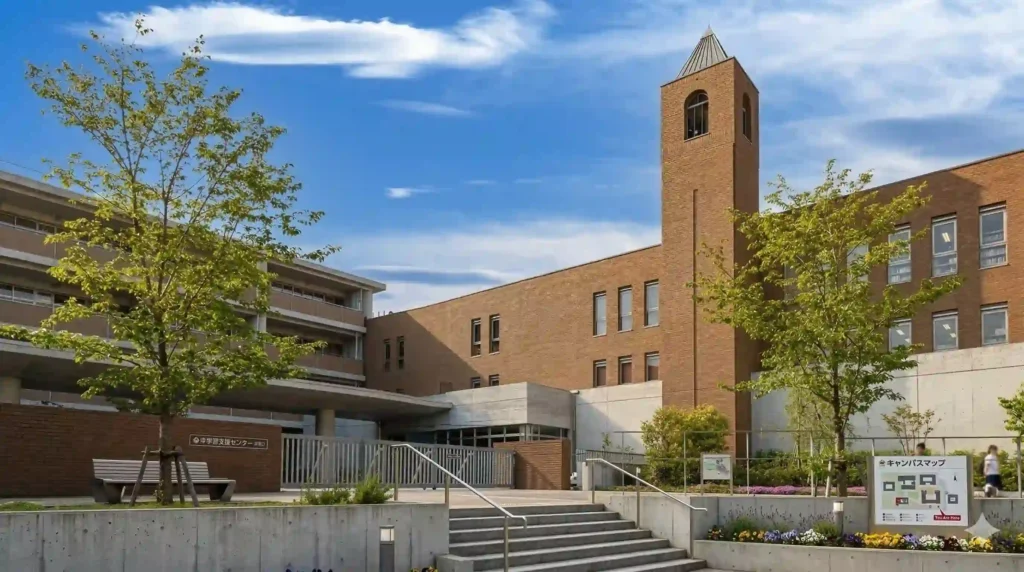
Initially, they were heavily influenced by modern folk acts like Peter, Paul and Mary (PP&M), pursuing the resonance of acoustic instruments and beautiful vocal harmonies.
This foundation of “layered voices” and “acoustic guitar ensembles” cultivated during their student years would continue to function as the core of their music, no matter how electronic or heavy their band sound would become in later years.
Parallel Lines: Architecture and Music
Kazumasa Oda studied architecture at Tohoku University and later earned his Master’s degree from Waseda University Graduate School. This unique background—continuing his academic pursuits alongside his music career even after his professional debut—had a decisive influence on the musical structure of Off Course.
This background as a “Master’s-educated STEM elite” brings to mind Tom Scholz, the leader of the American band “Boston.” Just as Scholz utilized his engineering expertise from MIT to revolutionize sound engineering, Oda brought an architectural approach to music.
It wasn’t just about precision. It was about “designing” sound—not just layering notes by feel, but calculating where each sound should be placed to make the space resonate most beautifully. The seeds of this meticulous sound design, treating every note as part of a physical structure to build a perfectly balanced space, existed since his student days. This overwhelming commitment to “blueprinted” sound became a unique weapon for Off Course, resonating with the same quest for ideal resonance that Boston pioneered.

Formative Years (1969–1973) — Struggles and Refinement as a Duo
The Shock of the Yamaha Light Music Contest
In 1969, they entered the 3rd Yamaha Light Music Contest as “The Off Course.” They intended to win and turn professional, but finished in second place, losing to the group “Akai Tori.” This defeat served as the catalyst that drove the duo to delve even deeper into their musical exploration.
Kazumasa Oda’s Transparent High-Tones and Melodies
Kazumasa Oda’s vocals possessed a sound that was extremely unique in the Japanese music scene at the time. His crystal-clear voice, rich in overtones and not just high in pitch, possessed a sophisticated, urban blend of coolness and warmth that was the polar opposite of the earthy, “muddy” style of Japanese folk music. His melodies carried the leaps found in Western pop, yet featured a unique rhythmic phrasing designed to carry the beauty of the Japanese language.

Yasuhiro Suzuki’s Western Influence and Masterful Guitar Work
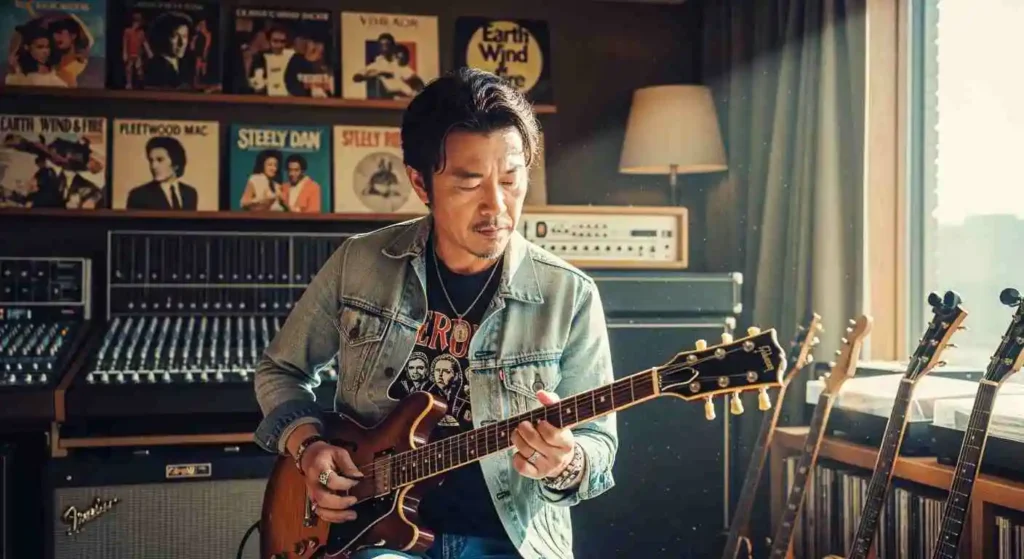
Meanwhile, Yasuhiro Suzuki brought a deep knowledge of West Coast rock, AOR, and R&B, building the foundation of their sound with his advanced guitar techniques and arranging skills. Using open tunings and complex chord voicings, Suzuki provided the musical grounding and “Western edge” to Oda’s intuitive melodies.
The Conflict of Two Talents
The greatest charm of early Off Course lay in the process of weaving together these two different talents—the “intuitive and transparent Oda” and the “theoretical and technical Suzuki”—without compromise. However, in the era where “four-and-a-half-mat folk” (simple, domestic folk music) reigned supreme, their sophisticated musicality was not immediately understood by the masses, leading to a long period of obscurity.
Transition Period (1974–1978) — Expansion to a Band and Sophistication
“Wine no Nioi” and the Birth of Self-Production
The 1975 release of their 3rd album, *Wine no Nioi* (The Scent of Wine), was a crucial turning point. This was when they clearly established their stance on “self-production,” choosing to control their sound themselves rather than relying on external producers or arrangers.
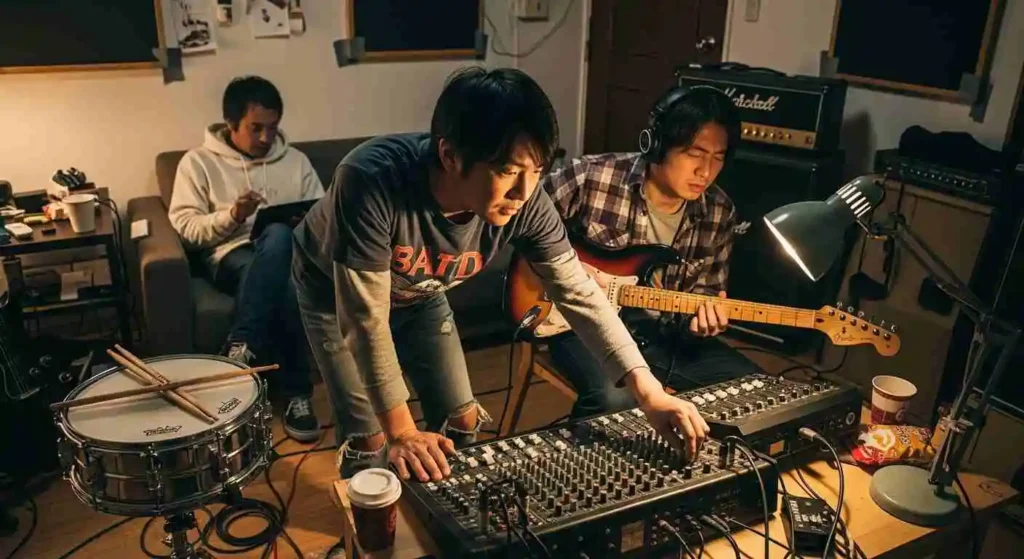
They dramatically expanded their soundscape from the world of two acoustic guitars into a three-dimensional pop experience, incorporating strings, horn sections, and multi-track recording.
Joining Forces with Shimizu, Ohma, and Matsuo
To reproduce their meticulous sound live and thicken their studio recordings, support musicians became essential. It was during this time that Hitoshi Shimizu (Bass), Jiro Ohma (Drums), and Kazuhiko Matsuo (Guitar) began participating in recordings and tours.
They weren’t just a backing band; they became “musical allies” who met Oda and Suzuki’s high demands and often provided ideas that exceeded expectations.
Runway to a Band Sound
Listening to songs from this period (such as “Aki no Kehai” and “Natsu no Owari”), you can hear how the tight groove of the rhythm section and the colorful electric guitar obbligatos provided momentum while retaining an acoustic touch. This period from 1974 to 1978 was the most beautiful and thrilling transition phase—just before their metamorphosis from a “folk duo” into a “rock band.”
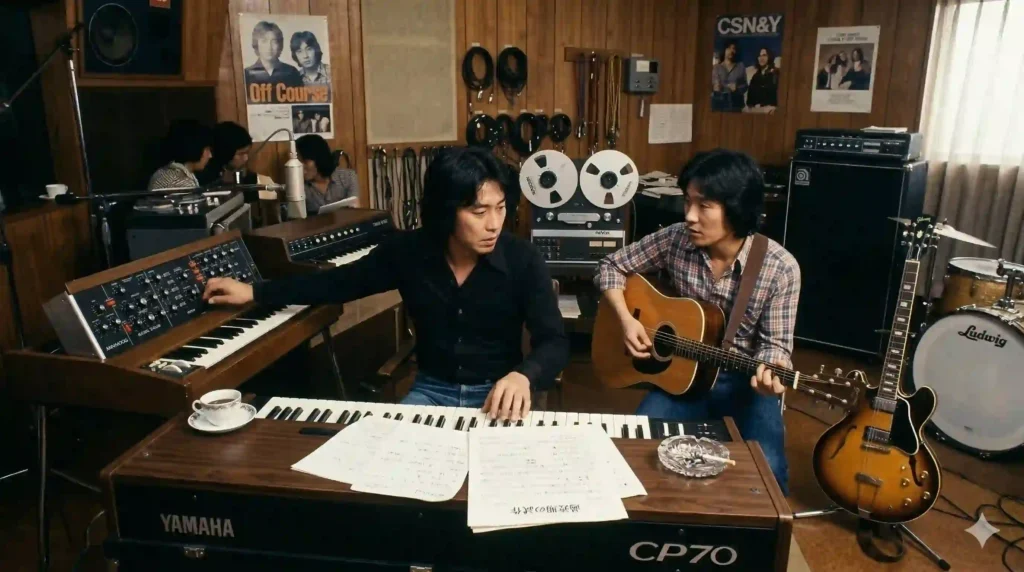
Notes on Sound-making: The Eve of the Breakthrough
Restructuring the Chorus Work
As the band sound thickened, they needed creative ways to ensure their voices weren’t buried by the instruments. Their approach to backing vocals evolved beyond simple 3rd-interval harmonies to include contrapuntal movements and unison layering to amplify overtones, resulting in a complex layer structure rivaling Western vocal groups.
Introduction of Synthesizers
In the late 1970s, the introduction of synthesizers (such as the Prophet-5) brought a definitive “modernity” and “spatial expansion” to Off Course’s sound. By layering the warmth of acoustic instruments with the cool, beautiful pads of electronic ones, the skeleton of that unique “Off Course sound” was completed, leading into *FAIRWAY* and *Three and Two*.
The Golden Age (1979–1982) — Five-Member Off Course and Massive Success
“Three and Two”: Full Band Transformation
The 1979 album *Three and Two* is a definitive boundary line in Off Course history. Hitoshi Shimizu (Ba), Jiro Ohma (Dr), and Kazuhiko Matsuo (Gt)—who had supported their recordings and lives since around 1976—were finally credited as official members. Off Course fully shed its skin as an acoustic duo to become a full-fledged five-piece rock band.
A new “3” was added to the “2” of Oda and Suzuki. As the album title suggests, the vitality of a powerful rhythm section and the drive of two electric guitars pushed their delicate chorus work to new heights of power. The energy of this “Five-man Off Course,” born from the collision of five distinct personalities, became the engine for their subsequent explosive success.
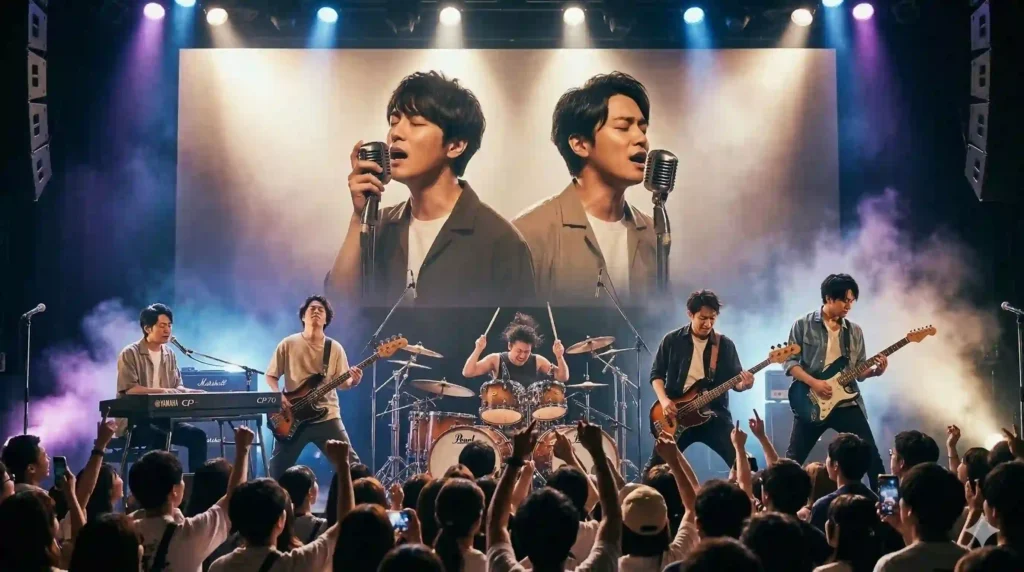
The Explosion of “Sayonara” and Mass Popularity
The Pinnacle of Melody and Scenery
The single “Sayonara,” released at the end of 1979, changed their destiny and the history of Japanese pop. Starting with an iconic piano intro, Kazumasa Oda’s transparent vocals depict a cold winter scene. With its powerful hook in the chorus, thick band sound, and Yasuhiro Suzuki’s wailing guitar solo, the song perfectly fused folk lyricism with Western rock dynamism. it became an instant million-seller, propelling Off Course into a household name.

Successive Hits and the Innovation of “Yes-No”
Riding the momentum of “Sayonara,” they released “Yes-No” in 1980. The arrangement—featuring the Prophet-5 brass sounds and Kazuhiko Matsuo’s muted guitar cutting—was an overwhelmingly sophisticated AOR approach that stood apart from the Japanese pop of the era. They proved they were a band that could “create hits by design.”
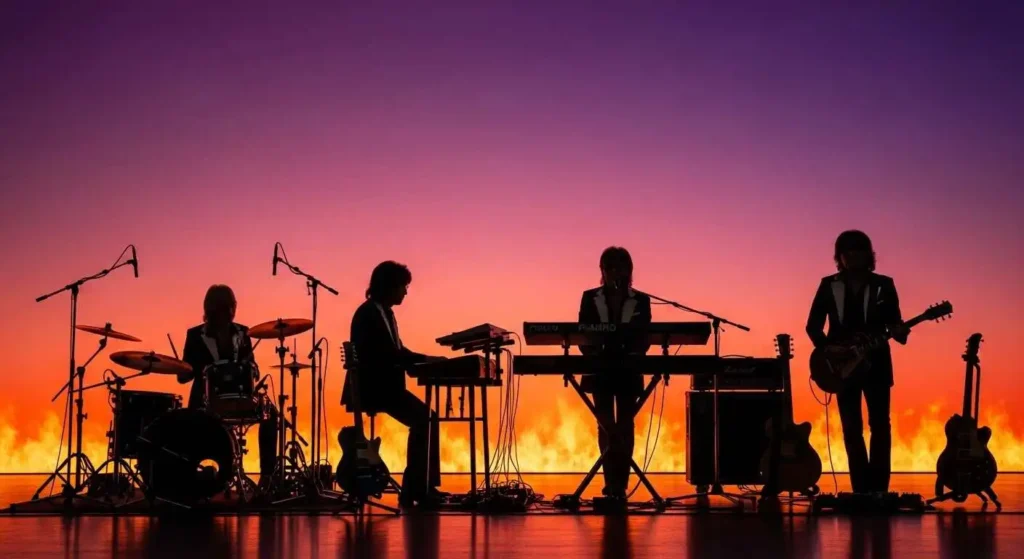
Meeting Engineer Bill Schnee
Acquiring the West Coast AOR Sound
Absolutely essential to this golden era was the recruitment of world-renowned American engineer Bill Schnee, known for his work on Boz Scaggs’ *Silk Degrees* and Steely Dan’s *Aja*.
Their collaboration began with the mixing of the single “Yes-No” in June 1980. The interplay between the synth and guitar, and the overall drum image, stunned listeners with a sound that was pure “Western rock,” unlike anything on Japanese records before.
From the album *We are* (1980) onward, having him as a full-time mixer dramatically improved the resolution of their sound. The separation of instruments, the positioning, and the deep, clear spatial expansion meant they had fully acquired a cutting-edge West Coast sound. The “overwhelmingly good audio quality” of their records, which hasn’t faded with time, reached its completion through this partnership with Bill Schnee.
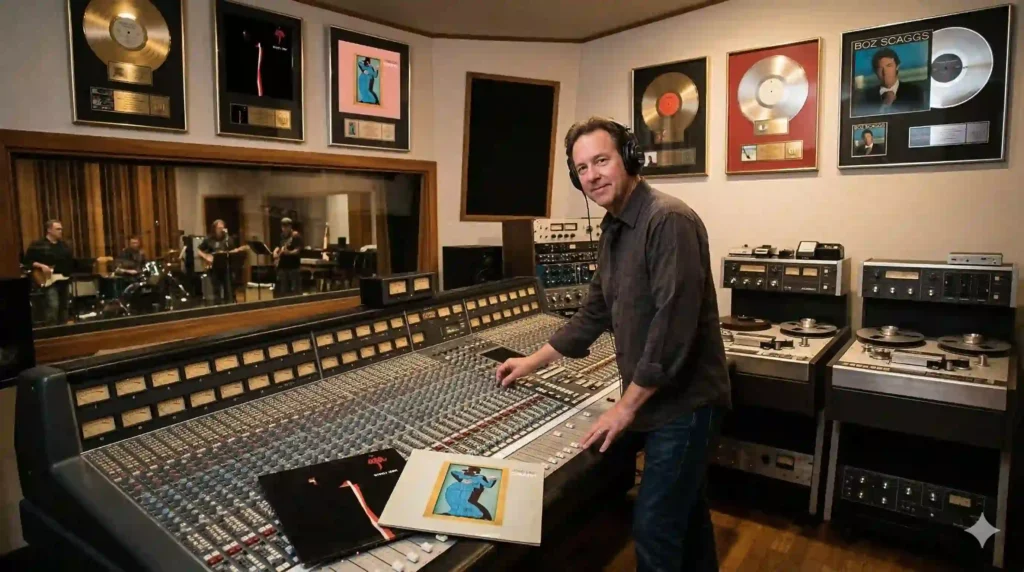
The Peak and the Rift — The Road to 10 Days at Budokan
“Kotoba ni Dekinai” as a Milestone
“Kotoba ni Dekinai” (I Can’t Put It Into Words), included in the album *over* (1981), is a masterpiece that needs no explanation. It captures the moment when Oda’s talent as a songwriter and the five-piece ensemble reached their zenith. With its grand arrangement and stripped-back lyrics, the albums *We are* and *over* were literally a message suggesting the end of the band—”We are over.”

Yasuhiro Suzuki’s Conflict and Desire for Independence
Ironically, as the band’s perfection and commercial success grew, an unbridgeable gap began to form between Oda and Suzuki. As the sound of the massive ship “Off Course” leaned toward Oda’s sophisticated pop sense, Suzuki—who sought a rockier, earthier approach and his own musical identity—gradually looked toward independence. The strong aesthetic that “Off Course is both of us, and if one is missing, it isn’t Off Course” created a high-tension atmosphere within the band.
1982: The Legendary “NEXT”
Unprecedented Live Performances and Silence
In June 1982, they carried out an unprecedented “10 Consecutive Days at Nippon Budokan.”
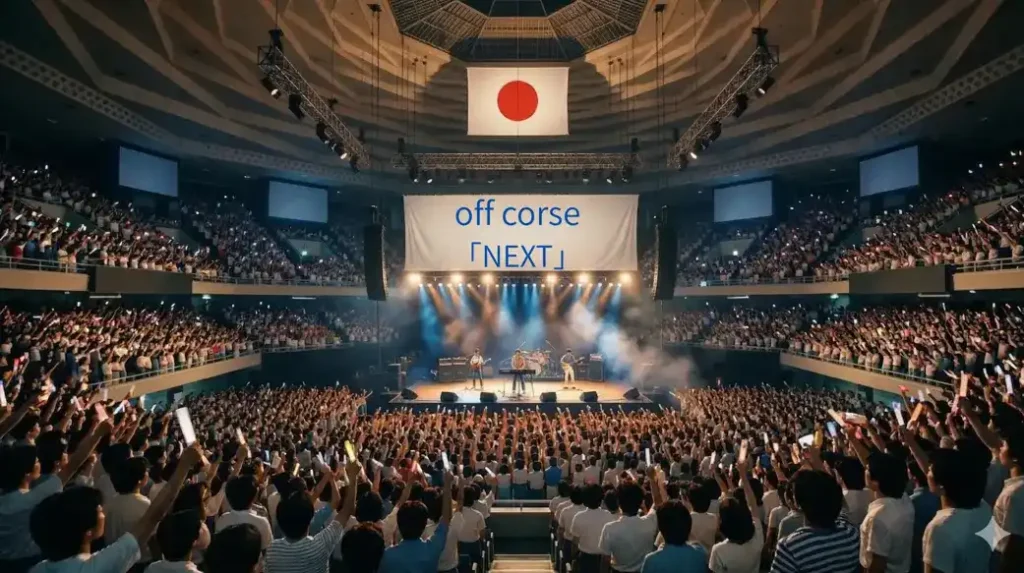
Tickets became instant rarities, and the whole of Japan was captivated. The extraordinary heat of the final day, and the moment Oda became unable to sing “Kotoba ni Dekinai” due to tears, is still legendary. Following the TV special *NEXT* aired that same year, Yasuhiro Suzuki left the band, and Off Course went on hiatus. The “Five-member Off Course” closed its brilliant history at the height of its popularity.
Loss and Rebirth (1984–1985) — The Beginning of Four-Member Off Course
Suzuki’s Departure and Oda’s Anguish
The Curse of “The Duo that Started It All”
For a band founded on the two pillars of Oda and Suzuki, losing one wing meant losing the band’s very identity. After much suffering, Oda chose to continue as a four-piece band rather than disbanding. However, how to fill the void of Suzuki’s masterful guitar and his contrasting vocal harmonies became the biggest challenge for their restart.
Deepening of Programming and Synthesizers
A New Soundscape in “The Best Year of My Life”
In 1984, they presented their answer with the album *The Best Year of My Life*. They fully embraced the latest technology of the time, such as the Fairlight CMI sampler, synthesizers, and MIDI sequencing. As seen in “Kimi ga, Uso o, Tsuita,” as the acoustic and earthy rock elements receded, the sound purified into a sophisticated, urban digital pop.
Cool, transparent synth brass and precisely programmed rhythm tracks became the new “vessel” to highlight Kazumasa Oda’s crystal voice.
The Rise of Kazuhiko Matsuo and Rebuilt Harmonies
Kazuhiko Matsuo took on a more significant role in songwriting and guitar arrangements to fill the void. His melodious guitar solos, as heard in “Natsu no Hi,” became a new signature of Off Course. Additionally, the four-man chorus work shifted from its previous masculine power to a more neutral, ethereal harmony that harmonized perfectly with digital gear.
Mature Pop and the Mastery of Programmed Sound (1986–1988)
Purifying Western AOR into “Oda Pop”
Following *as close as possible* (1985) and **1987’s *it’s ANYTIME***, the Off Course sound shifted from a “refined imitation of Western music” to the archetype of a unique “J-POP” centered around Oda. They reached the pinnacle of hybrid sound—syncing 16-beat drum machines with live drums and layering slap bass with synth bass.
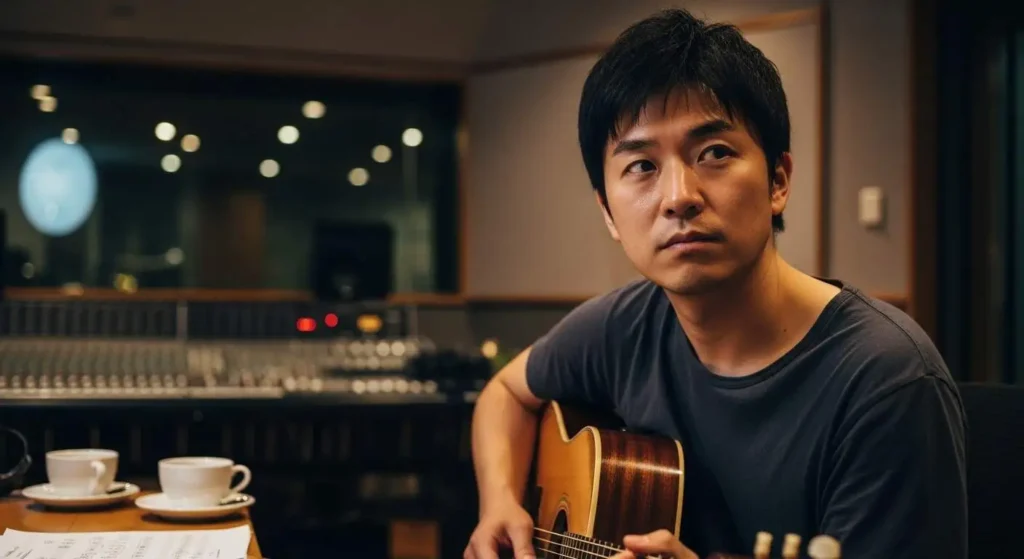
“Still a long way to go” — Premonition of the End
Their final original album, *Still a long way to go* (1988), practiced a “subtractive” approach to sound. Rather than filling the space, they placed only the necessary notes to highlight the breath of the vocals and the skeleton of the melody. This would lead directly into Oda’s later solo work.
Countdown to the End and Disbandment (1989)
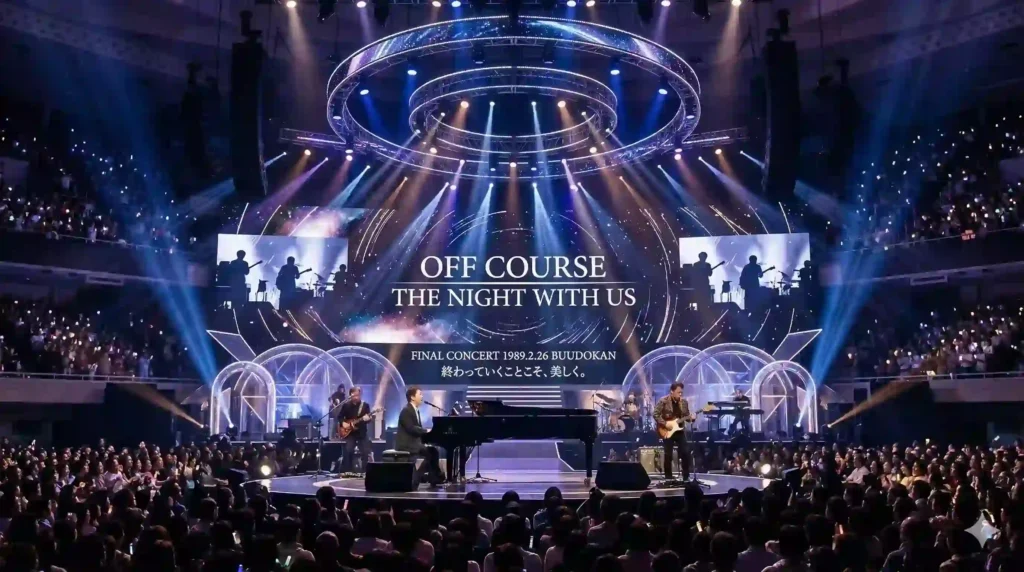
The Final Tokyo Dome: “The Night with Us”
On February 26, 1989, Off Course officially disbanded with a concert at the newly completed Tokyo Dome. Before 50,000 fans, they performed as ultimate professionals without breaking down. They treated their ending as a meticulously calculated grand show, beautifully packaged—a fitting “sophisticated” period to the story of Off Course.
The Core of Their Sound and the Uniqueness of Off Course
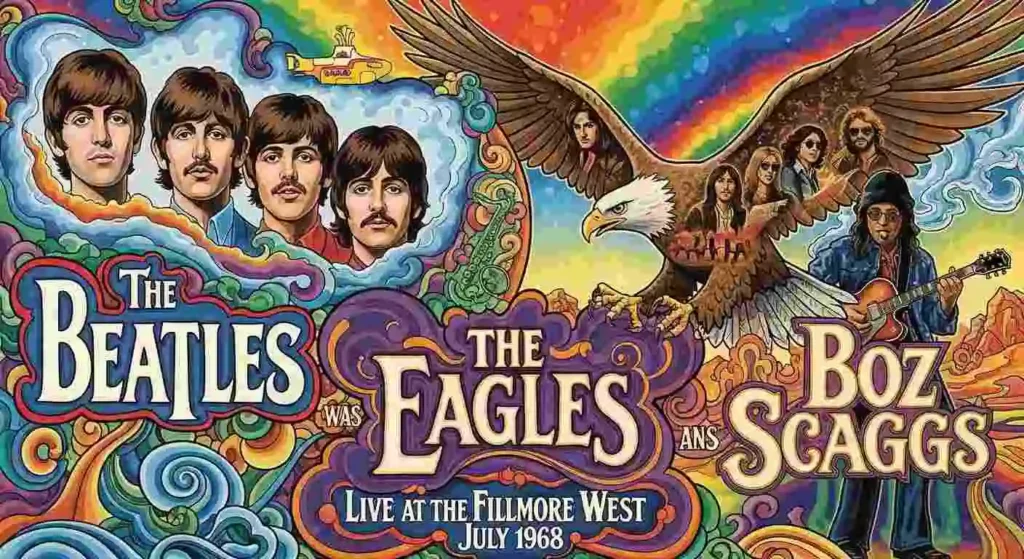
The history of Off Course was a battle to reconstruct the highest peaks of Western sound—from PP&M to **The Beatles**, **Eagles**, and Boz Scaggs—as Japanese pop.
Melody and Japanese Phrasing
Oda’s melodies used Western chord progressions but featured “unique phrasing” to make Japanese vowels resonate beautifully. Their greatest achievement was creating a dynamism rivaling Western music using only pure Japanese sounds.
Rhythm and Spatial Design
From two acoustic guitars to a five-piece ensemble and digital gear, their “architectural” approach—designing a space where sounds don’t collide but resonate perfectly—remained consistent until the very end.
Conclusion — “Our Off Course” Continues
The 20 years from 1969 to 1989 are the history of Japanese popular music evolving from Folk to New Music and J-POP. Their “uncompromising sound-making” and “transparent melodies” continue to influence listeners and the next generation of musicians.
Even as eras change from cassette tapes to streaming, the magic of Off Course, which changes the air the moment an intro starts, never fades.
This concludes our historical overview.
Next time, I will finally present **”My Personal Best 15: Off Course Edition.”** I will bring you my most cherished songs from this long history in a ranking format from my own unique perspective. Stay tuned!
コメント