- 🎧 Listen to this article (Japanese / English)
- The First Christmas Song That Makes Me Feel the Season…
- A Very Rough Paraphrase of “Happy Xmas (War Is Over)”
- First, Please Watch the Official Video
- What Does Christmas Mean to Japanese People?
- So, What Is Christmas, Really?
- When and Where Did I First Hear This Song?
🎧 Listen to this article (Japanese / English)
🎶 English narration
Press play to listen to an approximately three-minute English narration of this article: “Three Christmas songs chosen by one Japanese listener — No.1: ‘Happy Xmas (War Is Over)’.”
🎵 Japanese narration
Press play to listen to an approximately three-minute Japanese narration of this article: “Three Christmas songs chosen by one Japanese listener — No.1: ‘Happy Xmas (War Is Over)’.”
Tip: Listening first can help you feel the mood of the song and the memories behind this piece before reading.
The First Christmas Song That Makes Me Feel the Season…
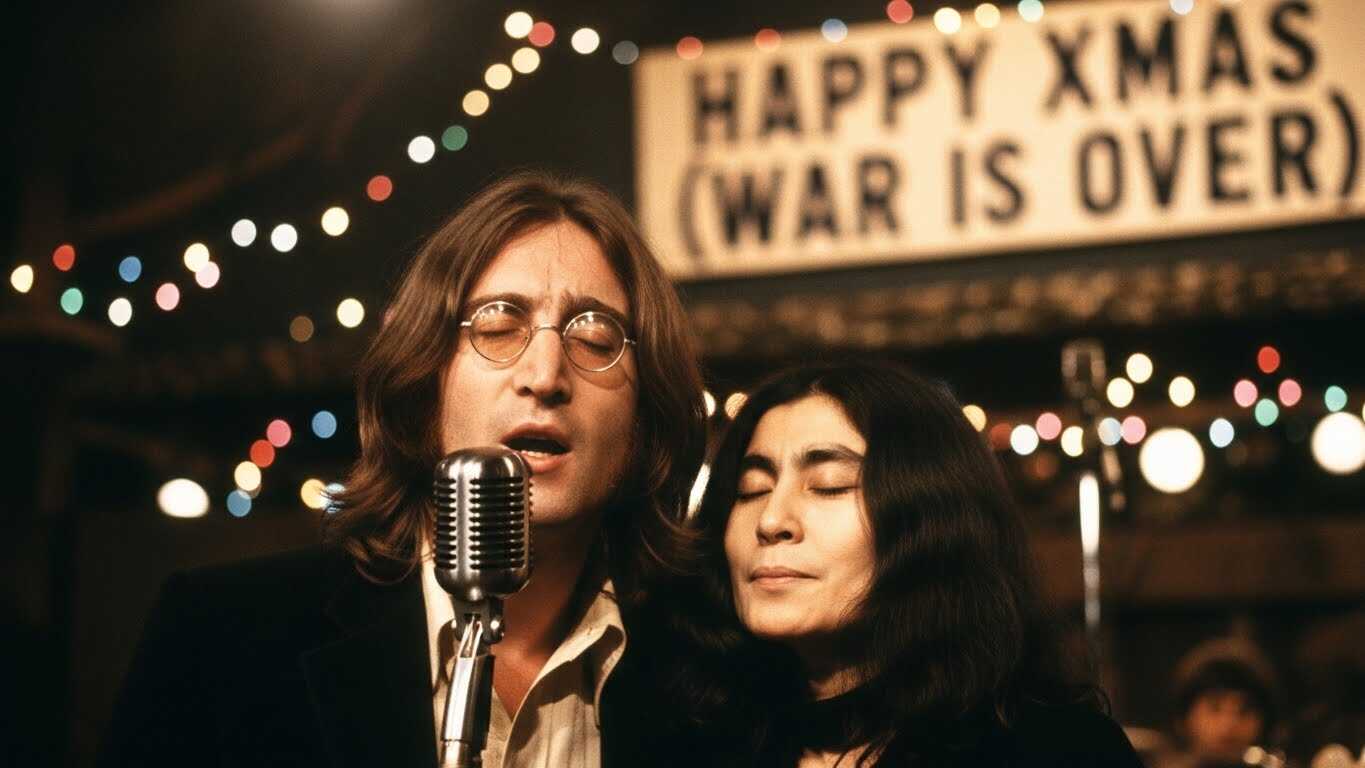
It is “Happy Xmas (War Is Over),” sung by John Lennon (October 9, 1940 – December 8, 1980).
It was released as a single in the United States on December 1, 1971.
- Artist: John Lennon & Yoko Ono
- Credit: John & Yoko / Plastic Ono Band with the Harlem Community Choir
- Label: Apple Records
- Year: 1971
Later, the song was included in best-of albums such as:
- 1975: Shaved Fish
- 1982: The John Lennon Collection
Through these releases, it gradually became established as a “classic Christmas song that naturally returns every December.”
To add some context, this song was originally released as a contemporary message song for Christmas 1971. Only later did it come to be regarded as a Christmas classic—giving it a rather unique position among holiday songs.
Unfortunately, I am not from the generation that experienced The Beatles in real time. Of course, I listened to them extensively after their breakup, but I do not have memories of growing up alongside their music.
The Beatles disbanded in 1970. I was twelve years old at the time. Ironically, that was also when I began to sink deeply into the world of music.
The moment I became truly aware of John Lennon was during a junior high school music class. Before the lesson began, the song playing in the room was “Mother” by John Lennon.
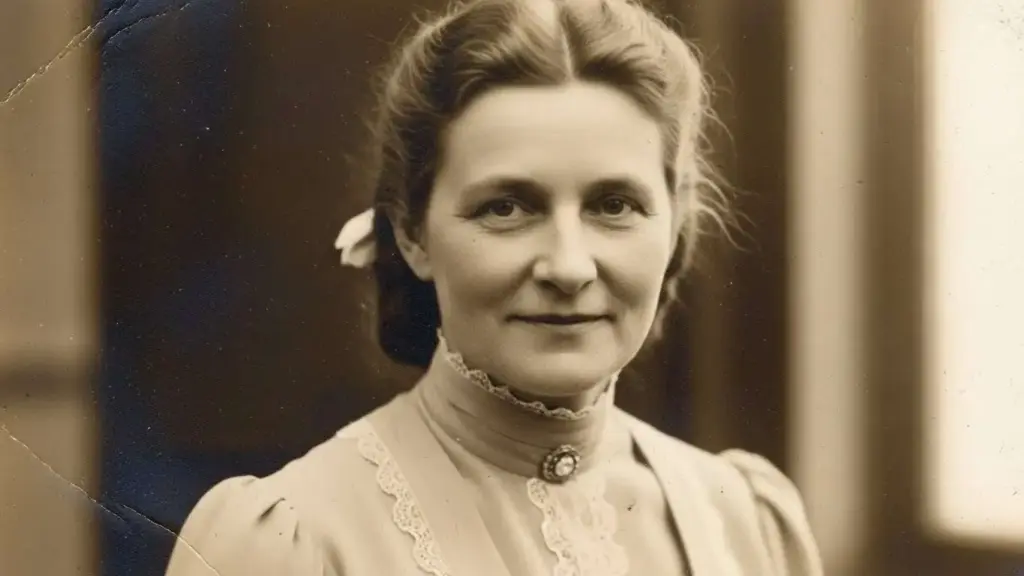
I don’t know whether the teacher simply liked the song or not, but music that would never normally be played in class completely filled the room. It was my first time hearing it, yet the impact from the very opening remains astonishingly vivid even now.
(It is the opening track of the solo album John Lennon / Plastic Ono Band, released in 1970 immediately after The Beatles’ breakup—a shocking piece in which Lennon lays bare his upbringing and complicated feelings toward his parents, especially his late mother Julia, through primal scream therapy.)
A Very Rough Paraphrase of “Happy Xmas (War Is Over)”
The year comes to an end, and a new one begins.
The strong and the weak, the near and the far—we all share the same time.
The world is still imperfect, yet the wish to end conflict is here.
A fearless future can truly begin, if someone dares to wish for it.
First, Please Watch the Official Video
✅ Official Video Credit
John & Yoko Plastic Ono Band with the Harlem Community Choir
HAPPY XMAS (WAR IS OVER) (Ultimate Mix, 2020)
Official YouTube Channel: John Lennon (Verified)
Release date: November 21, 2020
💬 Two-line Commentary
This is the official 2020 remix of the 1971 classic, enhanced with modern technology. The Harlem Community Choir’s chorus resonates gently, yet with unmistakable strength.
The phrase “War Is Over (If You Want It)” continues to be received as a timeless question from John Lennon—one that has never lost its relevance.
What Does Christmas Mean to Japanese People?
Japan has, in fact, had customs related to Christmas for quite a long time. The earliest traces of Christmas celebrations in Japan date back to the mid-16th century.
- In 1549, Jesuit missionaries such as Francis Xavier brought Christianity to Japan, along with Christmas Mass and celebrations.
- During the Sengoku period, Christmas was celebrated in limited areas, particularly in territories ruled by Christian daimyō, mainly in Kyushu.
- However, during the Edo period, Japan’s ban on Christianity caused these customs to almost completely disappear.
- The modern, widely recognized form of Christmas culture spread after the Meiji era, especially in the postwar period (from the 1950s onward), largely as a commercial and entertainment-driven event.
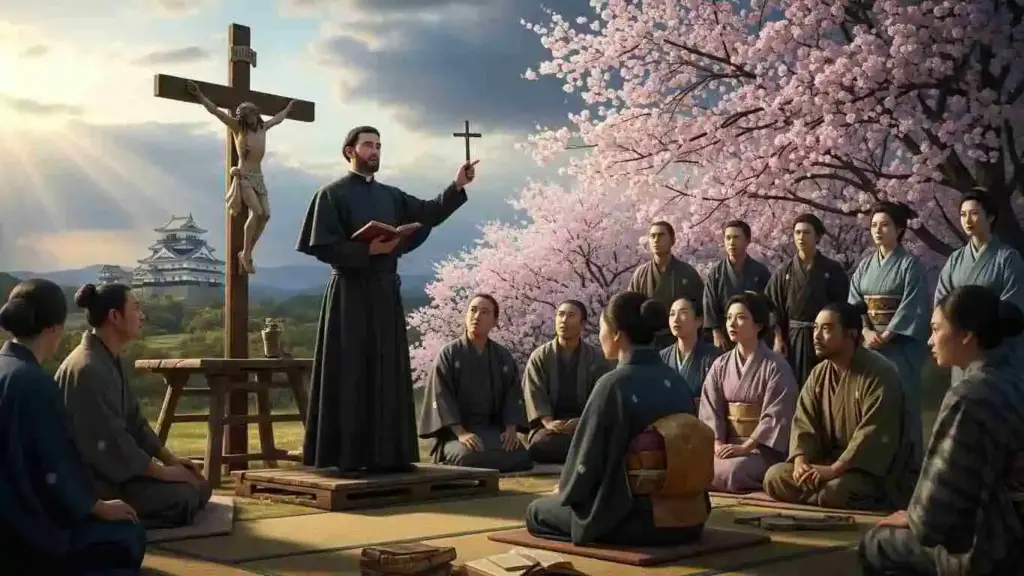
In other words, Japan can be said to have two Christmases: one with ancient roots, and another that was re-established in modern times.
And when talking about Christmas in Japan, one historical figure from my hometown of Oita cannot be overlooked: the Sengoku-era warlord Otomo Sorin.
- Otomo Sorin was one of the earliest Christian daimyō in Japan.
- He protected Portuguese missionaries, allowing Christian culture to flourish around Funai (modern-day Oita City).
- It is believed that Christmas Mass and celebrations were held there as well.
- At the time, Funai was one of Japan’s centers of Christian culture, making it one of the earliest places in Japan to experience Christmas.
In other words, one of the earliest places in Japan where Christmas was celebrated is the very city where I live—Oita. And at the center of that history stood Otomo Sorin.

Christmas Song No.1: “Happy Xmas (War Is Over)” — Commentary
When people hear the phrase “Christmas song,” many imagine something cheerful and lively—music that celebrates time spent with family or loved ones.
But this song contains very little of that kind of brightness. And yet, every December, I somehow find myself returning to it.
What stays with me most is the children’s chorus that enters in the middle and latter half of the song.
“So this is Christmas, Merry, merry Christmas, And a happy New Year.”
There is no forcefulness or assertion in their voices.

Instead, there is gentleness, warmth, and a sense of being quietly embraced. It doesn’t tell us how we should live, nor does it lecture us about what is right. It simply feels like a soft prayer, offered with the words, “Wouldn’t it be nice if things were this way?”
The song was released in 1971, during John Lennon’s solo period after The Beatles disbanded. The world was still in the midst of the Cold War, and the word “peace” carried far more weight than it does today.
Yet what comes through this song is neither anger nor protest. It is not a voice blaming someone, nor a message delivered with forceful words. Instead, through the voices of children, it quietly shares a wish for a world without conflict.
That is one reason why, no matter how many times I hear it, I can never grow tired of this song.
For me, growing up in Japan, Christmas was not a religious event. I never went to church, nor did I attend solemn Mass services.
But when December came, the atmosphere of the city would subtly change. Western music flowed from department stores, shopping streets, radios, and televisions, and the whole town seemed to take on a slightly buoyant mood.
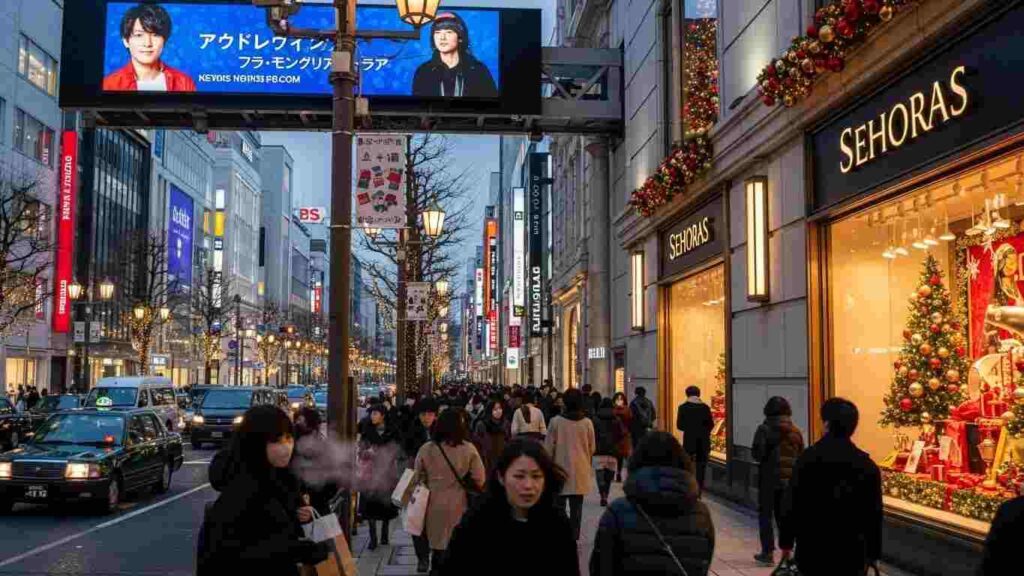
That was the Christmas I knew.
So, What Is Christmas, Really?
Christmas itself was not necessarily a “bright festival” from the very beginning.
It is, of course, a religious day commemorating the birth of Christ, but the date—December 25—also carries much older meanings.
The time of year when nights are longest. When the power of the sun is at its weakest, yet from here, the days slowly begin to grow longer again.
People in ancient times saw this period as a turning point—the return of light—and celebrated it as a symbol of hope and renewal. That is why Christmas has always contained a quiet, prayer-like atmosphere.
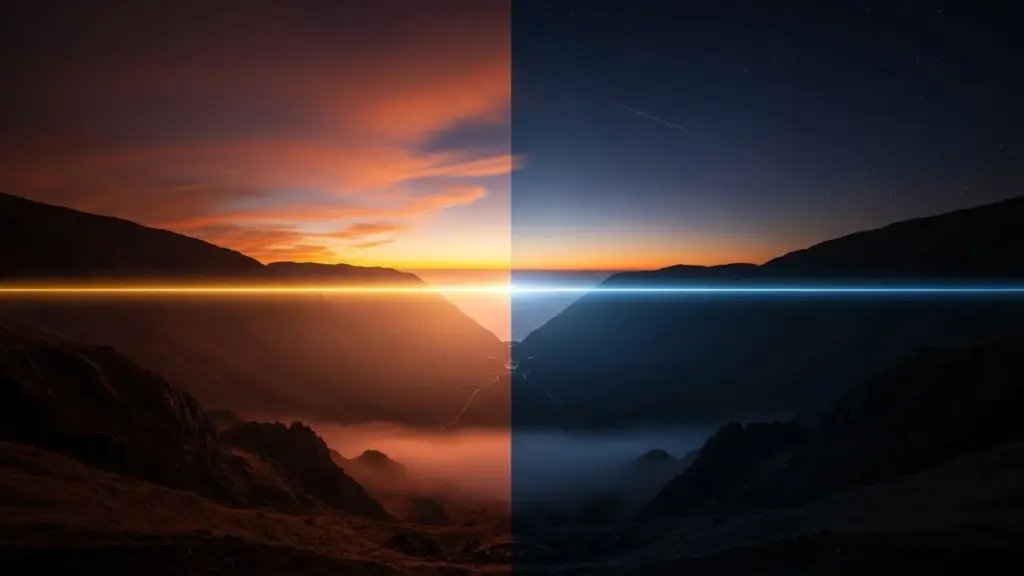
Rather than excitement, it carries a modest hope: “Perhaps things will get a little better from here.”
Even though Christmas was not a religious event for me, I now feel I understand why the air of the city changes ever so slightly when December arrives.
When and Where Did I First Hear This Song?
I never heard this song in church. Instead, it naturally found its way to my ears through record shops, background music in town, or radios as the year drew to a close.
I didn’t fully understand the lyrics at the time. Even so, I clearly felt that this was a song about something important.
John Lennon seemed like a slightly special figure to young people in Japan.
Although he was a member of The Beatles, he appeared to be looking in a different direction from the rest.
He never hesitated to speak about ideals.
That attitude felt fresh to Japanese audiences at the time. The fact that his wife was Yoko Ono also played a role in fostering a sense of familiarity.
Speaking openly about peace and love could feel embarrassing in Japan. Against that backdrop, Lennon’s willingness to express such ideas so openly felt almost dazzling.
A Shocking Day, 45 Years Ago…
Every time I hear this song, a particular scene comes back to me. It was December, during my final year as a university student in Tokyo.
Walking through an underground passage in Shinjuku, I saw the news on a digital sign: John Lennon had been shot.
It was a crowded underground mall, yet in that instant, it felt as though all surrounding sounds faded away.
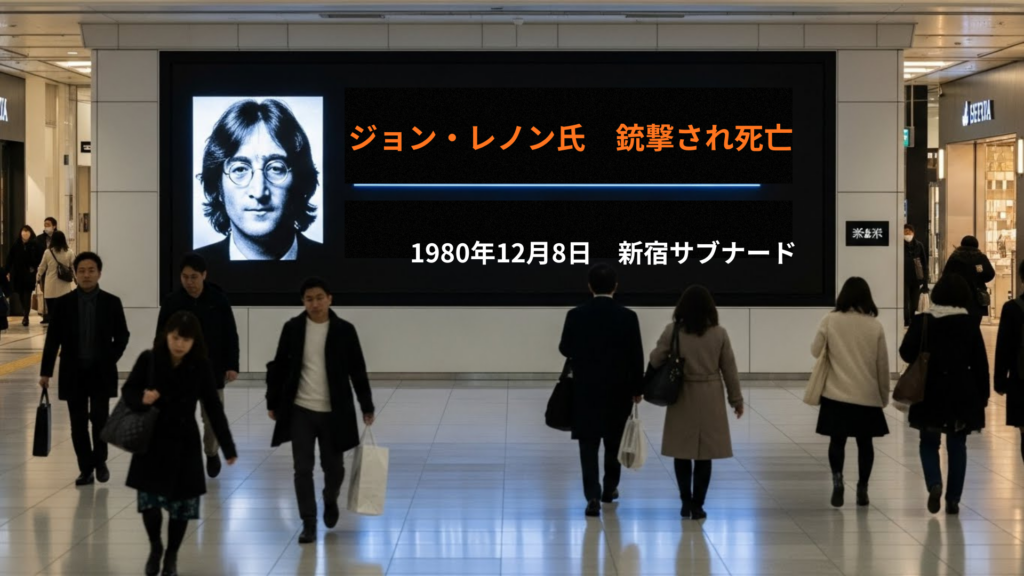
No one screamed. No one made a fuss. And yet, it felt as though something precious was quietly collapsing.
That moment remains strangely vivid in my memory. The world did not suddenly change.
The next day, the city moved on as usual.
Still, the fact that “something would never return” stayed with me. Perhaps that is why the children’s chorus in this song has come to resonate more deeply with each passing year.
Even now, when I listen to this song again, it does not feel old. The world, after all, is still far from peaceful.
It is not flashy. It is not lively. And yet, at the end of December, it is a song I want to listen to quietly.
This song has the power to make us pause, just for a moment. Listening quietly before the year ends, it naturally leads me to think, “I hope there will be peace.” For me, that is what makes this such a wonderful song.


コメント