- 🎧 Listen to This Article
- Prologue — Discovering “Sixteen Bars” in Tokyo
- The 1960s — The Musical Landscape of Philadelphia
- Thom Bell and Linda Creed — The Creative Team Behind the Golden Years
- 1971–1974 — A Golden Era of Consecutive Hits
- From 1974 Onward — New Producers and Continued Success in Britain
- Why the Stylistics Connected with Japanese Music Fans
- Epilogue — A Musical Journey That Began with “Sixteen Bars”
🎧 Listen to This Article
Enjoy an audio introduction to the history and musical legacy of the Stylistics.
Discover their journey from the rise of Philadelphia soul through their golden years and continued success in Britain.
🎵 English Narration
An English-language narration introducing the main themes of this article.
🎶 Japanese Narration
A Japanese-language narration introducing the main themes of this article.
The narration also shares my personal memory of discovering “Sixteen Bars” in Tokyo, setting the stage for the upcoming Personal Best 10 series.
Prologue — Discovering “Sixteen Bars” in Tokyo
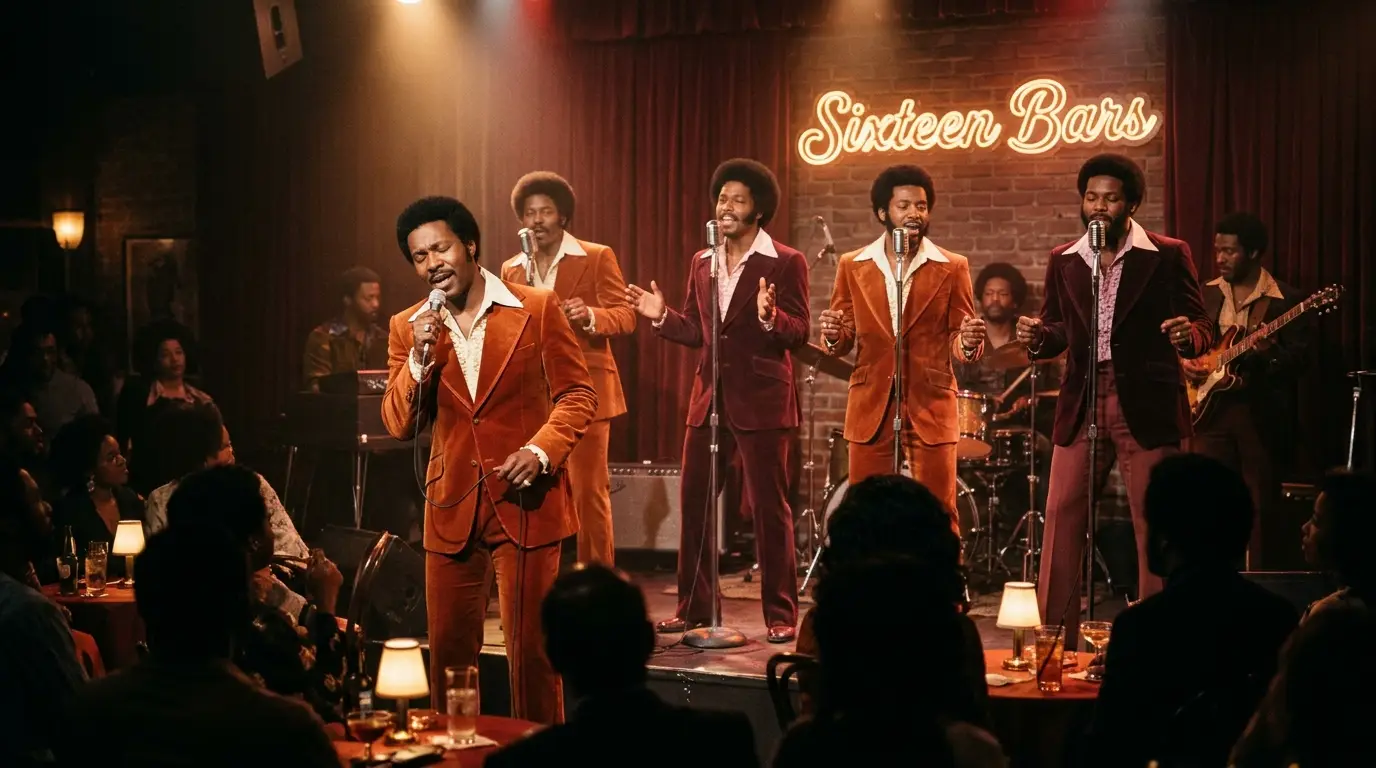
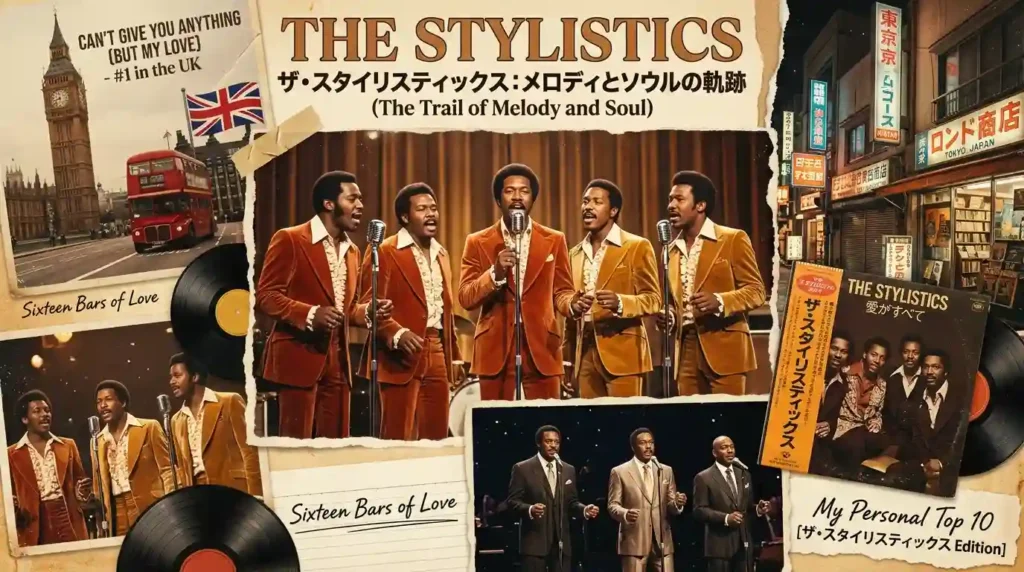
I first discovered the Stylistics shortly after graduating from high school and moving to Tokyo. The song that introduced me to their music was “Sixteen Bars.”
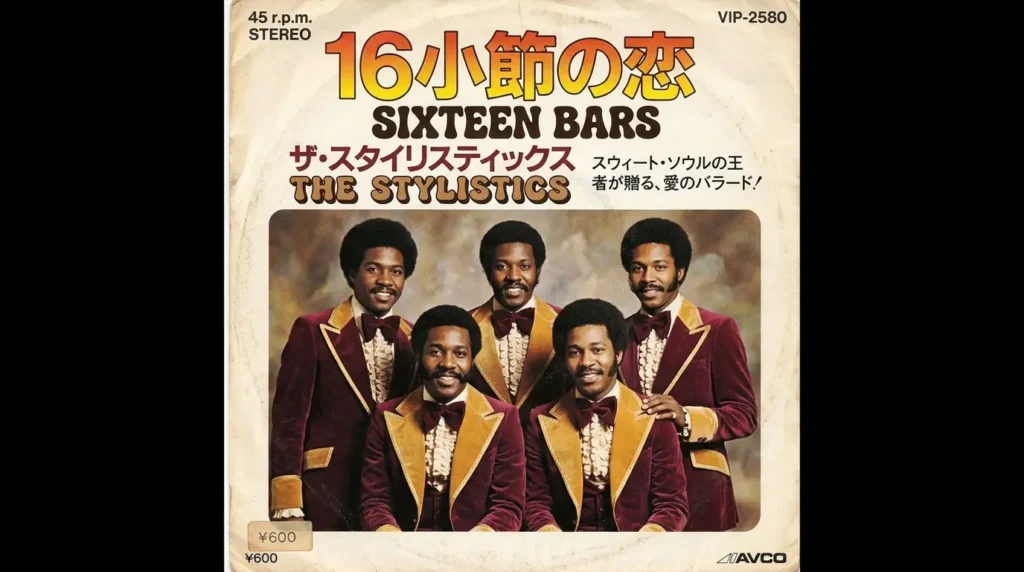
One of the Stylistics’ most distinctive qualities is their remarkably high yet gentle lead vocal. The rich sound of strings and carefully blended harmonies gives their love songs an unmistakable elegance. What appeals to me is not simply their sweetness, but also the subtle sense of longing that remains beneath the surface.
While listening to their recordings again for my personal Best 10, I rediscovered the appeal of songs I had known for years. I also became more aware of how their sound changed from one period to another. Before beginning the countdown, I would like to explore the group’s history and the musical qualities that made them so distinctive.
The 1960s — The Musical Landscape of Philadelphia
During the 1960s, African American music was becoming an increasingly influential force in American popular culture. In Detroit, Motown brought sophisticated soul music to a broad audience through artists such as the Supremes and the Temptations.
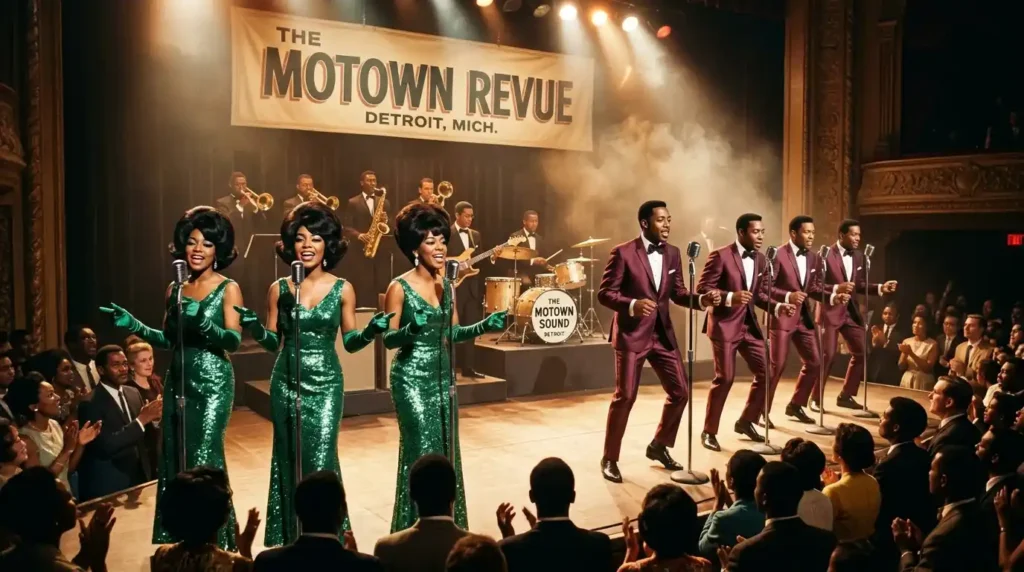
Meanwhile, Memphis and other Southern music centers developed a more impassioned soul sound, strongly influenced by gospel and blues.
The Emergence of Philly Soul
From the late 1960s into the 1970s, Philadelphia became known for recordings that combined the rhythmic foundations of soul with sophisticated string and horn arrangements. This musical style became known as Philadelphia soul, or simply Philly soul.
Three important figures in its development were Kenny Gamble, Leon Huff, and Thom Bell. Gamble and Huff were particularly associated with productions built around compelling rhythmic grooves, while Bell was celebrated for his rich harmonies and delicate orchestration. Although the three did not work together on every recording, each played a significant role in bringing Philadelphia’s music to an international audience.
The appeal of Philly soul was not merely the addition of orchestral instruments. Vocals, rhythm, and arrangements were carefully integrated so that each element enhanced the others. The result combined the energy of dance music with melodies that rewarded attentive listening.
The Formation of the Stylistics — Five Singers from Two Groups
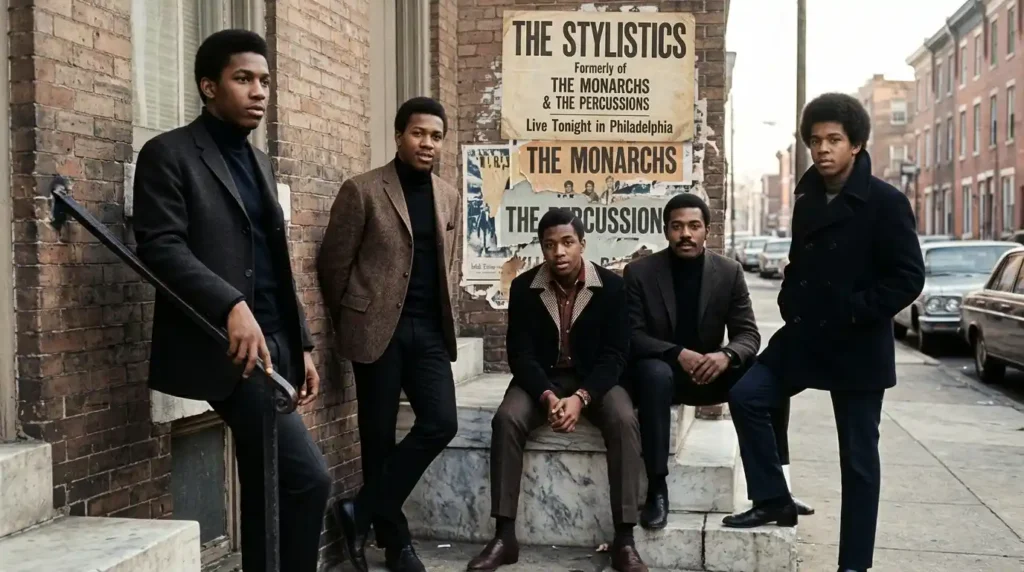
The Stylistics emerged from two Philadelphia vocal groups, the Monarchs and the Percussions.
As members of both groups left for college or military service, the remaining singers joined forces. Sources differ on the exact year of formation, with both 1966 and 1968 appearing in accounts of their early history. The group is generally recognized as having formed during the latter half of the 1960s.
The Breakthrough with “You’re a Big Girl Now”
In 1970, the group recorded “You’re a Big Girl Now” with the support of local music promoter Bill Perry. The song attracted attention in Philadelphia and eventually brought the group to the Avco label. In 1971, it reached No. 7 on the American R&B chart, providing their first major breakthrough.
Thom Bell and Linda Creed — The Creative Team Behind the Golden Years
Thom Bell was already a highly regarded songwriter, arranger, and producer, known for his work with groups such as the Delfonics. With the Stylistics, he built the arrangements around Russell Thompkins Jr.’s distinctive high register, carefully shaping every aspect of the recordings.
Russell Thompkins Jr.’s Remarkable Falsetto
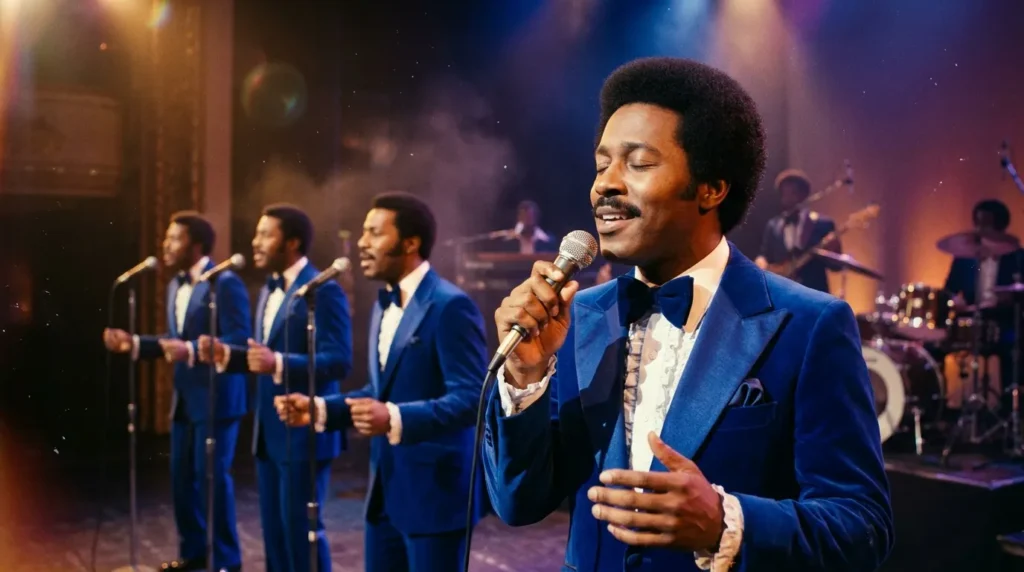
Russell Thompkins Jr.’s voice was arguably the single most recognizable feature separating the Stylistics from other vocal groups.
Even in his highest register, his tone remained remarkably gentle, allowing him to express subtle melodic movements with precision. Rather than relying on sheer vocal power, he had a natural ability to draw the listener into a song.
The Importance of Arrangements and Lyrics
In Bell’s arrangements, strings often sustained the emotional atmosphere of a vocal phrase, while horns provided accents at key moments. Piano and guitar supported the melodies, with bass and drums maintaining the rhythmic foundation. Even when the instrumentation became elaborate, the vocals remained clear and central to the music.
Lyricist Linda Creed was equally important to the group’s golden era. Her writing explored not only the joy of love, but also uncertainty, misunderstandings, and gratitude toward another person. Her words were accessible, yet they allowed listeners to find meanings shaped by their own experiences.
1971–1974 — A Golden Era of Consecutive Hits
The Stylistics released their self-titled debut album in 1971. It was followed by Round 2 in 1972 and Rockin’ Roll Baby in 1973, both of which contained some of their best-known recordings. During this period, the group achieved an extraordinary run of twelve consecutive Top 10 hits on the American R&B chart.
Songs such as “You Are Everything,” “Betcha by Golly, Wow,” “I’m Stone in Love with You,” and “Break Up to Make Up” reached listeners far beyond the traditional R&B audience.
Their success demonstrated how music emerging from Philadelphia could cross both regional and stylistic boundaries.
Listening to these recordings in sequence also reveals that they were far from a collection of ballads played at the same tempo. Some have a light rhythmic momentum, others begin quietly before developing into expansive arrangements, and still others make effective use of exchanges between the lead singer and backing voices. What unites them is a consistent emphasis on melody.
1974 — “You Make Me Feel Brand New”
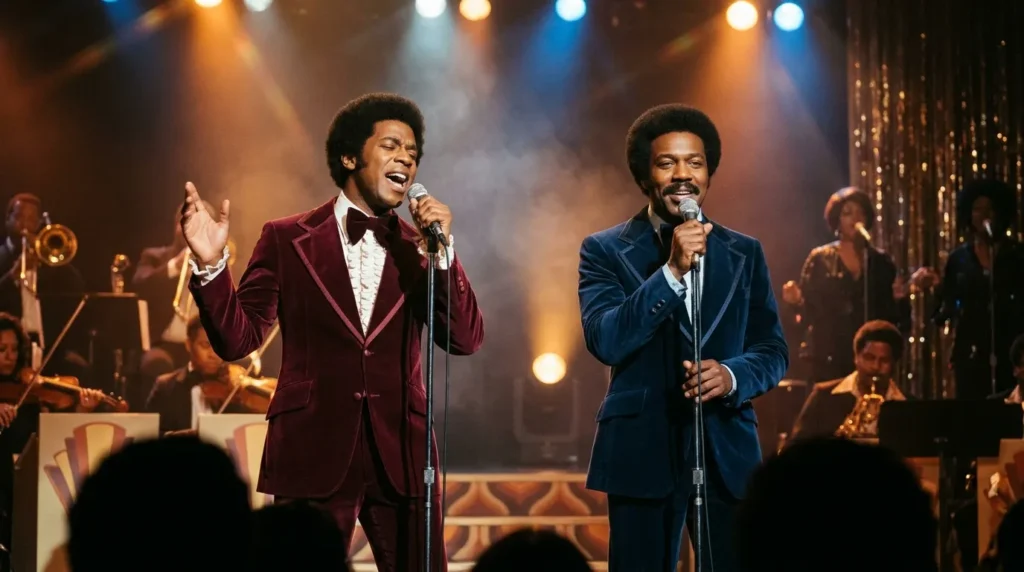
In 1974, “You Make Me Feel Brand New” reached No. 2 on the Billboard Hot 100. The recording is especially notable for its shared lead vocals, contrasting Russell Thompkins Jr.’s soaring falsetto with Airrion Love’s warmer, lower register.
The contrast between their voices gives additional depth to the song’s expression of gratitude. The orchestral arrangement gradually becomes richer, yet the singers remain at the center of the performance. The recording received a nomination at the 1975 Grammy Awards and became one of the group’s defining achievements.
From 1974 Onward — New Producers and Continued Success in Britain
After their regular working relationship with Thom Bell came to an end, the Stylistics began recording with producers Hugo & Luigi and arrangers including Van McCoy.
On the album Let’s Put It All Together, the group retained elements of its soul heritage while moving toward a more accessible pop sound.
The Success of “Can’t Give You Anything (But My Love)”
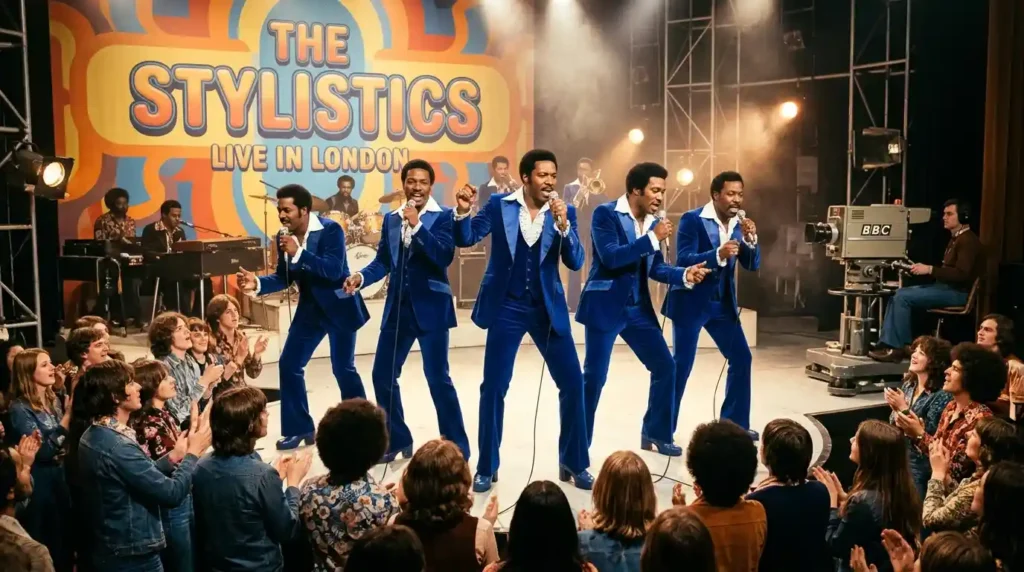
Although major pop hits became less frequent in the United States, the Stylistics continued to enjoy considerable popularity in Britain. In 1975, “Can’t Give You Anything (But My Love)” reached No. 1 on the UK Singles Chart. Songs such as “Sing Baby Sing” and “Na Na Is the Saddest Word” also found enthusiastic audiences.
The 1980s — Changing Musical Trends and Departing Members
In 1980, the Stylistics released “Hurry Up This Way Again” through the TSOP label, associated with Philadelphia International Records.
Written by Dexter Wansel and Cynthia Biggs, the song represented a new phase in the group’s career, created under a different production team from the one responsible for their early classics.
Meanwhile, James Dunn and James Smith left the group, reducing the original five-member lineup to a trio. Although new releases no longer achieved the same level of commercial success, audiences continued to seek out their familiar songs. The Stylistics maintained their presence through live performances as well as recordings.
From 2000 Onward — Russell’s Departure and Two Continuing Musical Paths
In 2000, Russell Thompkins Jr., the group’s longtime lead vocalist, departed from the Stylistics. His voice had defined so many of their classic recordings that his departure marked a major turning point.
Russell released the solo album A Matter of Style in 2002 and later performed under the name Russell Thompkins Jr. & The New Stylistics. Meanwhile, the Stylistics continued performing with new members, led by longtime members Airrion Love and Herbert Murrell.
In 2004, the Stylistics were inducted into the Vocal Group Hall of Fame. The honor recognized the lasting contribution of their hit recordings and distinctive harmonies to the history of American vocal music.
Why the Stylistics Connected with Japanese Music Fans
During the 1970s, radio broadcasts and records introduced Japanese audiences to a wide range of international rock, pop, and soul music. The Stylistics appealed not only to dedicated R&B listeners, but also to music fans who placed particular importance on memorable melodies.
The combination of Russell Thompkins Jr.’s delicate falsetto and lush string arrangements gave their recordings an immediately recognizable character. Even listeners unfamiliar with the rhythmic and vocal traditions of soul music could appreciate their accessible melodies.
Another important quality was the breadth of their musical approach, from their early Philadelphia soul recordings to the more pop-oriented productions of later years. The Stylistics offered music that could be enjoyed across the boundaries separating soul and mainstream pop.
Epilogue — A Musical Journey That Began with “Sixteen Bars”
For me, the Stylistics are more than a chapter in popular music history. They are also connected to a personal memory: hearing “Sixteen Bars” shortly after graduating from high school and moving to Tokyo. My life and the way I listen to music have changed since then, but the beauty of their melodies can still move me.

The value of music is not determined simply by how many years have passed since its release. What matters to me is whether a song can still leave a lasting impression when I listen to it today.
Looking Ahead to My Personal Best 10
For my upcoming series, My Personal Best 10: The Stylistics, I have selected ten songs based on my own listening and evaluations, rather than simply following chart positions or public recognition. I placed particular importance on the beauty of the melodies, the appeal of the vocals, and whether each song makes me want to listen again.
My Personal Best 10: The Stylistics begins with the next article. We will start at No. 10.
音楽ファン同士の交流・リクエストはこちら / Connect & Request Songs Here