- 🎧 Listen to This Article
- My Personal Cover Selection: HSCC’s “The Logical Song”
- First, Let’s Watch HSCC’s Performance
- What Makes HSCC’s Version of “The Logical Song” Special?
- Understanding the Original: Supertramp and 1979
- Listen to Supertramp’s Original Version
- The Story Behind the Lyrics: What Hodgson Was Asking
- How I Hear This 1979 Classic Today
- Final Thoughts: Rediscovering “The Logical Song” Through HSCC
🎧 Listen to This Article
Enjoy a narrated overview of the key points in this article.
Before reading, discover what makes HSCC’s performance of “The Logical Song” special and explore the deeper meaning behind its lyrics.
🎵 English Narration
Listen to an English narration of this article.
🎶 日本語ナレーション
この記事の内容を日本語で紹介する音声です。
Listening first will help you appreciate the musical highlights of HSCC’s cover and the thought-provoking themes of Supertramp’s classic.
■For more about HSCC, click here ➡|Have You Heard of the Remarkable Band HSCC?
My Personal Cover Selection: HSCC’s “The Logical Song”
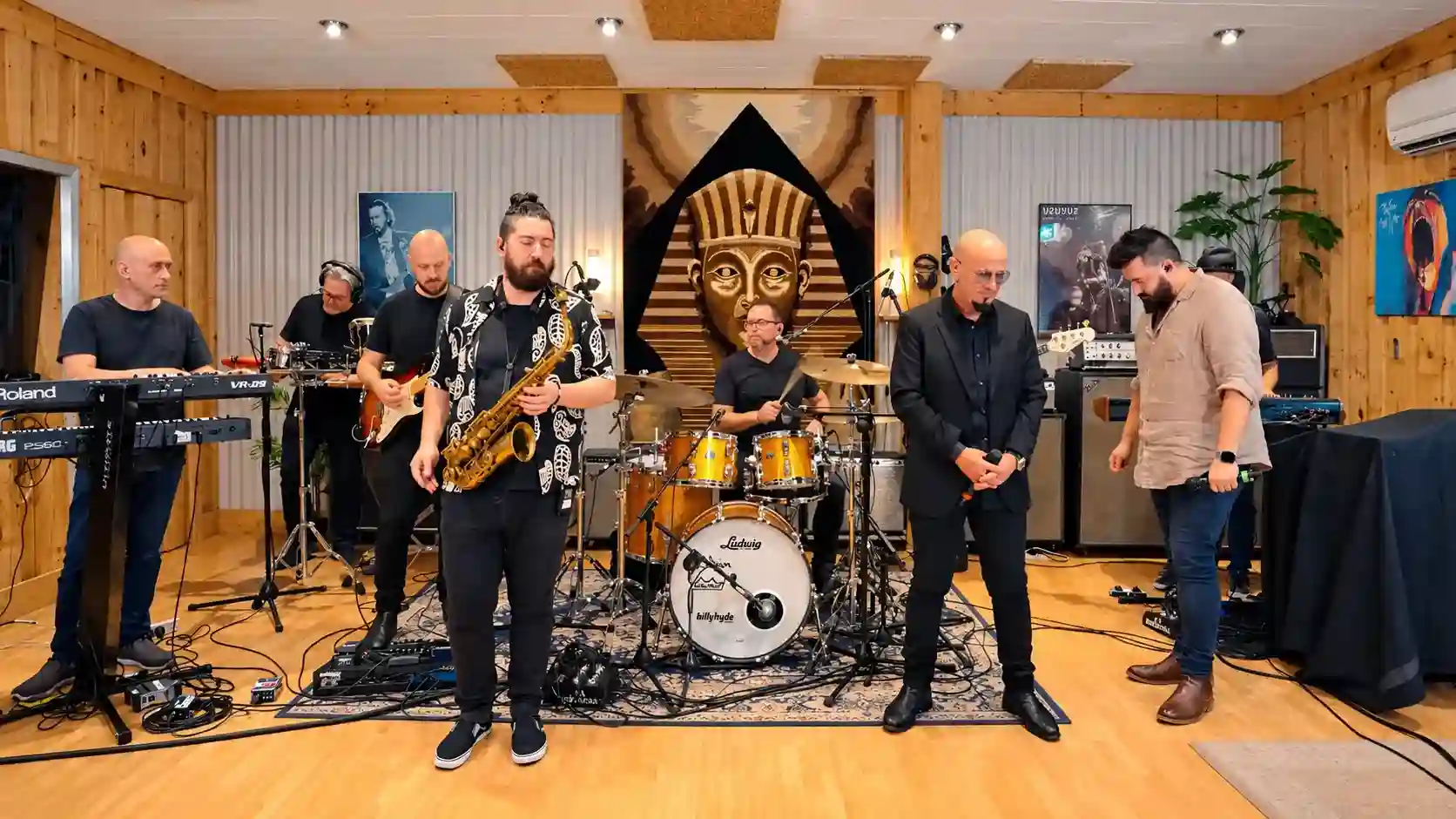
For this edition of My Personal Cover Selection, I’ve chosen “The Logical Song,” performed by The Hindley Street Country Club (HSCC).
Originally released in 1979 by the British rock band Supertramp, the song remains one of the group’s most recognizable recordings.
Its lively electric piano, distinctive high-pitched vocals, and memorable saxophone passages create an instantly recognizable sound. Beneath the accessible melody lies an arrangement crafted with remarkable attention to detail.
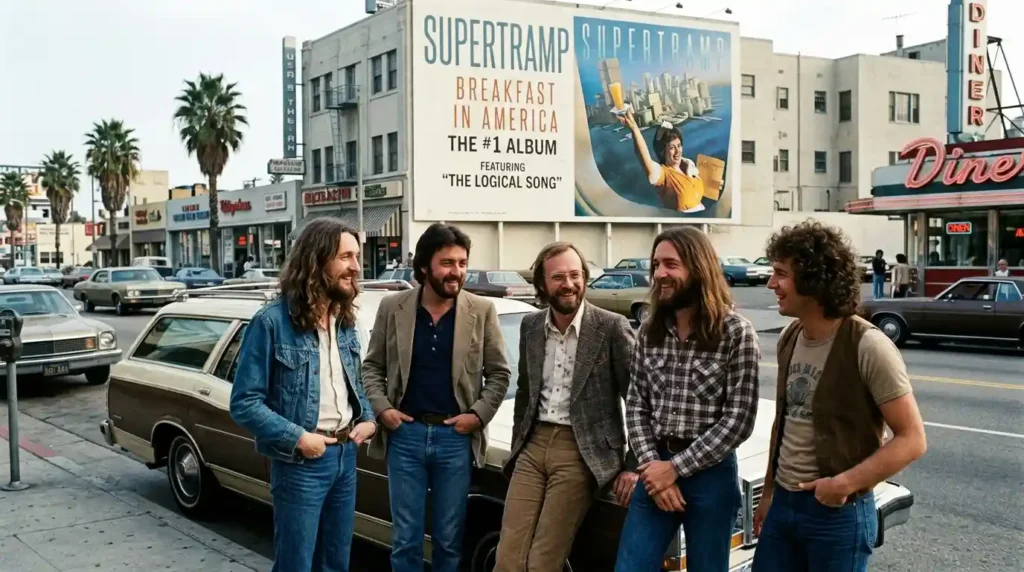
So how does HSCC approach a song with such a distinctive musical identity?
What particularly caught my attention was Brad Polain’s singing and drumming, along with the way the musicians complement one another throughout the performance.
A Deeper Question Beneath the Upbeat Music
At its heart, “The Logical Song” explores the innocence we lose as we grow older and the difficulty of understanding who we really are.
As we acquire knowledge, learn social conventions, and adapt to the expectations of the world around us, do we also lose something essential along the way?
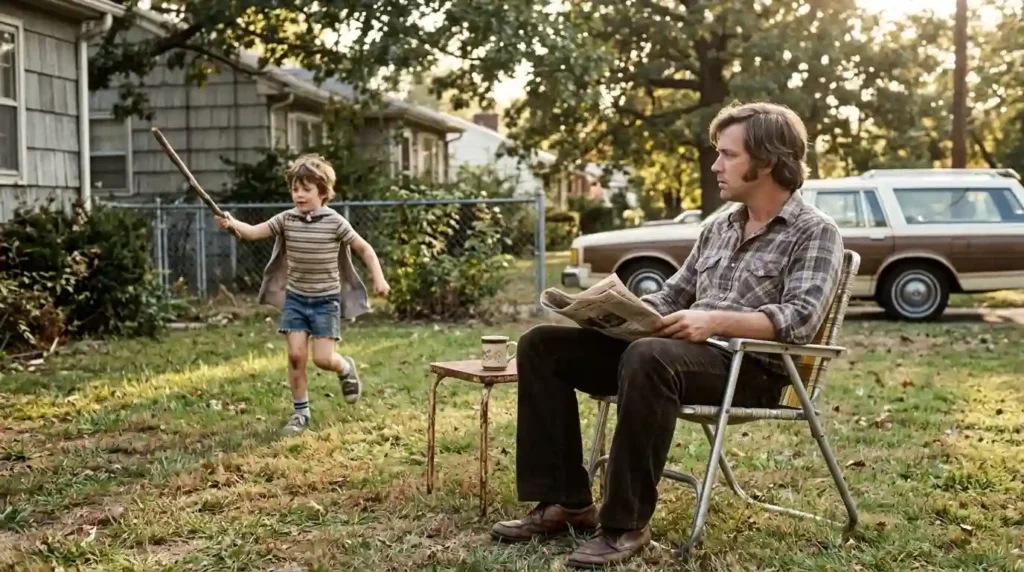
The Lyrics: My Personal Interpretation
When I was a child, the world seemed full of wonder and joy, and everything around me shone with possibility.
But as I grew older, society expected me to become rational, responsible, and sensible.
In trying to meet those expectations, I gradually lost touch with the innocence I once knew.
I gained knowledge and learned to reason, yet a question remained unanswered deep inside me.
Tell me, who am I, really?
First, Let’s Watch HSCC’s Performance
🎬 Video Credits
Song: The Logical Song
Performed by: The Hindley Street Country Club (HSCC)
Lead Vocals & Drums: Brad Polain
Saxophone: Jason McMahon
Guitar: Jake Milic
Keyboards: Dave Ross, Marcello Rosmini
Bass: Constantine Delo
Percussion: Steve Todd
Backing Vocals: Jordan Lennon, Danny Lopresto
Arrangement: Constantine Delo
Published by: HSCC Official YouTube Channel
🎵 In Two Lines
HSCC revisits Supertramp's classic with a tightly coordinated ensemble and the energy of a live performance.
Led by Brad Polain's vocals and drumming, each instrument contributes its own distinctive character.
What Makes HSCC’s Version of “The Logical Song” Special?
What impresses me most about this cover is how faithfully it preserves the character of the original while adding the energy and immediacy of musicians performing together.
Supertramp’s music is carefully constructed, with every instrumental tone and phrase serving a particular purpose. HSCC understands that structure and brings it to life through the individual skills and musical instincts of its performers.
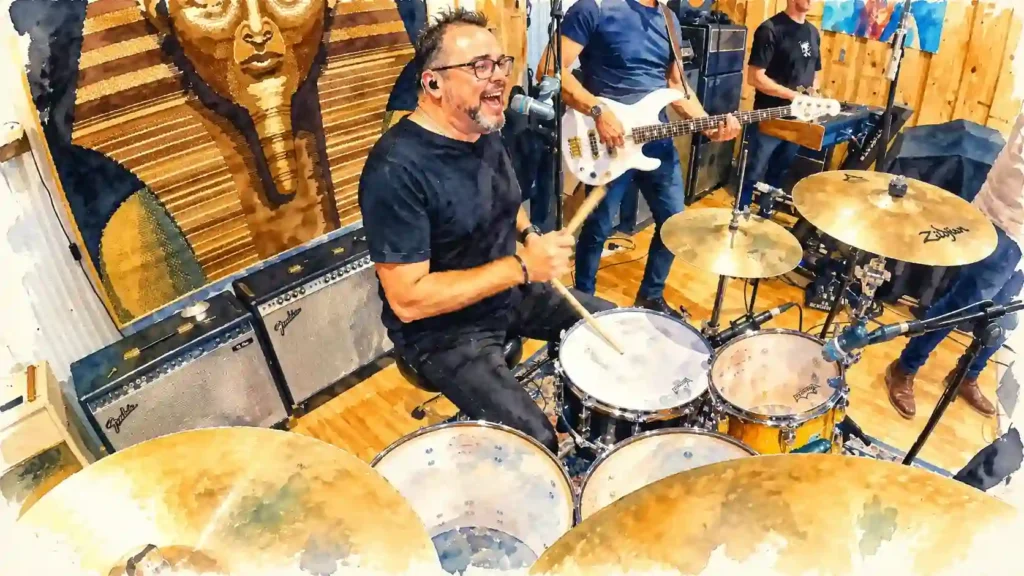
Brad Polain: The Art of Singing While Playing Drums
The first musician I want to highlight is Brad Polain. Not only does he handle the lead vocals, but he also plays the drums throughout the performance.
Roger Hodgson, who sang the original, is known for his clear, distinctive high register. Rather than attempting to reproduce Hodgson’s voice exactly, Brad approaches the melody with his own vocal character.
Even in the higher passages, his delivery sounds relaxed and controlled. He maintains the clarity of the lyrics while allowing the melody to flow naturally. To my ears, his singing has both warmth and strength.
Balancing Vocals and Drums
What makes his performance even more fascinating is his ability to sing so naturally while playing such an intricate rhythmic part.
Singing and drumming place different demands on the body, particularly when it comes to movement, timing, and breathing. Yet Brad manages both with apparent ease, helping shape the momentum of the entire arrangement.
His appeal goes well beyond vocal technique. I think the physical connection between his singing and drumming gives HSCC’s version much of its distinctive drive.
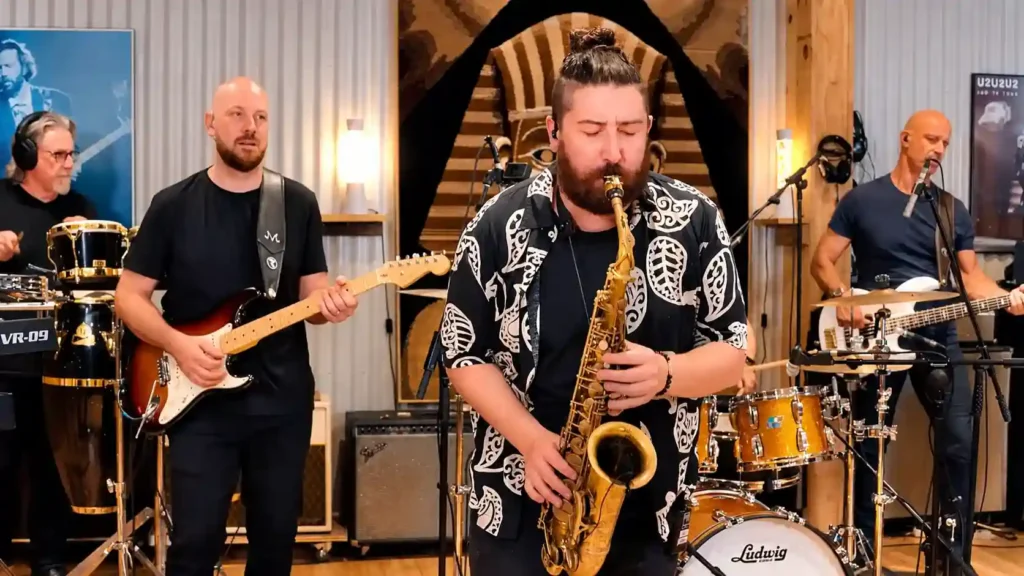
Jason McMahon: The Vibrant Sound of the Saxophone
The saxophone is played by Jason McMahon.
In Supertramp’s original recording, John Helliwell’s saxophone provided some of the song’s most memorable instrumental moments. The instrument plays an equally important role in HSCC’s interpretation.
Jason’s phrases enter between the vocal lines, bringing fresh color and changing the mood of the music. At times, his playing is bold and expressive; at others, it blends gently with the surrounding instruments. I particularly enjoy that contrast.
Two Keyboard Players Creating a Richer Sound
One of the defining features of “The Logical Song” is its bouncing electric piano rhythm.
In HSCC’s performance, the keyboard parts are handled by Dave Ross and Marcello Rosmini.
The crisp, rhythmic character recalls the Wurlitzer electric piano heard in the original, while the layered keyboard textures add depth. Even during the busier passages, the instruments never overwhelm the vocals or saxophone.
Making a sophisticated arrangement sound effortless to the listener is a skill in itself. HSCC demonstrates that beautifully here.
The Interaction of Bass, Guitar, and Percussion
Constantine Delo plays bass and is also responsible for the arrangement of this cover.
His bass provides a steady foundation, while Jake Milic’s guitar adds rhythmic accents. Steve Todd’s percussion brings further detail and texture to the groove.
None of these instruments competes unnecessarily for attention. Each has a clearly defined role, allowing the song to retain its light, buoyant character.
The Collective Strength of HSCC
One reason I enjoy HSCC so much is that the musicians seem more interested in making the song work as a whole than in showing off their individual abilities.
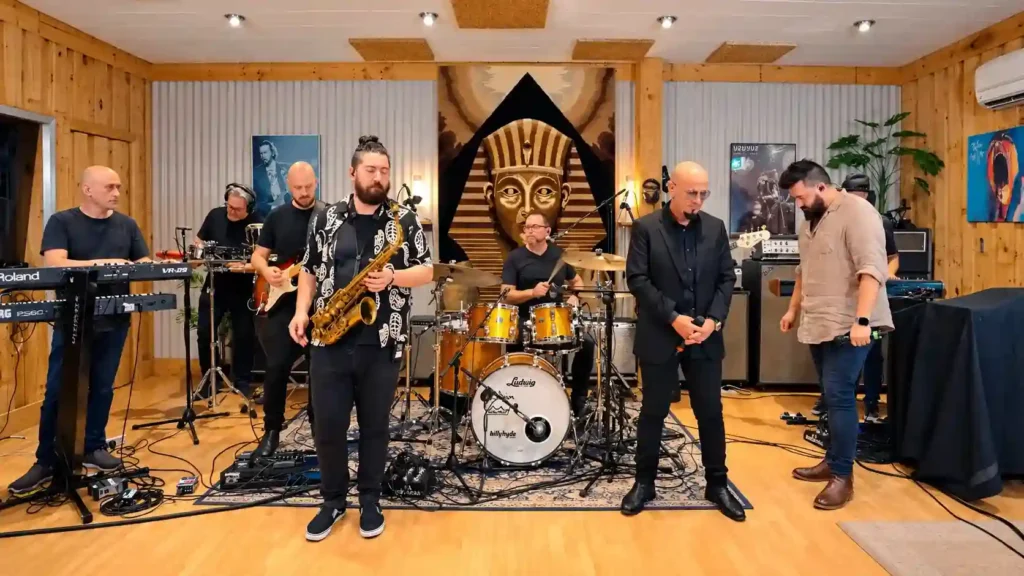
Brad’s voice leads the performance, the saxophone adds color, and the keyboards establish the song’s musical identity. Bass and percussion hold everything together, while the backing vocals bring additional richness.
Because every part has its proper place, even a complicated arrangement feels completely natural.
Respecting the original without sacrificing the performers’ own personalities: that, to me, is what makes an HSCC cover so rewarding.
Understanding the Original: Supertramp and 1979
To appreciate the background of this cover, it’s worth taking a brief look at the original recording.
Supertramp is a British rock band that made its debut in 1970. After beginning with a progressive rock sound, the group gradually expanded its musical range and released its landmark album Breakfast in America in 1979.

A Signature Song That Became an International Hit
Breakfast in America includes such well-known songs as “The Logical Song,” “Goodbye Stranger,” and “Take the Long Way Home.”
The album reached No. 1 on the US Billboard 200 and No. 3 on the UK Albums Chart. “The Logical Song” was also a major single, peaking at No. 6 in the United States and No. 7 in the United Kingdom.
Roger Hodgson was the principal writer of the song and sang lead vocals. The official songwriting credit, however, is shared with Rick Davies.
Listen to Supertramp’s Original Version
Returning to the original after hearing HSCC’s cover makes the differences especially interesting. Hodgson’s distinctive voice and the carefully shaped electric piano sound become even more noticeable.
🎬 Official Video Credits
Song: The Logical Song
Artist: Supertramp
Album: Breakfast in America
Released: 1979
Songwriting Credits: Rick Davies, Roger Hodgson
Principal Songwriter & Lead Vocals: Roger Hodgson
Produced by: Supertramp, Peter Henderson
Published by: Supertramp Official YouTube Channel
🎵 In Two Lines
A signature Supertramp song featuring a lively electric piano rhythm and Roger Hodgson's unmistakable high-register vocals.
Beneath its upbeat sound lies a thoughtful exploration of growing up and discovering one's identity.
The Story Behind the Lyrics: What Hodgson Was Asking
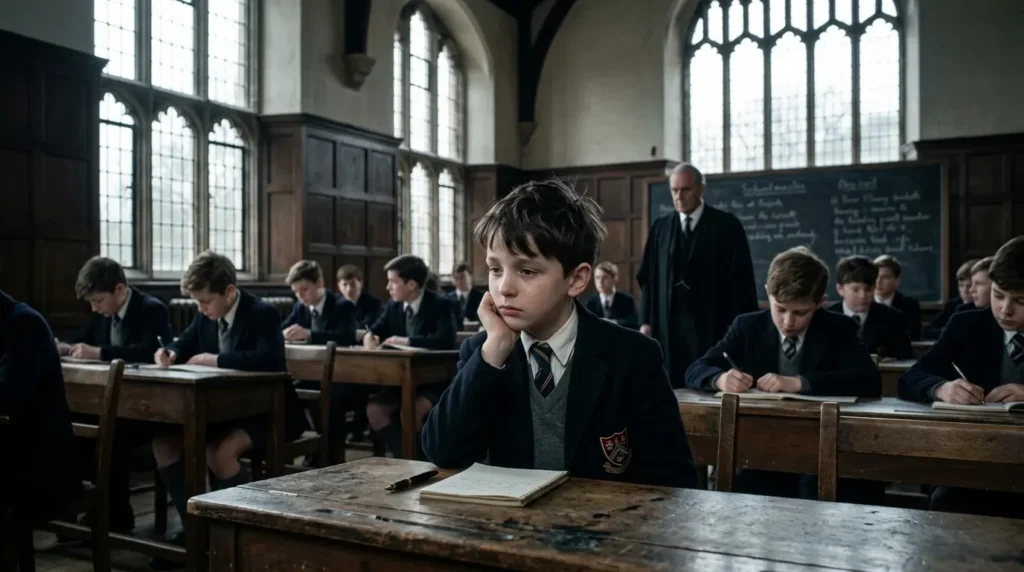
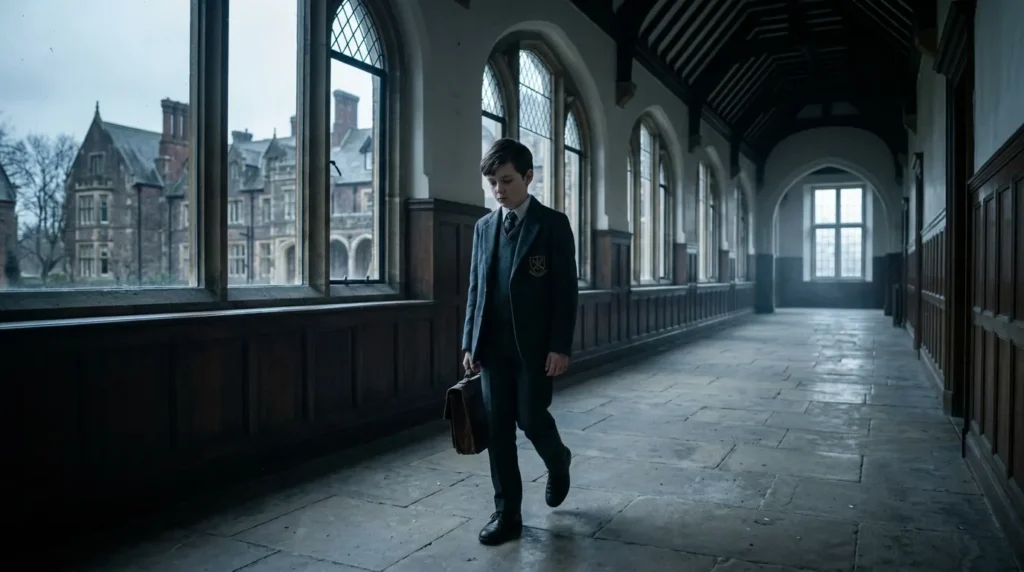
The lyrics of “The Logical Song” were influenced by Roger Hodgson’s own childhood experiences.
He spent approximately ten years at boarding school. His education and his growing discomfort with society’s expectations of what a person should become helped shape the ideas behind the song.
The Opening That Has Always Stayed with Me
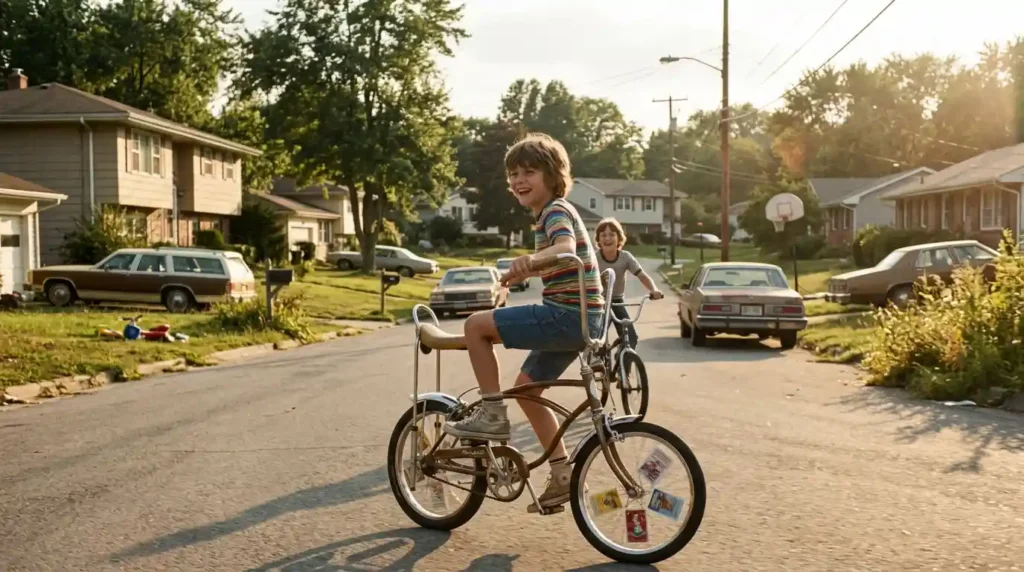
One of my favorite parts of the song is its opening, which recalls a childhood when life seemed wonderful and the world was filled with mystery and excitement.
That innocent way of seeing things gradually changes as we grow older. Perhaps it is precisely because the melody sounds so cheerful that the sense of something lost feels especially moving.
The Irony Hidden in the Sound of Words
The lyrics use words such as “sensible,” “logical,” “responsible,” and “practical” to describe qualities society generally considers desirable.
Later, the language shifts through terms including “dependable,” “clinical,” “intellectual,” and “cynical,” revealing a more troubling side of the ideal person society expects us to become.
Hodgson also makes clever use of the similar endings in words such as “logical,” “clinical,” and “cynical.” Their rhythmic repetition adds a layer of irony that goes beyond their individual meanings.
He was taught how to function in society, but not necessarily how to understand himself.
That tension, as Hodgson has explained in discussing the song, lies at the heart of “The Logical Song.”
How I Hear This 1979 Classic Today
In 1979, I was turning 21. I was a university student, gradually beginning to think about the working life that lay ahead of me.
Forty-seven years have passed since then. After a long career, I now listen to this song from a very different stage of life.
At school, we are judged by our grades. At work, by our achievements. These measures have their place, but they cannot fully define who we are as individuals.
What Remains When Our Social Roles Change?
When we step away from work that has occupied so many years of our lives, we begin to think again about what we truly enjoy and what genuinely moves us.
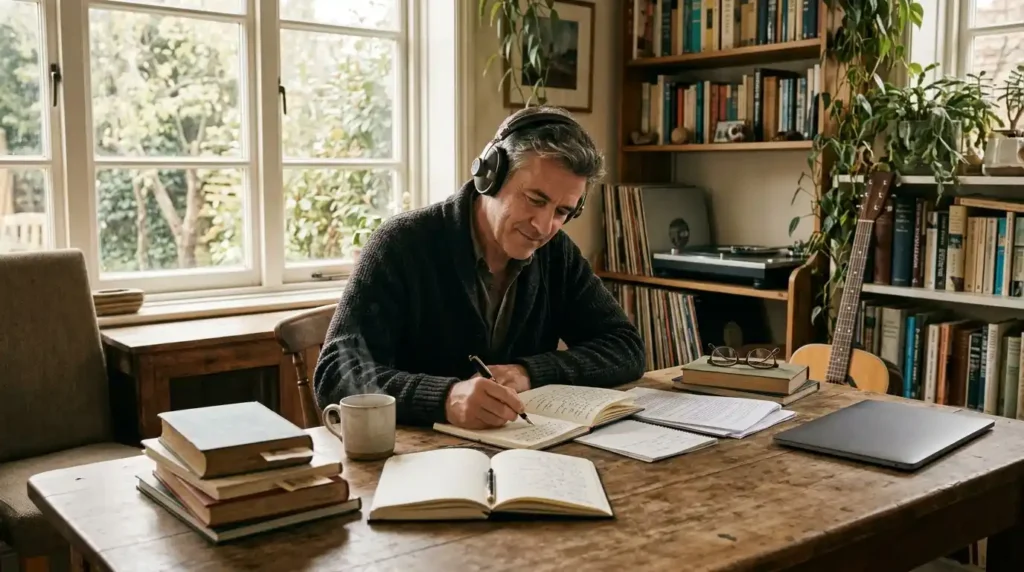
For my part, I still find pleasure in listening to music, writing, and discovering new things. I continue these activities not because I want to be evaluated by others, but simply because they interest me.
Living logically is important. But that doesn’t mean we have to live by logic alone.
Final Thoughts: Rediscovering “The Logical Song” Through HSCC
HSCC’s cover has given me a fresh way to enjoy one of Supertramp’s greatest songs.
Brad Polain’s vocals and drumming, Jason McMahon’s saxophone, the two keyboard players, and the tightly coordinated ensemble all bring something distinctive to the performance. The spirit of the original remains intact, yet the result feels unmistakably like HSCC.
A familiar song doesn’t have to remain merely a nostalgic memory.
That is exactly why I keep returning to HSCC’s covers. They allow me to rediscover music I thought I already knew.
And once the performance ends, one question from the original song continues to linger.
“Who am I, really?”
Perhaps continuing to search for that answer is one of the pleasures of growing older.


音楽ファン同士の交流・リクエストはこちら / Connect & Request Songs Here