
- 🎧 Enjoy This Article in Audio
- 🎤 May 6 Is Miwa Yoshida’s Birthday
- How “LOVE LOVE LOVE” Became One of the Defining Songs of 1995
- How Was “LOVE LOVE LOVE” Created?
- A Sound That Expands Emotion from a Quiet Beginning
- Love Reaches Us Because the Words Never Say Too Much
- A Song That Has Endured Alongside the Memory of 1995
- A Special Song in the Long Career of DREAMS COME TRUE
- “LOVE LOVE LOVE” Still Sounds Fresh More Than 30 Years Later
🎧 Enjoy This Article in Audio
You can quickly explore the key points of this article through narration.
Recommended if you would like to get a feel for “LOVE LOVE LOVE” and understand the overall flow of the article before reading.
🎵 English Narration
An English narration introducing the content of this article.
🎶 Japanese Narration
A Japanese narration introducing the content of this article.
Listening first will help you grasp the appeal of “LOVE LOVE LOVE” and the key points of the article before you begin reading.
🎤 May 6 Is Miwa Yoshida’s Birthday
Miwa Yoshida was born on May 6, 1965, in Ikeda, Nakagawa District, Hokkaido. As the vocalist of DREAMS COME TRUE, she has sung countless songs that have become landmarks in Japanese pop music. She has also played a central role in shaping the group’s music as a lyricist and composer, making her presence far greater than her remarkable voice alone.
Today, I am featuring “LOVE LOVE LOVE,” the biggest-selling single of DREAMS COME TRUE’s career. Released on July 24, 1995, as their 18th single, the song became widely known as both the theme song and an insert song for the TBS television drama Aishiteiru to Itte Kure (“Say You Love Me”).
In Yoshida’s hometown of Ikeda, Hokkaido, there is also a facility called “DCTgarden IKEDA,” where materials related to her career are preserved and displayed. Opened in 2005, it remains a place that reflects the enduring connection between Yoshida and her hometown.
First, Let’s Watch the Official YouTube Video
First up is the official video for DREAMS COME TRUE’s “LOVE LOVE LOVE.”
📺 Video Credits
Song: DREAMS COME TRUE “LOVE LOVE LOVE”
Lyrics: Miwa Yoshida
Music: Masato Nakamura
Arrangement: Masato Nakamura
Release Date: July 24, 1995 (Single)
Next is “DREAMS COME TRUE – LOVE LOVE LOVE (from THE DREAM QUEST TOUR 2017 Live Ver.).” Unlike the studio recording, this live performance allows us to experience how Miwa Yoshida’s voice expands through the venue and draws the audience into the song.
📺 Video Credits
Song: DREAMS COME TRUE “LOVE LOVE LOVE (from THE DREAM QUEST TOUR 2017 Live Ver.)”
Lyrics: Miwa Yoshida
Music: Masato Nakamura
Arrangement: Masato Nakamura
When I First Heard This Song… ♫
| My Age | Elementary School | Junior High | High School | University | 20s | 30s | 40s | 50s | 60+ |
| Year Released | 1995 | ||||||||
| When I First Heard It | ● |
I first heard “LOVE LOVE LOVE” around the time of its release in 1995. By then, I had already transferred from Osaka back to my home prefecture of Oita, and it was not unusual for me to work late into the night. I was in my mid-thirties, right in the middle of what people often call the prime working years.
My first reaction when I heard the song was very simple: “This is a really good song.”
I was already well aware of Miwa Yoshida’s vocal ability. But in this song, rather than putting vocal power or technical brilliance at the forefront, she seems focused above all on delivering the words. Masato Nakamura’s instantly accessible melody complements that approach perfectly. I did not need any complicated explanation to appreciate it. I simply found myself liking the song.
Another DREAMS COME TRUE song that is almost impossible for me to rank below this one is “Mirai Yosouzu II”. It is quite different from “LOVE LOVE LOVE,” but it is another song that has remained important to me for many years.
How “LOVE LOVE LOVE” Became One of the Defining Songs of 1995
“LOVE LOVE LOVE” was released on July 24, 1995. According to Oricon, it sold 2.489 million copies, making it the best-selling single in DREAMS COME TRUE’s career. It also ranked No. 1 on Oricon’s year-end singles chart for 1995.
In the same year, the album DELICIOUS also finished No. 1 on the annual album chart. In many ways, 1995 was the year in which DREAMS COME TRUE firmly established their position among Japan’s leading pop acts.

Its Strong Connection with the TV Drama Aishiteiru to Itte Kure
One of the most important factors in the song’s enormous popularity was the TBS drama Aishiteiru to Itte Kure, starring Etsushi Toyokawa and Takako Tokiwa.
The drama tells the love story of a deaf young painter and a woman aspiring to become an actress. Written by screenwriter Eriko Kitagawa, the series ran for 12 episodes and reached a peak audience rating of 28.1 percent. “LOVE LOVE LOVE” was used both as its main theme and as an insert song.
Because the song became so closely associated with the drama’s story, many Japanese listeners can still hear it today and immediately recall scenes and characters from the series. The 1990s produced many memorable pairings of hit television dramas and theme songs, and this remains one of the most recognizable examples.
How Was “LOVE LOVE LOVE” Created?
The song has an interesting origin. According to Masato Nakamura, its melody originally came from a song called “White Day,” which he wrote in his twenties, before DREAMS COME TRUE made their debut, as a White Day gift for the woman he was dating at the time.
Years later, when DREAMS COME TRUE received the request to write the theme for Aishiteiru to Itte Kure, Nakamura played the melody for Miwa Yoshida. Yoshida then wrote new lyrics, and “LOVE LOVE LOVE” was born.
In other words, the melody was not created from scratch specifically for the drama. It had remained with Nakamura for years before Yoshida’s words transformed it into an entirely new song.

A Sound That Expands Emotion from a Quiet Beginning
The Power of Space Rather Than Excess
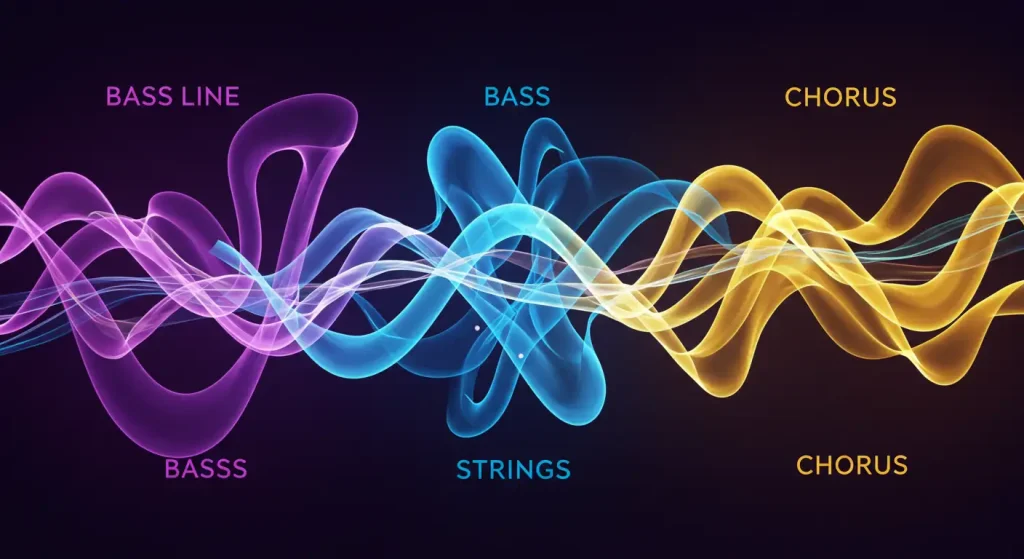
The appeal of “LOVE LOVE LOVE” does not lie in a complicated musical structure. The song begins with a quiet keyboard texture and gradually broadens its sound while keeping Miwa Yoshida’s vocal at the center.
Masato Nakamura’s arrangement avoids unnecessary decoration that might distract from the singing. As a result, each word and each melodic phrase reaches the listener directly. Even when the chorus and accompaniment become fuller toward the latter part of the song, Yoshida’s voice never loses its position at the heart of the music.
The Conviction in Miwa Yoshida’s Singing
When people think of Miwa Yoshida, they may immediately think of her wide vocal range, powerful voice, and superb sense of rhythm. What stands out in “LOVE LOVE LOVE,” however, is not a display of technique. Instead, she conveys changes in emotion through subtle shifts in volume, phrasing, and timing.
She begins with restraint and gradually releases more emotion as the song progresses. Because of that progression, the emotional peak near the end never feels exaggerated. Keeping the listener engaged throughout such a simple melody is actually difficult. Yoshida makes it sound effortless, and that is one of the clearest signs of her ability as a vocalist.
Love Reaches Us Because the Words Never Say Too Much
The lyrics are equally restrained. They do not depend on difficult metaphors or an elaborate narrative. At the heart of the song is a simple but universal feeling: wanting to tell someone how deeply you care, yet finding yourself unable to express that feeling as well as you would like.
Falling in love may seem simple, yet turning that emotion into words can suddenly become difficult. “LOVE LOVE LOVE” captures that contradiction without overexplaining it.
Even the title is exceptionally simple. Yet the repetition of the same word three times — “LOVE LOVE LOVE” — reflects the nature of the song perfectly. Rather than relying on logic or explanation, the title pushes emotion itself to the foreground.
A Song That Has Endured Alongside the Memory of 1995
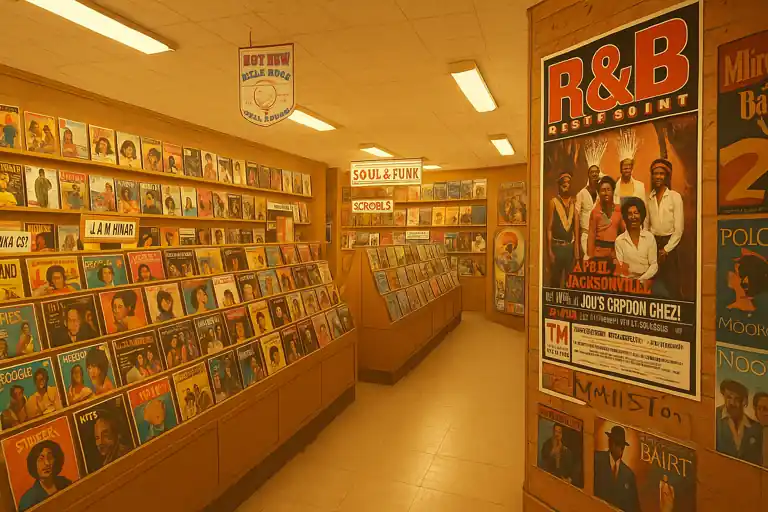
Japan experienced two major shocks in 1995. The Great Hanshin-Awaji Earthquake struck on January 17, followed by the Tokyo subway sarin attack on March 20. At the same time, the Japanese music market was in the midst of the CD single boom, producing numerous million-selling records.

Records produced by Tetsuya Komuro dominated the charts, while songs that are still widely remembered today appeared one after another, including Mr.Children’s “See-Saw Game: Yuukan na Koi no Uta,” Spitz’s “Robinson,” and H Jungle with t’s “WOW WAR TONIGHT: Toki ni wa Okose yo Movement.”
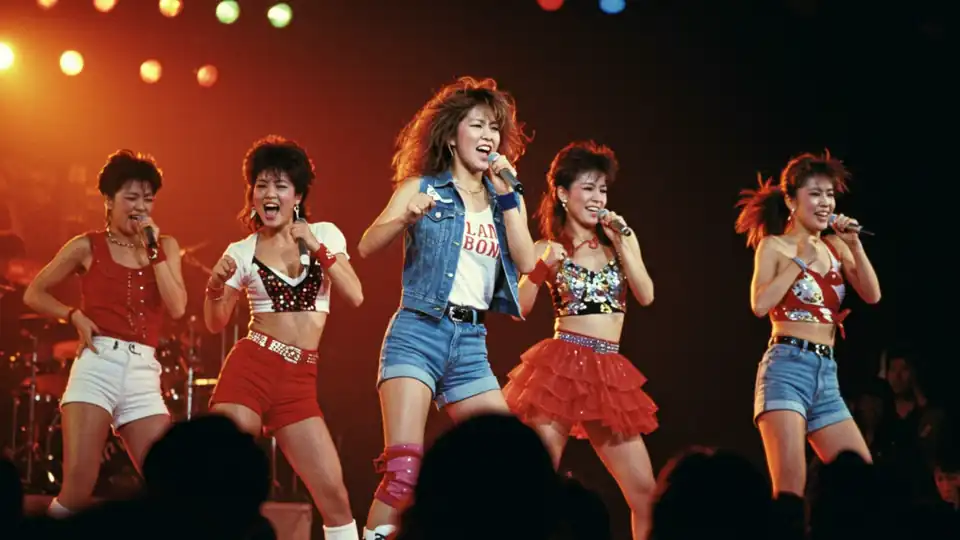
Among all those hits, “LOVE LOVE LOVE” became the year’s No. 1 single. There is no need to force a direct connection between the song and the social circumstances of 1995. What matters is the simple fact that, in a year filled with major hit records, this understated love ballad received the greatest commercial support of all.
A Special Song in the Long Career of DREAMS COME TRUE
DREAMS COME TRUE made their debut in 1989. Originally a trio consisting of Miwa Yoshida, Masato Nakamura, and Takahiro Nishikawa, they went on to release numerous hits, including “Mirai Yosouzu II,” “Kessen wa Kinyoubi,” “Haretara Ii ne,” and “go for it!” After Nishikawa left the group in 2002, Yoshida and Nakamura continued DREAMS COME TRUE as a duo.
“LOVE LOVE LOVE” remains the biggest-selling single of their long career. Yet sales figures alone cannot explain why the song has endured.
Some listeners first heard it through the television drama. Others connected it with memories of their own relationships, sang it at karaoke, or discovered it many years after its original release. The paths into the song may be different, but the same music continues to reach listeners across generations.
“LOVE LOVE LOVE” Still Sounds Fresh More Than 30 Years Later
More than 30 years have passed since “LOVE LOVE LOVE” was released in July 1995. Even today, the song does not feel excessively tied to the past.
The reason, I think, is that its foundation is so strong: a memorable melody, concise words, and Miwa Yoshida’s voice. It does not depend on elaborate production tricks to make an impression.
For me personally, many years have passed since I first heard the song in 1995. Naturally, the way I listen to music today is different from the way I heard it in my mid-thirties, when much of my life revolved around work.
And yet, the first feeling I had when I heard this song has never really changed: “This is a really good song.”
It needs no elaborate explanation. The voice and melody alone are enough to stay in your memory.
“LOVE LOVE LOVE” is one of those rare songs that reminds me just how powerful a great pop song can be.

音楽ファン同士の交流・リクエストはこちら / Connect & Request Songs Here