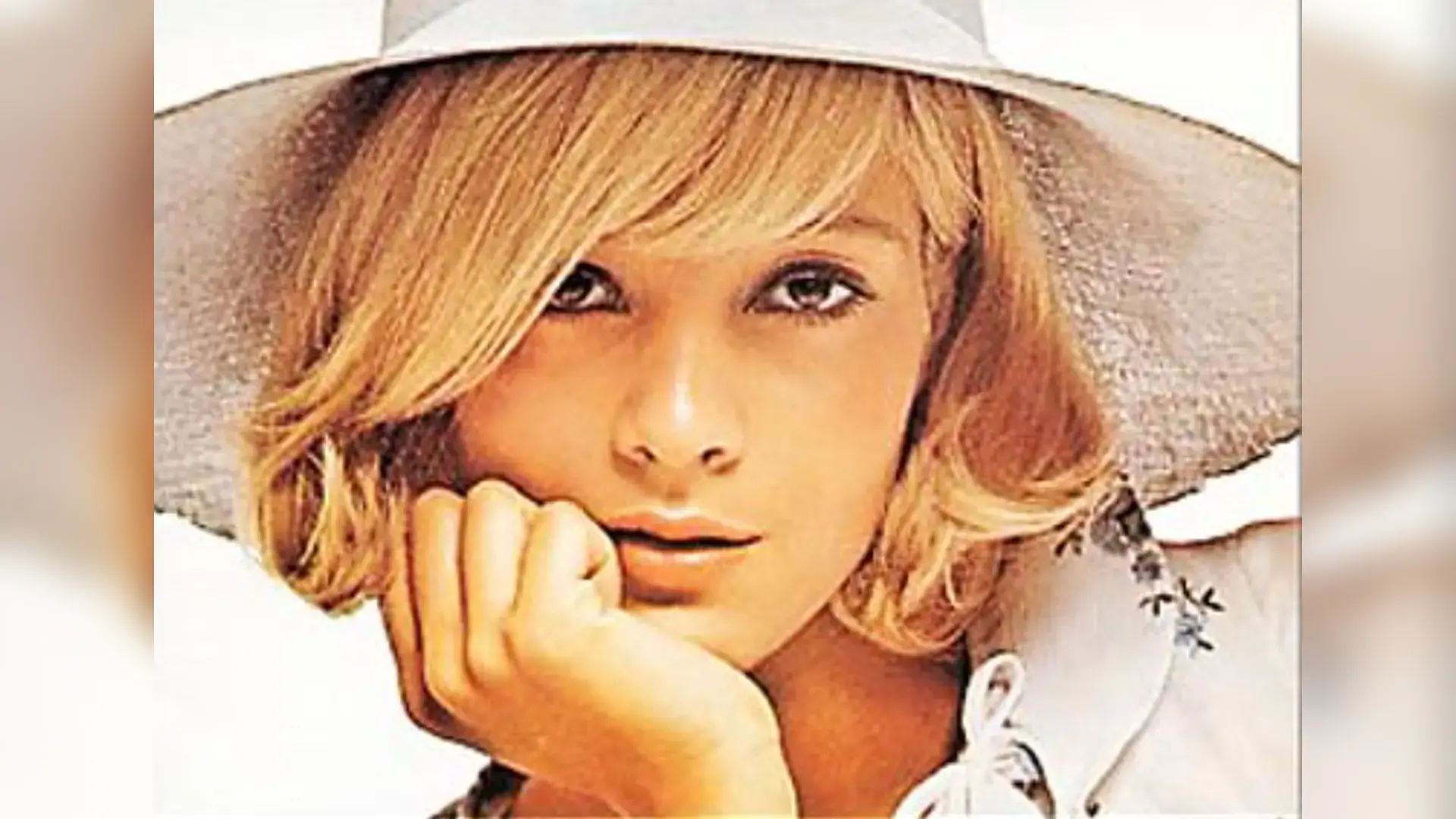
- 🎧 Enjoy This Article in Audio
- Today Is Sylvie Vartan’s Birthday
- When I First Heard This Song
- “Irrésistiblement,” Released in 1968
- Love’s Impulse in the Lyrics and Music
- France in 1968 and the Yé-Yé Movement
- Why the Song Became Familiar Across Generations in Japan
- Love Begins to Run Before Reason Can Catch Up
🎧 Enjoy This Article in Audio
Listen to a concise narration covering the main points of this article.
This audio is recommended for readers who would like to understand the appeal of “Irrésistiblement” and the overall direction of the article before reading.
🎵 English Narration
This audio introduces the content of the article in English.
🎶 Japanese Narration
This audio introduces the content of the article in Japanese.
Listening first will make it easier to understand the appeal of “Irrésistiblement” and the key points of the article.
Today Is Sylvie Vartan’s Birthday
August 15 is the birthday of Sylvie Vartan, one of the defining voices of French pop music.
From Bulgaria to France
Sylvie Vartan was born on August 15, 1944, in Iskrets, Bulgaria. Her father was of Armenian descent, and her mother was of Hungarian descent. She also spent part of her childhood in Sofia, the Bulgarian capital.
In 1952, several years after the end of World War II, she moved to France with her family. She initially spoke little French and reportedly found it difficult to adjust to her new surroundings.
A Singing Career That Began at Seventeen
Her turning point came in 1961. Through the work of her brother Eddie Vartan, a musician and producer, she took part in the recording of “Panne d’essence,” a duet with Frankie Jordan.
She soon made her full-fledged debut as a solo singer and became one of the leading figures of yé-yé, the French movement that transformed British and American rock and roll into a distinctive new style.
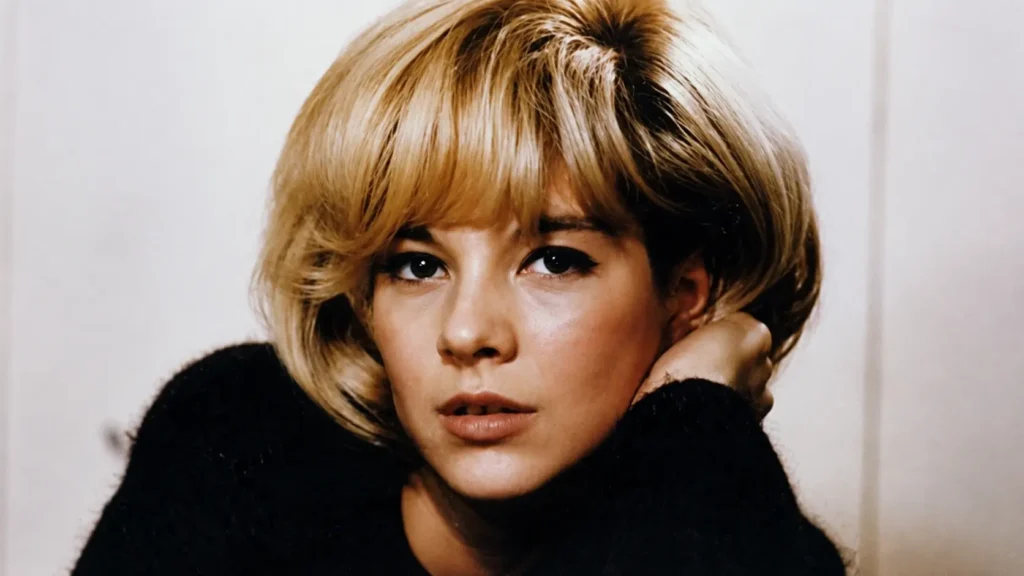
Her powerful voice, vivid costumes, and energetic dancing gave her a commanding stage presence in 1960s France. She was a performer who completed each song not only through sound, but also through movement and visual presentation.
Movies, Hit Songs, and Johnny Hallyday
In 1964, she appeared in the film Cherchez l’idole, and its title song introduced her to listeners beyond France. She later released many other notable recordings, including “Quand le film est triste,” “La Maritza,” and “Caro Mozart.”
Johnny Hallyday, whom she married in 1965, was one of the leading figures in French rock. Beyond their marriage, the couple attracted enormous public attention and came to symbolize French popular entertainment during the 1960s and 1970s.
Although she first emerged as a teenage singer, Vartan later expanded her repertoire to include rock, ballads, disco, and large-scale stage productions. Rather than relying solely on her early fame, she continued to reshape her work as musical tastes changed.
A Voice That Reached Japanese Homes
Vartan made her first visit to Japan in 1965. That same year, she sang “Wansaka Musume” in a television commercial for Renown.
Although she was a major European star, her early appearances on Japanese television helped make her familiar to audiences in Japan and laid the foundation for her enduring popularity there.
A Free Translation
I cannot help being drawn to you.
Just as morning follows night, my love always returns to you.
Whatever sorrow may come, I believe that love will save me.
And so today, without hesitation, I am coming back to you.
First, Listen to the Official Audio on YouTube
Credits
🎥 Official Audio: Sylvie Vartan “Irrésistiblement”
Artist: Sylvie Vartan
Channel: Sylvie Vartan - Officiel
Audio provided by TuneCore Japan
Two-Line Introduction
Released in 1968, “Irrésistiblement” became one of the songs most closely associated with Sylvie Vartan.
Its sweeping melody and vivid vocal performance express a woman’s irresistible pull toward the person she loves.
When I First Heard This Song
| My Age | Elementary School | Junior High | High School | University | 20s | 30s | 40s | 50s | 60 and Over |
| Year Released | 1968 | ||||||||
| When I Heard It | ● |
I believe I first heard “Irrésistiblement” when I was in junior high school.
What stayed with me most strongly was neither the title nor the meaning of the lyrics. It was the sound of the French language carried by Sylvie Vartan’s voice.
Unlike the English-language songs I knew, its small syllables flowed together with a light, graceful motion. Even though I could not understand the words, I could sense a trace of sadness beneath the brightness.
I was also surprised by the dramatic movement of her voice from the opening phrase. The song does not ease the listener in gently. Within its first few seconds, it pulls you directly into its center.
At the time, I also listened frequently to Michel Polnareff. I must have been strongly attracted to the brilliance and slightly unusual beauty of French music, which sounded very different from British and American rock.
Whenever I hear “Irrésistiblement,” the sensations of my junior high school years return with remarkable clarity. For me, the song is closely tied to the memory of discovering how deeply a French-language performance could move me.
“Irrésistiblement,” Released in 1968
A Title That Expresses an Irresistible Emotion
The original French title of the song known in Japan as “Anata no Toriko” is “Irrésistiblement.”
The word means “irresistibly” or “in a way that cannot be resisted.” The Japanese title, which can be translated as “Captivated by You,” concisely describes a woman who cannot stop herself from returning to the person she loves.
A Song Created by Jean Renard
The song was released in 1968 and was also included on the album La Maritza. The lyrics were written by Georges Aber, while Jean Renard composed and produced the recording.
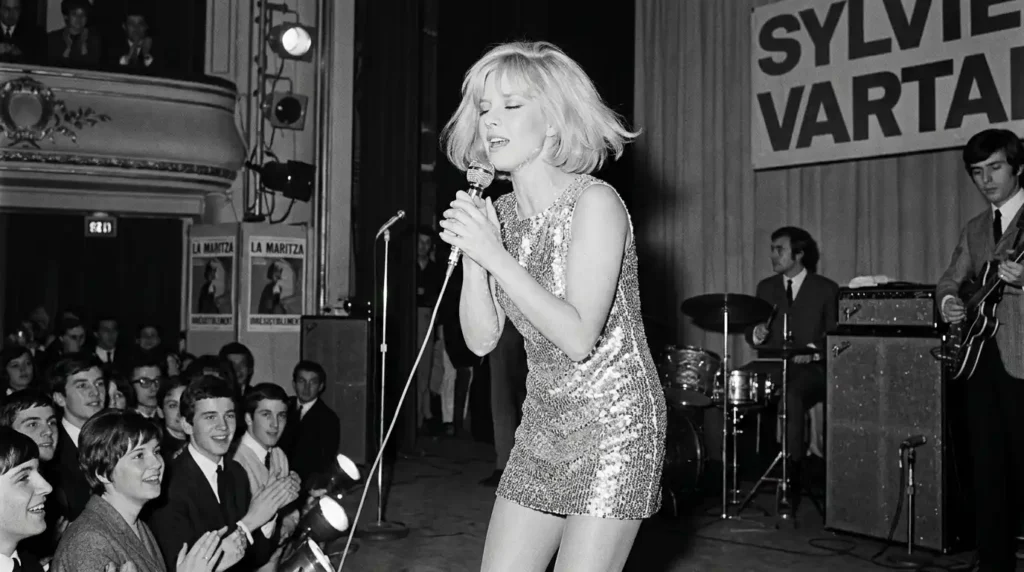
The opening requires the singer to move quickly from a low register to much higher notes. Vartan handles those sudden shifts smoothly while preserving the brightness of her voice.
A Strong Response to the Italian Version
The song also reached audiences outside France. Vartan recorded an Italian-language version titled “Irresistibilmente,” which climbed high on the Italian charts in 1969 and further strengthened her international reputation.
Love’s Impulse in the Lyrics and Music
A Feeling Compared with the Rhythm of Nature
The lyrics do not explain how the couple met or describe the person she loves in detail. Their central subject is an emotion that cannot be suppressed.
Morning follows night, the sun appears after the rain, birds return to their nests, and waves strike the rocks. The narrator sees her own return to the person she loves as something equally inevitable.

The woman portrayed here is not simply being controlled by another person. She recognizes what she truly wants and chooses to move toward it.
Choosing Love After Knowing Sorrow
Although the music sounds bright and lively, the lyrics also refer to suffering and tears.
People can be overwhelmed by misfortune, yet love has the power to restore lost hope. Joy returns after tears, just as flowers bloom when winter comes to an end. That belief forms the emotional foundation of the latter part of the song.
For that reason, “Irrésistiblement” is not merely a celebration of romantic excitement. It also portrays the strength of a woman who understands the risk of being hurt and still decides to trust someone again.
A Melody That Rises and Falls Dramatically
Beginning in a relatively low register, Vartan’s voice moves into a much higher range within only a few notes. The contrast in pitch makes the rush of emotion almost physically audible.
She does not force the high notes or make them sound heavy. By preserving her bright vocal tone, she balances the urgency of the lyrics with the buoyant energy of pop music.
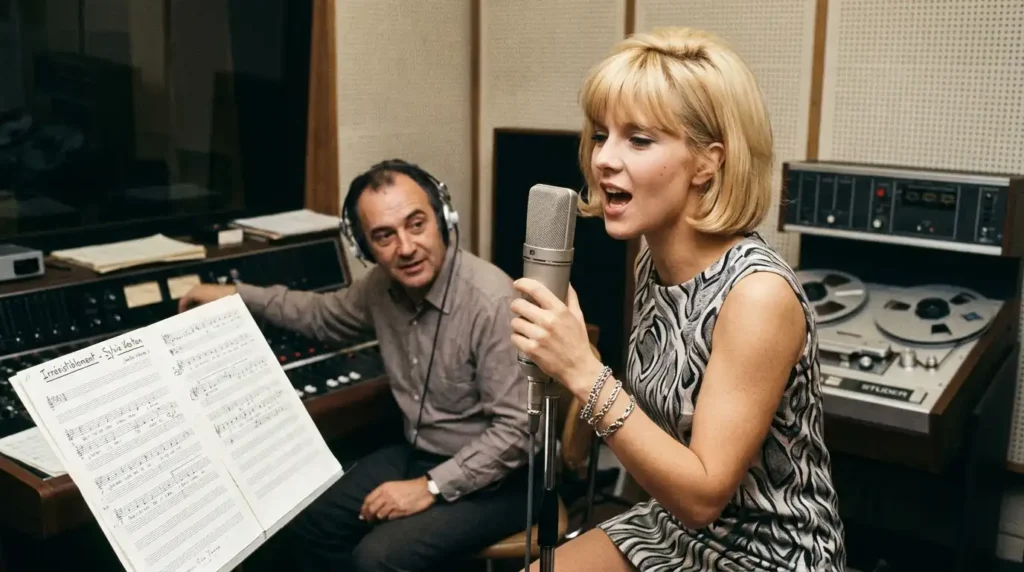
The Momentum Created by the Title’s Syllables
“Irrésistiblement” expresses in a single word an idea that requires several words in English or Japanese.
Its many syllables connect smoothly, allowing the title itself to carry the melody forward. Because the pronunciation and musical movement work in the same direction, the narrator’s urgent feelings remain clear even to listeners who do not understand French.
France in 1968 and the Yé-Yé Movement
Transforming British and American Pop into a Distinctive Style
When “Irrésistiblement” was released in 1968, youth culture across Europe and North America was changing rapidly through music, cinema, and fashion.
In France, yé-yé music brought the influence of British and American rock and roll into the French pop scene. The movement took its name from the repeated phrase “yeah, yeah” heard in many English-language songs.
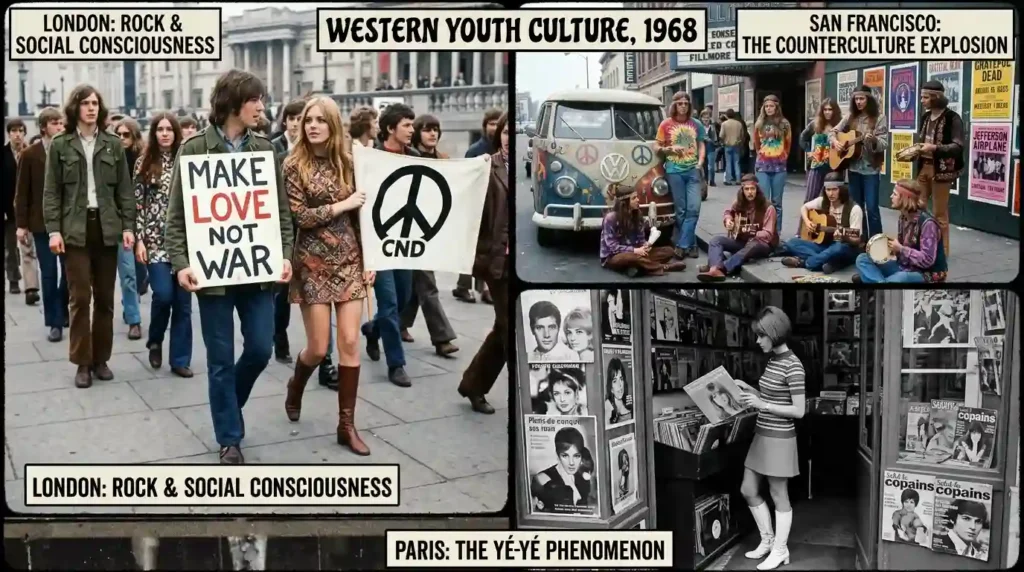
French performers did not simply imitate records from Britain and the United States. They combined the sound of their own language with string and brass arrangements, stylish costumes, and carefully designed screen appearances to create a recognizable identity of their own.
The New Image of Womanhood Presented by Sylvie Vartan
Vartan did not remain confined to the image of a charming teenage singer. She performed vigorous dance routines and sang rock and roll with confidence and force.
“Irrésistiblement” reflects those qualities. Although it sounds immediately accessible, it demands accurate rhythm, flexible phrasing, and rapid changes of register. Beneath its effortless surface lies a performance that clearly demonstrates her skill as a vocalist.
Why the Song Became Familiar Across Generations in Japan
Films, Television, and Commercials Introduced It to New Listeners
“Irrésistiblement” was repeatedly featured in films, television programs, and commercials in Japan, allowing it to reach generations born long after its original release.
Some listeners first encountered it on a record, others through a screen production, and still others through a streaming service. Regardless of the period, its unmistakable opening makes the song easy to recognize after only a few seconds.
Vartan’s own early connection with Japanese popular culture should not be overlooked. Her first visit to Japan and her appearance in the Renown commercial gave Japanese audiences a direct connection with the singer herself. The strength of the recording and her personal visibility worked together to establish its lasting place in Japan.

Love Begins to Run Before Reason Can Catch Up
It is impossible to explain every reason why we fall in love. A voice, an expression, or a small gesture may combine with something we cannot identify, and the heart begins to move before the mind can reach a conclusion.
“Irrésistiblement” captures that instant in a pop song lasting only a little over two minutes.
The narrator does not run away from her feelings. She chooses to move toward the person she loves. Her decision expresses not only romantic happiness, but also the courage to accept what she truly wants.
The 1968 recording still sounds alive because, although times have changed, the movement of the human heart has not.
On August 15, Sylvie Vartan’s birthday, “Irrésistiblement” offers the perfect reason to return to her music. More than half a century after its release, her vivid voice still captures the exhilaration of the moment when love begins.


音楽ファン同士の交流・リクエストはこちら / Connect & Request Songs Here