Simon & Garfunkel’s history is available here!
🎧 Listen to This Article
Listen to a concise narration covering the key points of this article.
Recommended for readers who would like to understand the atmosphere of “The Boxer” and the overall direction of the article before reading.
🎵 English Narration
An English audio introduction to the content of this article.
🎶 Japanese Narration
A Japanese audio introduction to the content of this article.
Listening first will make it easier to understand the world of “The Boxer” and the main points of the article.
No. 6 is “The Boxer.”
Released as a single in March 1969, “The Boxer” was later included on the album Bridge over Troubled Water, released on January 26, 1970. The song entered the U.S. pop chart in April 1969 and reached No. 7 on the Billboard Hot 100.
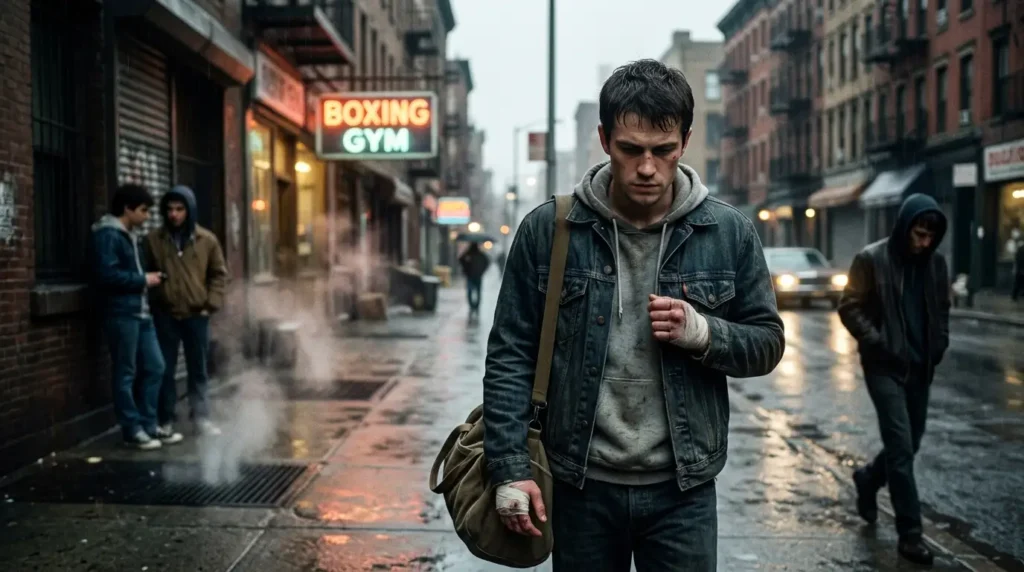
At the center of the story is a nameless young man who has left his family and hometown behind in an attempt to build a life in New York City. He searches for work but finds no one willing to hire him. Surrounded by cold weather and loneliness, he looks back on the road he has traveled while longing to return home.
The boxer named in the title does not appear until the closing section of the song. He has been knocked down repeatedly, and although anger and shame make him cry out that he is leaving, the fighter still remains. His figure mirrors the young man’s circumstances, and the song expands from the story of one person’s poverty into a broader portrait of how difficult it can be simply to keep living.
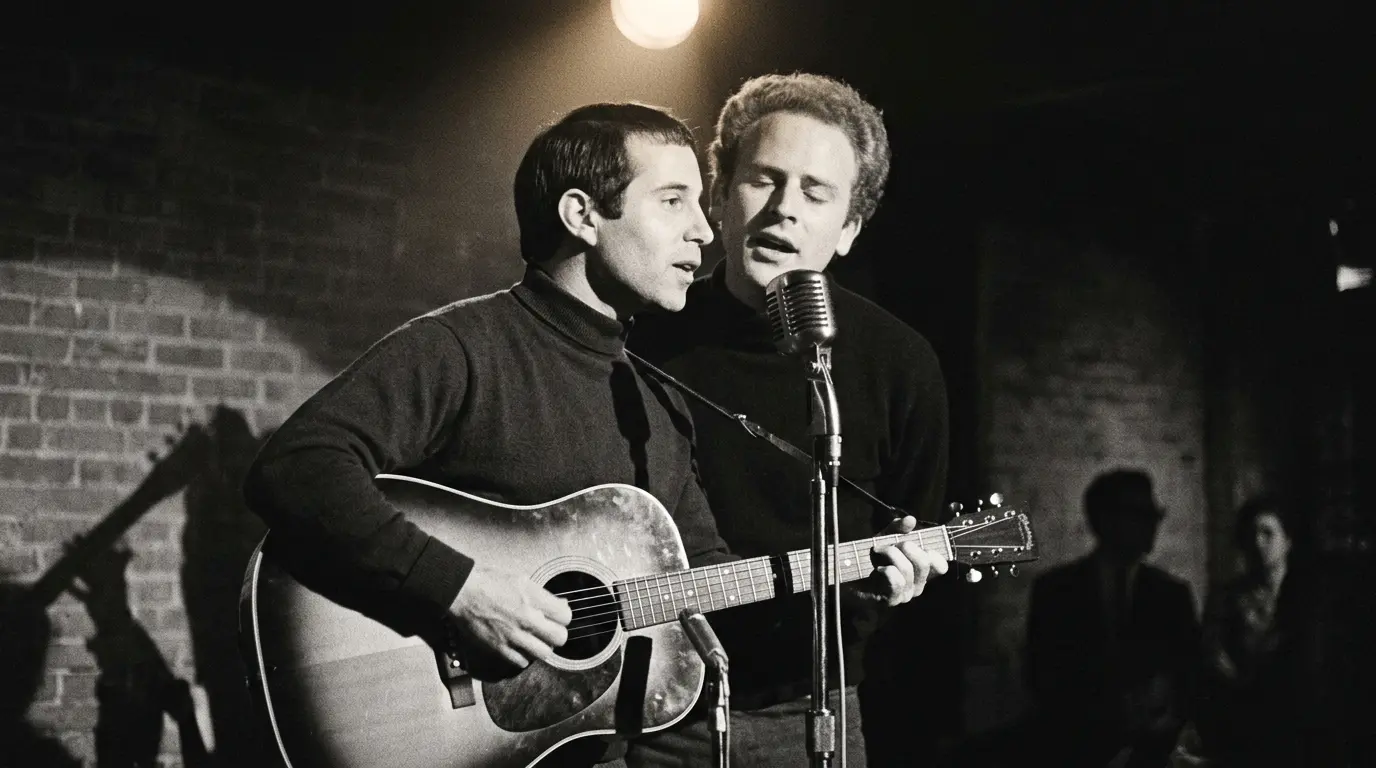
Delicate acoustic guitars, two voices that seem to arrive from far away, and the tremendous percussive blow that strikes beneath the refrain “Lie-la-lie.”
Rather than loudly preaching courage, “The Boxer” sets within its majestic sound the simple fact that a wounded human being has not disappeared.
A Poetic Interpretation
Each time I was hurt, I thought it was all over.
I longed to return home, yet somehow survived another day.
No matter how often the heart is knocked down,
the true boxer is the one who remains standing to the end.
🎥 As always, let us begin with the official YouTube videos.
Common Credits
Written and composed by: Paul Simon
First album appearance: Bridge over Troubled Water(1970)
Released: March 1969 as a single / 1970 on the album
Performed by: Simon & Garfunkel
① Official Audio Version
Video Credits
Source: Simon & Garfunkel Official YouTube Channel
“The Boxer (Audio)”
Published: April 16, 2013(official audio)
Two-Line Commentary
This official audio presents the original recording from Bridge over Troubled Water without additional visual staging.
The duo’s meticulously constructed harmonies and the explosive удар beneath “Lie-la-lie” bring the young man’s loneliness and endurance vividly into focus.
② Live at Central Park
Video Credits
Source: Simon & Garfunkel Official YouTube Channel
“The Boxer (from The Concert in Central Park)”
Recorded at The Concert in Central Park, New York City, September 19, 1981(video published in 2015)
Two-Line Commentary
This performance comes from Simon & Garfunkel’s celebrated reunion concert in Central Park, attended by approximately 500,000 people.
Through voices marked by the passage of time, a song once centered on a young man’s loneliness becomes a reflection on years already lived.
A Nameless Young Man and the Boxer Who Appears at the End
A Protagonist Outside the Conventional Success Story
At the beginning of the song, the narrator identifies himself as a poor boy. He does not dramatize his hardship or place the blame on anyone else. After observing that people hear only what they want to hear and disregard the rest, he begins recounting his personal history in a restrained voice.
Still little more than a boy, he leaves his family and hometown and hides among strangers in and around the railway stations. He asks for work because he needs only an ordinary laborer’s wages, yet no genuine offers come his way.
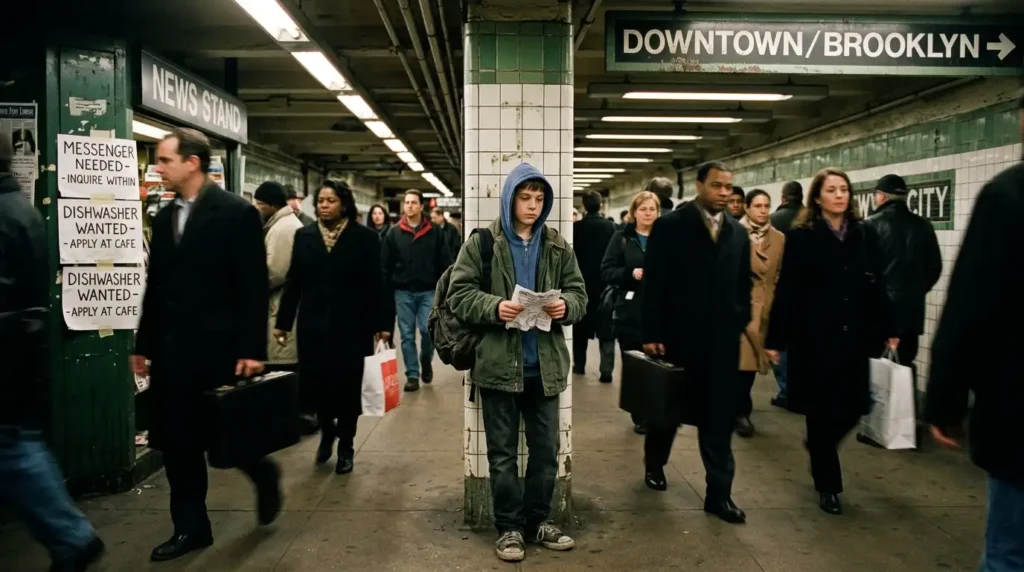
The New York portrayed here is not a glittering city where dreams automatically come true. It is a place that mercilessly separates those with security and resources from those who possess neither.
The young man speaks with restraint, but beneath his composure lie the anxiety of having no one to depend upon and the frustration of being unable to imagine a secure future.
What His Desire to Return Home Reveals
During the story, the narrator takes out his winter clothes and wishes that he could escape the cold of New York and go home. The song never tells us that he actually begins the journey back. His desire to leave and the reality that keeps him where he is remain side by side.
His hometown emerges as more than a geographical location. It represents a place where he might recover the person he was before hardship marked him. Yet time cannot be reversed. The young man moves toward the final scene without the song declaring that the city has defeated him or that he has conquered it.
The Closing Scene That Connects Two Figures
Only then does the boxer appear, standing in a clearing. His body carries the marks of every blow he has received. He has been knocked down and cut, and in anger and shame he cries out that he is leaving, yet the fighter remains on his feet.
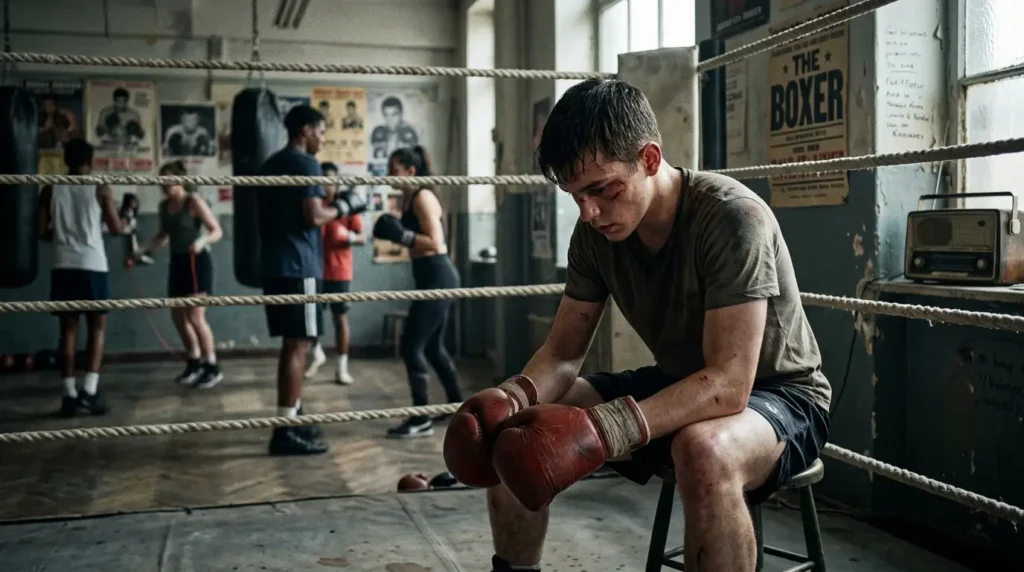
The song never states that the young man and the boxer are the same person. Nevertheless, the young man who longs for home while remaining in the city and the fighter who says he will leave while staying in the ring reflect one another like figures in a mirror.
He does not remain because he has won. He remains despite carrying the memory of defeat upon his body. The title points not toward heroic victory, but toward the human being who continues to exist after being struck down.
The Wordless Meaning of “Lie-la-lie”
The recurring “Lie-la-lie” that links the song’s scenes has no concrete narrative meaning. It therefore cannot be confined to a single emotion such as encouragement, lament, resignation, or stubborn pride.
Because the song provides no fixed explanation, listeners can place their own experiences of loneliness and failure within the repeated phrase.
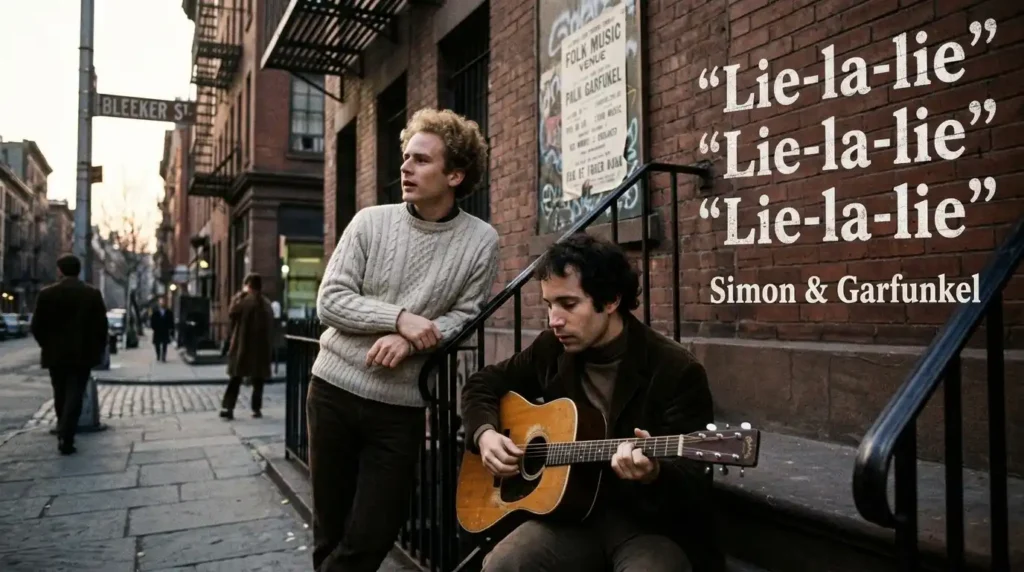
A Meticulously Constructed Recording Created Across Several Locations
The power of “The Boxer” does not come from its story alone. The recording was not completed in a single studio. Performances and vocals recorded in Nashville and New York were assembled and refined over an extended production process.
A Landscape Created by the Movement of Fingers
The musical foundation comes from the acoustic guitars of Paul Simon and guitarist Fred Carter Jr. Their intricate fingerpicking maintains a measured pace, suggesting the young man moving through stations and impoverished neighborhoods.
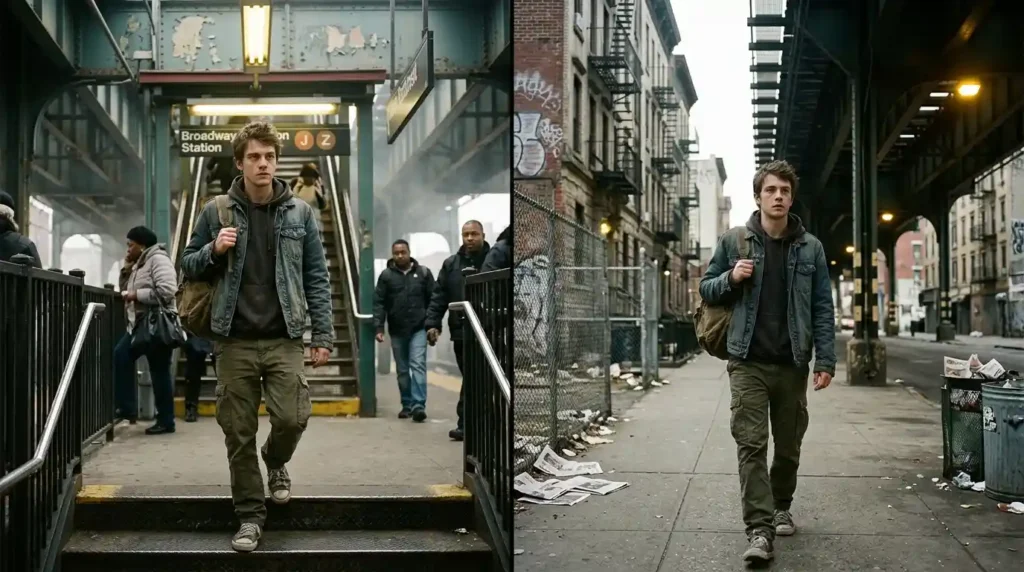
Pedal steel guitar, bass, organ, and piccolo trumpet are gradually added, creating a dimensional sound that reaches far beyond a simple folk performance. Although the number of instruments increases, the solitary voice at the heart of the narrative is never buried.
The Blow Created by an Elevator Shaft
The most arresting sound is the snare-drum strike beneath “Lie-la-lie.” Drummer Hal Blaine positioned the drum near an open elevator shaft at Columbia Studios in New York.
Recording engineer Roy Halee used the natural reverberation of the building to expand the strike until it sounded almost like cannon fire. The impact does more than emphasize the refrain: it connects the physical punches received by the boxer with the social blows endured by the young man.
Some vocals were recorded in a chapel, and combining material captured in several different spaces required both technical precision and considerable patience. At a time when recording equipment offered far less flexibility than it does today, the decision to select the physical environment for each sound helped give the finished work its remarkable depth.
Beautiful Voices That Intensify the Pain
Simon & Garfunkel do not express the protagonist’s suffering through rough or uncontrolled singing. They preserve the melody and carry the narrative through carefully balanced harmony.
That musical beauty makes the harshness of the life being described even more vivid. The polished voices and the narrator’s degrading circumstances never merge too comfortably. Instead, each illuminates the other, creating a tension that prevents the song from collapsing into sentimentality.
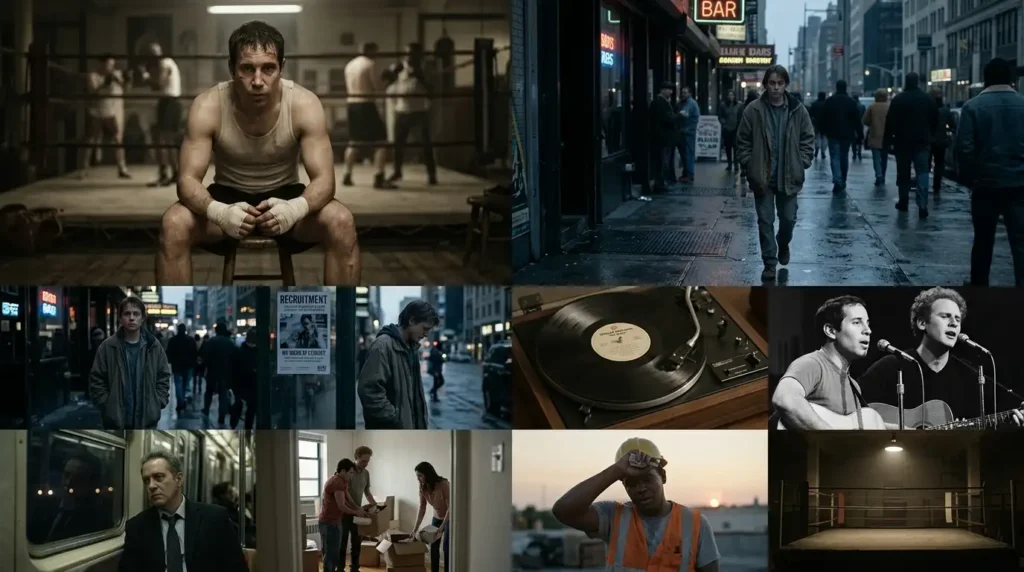
How Central Park Changed the Character of the Song
On September 19, 1981, Simon & Garfunkel once again stood together onstage in New York’s Central Park. Approximately 500,000 people gathered for the concert, and “The Boxer” was performed before the enormous audience.
The 1969 studio version sharply conveys the vulnerability of a young man cast into the city. In the Central Park performance, however, the years carried within the duo’s voices and the sight of them singing in the heart of New York add another dimension.
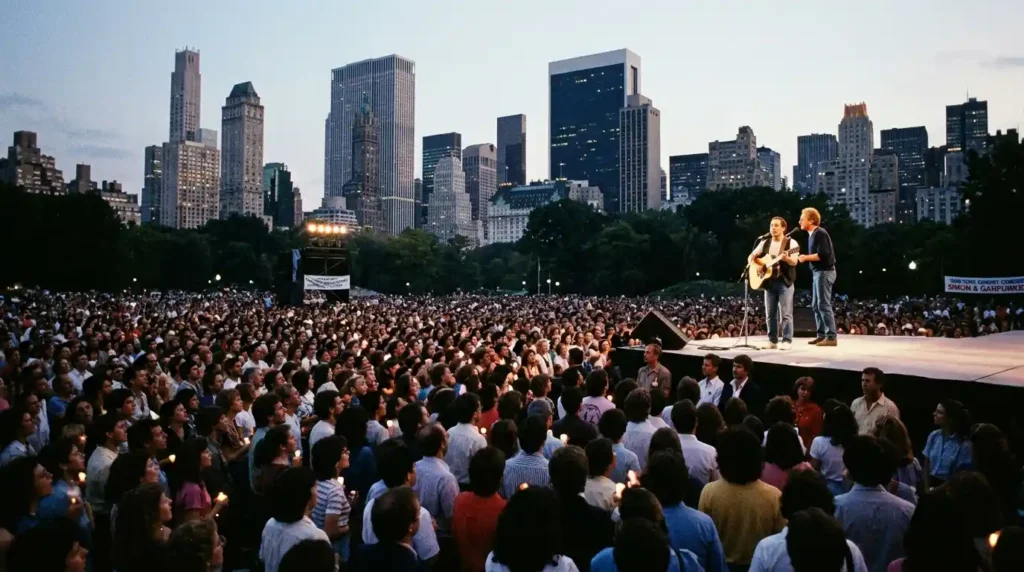
The city hosting the concert is the same New York that appears in the lyrics as a place that wounds the protagonist. When the vast crowd joins together around “Lie-la-lie” in that very city, the performance gains a force that reaches far beyond a straightforward recreation of the original recording.
The solitary story recorded by two young musicians became, twelve years later, a great communal chorus carrying the memories of the audience as well. Hearing the studio and live versions in succession reveals how a single composition can acquire a different meaning through changes in time and place.
In Closing
“The Boxer” does not promise clear success or triumphant recovery. We are never told that the young man finds employment, and the boxer is never shown winning a fight.
Even so, neither figure disappears from the story.
The young man continues living in the city while carrying his longing for home within him. This contradiction reveals human weakness and strength at the same time.
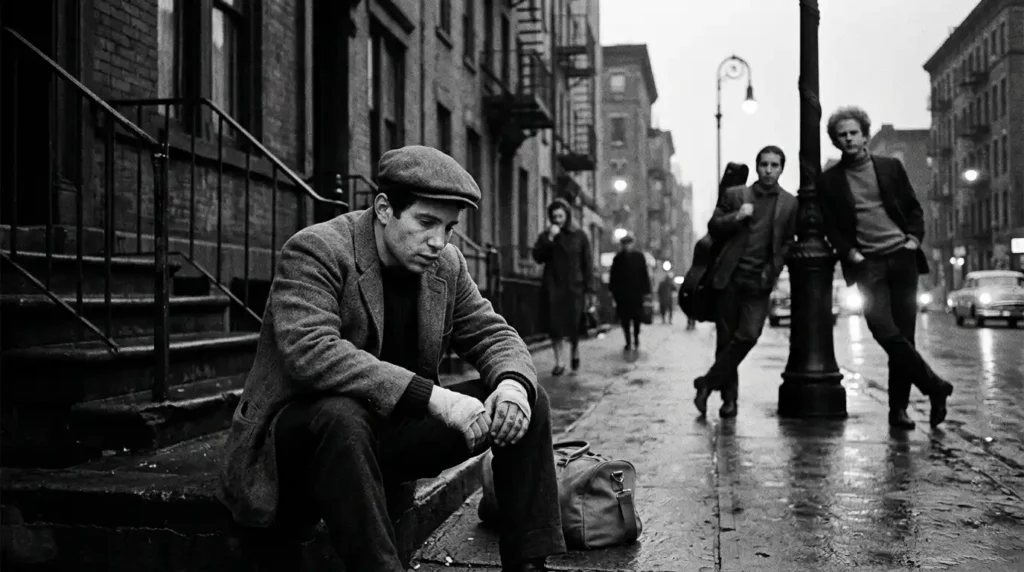
Whenever I hear this song, I am reminded that remaining on one’s feet does not mean being free from doubt or untouched by pain. It means carrying the fact that one has been knocked down and still being present in the next moment. That modest yet stubborn vitality may be what “The Boxer” has continued to communicate for more than half a century.

音楽ファン同士の交流・リクエストはこちら / Connect & Request Songs Here