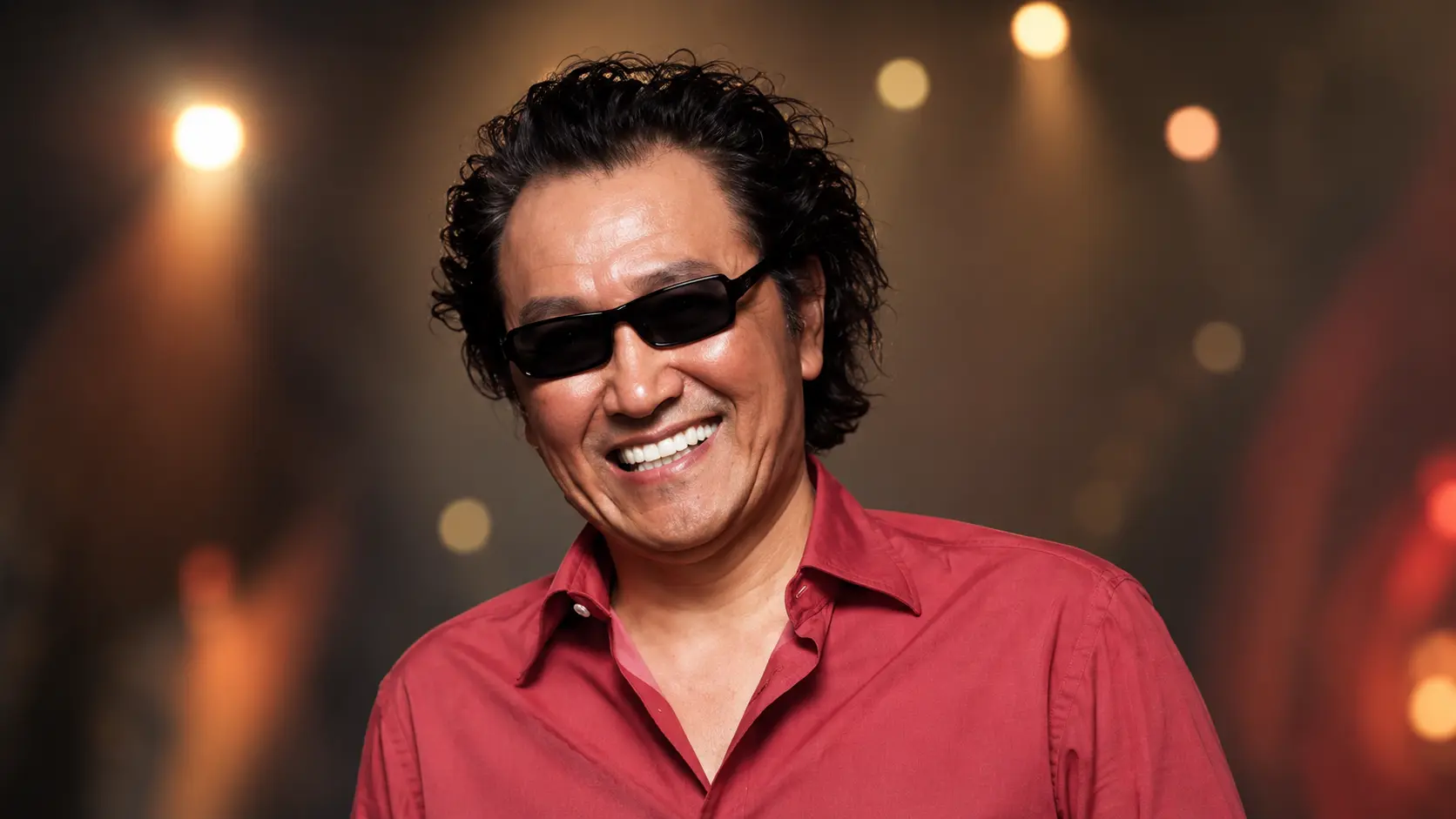
Click here for Yosui Inoue’s History!
- 🎧 Enjoy This Article in Audio
- No. 6 is “Yume no Naka he” (Into the Dream)
- First, Please Listen to the YouTube Videos
- A Natural Departure from Folk Boundaries, Driven by a Nimble Acoustic Strum
- A Surreal Thought Experiment Born from the Plain Routine of Lost Belongings
- Surrendering Rationality under the Banner of an “Invitation to Dance”
- A Landscape Side-by-Side with Madness, Where “Even Resting is Forbidden”
- A Dry Transformation: Entering the Space of “When You Stop Searching”
- In Closing: An Everlasting Invitation via a 16-Beat Groove
🎧 Enjoy This Article in Audio
You can quickly grasp the main points of this article through narration.
Recommended for those who want to catch the vibe of the music and the flow of the article before reading.
🎶 English Narration
An English audio introduction to the contents of this article.
⌛ Duration: Approx. 4 mins
🎵 Japanese Narration
A Japanese audio introduction to the contents of this article.
⌛ Duration: Approx. 4 mins 15 secs
* Listening to the audio before reading helps you better understand the world of the music and the main points of the article.
No. 6 is “Yume no Naka he” (Into the Dream)
Released in March 1973, “Yume no Naka he” is a highly pivotal single that widely consolidated the name of Yosui Inoue across households in Japan.
Setting itself completely apart from the heavy social themes and damp, gritty realism embedded in the folk music of that era, this song sketches a sudden, fleeting escape from daily routine on a light 16-beat rhythm, offering a fresh perspective even when listened to today.
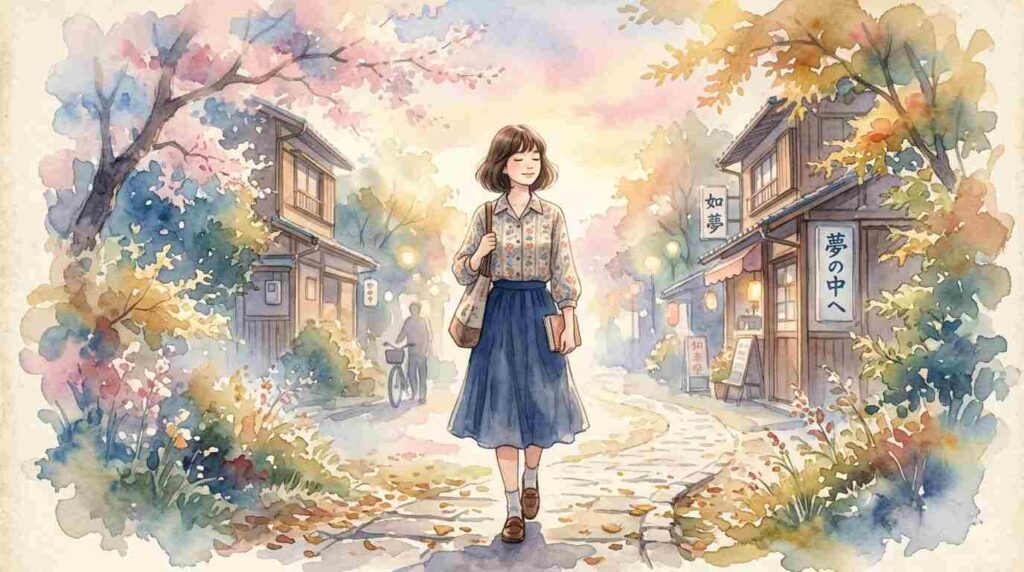
Since this track has been covered by numerous artists beyond Yosui Inoue himself, many people are likely familiar with the melody, even if they do not recognize it as his original work. (※)
Behind the bright, hummable melody lies Yosui’s quiet gaze, throwing subtle questions at the listener. I would like to delve into this somewhat surreal and detached world woven by its chord progressions and lyrics.
※ (“Yume no Naka he” has long been cherished as one of Yosui Inoue’s signature songs. In 1989, Yuki Saito covered it, and it became widely known as the theme song for the TV drama “Shonan Monogatari.” Additionally, a cover version by Atsuko Enomoto and Chihiro Suzuki was featured as the ending theme for the anime “Kareshi Kanojo no Jijo” [His and Her Circumstances]. In the 2019 “Yosui Inoue Tribute” album, Noriyuki Makihara also selected and reimagined this classic track.)
Essence Interpretation: The World of the Lyrics
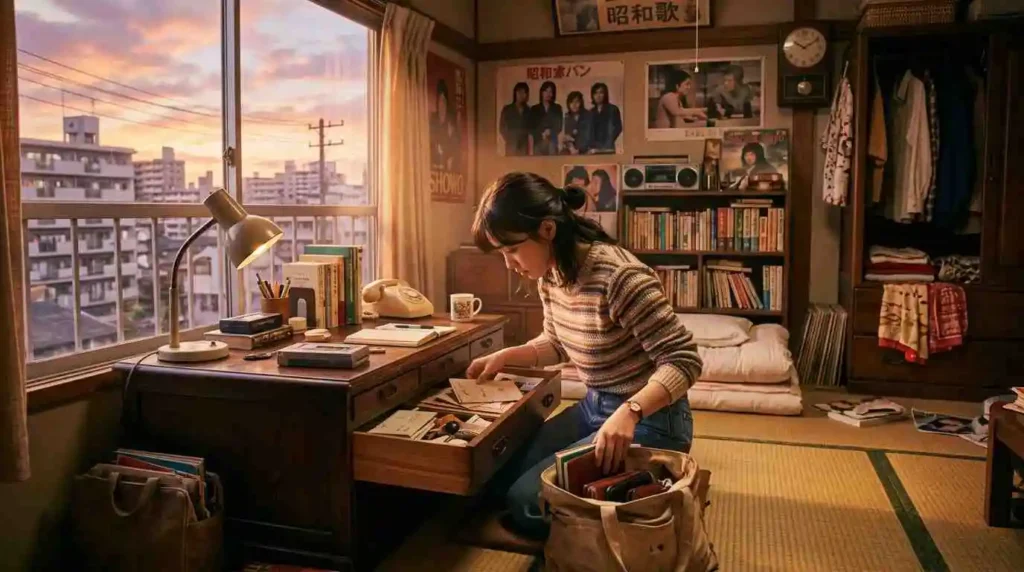
Are the fruits we desperately search for, turning our desks and bags upside down, truly important enough to demand such frantic pursuit?
To our daily routine shackled by rules, where even smiles freeze up, the singer throws a sudden and sweet invitation to dance.
Once we cast away all attachments and step outside the borders of rationality, the world silently turns around, and truth might just step forward to meet us.
💡 Read Also: Click here for the official original lyrics (Opens an external site)
First, Please Listen to the YouTube Videos
Common Credits
Song Title: Yume no Naka he
Lyrics, Composition & Vocals: Yosui Inoue
Arrangement: Katsuru Hoshi
Original Release: March 1, 1973, Polydor, Single "Yume no Naka he"
B-Side: Itsunomanika Shojo ha
 "Yume no Naka he" was released as a single on March 1, 1973, and was not included in the original album "Kori no Sekai" released later that same year. It was subsequently included in compilation albums such as "Yume no Naka he - Yosui Inoue Best Album" and "GOLDEN BEST," continuing to reach generations of listeners as his definitive signature track.
First up is the official video.
Yosui Inoue "Yume no Naka he" Music Video. This is the studio-recorded version.
While standing as one of Yosui’s representative tracks, it guides the listener into a dream world with nimbleness rather than gravity.
The everyday scenery of searching for lost belongings seamlessly crosses the border between reality and dreams, capturing the unique, enigmatic charm of this song.
Next is a live audio track from an unconfirmed year, allowing you to feel a deeper sense of groove. Please listen.
(Please click on the image below.)
Yosui Inoue "Yume no Naka he" Live Performance
Although the recording year and venue are unspecified, this version treats listeners to a nimble tempo distinct from the studio cut, coupled with Yosui Inoue’s detached, effortless vocal delivery.
This is a live recording from 1991. Please click on the image below.

Credits
Yosui Inoue "Yume no Naka he" Live Performance
Guest Members: Kiyoshiro Imawano, Masayoshi Takanaka, Haruomi Hosono, and others
Recorded: August 25, 1991, at Uminonakamichi Seaside Park, Fukuoka
Event: ACOUSTIC REVOLUTION STAR STOCK ’91
Two-Line Commentary
An iconic moment from the legendary 1991 outdoor festival "ACOUSTIC REVOLUTION."
Yosui Inoue’s stage welcomes a stellar gathering including Kiyoshiro Imawano, Masayoshi Takanaka, and Haruomi Hosono, layering the vast openness of an outdoor venue with the playful artistry of master musicians.
Finally, here is a take showcasing a different band approach that absorbed the contemporary atmosphere of its era. This is a live recording from 2006. Please click on the image below.
Credits
Yosui Inoue "Yume no Naka he" Live Performance
Recorded: August 19, 2006, at Showa Women's University Hitomi Memorial Hall
Concert: Yosui Inoue Concert Tour -2006- Finale
Source Release: "The Premium Night - Showa Women's University Hitomi Memorial Hall Live"
Two-Line Commentary
Performed at the grand finale of his 2006 tour, this rendition moves away from the brisk tempo of his younger days, gently enveloping the venue in a seasoned, mature voice.
While preserving the comforting familiarity of a signature hit, this live take highlights the ease and warmth found only in a song sung across decades.
(※ Since three of these videos are not from official channels, to respect copyright, they are linked externally through custom images rather than embedded directly onto the site.)
A Natural Departure from Folk Boundaries, Driven by a Nimble Acoustic Strum
Even now, every time that intro acoustic guitar slides out from a vinyl record or a streaming platform, I feel a wave of crisp freshness. That delightful 16-beat stroke thoroughly wiped away the introspective, brooding dampness so prevalent in the folk music of that period.
In the Japanese music scene of the early 1970s, a style that pushed heavy messages and unvarnished grit to the forefront was the dominant mainstream. In such an era, the dry, hard-edged sound Yosui chose represented a clear intellectual distance from contemporary trends—a smart, deliberate farewell.
After navigating a difficult debut period under the pseudonym Andre Candre, he hit the reset button under his real name, Yosui Inoue (interestingly, the characters for Yosui are originally read as “Akimi”!). He clearly had no intention of letting his artistry stop at being a mere “spokesperson for the youth.” This deliberate, calculated stance yields a vibrant, bouncing soundscape that feels entirely intentional.
Supporting this breezy acoustic aesthetic is Katsuru Hoshi’s strings arrangement, which shifts colors like a kaleidoscope behind the acoustic guitar. Far from functioning as a mere ornate decoration, this orchestration serves as a brilliant mechanism that gently lifts the listener away from the monotonous rhythm of everyday routine, guiding them toward an entirely different vantage point.

A Surreal Thought Experiment Born from the Plain Routine of Lost Belongings
The greatest masterstroke of this track lies in how the narrative kicks off from a highly personal, tiny annoyance that everyone has experienced: “searching for something.” By presenting concrete spaces of daily life, such as inside a bag or a desk drawer, we are instantly pulled into the song’s realm.
Yet, the resolution Yosui paints is not a simple, comforting “glad it was found.” He observes the very image of humans crawling around in a desperate search with a detached, yet strangely warm perspective.
What is it you are looking for? Is it something hard to find?
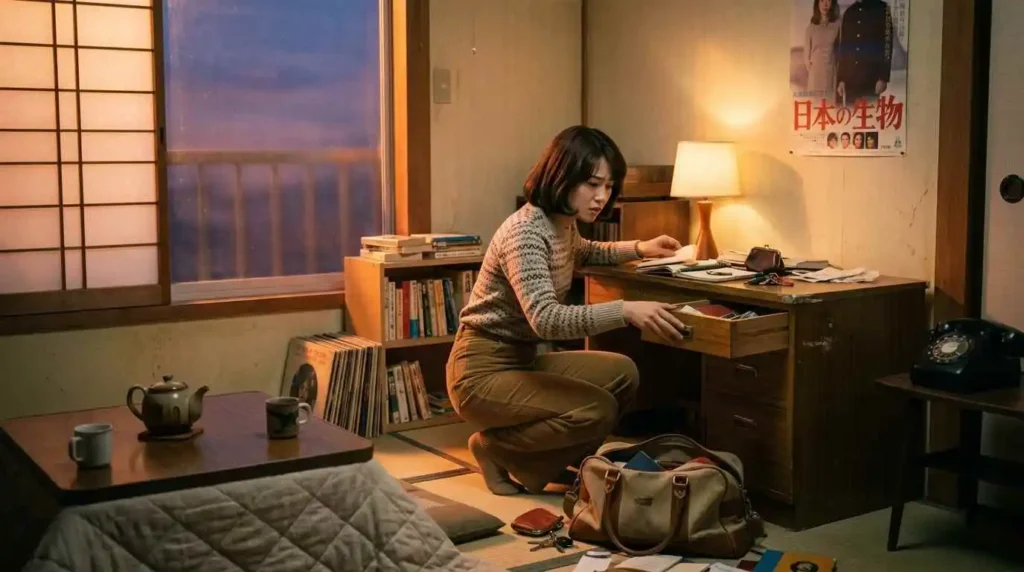
This deceptively simple inquiry initiates a strange transformation inside the listener’s mind. While initially envisioning mundane items like keys or a wallet, one suddenly feels confronted with the absence of something intangible—an elusive “something” we have spent our entire lives trying to accumulate. By using a trivial daily hassle as a gateway, he effortlessly drags the audience deep into their own inner world. This seamless execution is the true essence of Yosui as an artist.
Given that this song was unleashed when the residual heat of rapid economic growth still lingered and society was blindly charging ahead toward material prosperity, its critical significance is profound. In the midst of a clamor where everyone was frantic to acquire things and push forward, a man appeared, singing with a completely cool composure over a brisk 16-beat rhythm: “What on earth are you so desperate to obtain?” That presence itself stood as the ultimate smart subversion of the era’s common sense.
Surrendering Rationality under the Banner of an “Invitation to Dance”
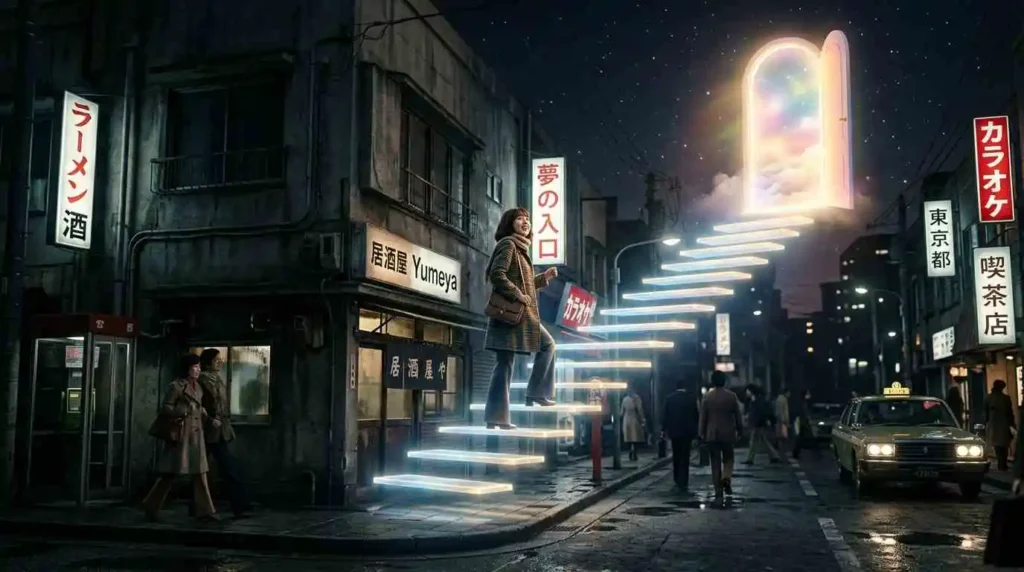
Placed immediately after highlighting the vanity of obsession, the phrase “Why don’t you dance with me instead?” serves as a decisive turning point that completely shifts the track’s atmosphere.
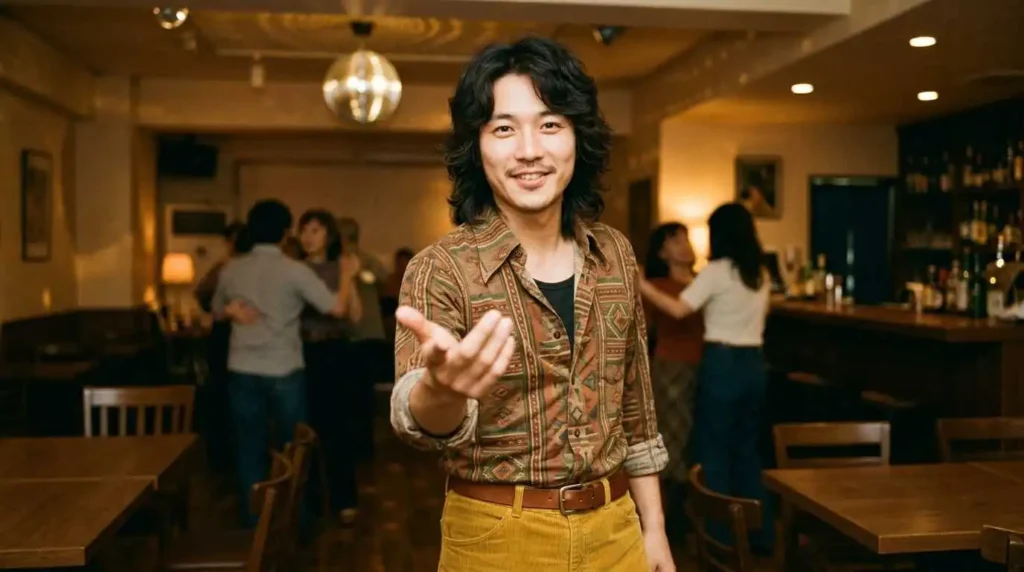
The “dance” presented here transcends the physical act of stepping to a rhythm; it feels like a method for temporarily dodging a daily system entirely saturated with rationality and goal-oriented logic.
Whether during our student days or across a long subsequent career, we are continually obligated to seek “meaningful actions” and “tangible results.” The anxiety of being unable to find what we look for is a deeply rooted, universal form of stress that resonates heavily with us today.
Yosui takes the taut strings of our awareness and effortlessly loosens them by drawing us into a light, casual step. It is not a regressive escape that turns its back on reality, but rather a highly sophisticated movement to restore a neutral self when we become overly trapped by our obsessions.
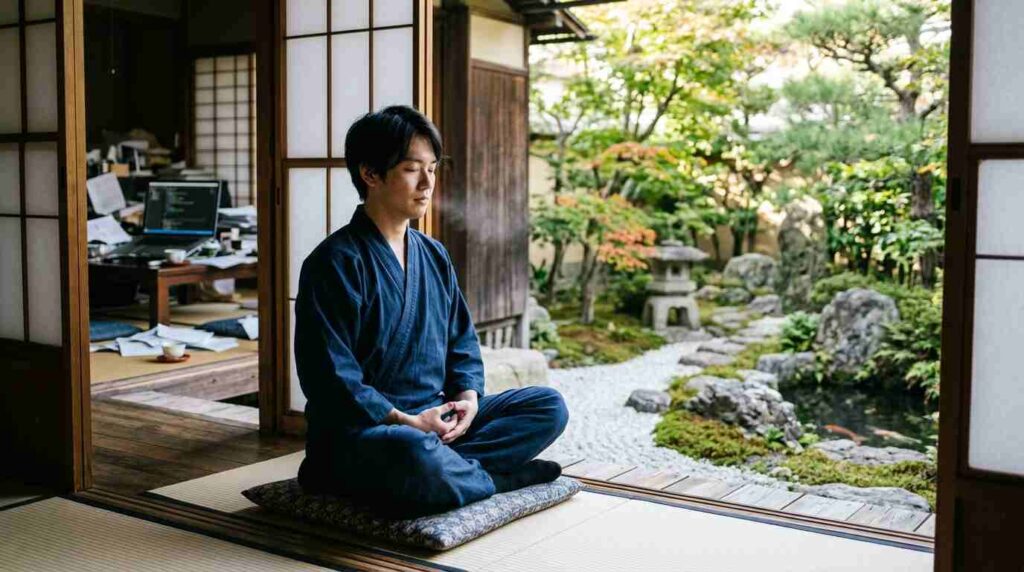
He does not loudly criticize the absurdity of a daily existence spent scrambling on all fours, forgetting how to smile. He simply asks with a cool, unbothered persuasiveness: “Don’t you want to try going into the dream?” In that instant, the breezy openness of the music unravels our tension, bringing forth a pure, uncomplicated comfort.
A Landscape Side-by-Side with Madness, Where “Even Resting is Forbidden”
What keeps this track from wrapping up as a mere lighthearted, nonsensical pop tune is how a distinctly unsettling glimpse of reality rears its head as the song enters its later half.
As you surrender your focus to the crisp acoustic guitar strums, you suddenly notice a deep slit—a sudden abyss—opening right beneath your feet.
Even resting is forbidden
Smiling has been stopped
Crawling on all fours, crawling on all fours
Just what on earth are you searching for?
The persistent refrain of “crawling on all fours” carries a raw intensity that stings every time it is heard. It plays out like a detached sketch of a human extreme condition—losing touch with one’s own will, completely driven by immediate tasks and societal demands.
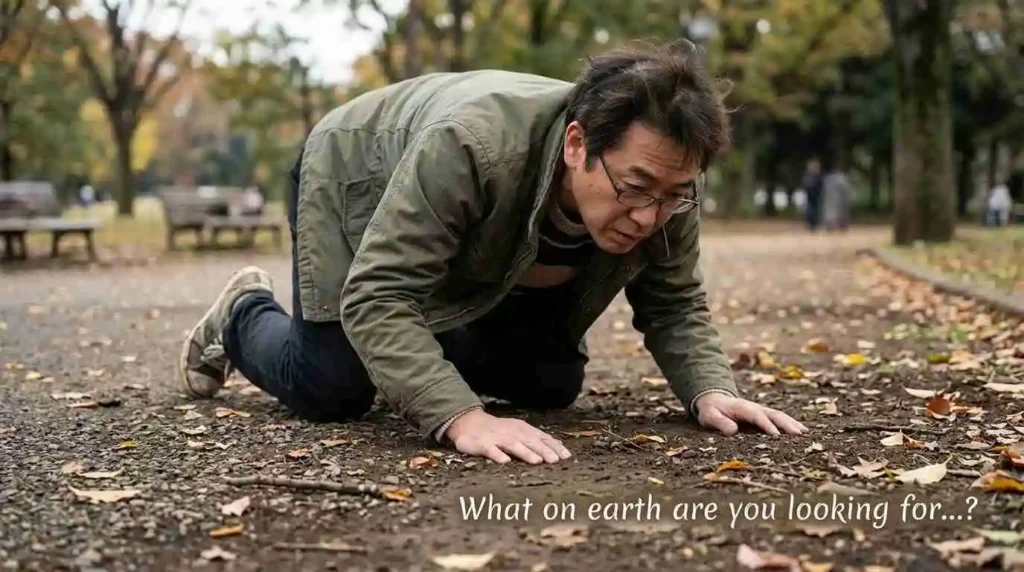
Yosui does not offer pity to this grueling state, nor does he rally us with passionate encouragement. Instead, as if pulling back a camera lens, he flatly captures this bizarre scene with an objective, slightly humorous touch.
This distanced perspective lends an incomparable modernity to his music. One can only marvel at his ability to dissolve the core paradox of human nature—how the more desperate we become, the more comical we appear from the outside—into such a beautifully pop melody.
A Dry Transformation: Entering the Space of “When You Stop Searching”
The narrative eventually arrives at the philosophical core of the song, descending upon that incredibly famous phrase. The line, “It is a common story that things are often found right when you stop searching,” perfectly hits upon a strange paradox we frequently encounter in daily life.
When frantically tracking something down, our field of vision narrows dramatically, blinding us to valuable things right at our feet. Yet, the moment we surrender all attachment and flip our cognitive switches entirely off, the object of our search naturally manifests itself. This is a truth that extends far beyond misplaced physical items, echoing through every facet of life.

Crucially, the “giving up” Yosui presents never signals despair or defeat. It represents a clean, airy state of mind—a sort of dry, refreshing nihilism that settles in once unnecessary strain is abandoned.
Expecting nothing, simply focusing entirely on carving out your own steps. That quiet defiance turns out to be the definitive key to shattering a stagnant situation, a lesson this track subtly passes along.
In Closing: An Everlasting Invitation via a 16-Beat Groove
Decades after its 1973 debut, “Yume no Naka he” continues to strike a fresh chord within us simply because the core architecture of the daily life it portrays has not shifted at all.
In fact, amid days where we feel compelled to extract meaning and correct answers from everything we see, the “airy liberation born the moment you let go of all attachments” targeted by this song stands out even more vividly.
_-2-1024x572.webp)
Whether sorting through bags, rummaging through desks, or peering into smartphone screens, we spend every day chasing something, wearing our spirits thin without even realizing it. In those moments, the sudden ring of Yosui’s acoustic guitar reaches out, gently shaking our stiffened frames.
“Why don’t you pause for a moment and dance with me?”
By accepting this detached yet fundamentally hospitable invitation, we break away from the gravity of routine for a brief moment, stepping into a rhythm entirely our own. That, perhaps, is the ultimate magic woven into this timeless masterpiece by Yosui Inoue, an unparalleled master of pop.

音楽ファン同士の交流・リクエストはこちら / Connect & Request Songs Here