■ Learn more about HSCC here ➡ |Do You Know the Remarkable Band Called HSCC?
- 🎧 Enjoy This Article with Audio
- This edition of “My Personal Cover Selection” features…
- Introduction
- First, watch the official video (HSCC Version)
- Now, let’s check the original official video.
- Reconstructing a Powerful Rhythm to Support Sophisticated Sensuality
- Harmony Between Melancholy Vocals and Multi-layered Chorus
- An Ensemble Coloring the Space and the Temperature of Live Performance
- A Modern Interpretation Driven by a Deep Understanding of the Original
- The Significance of HSCC’s Covers in Connecting Classics to the Next Generation
- Final Thoughts
🎧 Enjoy This Article with Audio
You can easily grasp the main points of this article through audio.
Recommended for those who want a quick summary before reading.
🎵 English Narration
Listen to the content of this article with English narration.
⌛ Playback time: Approx. 3 min
🎶 Japanese Narration
You can also listen to the same content in Japanese.
⌛ Playback time: Approx. 3 min
* Listening to the audio before reading the text will help you understand the song’s worldview and the article’s key points more fully.
This edition of “My Personal Cover Selection” features…
The song I’ve chosen this time is “Slave To Love,” a 1985 masterpiece by Bryan Ferry that solidified his status as a complete solo artist following the disbandment of Roxy Music.
I want to explore how the Australian collective of elite musicians, The Hindley Street Country Club (HSCC), has reinterpreted this track, which is steeped in a beautiful yet decadent aesthetic. The contrast between the original’s serene passion and HSCC’s dynamic live groove is enough to make any music fan’s heart race. Let’s delve into how this sophisticated adult rock classic has been breathed into new life through modern, masterful performance techniques.
Introduction
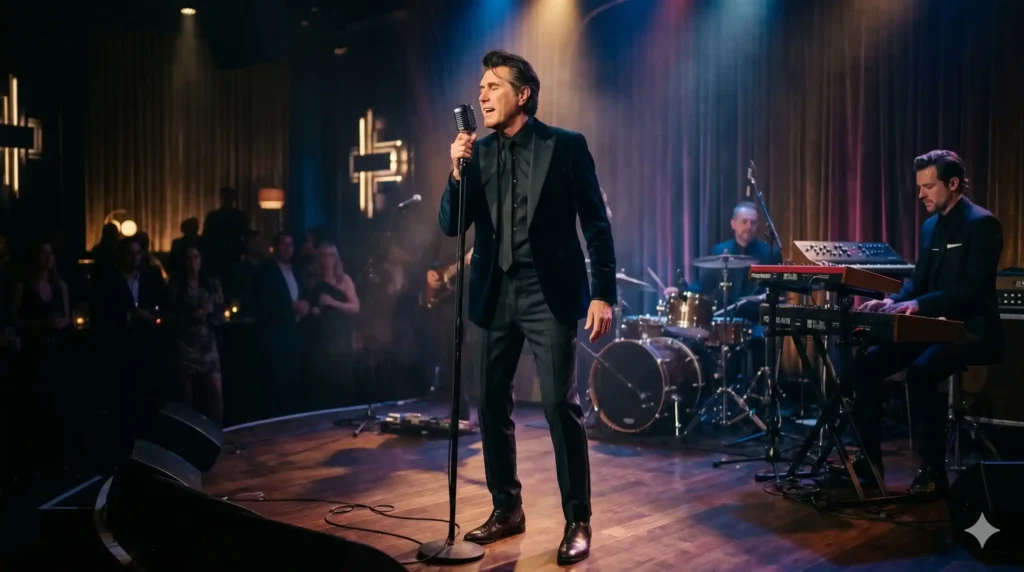
When discussing an artist like Bryan Ferry, the words “dandyism” and “aesthetic” are inseparable. As the frontman of Roxy Music who shocked the music scene, he continued to pursue a unique sense of beauty in his solo career. One of the culminations of that journey is the 1985 solo album “Boys and Girls,” from which “Slave To Love” was released as a single.
In the mid-1980s, the music scene was dominated by digital synthesizers and heavy production techniques. Amidst that landscape, this song boasted an extremely meticulously constructed sound production while simultaneously containing something deeply human—a trembling emotion. With its restrained rhythm, shimmering guitars, and above all, Bryan Ferry’s one-of-a-kind vocals, it remains a masterpiece in pop music history, perfectly capturing the inescapable prison of emotion suggested by its title.
First, watch the official video (HSCC Version)
Credits
"Slave To Love" (Bryan Ferry) Cover
Performed by: The HSCC (The Hindley Street Country Club)
Featuring Vocals: Danny Lopresto
Produced by: The HSCC
Original: Bryan Ferry "Slave To Love"
Brief Summary
This is an official performance video where The HSCC covers Bryan Ferry’s classic "Slave To Love" with a sophisticated band arrangement. It features an arrangement that pulses with the energy unique to a live band while inheriting the urban mood of the original.
Now, let’s check the original official video.
Credits
Song: Slave To Love
Artist: Bryan Ferry
Album: Boys and Girls
Released: 1985
Written by: Bryan Ferry
Brief Summary
A signature solo track by Bryan Ferry, this is a masterpiece of 1980s sophisti-pop, wrapped in urban melancholy and a sensual mood. The visuals, directed by Jean-Baptiste Mondino, quietly emphasize Ferry's characteristic sophistication, use of space, and romanticism.
Reconstructing a Powerful Rhythm to Support Sophisticated Sensuality
What strikes me first upon hearing the HSCC version is the overwhelming “physicality” presented by the rhythm section. While Bryan Ferry’s original was characterized by a dreamlike texture floating in a mist, HSCC’s performance pulls that fantasy toward a muscular, flesh-and-blood groove.
Vibrant Drums and a Bass that Dominates the Bottom
From the very first hit of the drum, the vibration of the air unique to a studio live session is palpable. While evoking the specific textures of the 80s found in the original, they carve out a more organic and tight beat. The bassline intertwined with this is truly superb. Keeping the center of gravity low, it doesn’t just support the song; it provides the forward momentum to drive the track.
Looking at the bass movement, one notices a funk-like stickiness created by weaving in slightly more intricate phrases than the original. It’s not just a rhythm to keep time, but a raw heartbeat that stirs the singer’s emotions. This interpretation by the rhythm section is the primary factor converting the original’s “stillness” into HSCC’s characteristic “active” energy.
Harmony Between Melancholy Vocals and Multi-layered Chorus
The heart of this song undoubtedly lies in its melody and vocal performance. Bryan Ferry’s vocals had a charm of being delicate, as if they might break at any moment, yet never did.
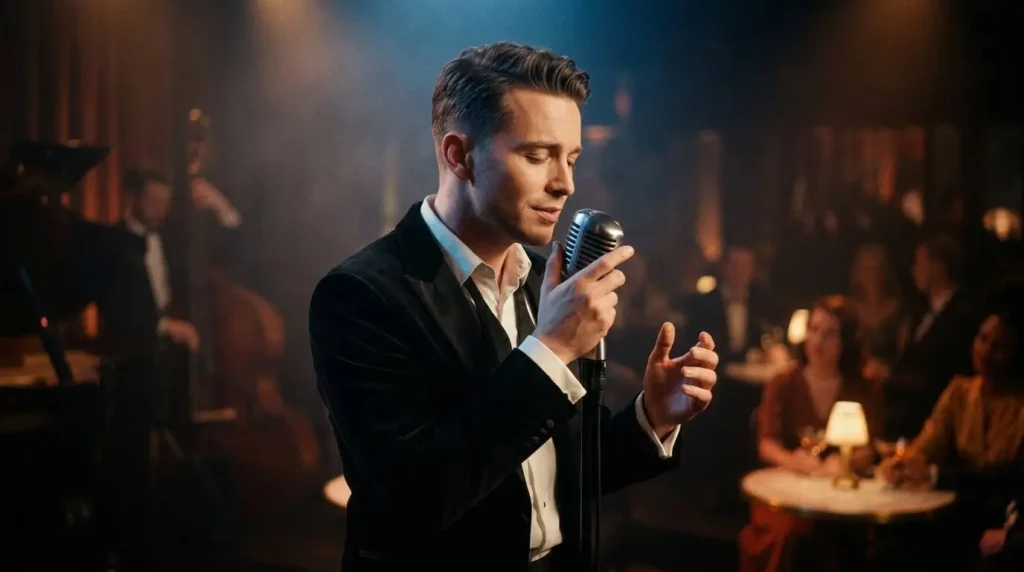
On the other hand, the vocal performance by HSCC lead singer Danny Lopresto, filled with respect for the original, carefully preserves the original’s nuances while generously pouring in his own soulful expressiveness.
Emotional Lead and Depth of “Voices”
The vocal delivery in the refrain of the chorus is particularly brilliant. Every time the phrase “Slave to love” is repeated, the voice gains heat, possessing a power that draws the listener in. it feels like the monologue of a struggling man, yet it exudes a mysterious sexiness as if he is somehow enjoying the predicament.
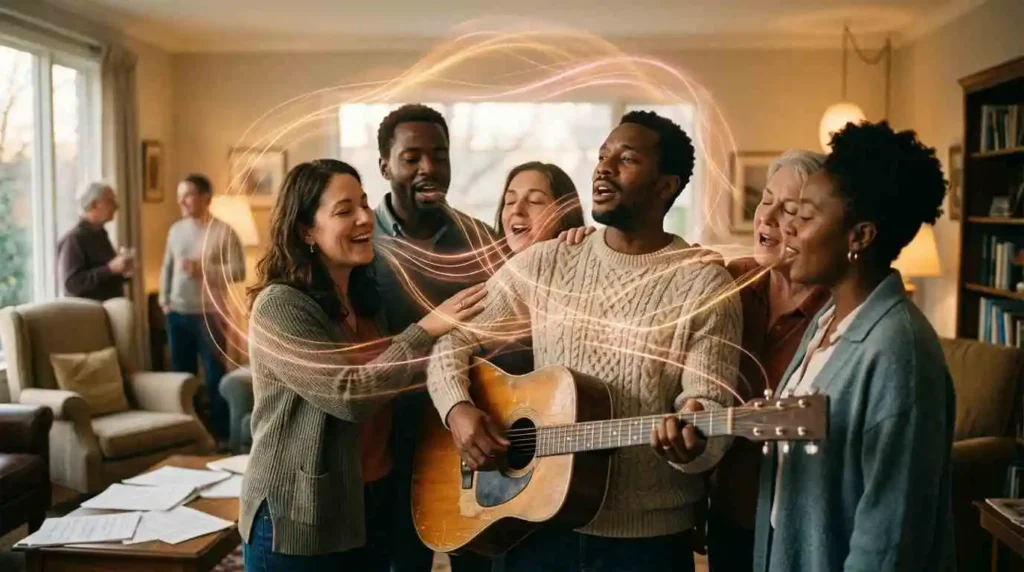
And the true hallmark of HSCC is the thick backing chorus. Where the original used synthesizers or processed voices to create sonic breadth, they reproduce it through the layering of raw human voices. The warmth created by these overlapping voices brings out the sorrow of the song in a more three-dimensional and vivid way. Even in the video, you can see that the chorus members aren’t just accompaniment; they are exchanging emotions on equal footing with the lead vocalist.
An Ensemble Coloring the Space and the Temperature of Live Performance
Looking at the instrumentation, I am once again impressed by the high level of HSCC’s meticulous arranging abilities. The iconic guitar phrases of the original and the layers of keyboards that fill the space are placed with great care.
Drama Born from Perfect Sound Placement
The guitars transition delicately from clean tones to edgy distortion, emphasizing the song’s inherent drama. The guitar work in the bridge is especially breathtaking. Without breaking the lyrical melody of the original, it adds a “ring” unique to live performance, leading the listener’s emotions to a peak.
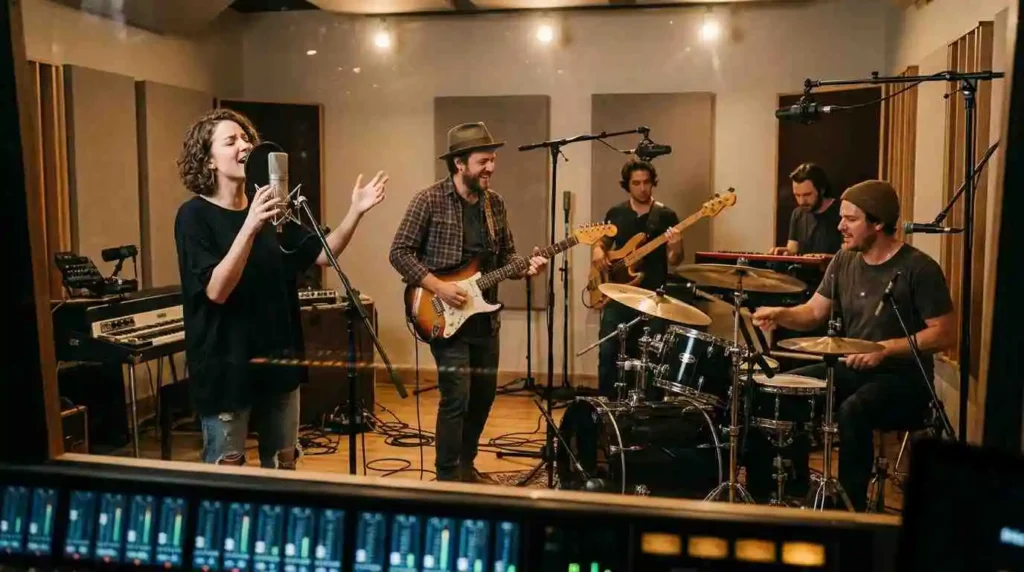
The keyboards are not merely background noise; they sometimes act like lead instruments and other times serve to reinforce the rhythm. Because these sounds are perfectly calculated, every single instrument is clearly audible despite so many layers. The eye contact between members and the joy on their faces while making music also elevates the quality of this performance. While being a perfectly controlled studio recording, it possesses a definitive “live temperature.”
The Visuals Tell the Story of the “Joy of Playing”
Something I always feel when watching HSCC videos is the fact that these musicians are truly enjoying the song. Everyone faces their instrument with a serious expression, yet they occasionally show smiles or sway to the rhythm. Because that happy atmosphere reaches us through the screen, we are drawn so strongly to their performance. It is the “magic of music” that transcends mere technique.
A Modern Interpretation Driven by a Deep Understanding of the Original
HSCC’s “Slave To Love” is by no means a mere copy of the original’s exterior. They deeply understand the essence of the “sophisticated melancholy” Bryan Ferry poured into this song and have re-voiced it in the format of a modern live band.
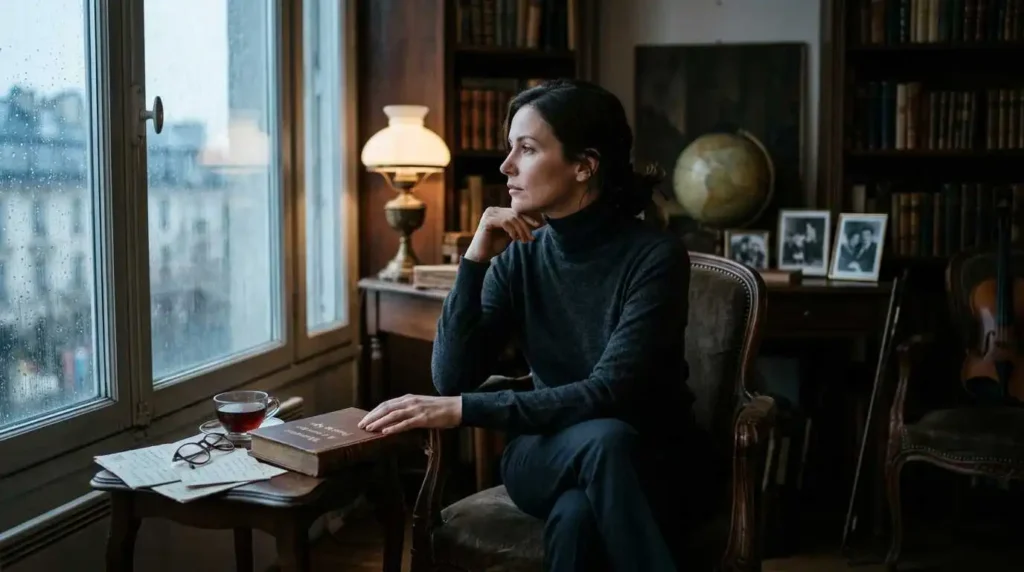
The original was the pinnacle of 80s studio work, possessing a beauty like a “perfected still image.” It was a sound like perfectly polished crystal. In contrast, HSCC’s cover breathes life into that still image, giving it a dynamism as if emotions are moving right before our eyes.
Because respect is felt in every detail of the arrangement, the shifts in dynamism resonate without being jarring, succeeding in illuminating new aspects of the song. The act of “updating” the charm of an original is impossible without extraordinary performance power. By dismantling this classic and reassembling it as their own, they have redefined it as a standard for the 21st century.
The Significance of HSCC’s Covers in Connecting Classics to the Next Generation
There is immense significance in a band like HSCC continuing to cover masterpieces. For the generation that knows the 1985 Bryan Ferry, this cover vividly revives the atmosphere of that time while offering new discoveries through live instrumentation. The realization of “Ah, was there such a deep groove hidden in that song?” is the best gift for long-time fans.
On the other hand, for the younger generation who may not know the original, this HSCC performance serves as an entry point, providing an opportunity to encounter the universal beauty of the melody across eras. To them, it will surely resonate as a “latest, wonderful piece of music.”
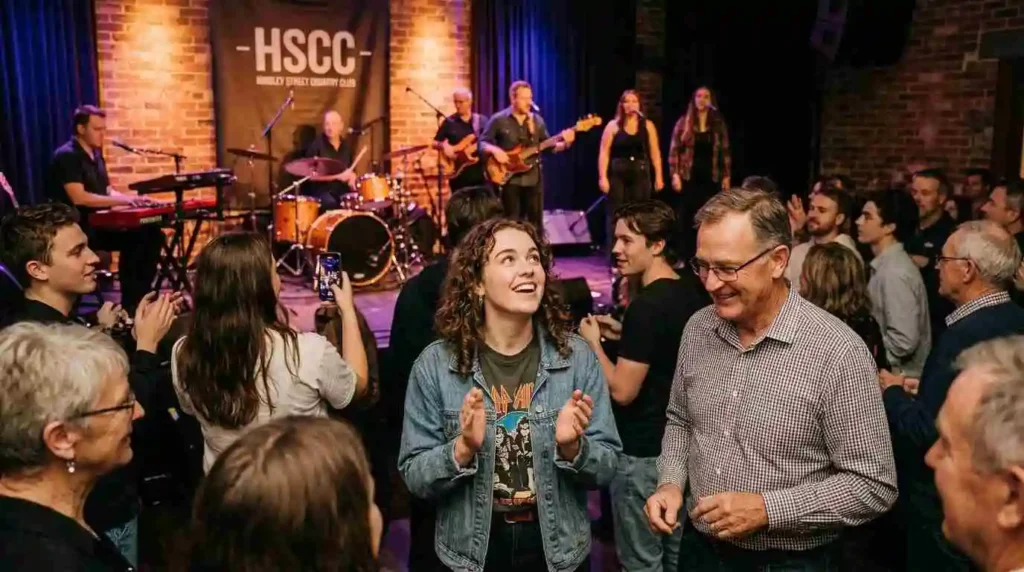
A cover performance is not a mere reproduction of the past, but a cultural act of passing the baton of a masterpiece to the next generation. HSCC makes that baton shine brighter and delivers it to today’s listeners. Through their performance, this song is not confined to a specific era but continues to ring out as music in the present tense.
Final Thoughts
The irresistible sensuality and sorrow of Bryan Ferry’s “Slave To Love.” HSCC has brilliantly captured that core essence with the heat of a live performance. Meticulously woven rhythms, soul-stirring vocals, and the sense of unity radiating from the whole band—when all these merge, we are drawn to the irresistible charm of music, becoming, literally, “slaves to love.”
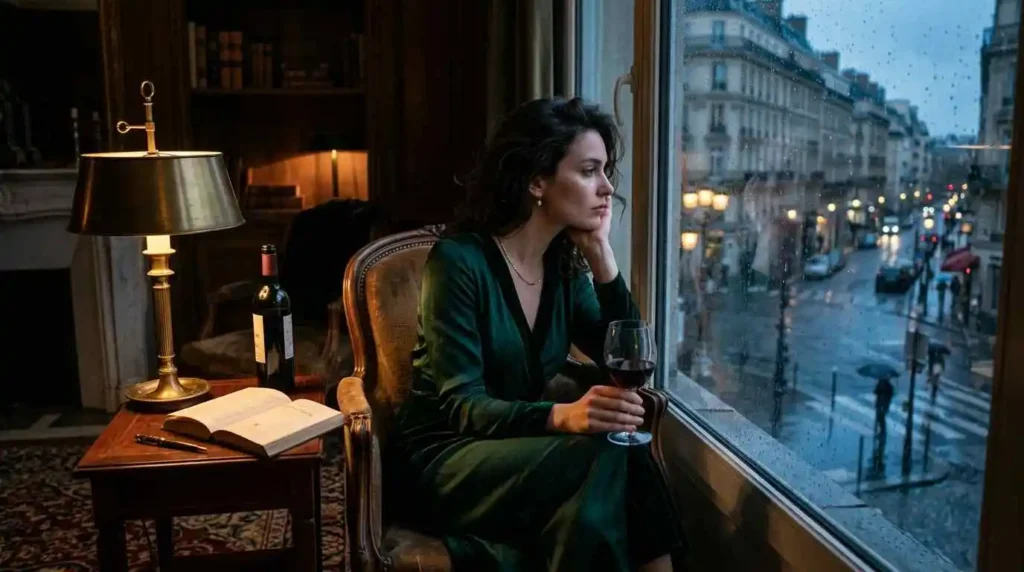
The original born from perfect studio work and the HSCC version revived with an outstanding live performance. Spending time comparing these two is the ultimate luxury for a music lover. In the moment where different eras and interpretations intersect, the true richness of music resides.
Now, what kind of cover will we encounter next? The journey of music continues.


音楽ファン同士の交流・リクエストはこちら / Connect & Request Songs Here