
🎧 Audio Narration
🎶 English Narration
Press the play button to listen to the English narration of this article.
🎵 Japanese Narration
You can also listen to the original Japanese narration of this article.
Listening to the narration before reading may offer a deeper and more immersive understanding of the article.
No. 6 is “Haru yo, Koi.”
Why is the season of spring so cruel—and yet so beautiful?
Ranked No.6 in my personal Best 15. The song I have chosen here transcends even the name of Yumi Matsutoya and may well be called a “hymn of spring” in the history of Japanese popular music: “Haru yo, Koi.”
The arrival of spring in my student days always carried a peculiar scent—a mixture of slight anxiety and groundless expectation. The person I was then, and the person I am now. This song possesses a magical gravitational pull that connects the vast stretch of time between those two selves in a single instant.
This time, I would like to speak quietly about this overwhelmingly famous masterpiece—one that brings new tears with every listen.
First, Please Listen to the Official Audio
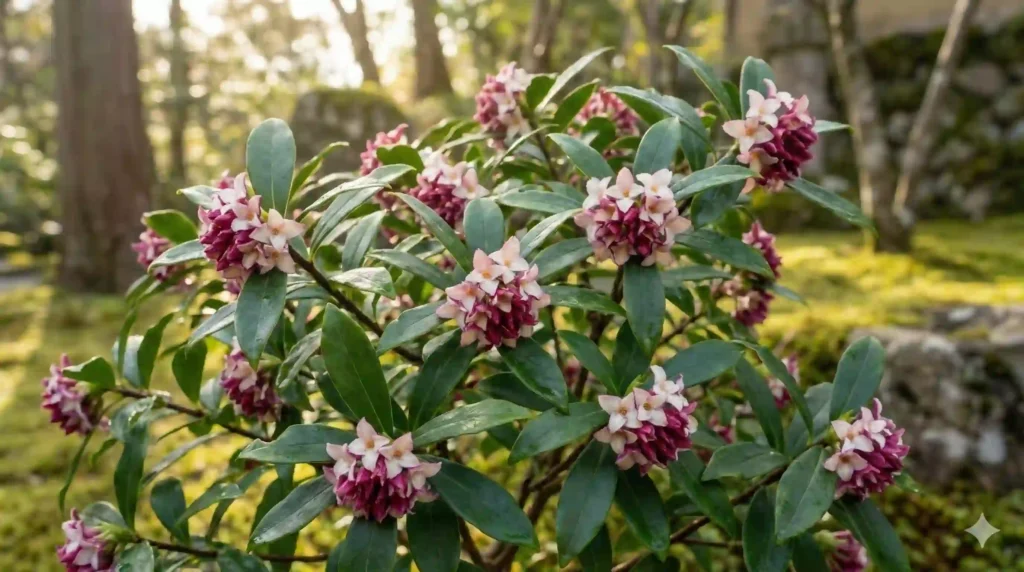
One element that cannot be avoided when speaking of this song is the presence of daphne (jinchōge), which appears in the opening lyrics.

As you may know, daphne emits a strong fragrance that signals the arrival of spring. In the lyrics, its scent drifts suddenly through pale light blurred by gentle rain. I believe this element of “fragrance” is the song’s greatest emotional trigger.
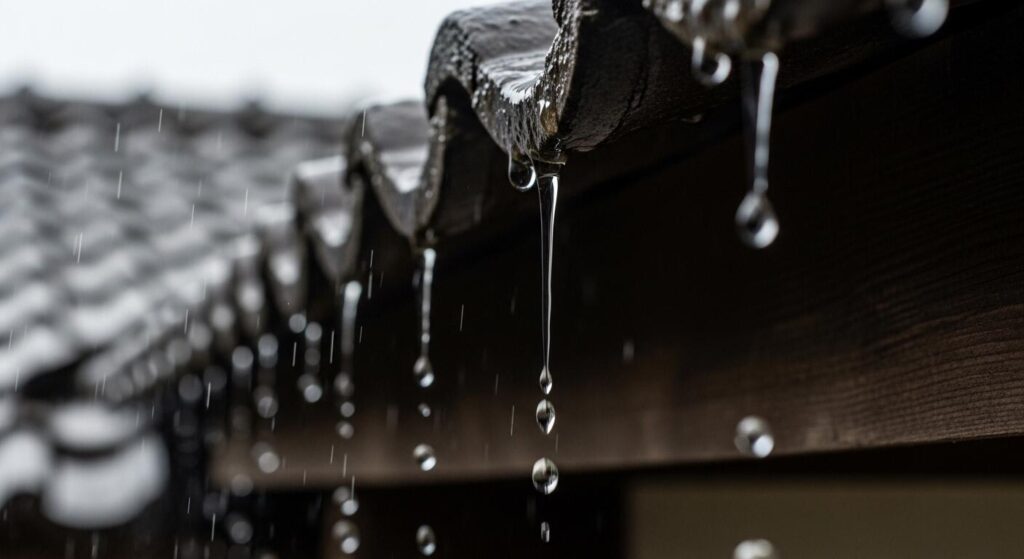
Visual memories may fade like photographs or be conveniently rewritten. But memories tied to scent are terrifyingly vivid—sometimes even violent. The sudden fragrance of flowers can drag emotions from decades ago into the present as if they were yesterday.

I sense the arrival of autumn in the scent of osmanthus, and the arrival of spring in daphne. These are my most beloved seasonal fragrances.
Between Dream and Reality

Up to this point, I have touched on the evocative power of scent within this song. In the latter half, what draws my attention is the way “dreams” are handled in the lyrics.
There is a line that sings, “Dream, oh fleeting dream.” The classical resonance of these words suggests how fragile and transient dreams are. Yet immediately afterward comes the powerful declaration: “I am here.”
Once one awakens from a dream, what remains is solitary reality. Yet the protagonist does not lament. Instead, while thinking of “you,” she quietly yet proudly declares that she continues to walk alone.
A Requiem-Like Resonance

The song was released in 1994. The following year, the Great Hanshin-Awaji Earthquake struck Japan. It is well known that this song was played frequently in the affected areas, offering comfort to many.
Why is “Haru yo, Koi” able to stay so close to sorrow? I believe it is because the song never forces us to “be strong.”
To wish for spring to come is, conversely, to acknowledge that it is still winter. Rather than urging those in grief to recover quickly, the song seems to sit beside them and say, “Let us wait together for spring.”
An Outro That Falls Endlessly
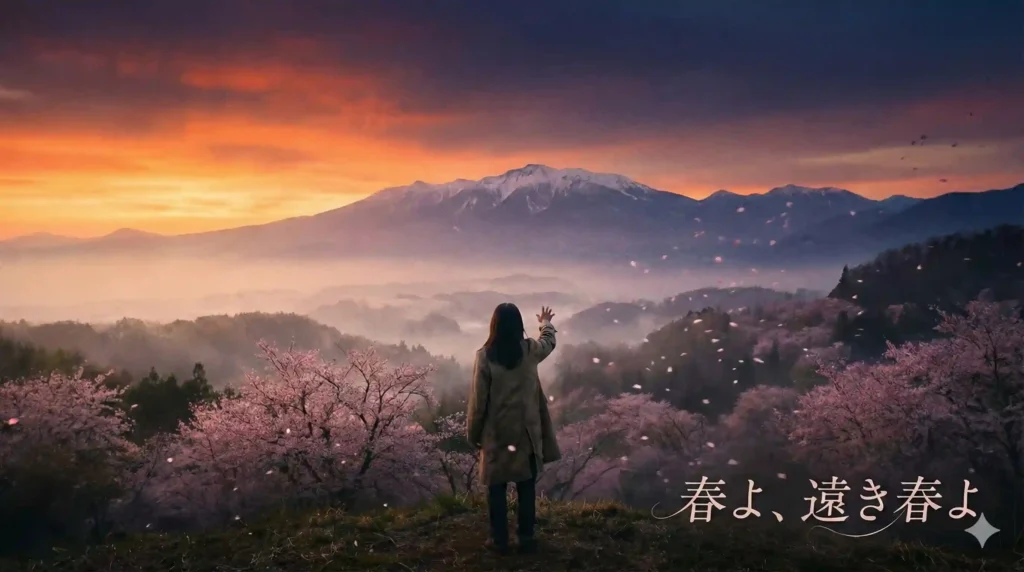
At the end of the song, the chorus phrase is repeated again and again, gradually fading out.
Masataka Matsutoya’s arrangement is masterful. Rather than building toward dramatic exaltation, the chorus layers calmly yet solemnly toward the conclusion.
The endless refrain suggests that our lives continue even after the music fades. The song disappears, but the feeling of waiting for spring remains.
Editor’s Note
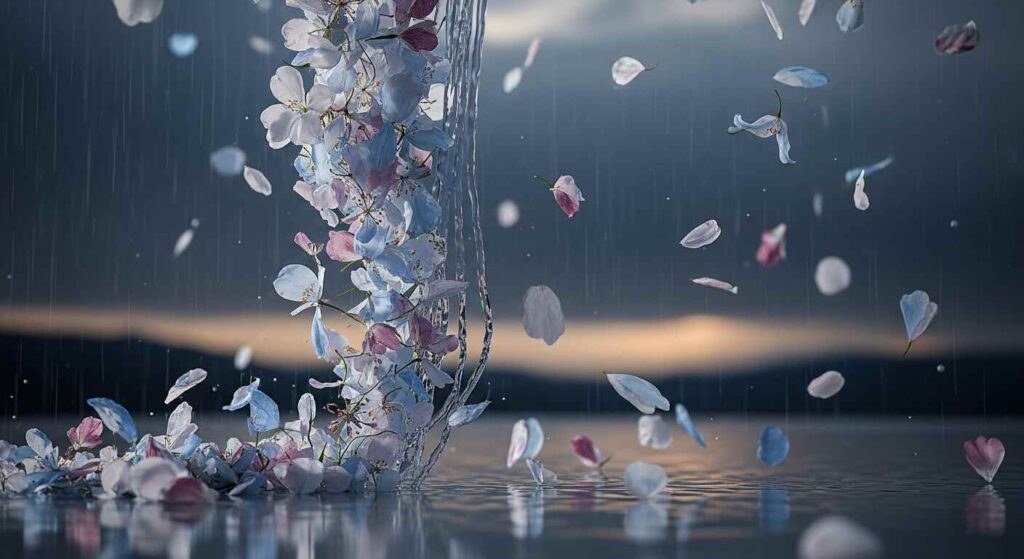
No.6, “Haru yo, Koi.” Whenever I listen to this song, I think of my immature younger self, of friends I can no longer see, and of the season of aging that awaits me.
Like a magician, Yumi Matsutoya bends time and space in just a few minutes of music—taking us back to “those days,” and then gently returning us to “now.”

音楽ファン同士の交流・リクエストはこちら / Connect & Request Songs Here