■For more about 【Led Zeppelin】, click here ➡ 🎈(Zeppelin)
- 🎧 Listen to the Audio Version
- 🎸【Led Zeppelin Series】Ranked No.11 is…
- Why It Didn’t Click at First
- The Contours of the Landscape Painted by Sound
- The Meaning of a Guitar That Does Not Speak
- Why It Sits at No.11
- When Time Finally Catches Up with the Sound
- What the Lyrics Show—and What They Withhold
- Changes Within My Own Timeline
- Why No.11, Once Again
- The Necessity of This Order
🎧 Listen to the Audio Version
This article is also available as a short audio narration (about 3 minutes).
Following the flow of the text, it traces the cold atmosphere and the sense of time that seems to pause within No.11, “No Quarter.”
Please enjoy it with sound—either before reading, or after you finish.
🇺🇸 English Narration
🇯🇵 Japanese Narration
🎸【Led Zeppelin Series】Ranked No.11 is…
No.11 is “No Quarter.”
■ Opening angle: a song I couldn’t evaluate right away
I first listened to Led Zeppelin mainly during my college years, but it took much longer to truly understand their appeal. Like many people, I was drawn in gradually, starting with “Stairway to Heaven.”
I listened to most of their albums—not so much with focus, but more as something playing nearby whenever I had time. That description feels accurate. Because of that, this song was never something I could judge after just a few listens.
It wasn’t clearly good or bad. What lingered was simply something cold.
And yet, after some time passed, it would suddenly come back to mind. That cycle repeated itself.

Ultra-Brief Summary
In a harsh environment, people who are not allowed to turn back keep moving forward.
There is no mercy, no pause—only the resolve to stay on the chosen path.
Surrounded by danger and ridicule, they carry something they must deliver as they proceed.
This song depicts the weight of will rather than kindness.
🎥 As always, please start with the official YouTube video.
🎬 Official Video Credit (Official Audio)
Title: No Quarter
Artist: Led Zeppelin
Album: Houses of the Holy (1973)
Format: Official Audio
Two-Line Commentary
A dark standout from the album, built on icy, mystical synth textures and a heavy rhythmic foundation.
The sustained tension and introspective mood reflect Led Zeppelin’s deepening musical language.
Credit (Official Live Footage)
Led Zeppelin
“No Quarter”
Live at Madison Square Garden, New York, 1973
🎼 Two-Line Commentary
A legendary performance from the 1973 MSG concerts, highlighted by John Paul Jones’s ethereal electric piano and expansive improvisation.
The structure stretches far beyond the studio version, standing as a definitive expression of Zeppelin’s darker and deeper side.
Credit (Official Live Footage)
Title: No Quarter (Live at Madison Square Garden 1973 / Remastered)
Artist: Led Zeppelin
Recorded: Madison Square Garden, 1973
Rights: ℗ Rhino Atlantic (Official Source)
Two-Line Commentary
The definitive live take of “No Quarter” from the 1973 MSG shows, presented in a newly remastered version.
John Paul Jones’s mystical keyboards and the band’s improvisational peak converge in a towering performance.
Why It Didn’t Click at First
A Narrow Entrance as Music
“No Quarter” makes very little effort to welcome the listener.
What the intro presents is not melody, but atmosphere itself.
The low tones of the keyboard expand a sense closer to restriction than expectation, leaving little room for free movement.
Discomfort with the Lack of Momentum
At the time, I was subconsciously expecting uplift or propulsion from Led Zeppelin.
This song, however, chooses an arrangement that makes you stop rather than move forward.
That decision is precisely why it didn’t immediately translate into evaluation.
The Contours of the Landscape Painted by Sound
Temperature and Texture Come First
What defines this track most strongly is its sense of coldness.
Not emotional cruelty, but spatial low temperature.
Dry air spreads out, creating gaps between sounds.

Division of Roles Among the Parts
The drums do not step forward; they simply mark a constant weight.
The bass does not support melody so much as define the hardness of the ground.
The keyboards cloud the view, while the guitar blurs the edges.
Each sound restrains itself, forming a single landscape together.
The Meaning of a Guitar That Does Not Speak
A Structure Where the Lead Steps Back
The guitar is certainly central, yet it does not speak on behalf of emotion.
Its phrases are short, leaving wide spaces, staying in the shadow of the keyboards.
Through this restraint, the music distances itself from personal emotional expression.
Existing as a Landscape
I once found this restraint unsatisfying.
But because it does not speak, the listener is free to walk inside the music.
This track exists not as a story, but as a place.
Why It Sits at No.11
Its Function Within the Best 25
This song does not serve to accelerate momentum.
Instead, it calms the flow and lowers the temperature.
The No.11 position suits that role perfectly.
The Decision Not to Rank It Higher
It is not a song defined by powerful moments.
Yet without it, the balance of the whole collapses.
“No Quarter” provides the necessary weight within the Best 25.
When Time Finally Catches Up with the Sound
The Unease of Wanting to Judge It
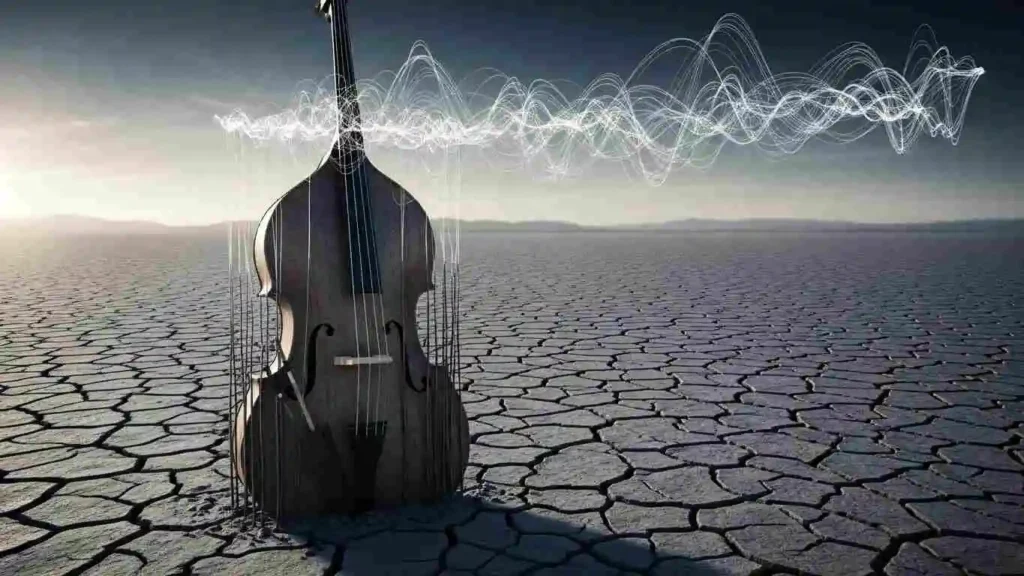
The distance between this song and me changed not because of a decisive event, but because I did.
I once felt that nothing happened when I listened to it.
The progression was slow, emotional movement minimal, nothing to grasp onto.
So I postponed judgment, leaving it on hold even when assembling the Best 25.
What Remained After Letting Go of Judgment
At some point, I stopped trying to evaluate the song.
Without deciding whether it was good or bad, without forcing interpretation,
I simply allowed the time of the sound to pass as it was.
What once felt like stagnation began to function as a time where it was acceptable not to move.
What the Lyrics Show—and What They Withhold
The Shape of the Situation Being Drawn
The lyrics of “No Quarter” explain very little.
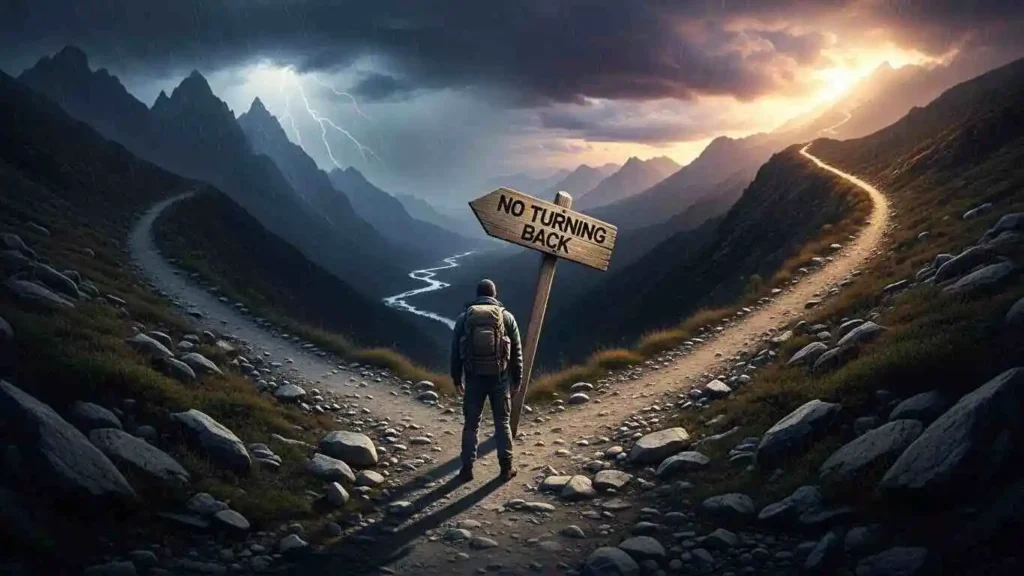
People placed in harsh conditions, not allowed to turn back.
Surrounded by danger and ridicule, they continue forward carrying something with them.
What exists here is not victory or salvation, but the premise of not returning from a chosen path.
Why the Reason Is Never Stated
What stands out is that the lyrics never explain why they move forward.
No justice, no grand cause, no clear objective.
Only the weight of choice, and the cold reality beyond it.
This omission aligns closely with the sound itself.
Unexplained words and a guitar that does not speak—
lyrics and sound take the same stance.
Changes Within My Own Timeline
A Song Without a Clear Moment of Affection
This is not a song I can point to and say when I came to like it.
Before I noticed, it was already there.
There were times I stopped listening to it, yet I never truly let it go.
It quietly remained somewhere in my life.
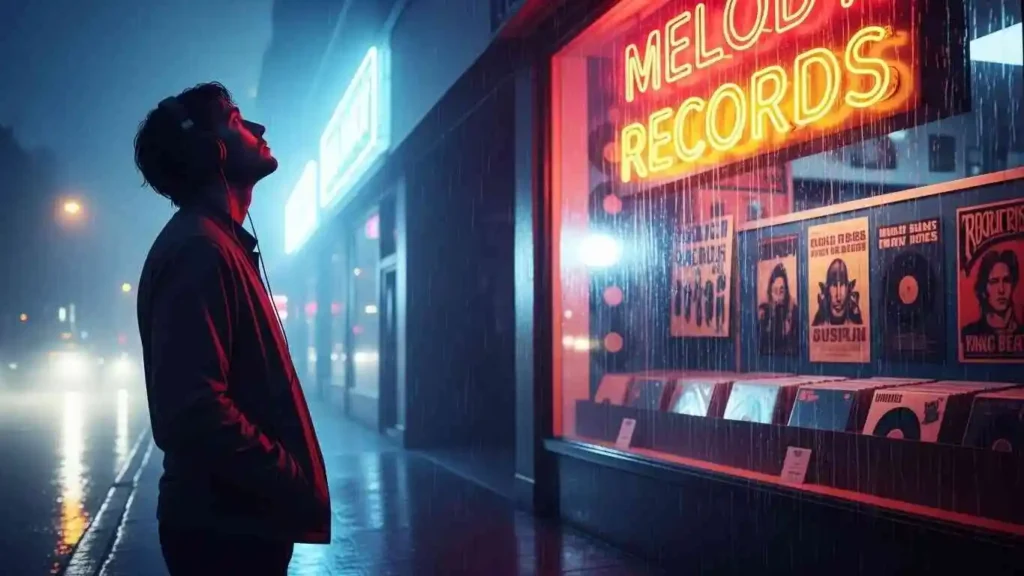
When It Began to Overlap with Reality
When I was younger, I couldn’t find a place for this ambiguity.
Over time, I came to recognize how many things in life continue without clear reasons.
That realization is what turned this song into something I could simply place and keep.
Why No.11, Once Again
Impossible to Place Higher or Lower
Within the Best 25, this song does not compete for the top.
Its impact is subtle, its grip on memory restrained.
Placed any lower, the overall temperature rises too much.
Placed any higher, its weight would press forward too strongly.
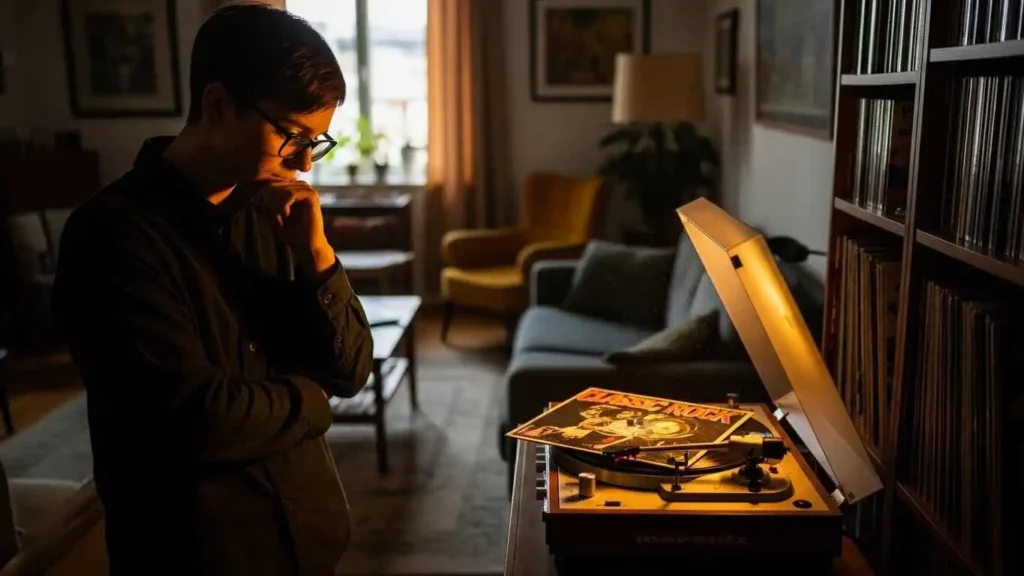
The Necessity of This Order
A Position That Changes the Shape of the Whole
Introducing this song at this position subtly changes how the entire Best 25 is perceived.
Not flash, but density.
Not emotion, but duration.
That axis needed to be shown here.
As a Point of Arrival
This song occupies a place within the Best 25 that lowers the temperature and stretches time.
It does not stand out, yet its absence would be immediately noticeable.
Having one song like this at around this point feels completely natural to me.


音楽ファン同士の交流・リクエストはこちら / Connect & Request Songs Here