🎧 Enjoy “Koto (The Ancient City)” in Audio (Listen to this article)
🎵 Japanese Narration
Press play to listen to the Japanese narration of this article.
🎶 English Narration
You can listen to an English narration / summary of this article.
※ Listening to the narration before reading enhances the emotional depth of “Koto.”
🎸 Kaze Best15 – No.12 “Koto (The Ancient City)”
No.12 on the list is “Koto (The Ancient City).”
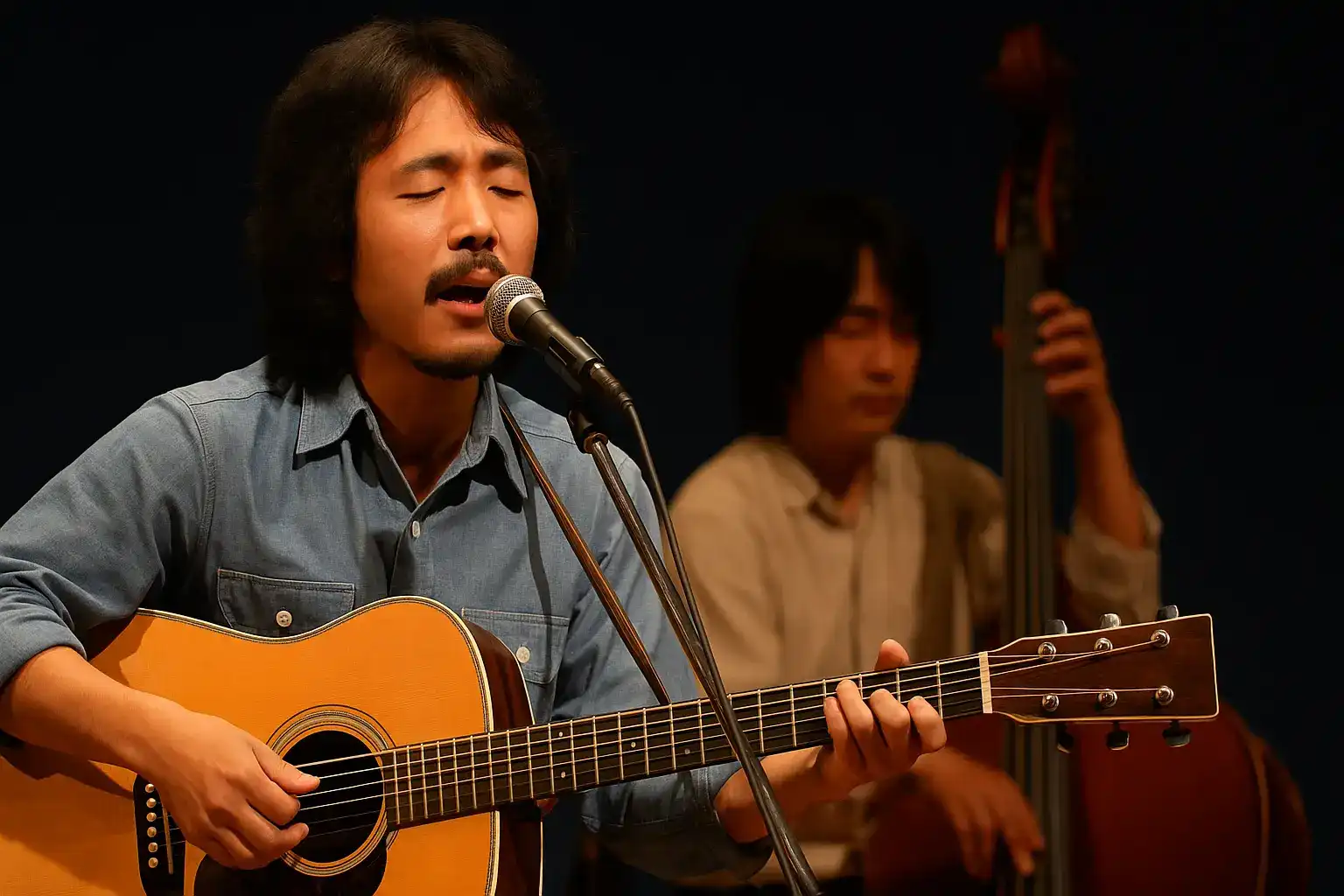
In this song, Kaze portray the quietness of a city and the emotional emptiness that lingers after a breakup. Kyoto serves as a symbolic setting, connecting the protagonist’s inner struggle with the city’s timeless landscape. The arrangement is understated, and Ise Shōzō’s calm vocal delivery gives the story a grounded sense of realism.
Summary (Ultra-Brief Overview)
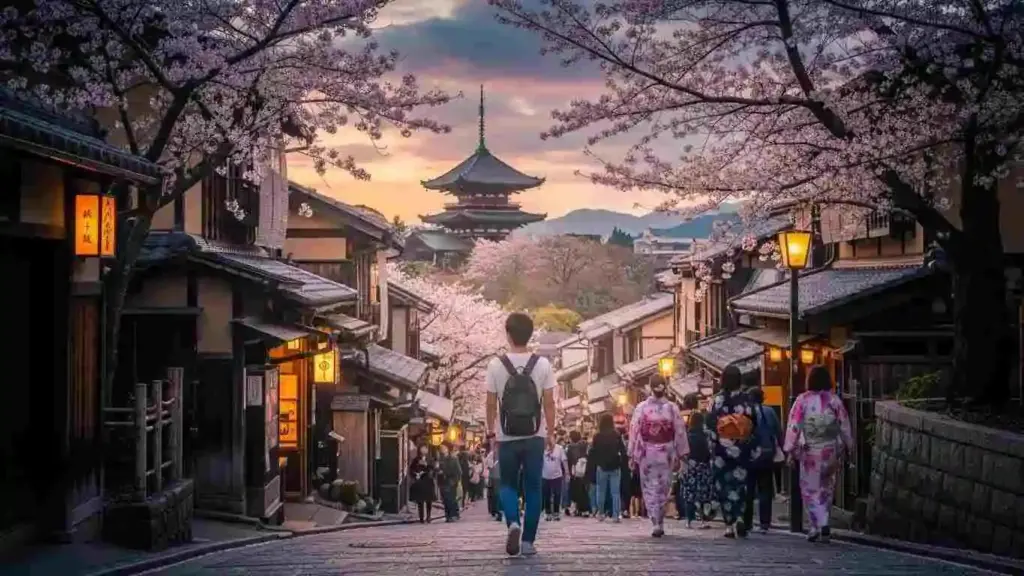
The protagonist revisits Kyoto, a place filled with memories of a past relationship. Familiar streets awaken moments he had almost forgotten. While people around him move at their usual pace, he alone feels out of sync, unable to process the lingering emotions. The story unfolds through the contrast between the city that remains unchanged and a relationship that has already ended.
First, watch the official video
✅ Official Video Credits Song: Koto (古都) Artist: Kaze Label: NIPPON CROWN CO., LTD. Lyrics: Ise Shōzō Composer: Okubo Hajime © NIPPON CROWN CO., LTD. YouTube Info: Provided to YouTube by Nippon Crown Co. Ltd Release Date: January 25, 1976 Album: Toki wa Nagarete… (1976) 📝 Two-line summary “Koto” is a quiet folk piece from the 1976 album Toki wa Nagarete…, representing the early emotional landscape of Kaze. The poetic lyricism of Ise Shōzō and Okubo’s gentle melody capture the delicate distance between a city’s atmosphere and a wandering heart.
Basic Information About the Song
Release & Album
“Koto” appears on the album Toki wa Nagarete… (released January 25, 1976). This album represents the early phase of Kaze’s artistic development, a period when Ise Shōzō’s lyricism became particularly vivid.
The album blends city-themed storytelling with everyday emotions, capturing the changing atmosphere of mid-1970s Japanese folk-pop. Within this context, “Koto” stands out for its strong sense of place, anchoring its narrative in the landscapes of Kyoto.
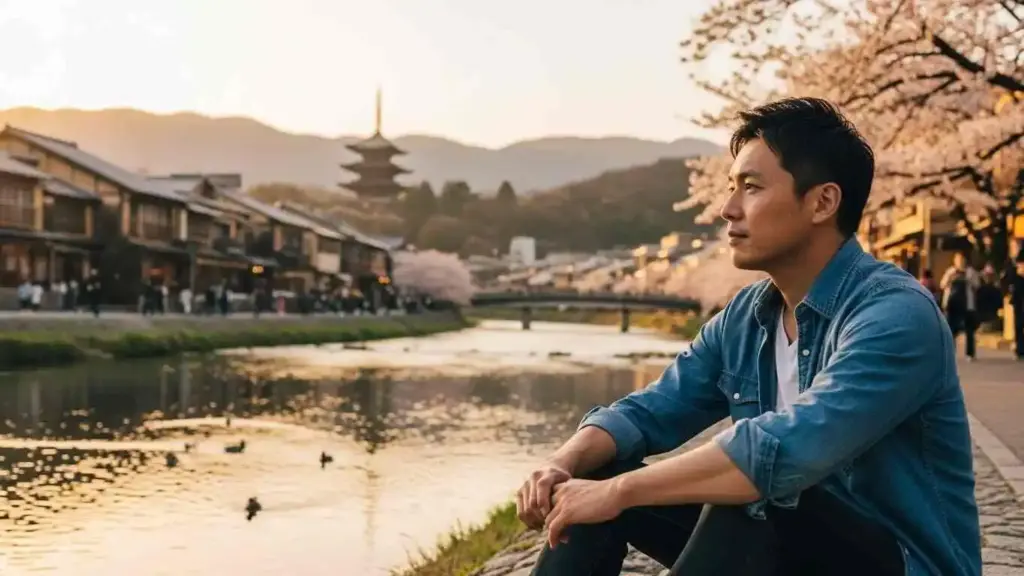
Chart Context & Era
Though not released as a single, the song existed during a time when Kaze were gaining nationwide recognition. The album was well-received, and “Koto” became a meaningful selection in their live performances.
The mid-1970s were marked by increasing movement from rural areas to cities. Themes such as “the relationship between urban life and individual identity” resonated deeply with listeners, making the song’s emotional landscape especially relatable.
Themes & Emotional Landscape
The Protagonist
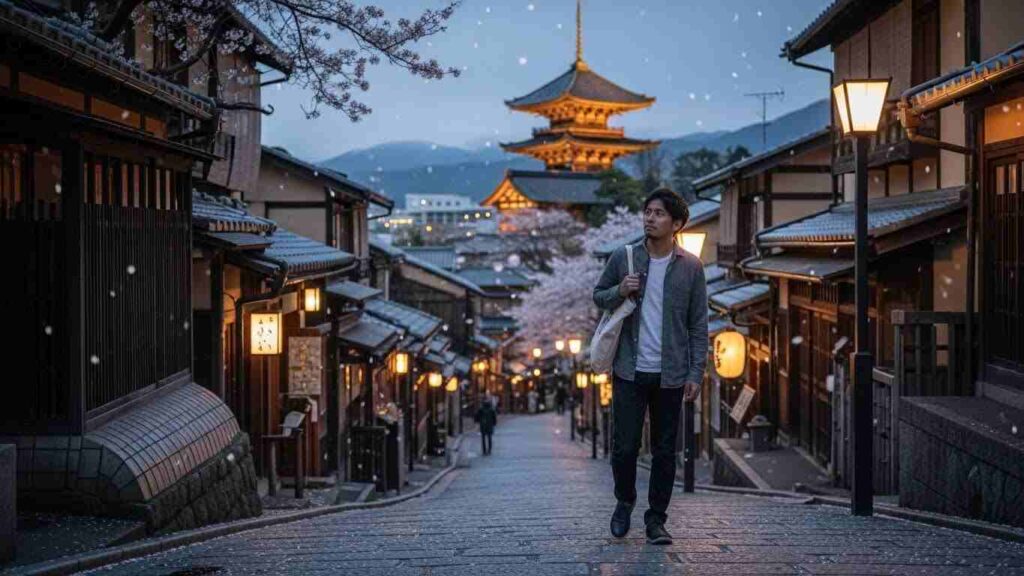
The protagonist walks through Kyoto—an old hometown of memories—trying to understand where he now stands in life. Specific places appear in the lyrics, grounding the story in real geography.
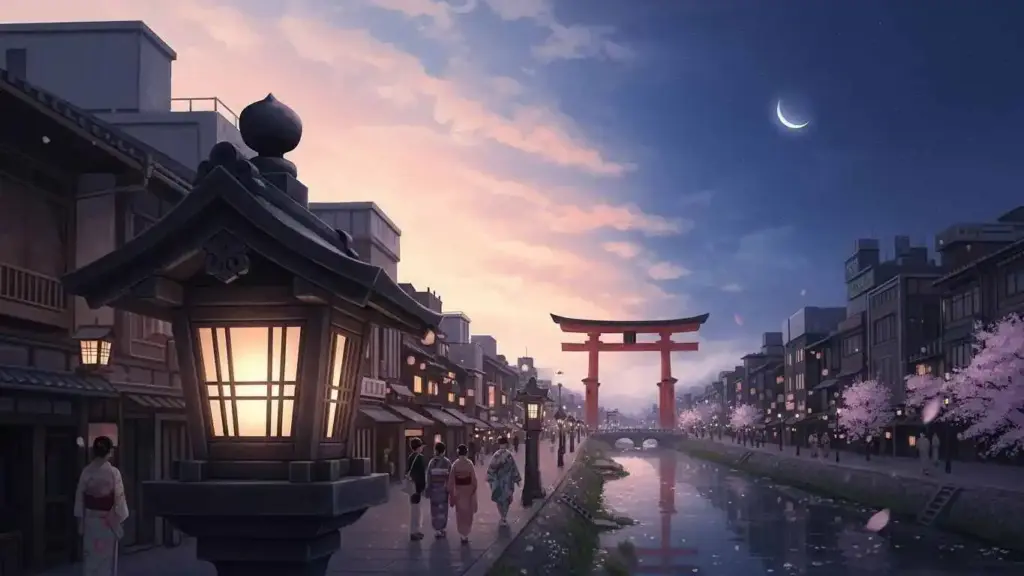
Streets like Kiyamachi-dōri, Shijō-dōri, and Sagano blend everyday life with historical depth. In these familiar settings, the protagonist quietly sorts through fragments of memory, not through dramatic scenes but through small, personal recollections.
How the Story Begins
The song opens with a reflective moment: the protagonist recalls that his former partner always felt “Kyoto suited him better.” That small recollection becomes the doorway into a deeper emotional journey. As he walks, the scenery around him intertwines with his memories.
The descriptions are gentle, yet the protagonist’s emotions remain unsettled. The city continues unaffected, while his personal world feels as if it starts and stops unpredictably—a quiet but vivid tension.
Key Lyrics & Interpretation
Symbolic Phrases
The lyrics mention specific Kyoto locations. Even a simple reference—such as “Shijō-dōri”—carries emotional weight. These places are more than geographical notes; they illuminate the protagonist’s inner landscape, highlighting his sense of being “out of step” with the flow of life around him.

The city remains unchanged, which only emphasizes the fact that the relationship has already moved on. The lyrics build this contrast with quiet precision.
The Protagonist’s Emotional Shift
The protagonist never shouts his emotions. Instead, his thoughts settle gradually as he walks through the city. Feelings of isolation in a crowd or tension at sunset are universal experiences, grounding the story in relatable emotional territory.
The song focuses not on grief itself, but on the process of accepting a breakup—how reality slowly reshapes itself inside a person. This slow internal transformation is the core of the narrative.
Sound & Vocal Approach
Arrangement
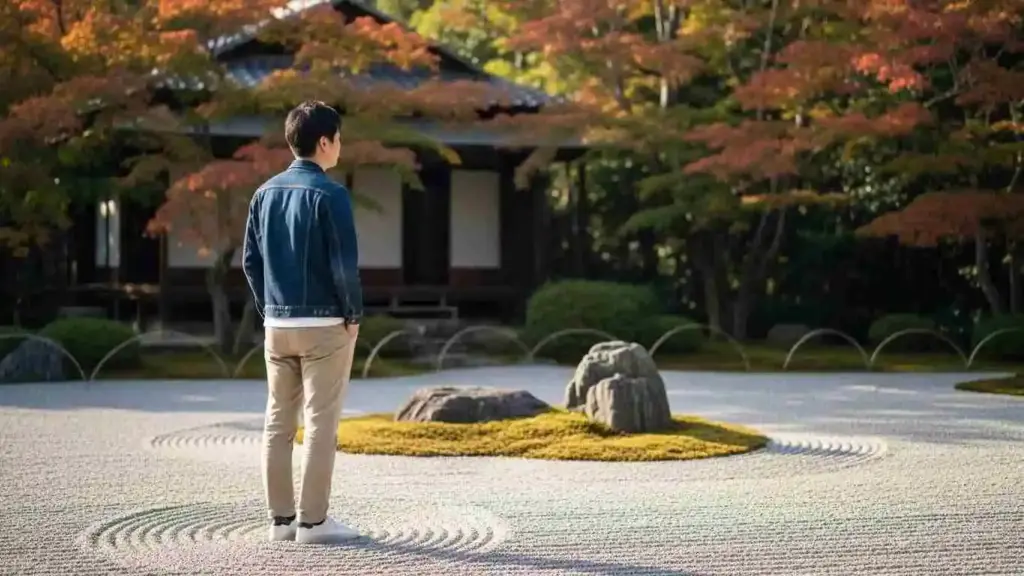
“Koto” features one of Kaze’s most understated arrangements. The guitar strokes are soft, and the rhythm section remains minimal, allowing the scenery described in the lyrics to take center stage.
Ise Shōzō’s vocal delivery is gentle and restrained, designed to convey meaning rather than dramatic emotion. This approach aligns perfectly with the quiet, observational storytelling.
Why It Ranks No.12
What Makes It Unique
Many of Kaze’s songs explore themes of love, but “Koto” uniquely ties emotional introspection to a physical cityscape. Kyoto functions like a mirror, reflecting the protagonist’s shifting state of mind. This narrative technique is unusual within Kaze’s discography and contributes significantly to its lasting impression.
Other works by Ise Shōzō—such as Umikaze or “Kitaguni Ressha”—focus on travel or movement. In contrast, “Koto” is about standing still. That sense of stillness shapes the entire mood of the song and is a major reason it earns a place in the Best12.
A Line That Makes You Want to Revisit the Song
Although the song is quiet and unadorned, it offers a deeply human portrayal of someone gradually accepting emotional change. Because it does not push a specific emotion onto the listener, the impression of the song shifts depending on one’s age and life experience.
If you haven’t listened to Kaze in a while, starting with “Koto” will likely reveal nuances you didn’t notice years ago.

音楽ファン同士の交流・リクエストはこちら / Connect & Request Songs Here