
🎧 Listen to “The Town of Abbey Road” (Audio Version)
🎵 Japanese Narration
Press play to listen to the full Japanese narration of this article.
🎶 English Narration
You can listen to an English narration / summary of the article.
※ Listening to the narration first helps you enjoy the world of “The Town of Abbey Road” with even greater depth.
No.14: “The Town of Abbey Road”
This song is a classic example of Shozo Ise’s ability to depict the subtle emotional movement of a young person living in the city. Set in a rainy Tokyo, the story begins as the protagonist quietly starts walking, recalling moments from the past. There is no dramatic development, yet the overlap between scenery and memory is vivid, and the song deepens in flavor every time you revisit it.
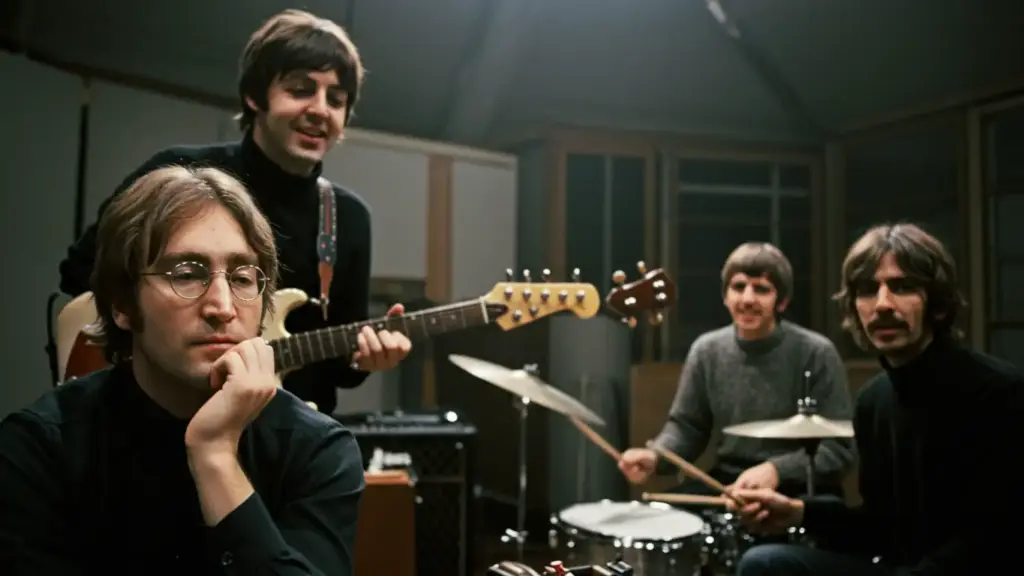
The phrase “Abbey Road” naturally reminds me of The Beatles. Shozo Ise belongs to that generation, so the lyric “feels like Beatles songs are coming from somewhere…” probably came out naturally. 😊
Summary
In this song, the protagonist walks through a rainy city, and memories of someone they once spent time with naturally resurface. As familiar sounds and storefronts come into view, emotions from those days return and contrast with the present self. Without expressing feelings directly, the song uses everyday scenes to convey the protagonist’s inner state. The city’s landscape blends with their thoughts, portraying the quiet solitude found in urban life.
Please start by watching the official video.
✅ Official Video Credits
Title: The Town of Abbey Road
Artist: Kaze
Label: Nippon Crown Co., Ltd.
Words & Music: Shozo Ise
© NIPPON CROWN CO., LTD.
YouTube Information: Auto-generated by YouTube
✅ Two-Line Summary
This track, featured on the 1977 album Umikaze, portrays the subtle emotions and atmosphere of urban life.
The audio is officially provided by the label through YouTube, making it safe to present as an “official video” in this blog.
Song Information
Release / Album
“The Town of Abbey Road” is included on the album “Umikaze” (released May 25, 1977).
Lyrics & Composition: Shozo Ise.
During this period, Kaze’s sound evolved from its folk roots into a more urban feel, and “Umikaze” is often considered one of their most mature works.
The album also features notable tracks such as “Umikaze,” “Aitsu,” “Omae Dake ga,” and “Sasayaka na Kono Jinsei.” Among them, “The Town of Abbey Road” stands out as a narrative-driven piece that blends city scenery with personal memory.
Chart Context / Era
1977 was a transitional period for Japanese folk music. Acoustic styles remained, but listeners increasingly desired more refined and sophisticated arrangements. Kaze adapted well to this environment, crystallizing the atmosphere of “young people living in the city” through Shozo Ise’s lyrical sensibility.
The song was never released as a single, but within the album it remains one of the most beloved tracks—often mentioned by fans as “the song that lingers the longest after the album ends.”
Background & Inspiration
The “Abbey Road” in the title is, of course, a reference to The Beatles. The lyrics also contain subtle nods to them. By placing a foreign landmark into a Japanese cityscape, the song reflects the “longing for Western culture” that spread among young people at the time, while still grounding the story in the reality of everyday urban life.
In the late 1970s, Shozo Ise often wrote songs inspired by scenes from his daily life in Tokyo—Aoyama Street, cafés, subway stations, and other concrete locations. This made his songs easy for listeners to visualize. “The Town of Abbey Road” follows this tradition, portraying the subtle distance and confusion felt by many young people living in the city.

Themes & Worldbuilding
The Protagonist
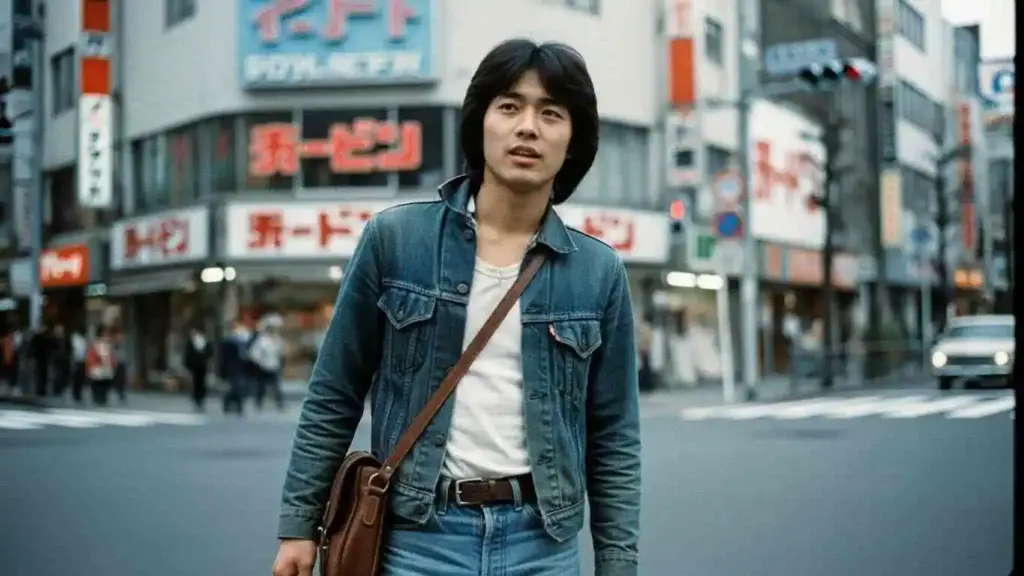
Walking alone along rainy Aoyama Street, the protagonist recalls moments shared with someone important from their past. Nothing dramatic happens, but memories slowly surface as they continue walking, prompting a quiet confrontation with their present self.
Ise often highlights “small but meaningful moments found in ordinary life,” and this song captures that essence. The balance between objective descriptions of Tokyo and subtle glimpses into the protagonist’s emotions forms the unique flavor of the song.
Opening Scene
The opening uses environmental sounds—rain, street noise—to evoke the protagonist’s emotions. Walking a path they once shared with someone now walked alone creates a quiet but effective contrast. Café windows, fragments of conversations… nothing extraordinary happens, yet the subtlety makes the emotional shift natural and relatable.

Key Lyrics & Interpretation
Symbolic Phrases
The song contains several small but striking moments. One of these is the short phrase where the protagonist seems to pause amid the bustle of the city. It is not dramatic, but imagining the Aoyama cafés and streets of the era helps reveal how the character compares their past and present selves.
“mm…”
This almost wordless murmur is more than a sound effect—it represents the “in-between moment” when one tries to speak but the feeling cannot be put into words.
That “mm…” blends the emotions of the past with those of the present, giving the song its distinctive emotional texture.

Emotional Shift
The story does not swing wildly, but as the protagonist continues through the rain, their perspective gradually shifts from “time remembered” to “the present moment.” This gentle transition is one of the song’s most compelling qualities.
The scene of heading toward the subway station symbolizes a return from reflective solitude back to ordinary life. The walk through rainy Tokyo becomes a brief but meaningful emotional journey—captured with Ise’s characteristic finesse.

Sound & Vocal Performance
Arrangement
Though never flashy, the arrangement stands out within the flow of the “Umikaze” album. Acoustic guitar takes the lead, with drums and keyboards providing restrained support so as not to overshadow the imagery in the lyrics. The airy texture allows the rain, street atmosphere, and emotional nuance to pass through naturally.
Shozo Ise’s vocal delivery avoids overstatement, favoring an understated tone that complements the evolving scenery. The main melody remains simple yet rich in imagination.
Why This Song Ranks No.14
What Sets It Apart
Kaze’s catalog ranges from deeply emotional songs to strongly narrative pieces. What makes “The Town of Abbey Road” special is how naturally it embodies Ise’s hallmark style of “expressing inner emotion through city landscapes.”

If “Umikaze” paints a broad picture of life’s journey, then “The Town of Abbey Road” captures a fleeting moment—mere seconds within an ordinary day. This focus on delicate emotional detail sets it apart from other songs.
A Line That Calls You Back
Each time you listen, the scenes become clearer. Rainy Aoyama Street, the café window, the walk toward the subway—none of these moments are extraordinary, yet they resemble memories we all carry somewhere inside.
That is why the song makes you “want to revisit that day’s scenery once again.” Its quiet charm is what earns it the No.14 spot in my Best15 ranking.


音楽ファン同士の交流・リクエストはこちら / Connect & Request Songs Here